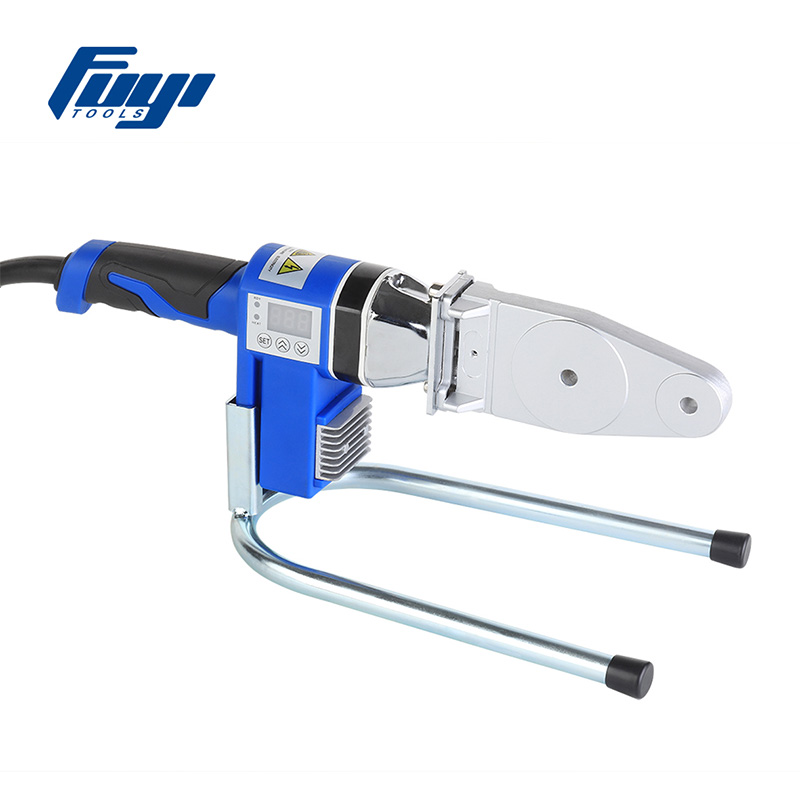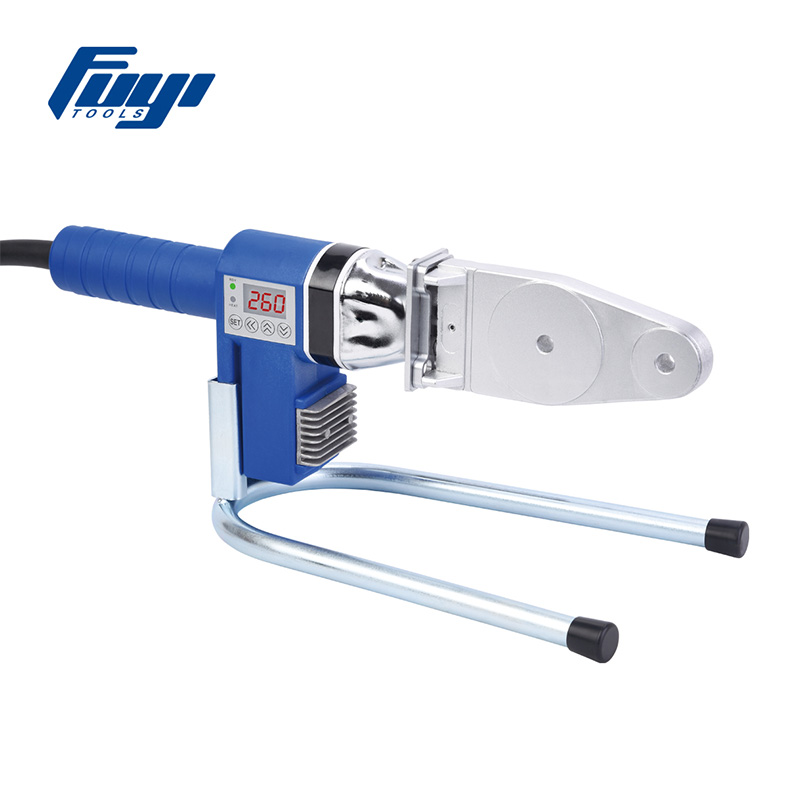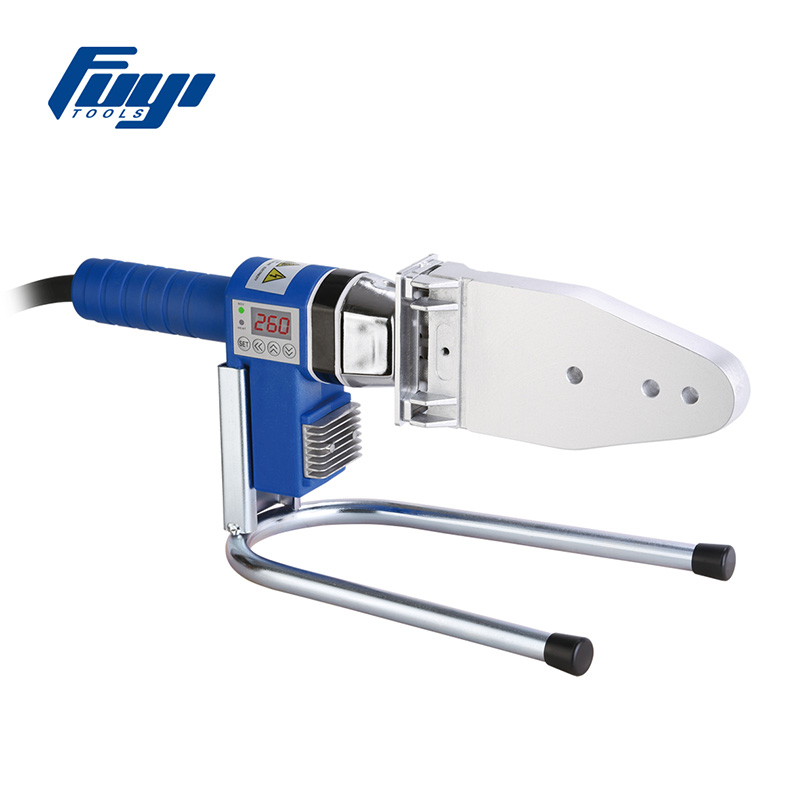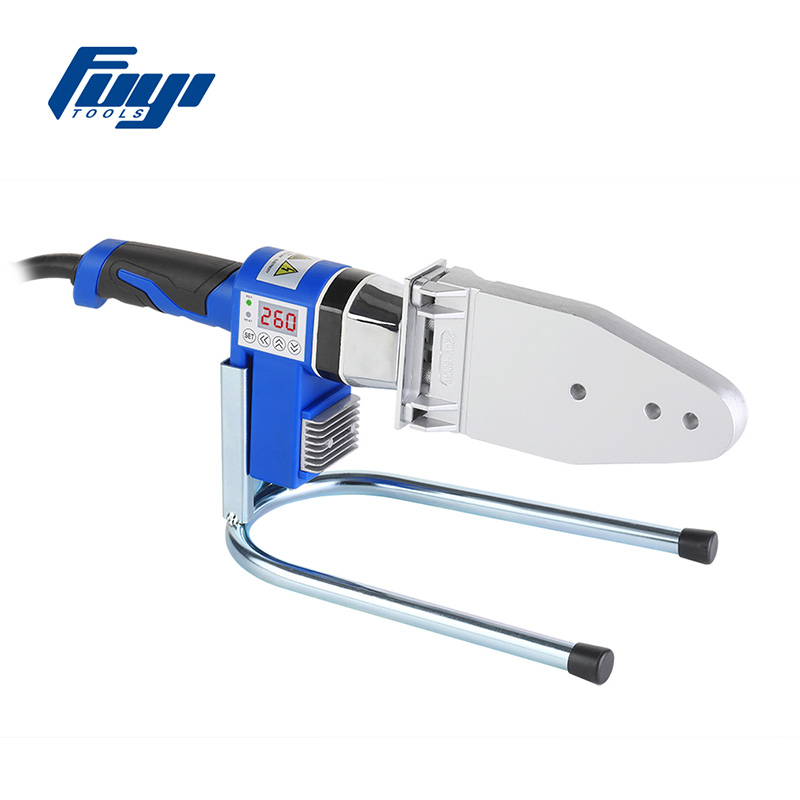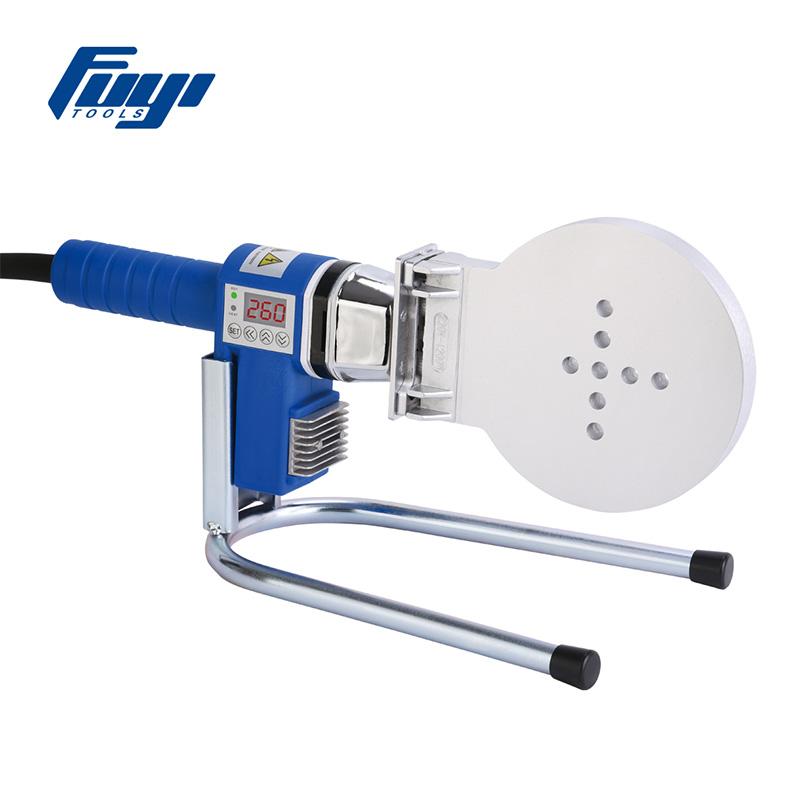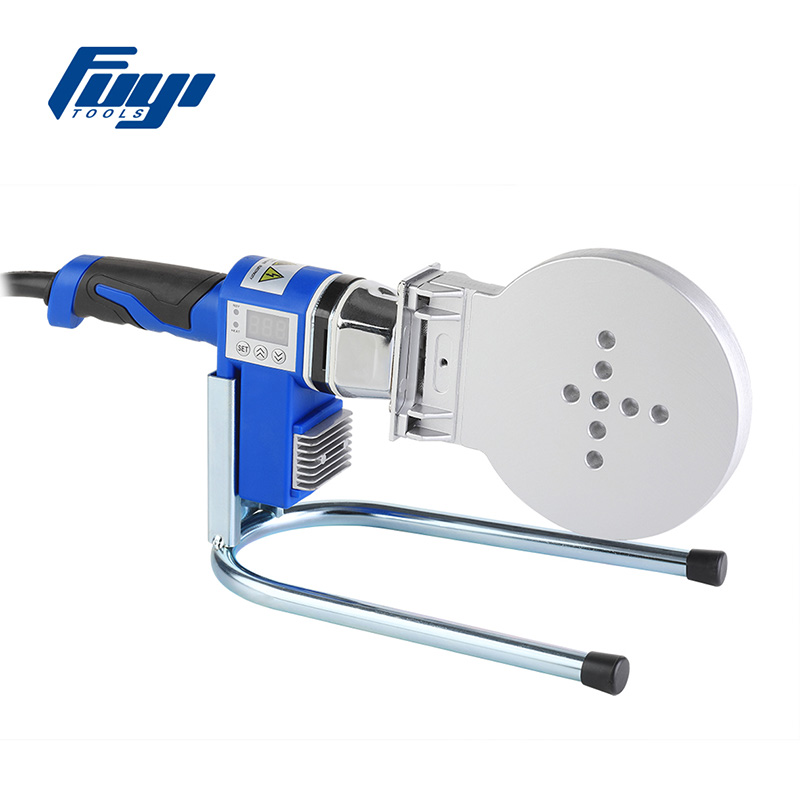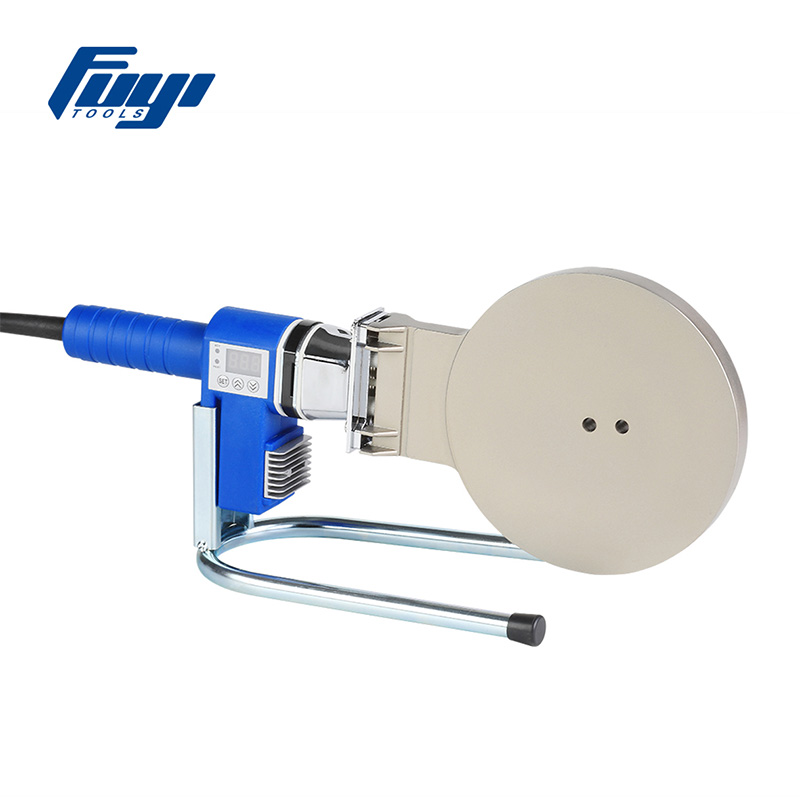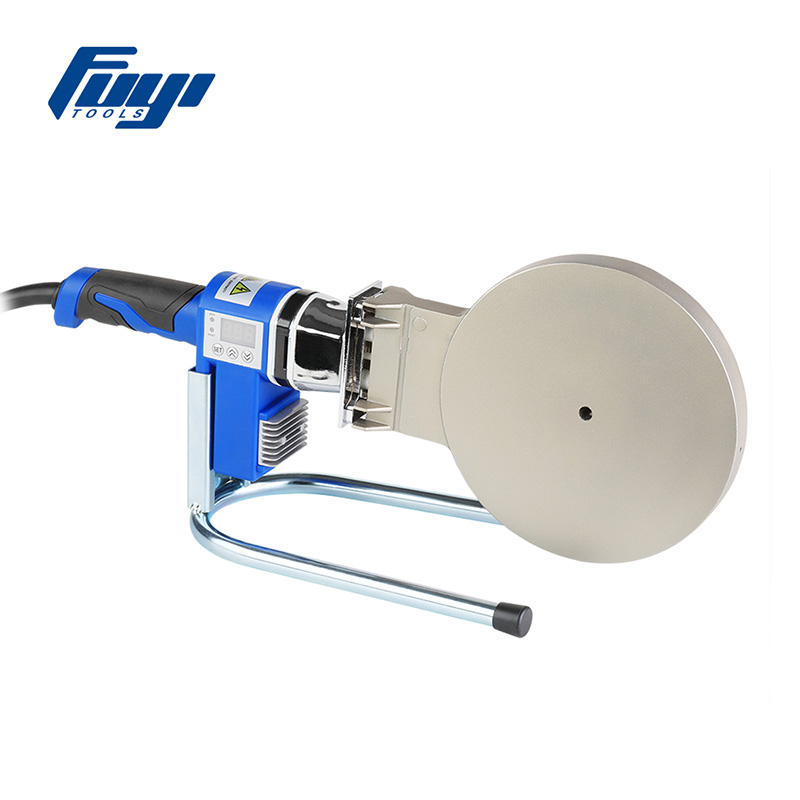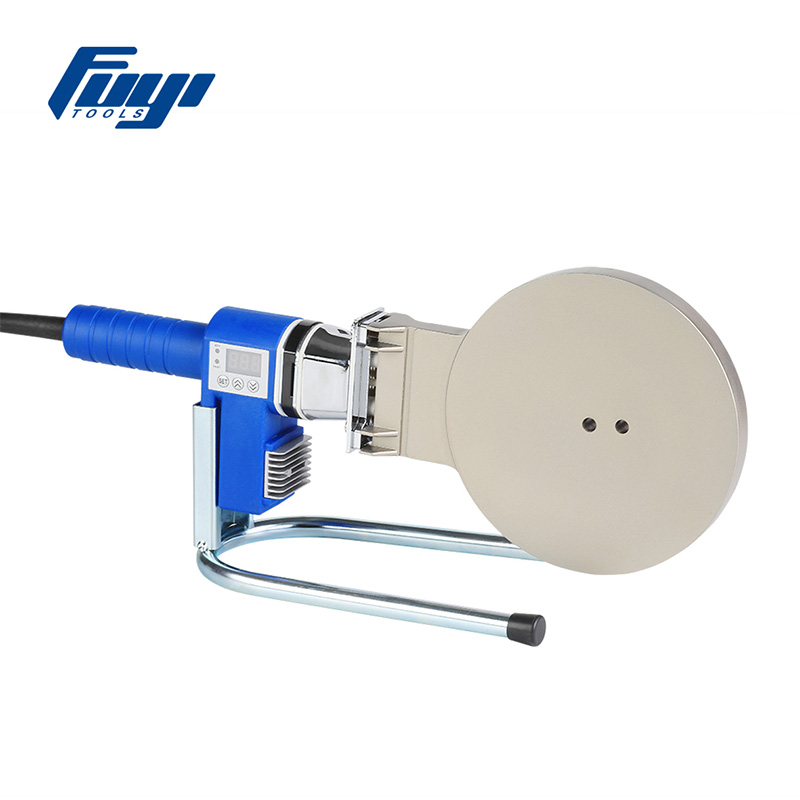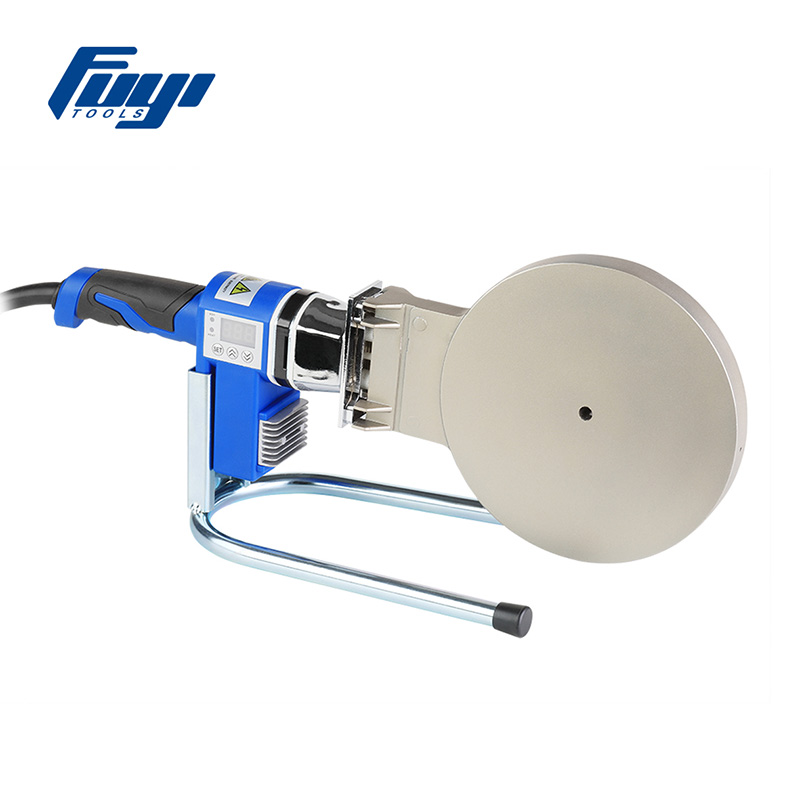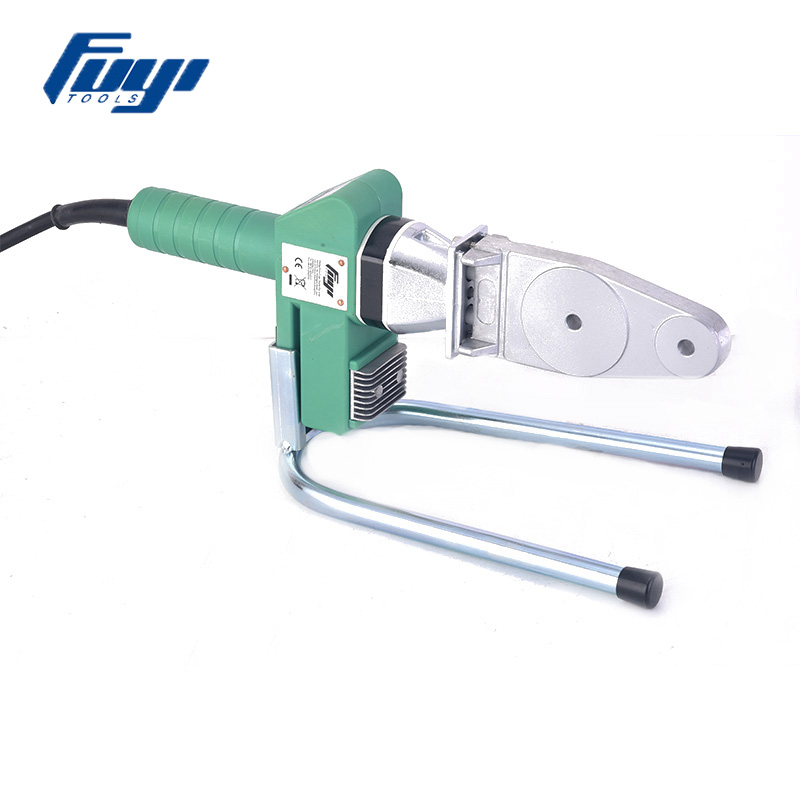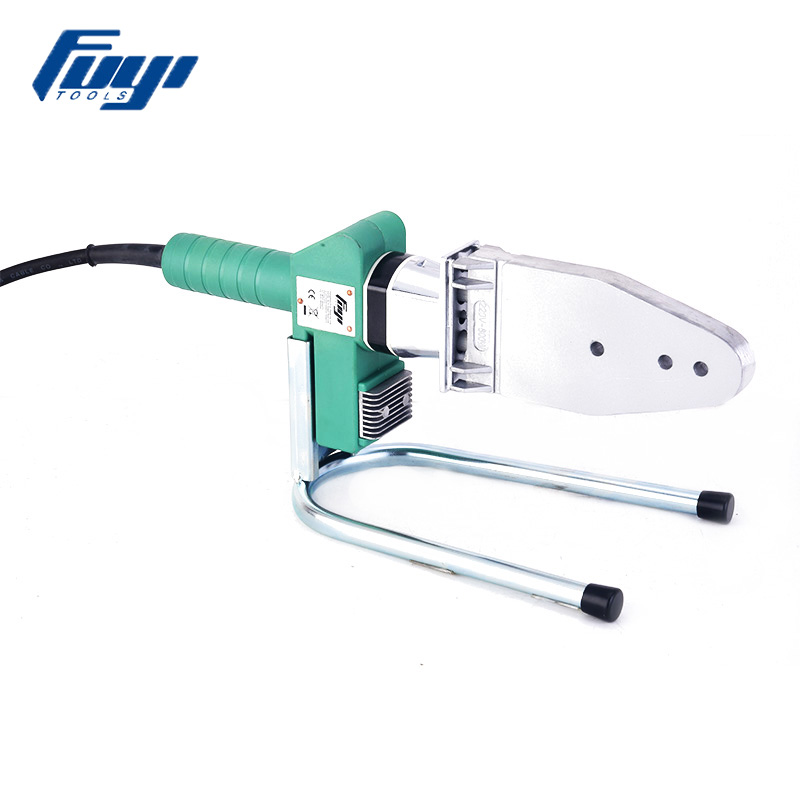
In the critical infrastructure sector, the integrity of pipe joints is the single most important factor in preventing catastrophic leaks and ensuring a service life exceeding 50 years. When it comes to joining High-Density Polyethylene (HDPE) and other thermoplastic pipes, the Electrofusion Welding Machine has emerged as the industry standard, especially for high-pressure gas distribution and municipal water networks. Unlike traditional mechanical fittings or butt fusion methods, electrofusion offers a unique combination of structural reliability, ease of operation in tight spaces, and the digital traceability that modern engineering standards demand. This technology ensures that the joint becomes the strongest part of the pipeline system.
The primary reason why an Electrofusion Welding Machine is preferred lies in the molecular physics of the bond it creates. The process involves a specialized fitting—typically a coupler, tee, or elbow—that contains an integrated electrical heating coil. When the machine supplies a precisely controlled current to these coils, the polymer surfaces of both the pipe and the fitting melt and fuse together. As the material expands during the heating phase, it creates high internal pressure, resulting in a homogenous fusion zone that is often more resilient than the pipe wall itself.
For gas pipelines where safety is the absolute priority, the reinforced nature of an electrofusion joint is indispensable.
One of the greatest engineering advantages of electrofusion is its ability to be performed in confined spaces where large machinery cannot reach.
In the era of “Smart Cities” and rigorous utility regulation, the ability to prove that every joint was executed correctly is a mandatory requirement for government and municipal contracts. Modern Electrofusion Welding Machines are no longer simple power sources; they have evolved into advanced data management centers that eliminate human error and provide long-term quality assurance.
The margin for error in high-pressure gas pipeline construction is zero. To ensure perfect execution, professional Electrofusion Welding Machines utilize optical barcode scanning technology.
Every weld performed by a modern Electrofusion Welding Machine is captured in its internal non-volatile memory. This creates a permanent digital record that is essential for modern asset management.
The following table provides a technical breakdown of why electrofusion is often the preferred choice for complex municipal and high-pressure industrial pipeline projects.
| Feature / Metric | Electrofusion Welding Machine | Butt Fusion Machine |
|---|---|---|
| Joint Construction | Reinforced (Fitting Overlap) | End-to-End (Flush) |
| Equipment Portability | Extremely High (Handheld/Portable) | Low (Heavy Clamping Frames) |
| Confined Space Usage | Excellent (Ideal for Repairs) | Poor (Requires Large Trench) |
| Automation Level | Full (Barcode Controlled) | Partial (Operator Dependent) |
| Data Traceability | Built-in Digital Logging | Manual or Optional Logger |
| Human Error Risk | Near Zero (Automated Cycles) | Moderate (Pressure/Time Manual) |
| Trenchless Support | Highly Compatible | Limited Compatibility |
While the fusion process itself occurs inside the fitting, the electrical components of the Electrofusion Welding Machine and the pipe surfaces must be kept dry. Moisture is the primary cause of weld failure, as it can turn into steam and create voids in the fusion zone. Technicians should always use a welding tent to protect the equipment and ensure the pipe ends are wiped clean and dry before starting the cycle.
Polyethylene pipes develop a microscopic oxidation layer when exposed to the atmosphere. This oxidized “skin” has a different melting point and will prevent proper molecular fusion. Even the most advanced Electrofusion Welding Machine cannot compensate for poor surface preparation. A mechanical scraper must be used to remove approximately 0.2mm of the outer pipe surface immediately before welding.
Modern machines provide a “Fusion Successful” message on the display after the cooling phase. Additionally, most electrofusion fittings feature “melt indicators”—small plastic pins that pop up when the internal pressure and temperature have reached the correct levels. However, the most reliable indicator is the digital data log generated by the machine.
Yes, most Electrofusion Welding Machines are universal. As long as the fittings follow the standard 40V (or occasionally 8V) electrical protocol and include a standard barcode, a universal machine can scan and execute the weld perfectly, regardless of the pipe or fitting manufacturer.
Copyright © 2024 Hangzhou Fuyi Tools Co., Ltd. All Rights Reserved.
|