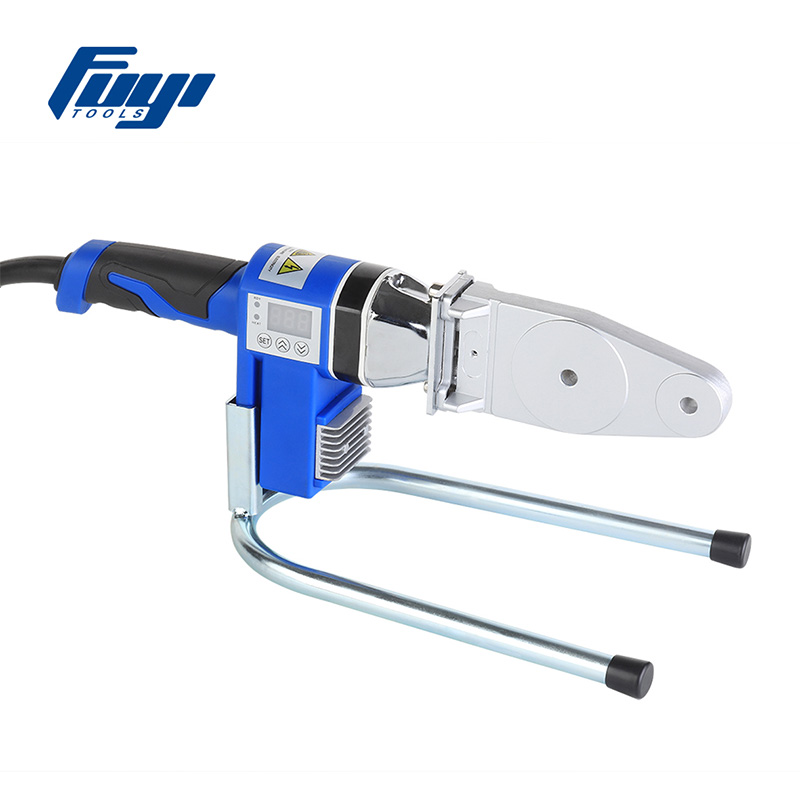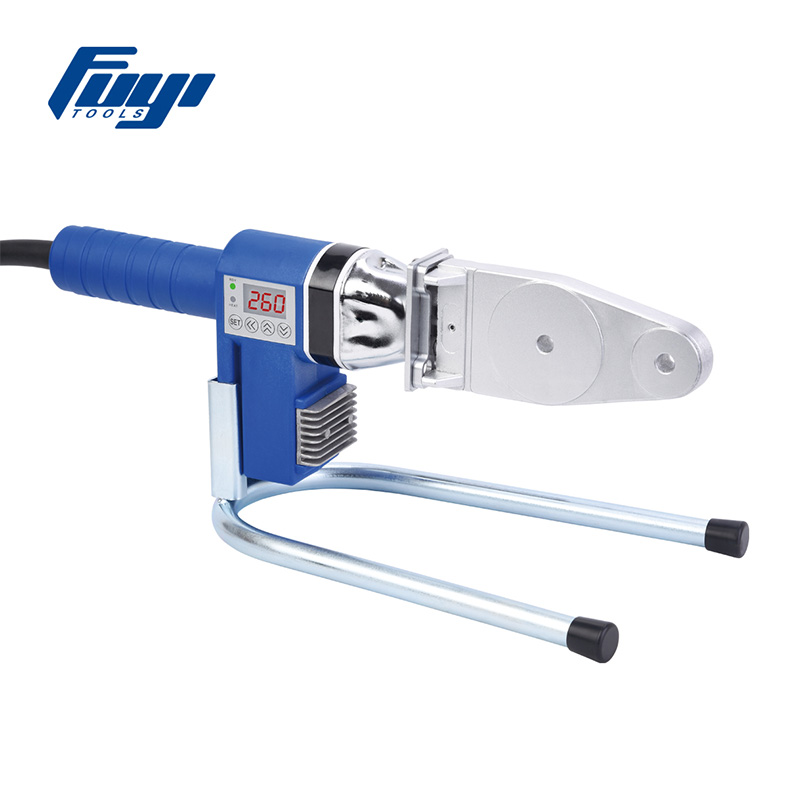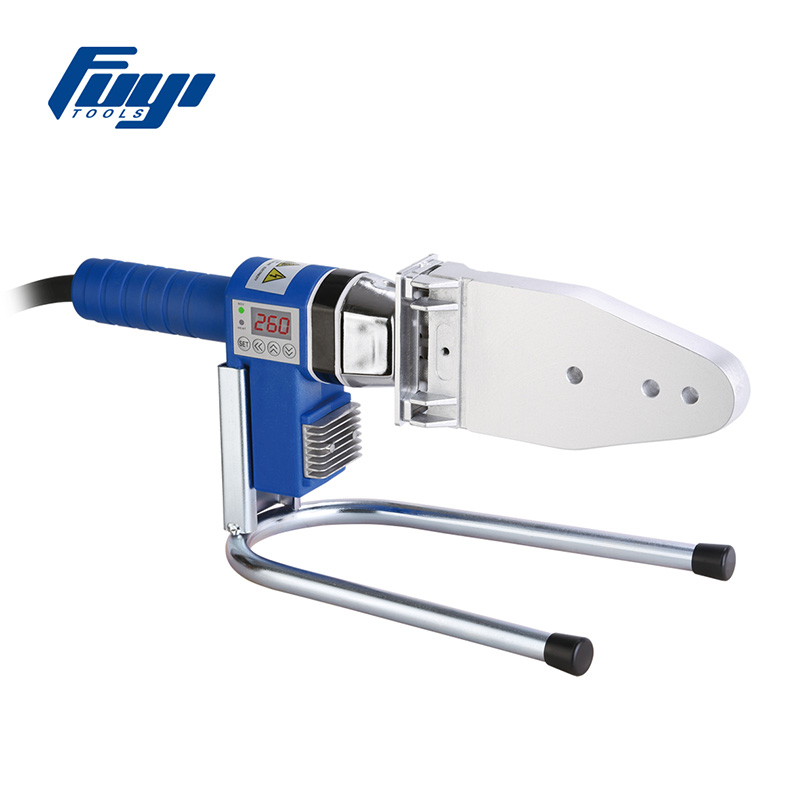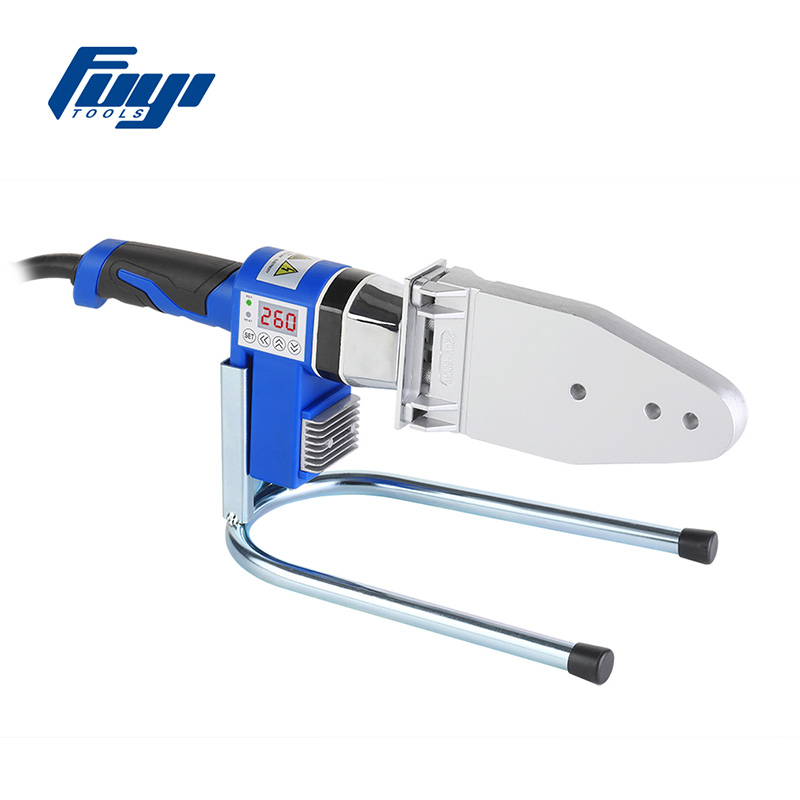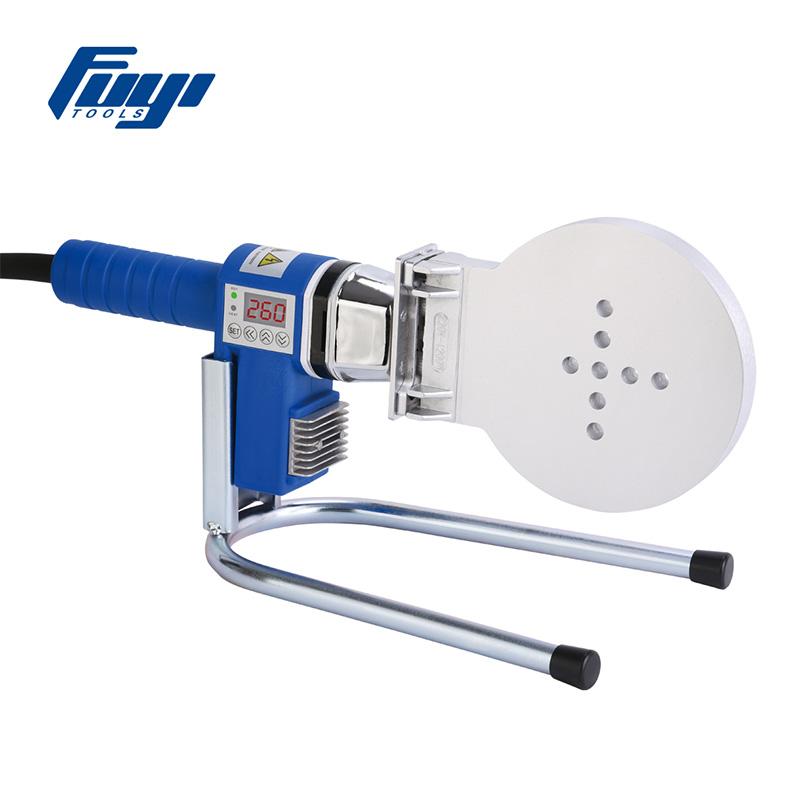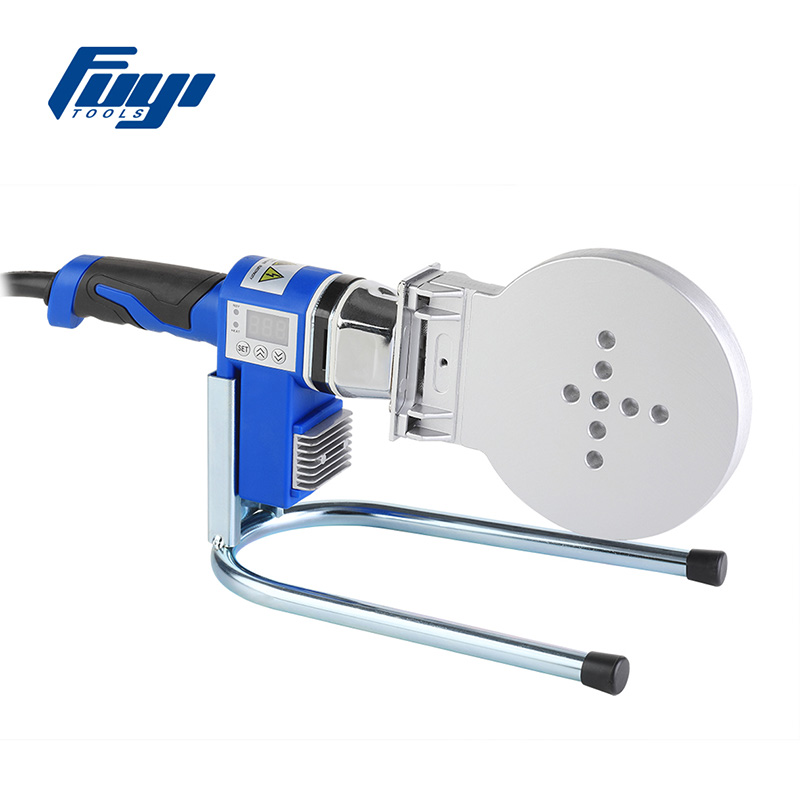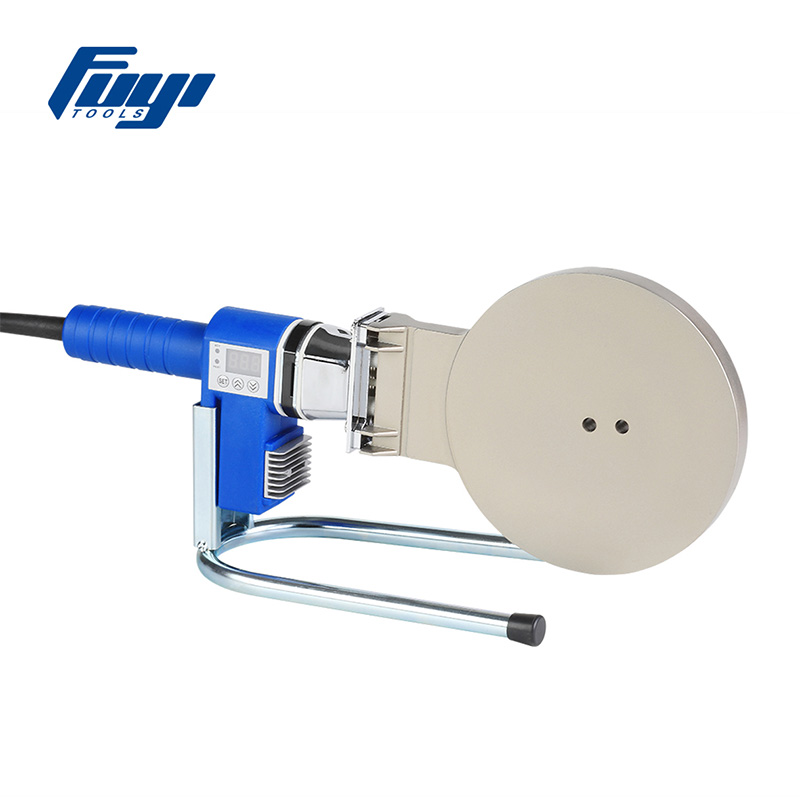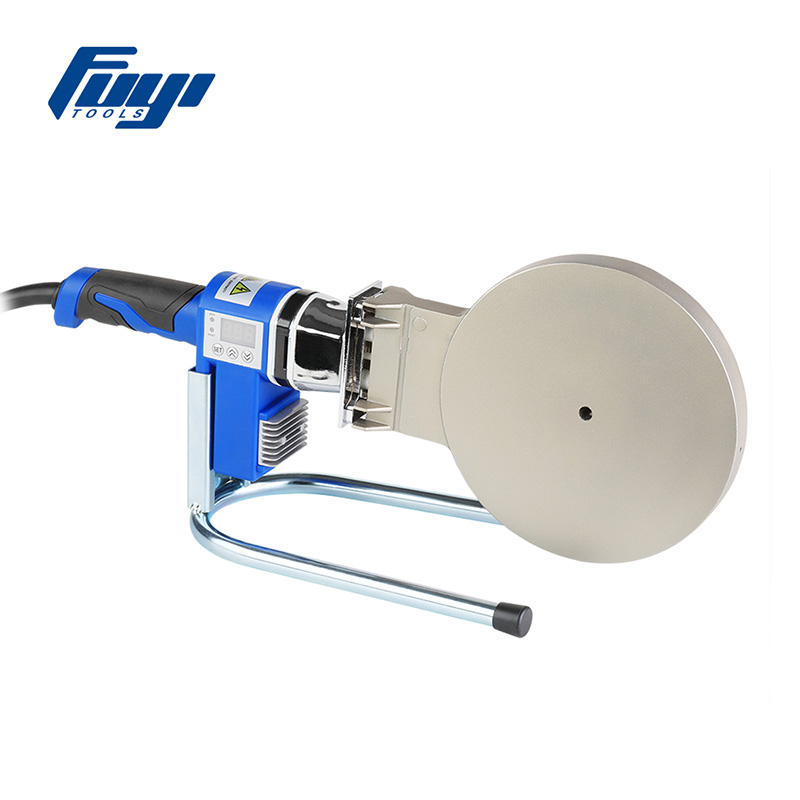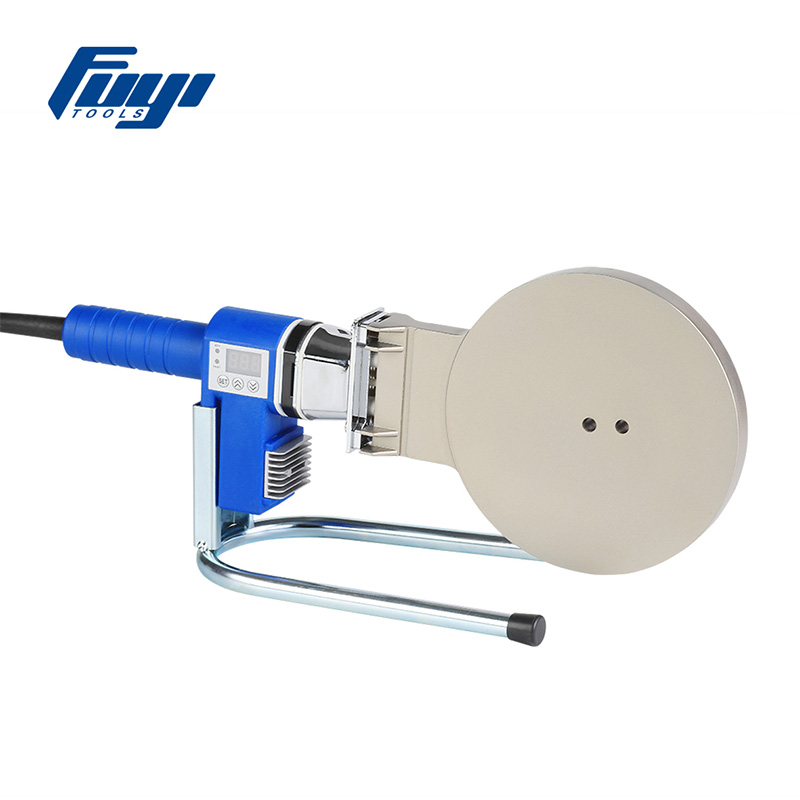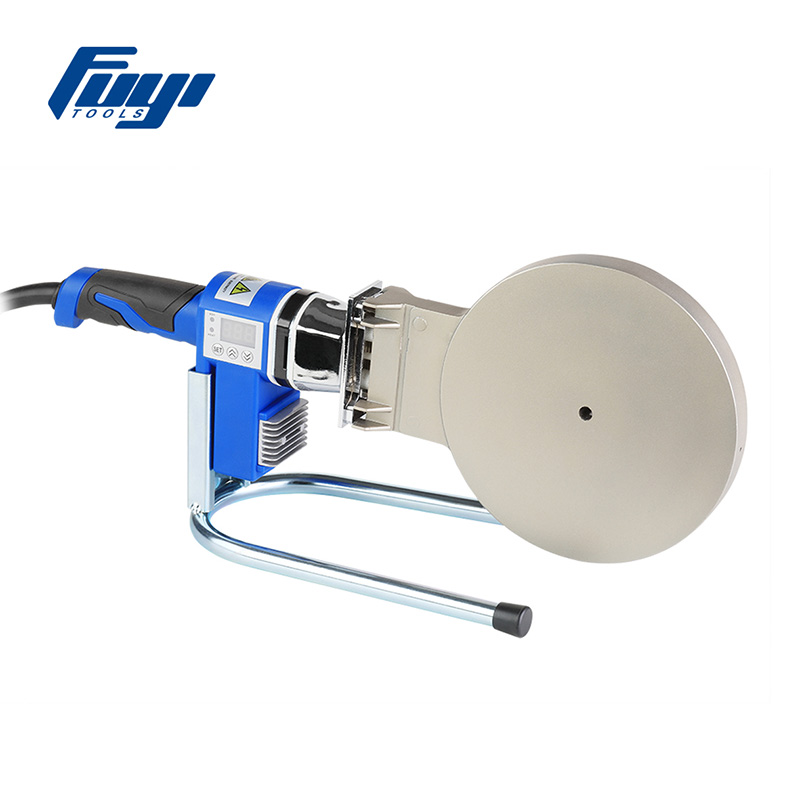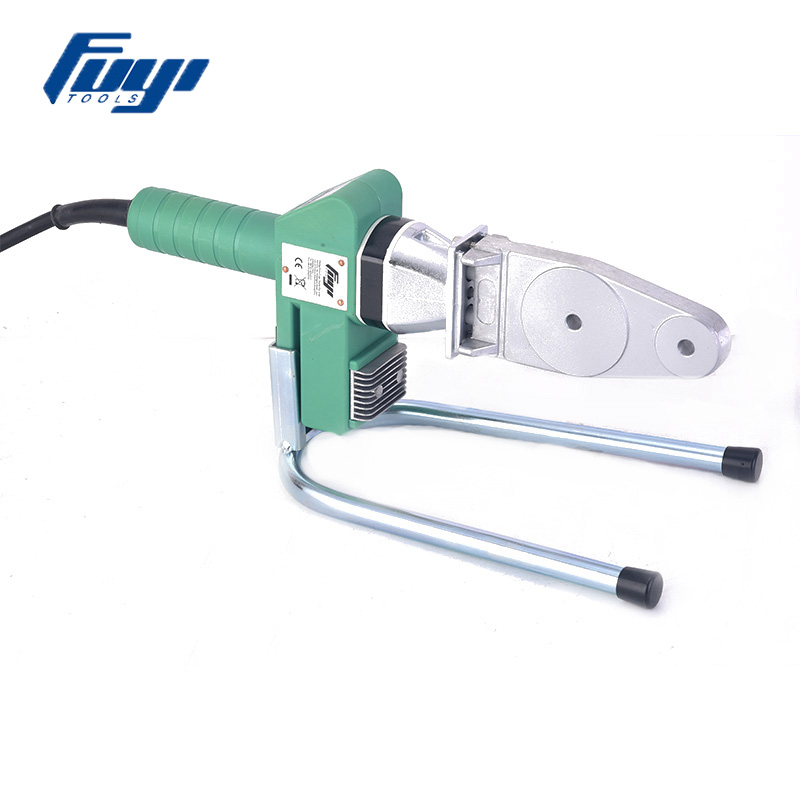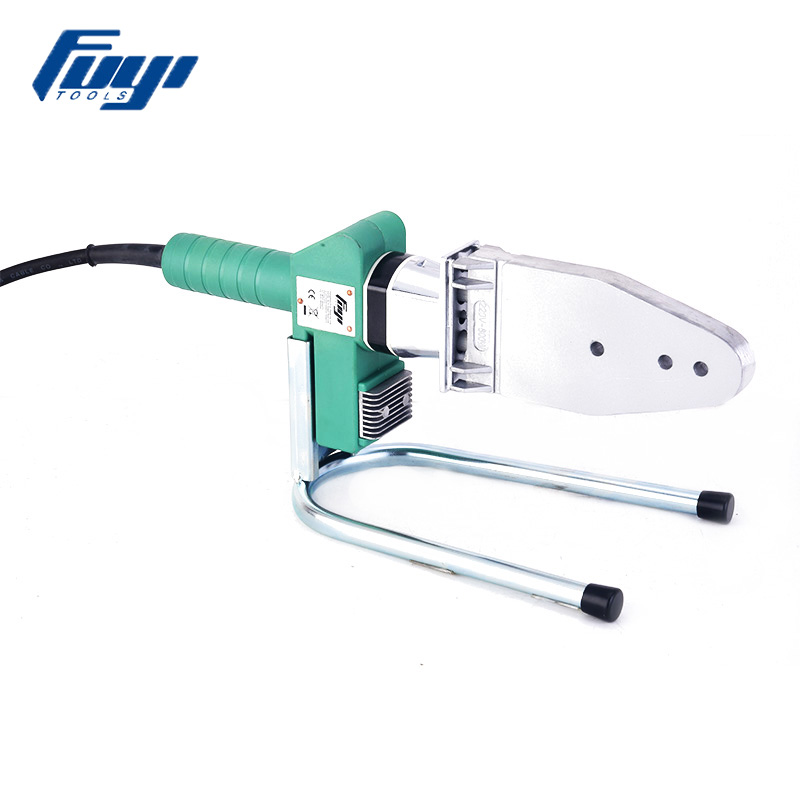
Electrofusion welding machines are essential equipment for joining HDPE and PE pipes in industries such as water supply, gas pipelines, sewage systems, and industrial applications. These machines offer precise control of heat and pressure, ensuring strong, reliable, and leak-proof joints. However, users often encounter operational challenges that can affect joint quality, machine performance, and overall safety. Understanding these common problems and applying proper solutions ensures long-term reliability, reduces maintenance costs, and improves installation efficiency.
Using an electrofusion welding machine incorrectly can result in weak pipe joints, leaks, or even pipe damage. Many problems stem from operator error, improper preparation, environmental factors, or equipment issues. Modern machines may include automatic welding programs, digital displays, and error detection, but proper training and maintenance are still essential for optimal performance. This article examines the most frequent issues when using electrofusion welding machines and provides practical solutions for each.
Weak or incomplete fusion joints are among the most common issues in electrofusion welding. They occur when the pipe surfaces are not prepared properly, the welding parameters are incorrect, or environmental conditions are unfavorable. Some typical causes include:
Weak fusion joints compromise the mechanical strength and leak resistance of pipelines, which may lead to pipeline failure or costly repairs.
To ensure proper fusion, operators should follow these steps:
Proper preparation and parameter settings allow the fusion joint to achieve maximum strength and prevent operational failures in water and gas distribution systems.
Overheating can damage both the pipe and the fitting, reducing joint strength and potentially causing leaks. Key causes include:
Preventing overheating requires attention to machine calibration and operating parameters:
By controlling temperature and heat exposure, operators can achieve consistent and durable fusion joints, minimizing the risk of pipe damage and leaks.
Electrofusion welding machines may stop unexpectedly or display error codes due to several factors:
These malfunctions can delay projects and compromise pipeline installation quality if not addressed promptly.
Proper maintenance and operation practices reduce machine errors:
Regular maintenance and proper handling ensure the electrofusion machine operates reliably over the long term.
Proper alignment is critical for strong fusion joints. Misalignment occurs when pipes or fittings are not positioned correctly before welding. Common causes include:
Misaligned joints reduce structural integrity and may cause leaks or mechanical failure in pipelines.
Proper alignment is essential for uniform heat distribution and joint strength in electrofusion systems.
External environmental conditions can impact electrofusion welding quality:
Maintaining proper environmental conditions helps achieve consistent fusion quality and prevents weak joints or failed welds.
Sometimes fusion problems result from defective pipes or fittings rather than operator error:
High-quality materials ensure long-term joint reliability and reduce the risk of pipeline failure.
Cooling is a critical step in electrofusion welding. Moving pipes or removing clamps too early can compromise joint strength. Causes include:
Proper cooling ensures maximum mechanical strength and leak resistance for pipelines.
| Problem | Causes | Solutions |
|---|---|---|
| Weak or incomplete fusion | Incorrect voltage, dirty or moist pipes, low temperature | Clean and scrape pipes, set proper parameters, maintain dry environment |
| Overheating or burned joints | Excessive heating, faulty machine, repeated fusion | Calibrate machine, follow manufacturer settings, avoid repeated welding |
| Machine errors | Battery issues, outdated software, poor electrode contact | Replace battery, update firmware, check connections |
| Misalignment | Improper measurement, pipe movement | Use clamps and alignment tools, verify compatibility |
| Environmental challenges | Extreme temperature, humidity, dust | Use controlled environment, tents, dry pipes |
| Defective materials | Pipe or fitting defects, incompatible material | Use certified PE materials, inspect before welding |
| Improper cooling | Removing clamps too early, moving pipes | Allow full cooling, keep clamps in place, avoid stress |
Can the same electrofusion machine be used for different pipe diameters?
Yes, modern machines often support multiple pipe diameters. Operators must adjust voltage, current, and heating time according to manufacturer specifications.
How do I know if a fusion joint is strong?
A properly fused joint will have a uniform bead, no cracks or gaps, and may require pressure testing for quality verification.
What is the recommended cooling time?
Cooling times vary with pipe diameter and material, usually 5 to 30 minutes. The joint must remain clamped and undisturbed during cooling.
Can environmental temperature affect welding quality?
Yes. Cold or hot conditions can reduce joint strength. Using temporary shelters or heating tents helps maintain proper welding conditions.
Are stainless steel electrodes better than standard steel?
Stainless steel provides better corrosion resistance, making it ideal for outdoor, humid, or industrial applications.
Copyright © 2024 Hangzhou Fuyi Tools Co., Ltd. All Rights Reserved.
|