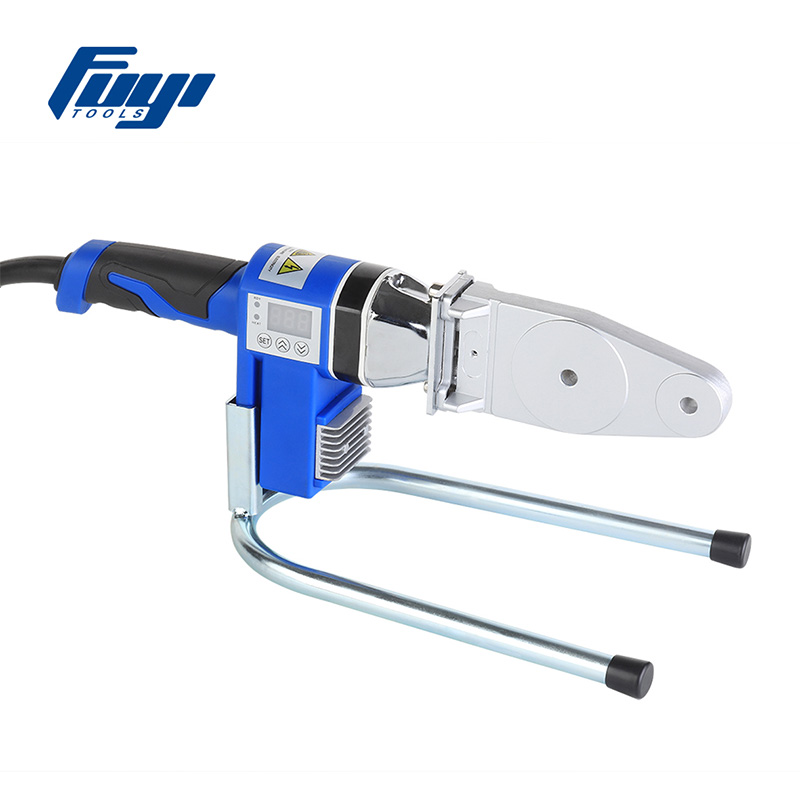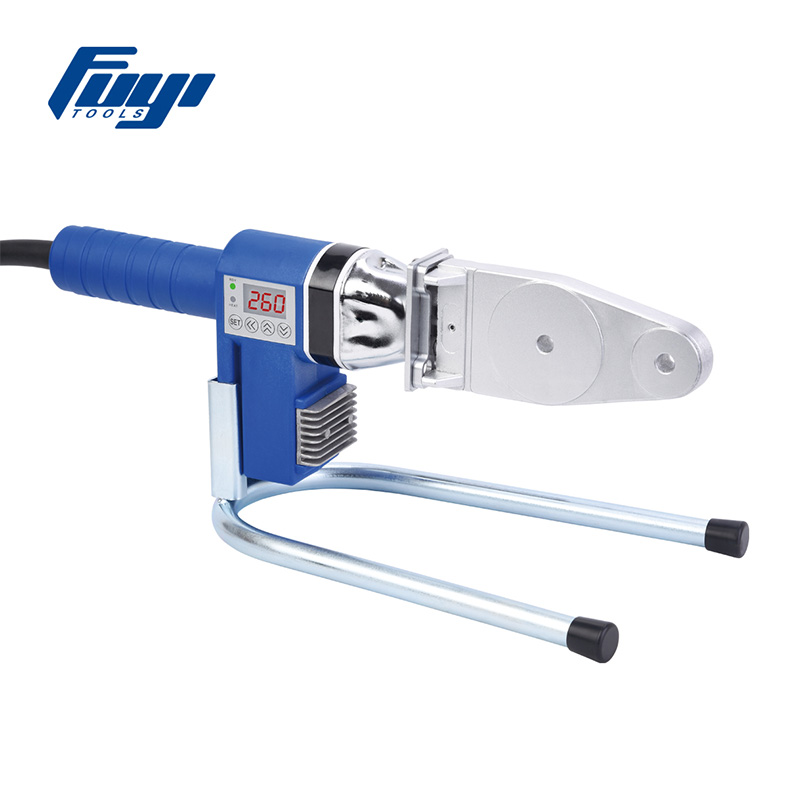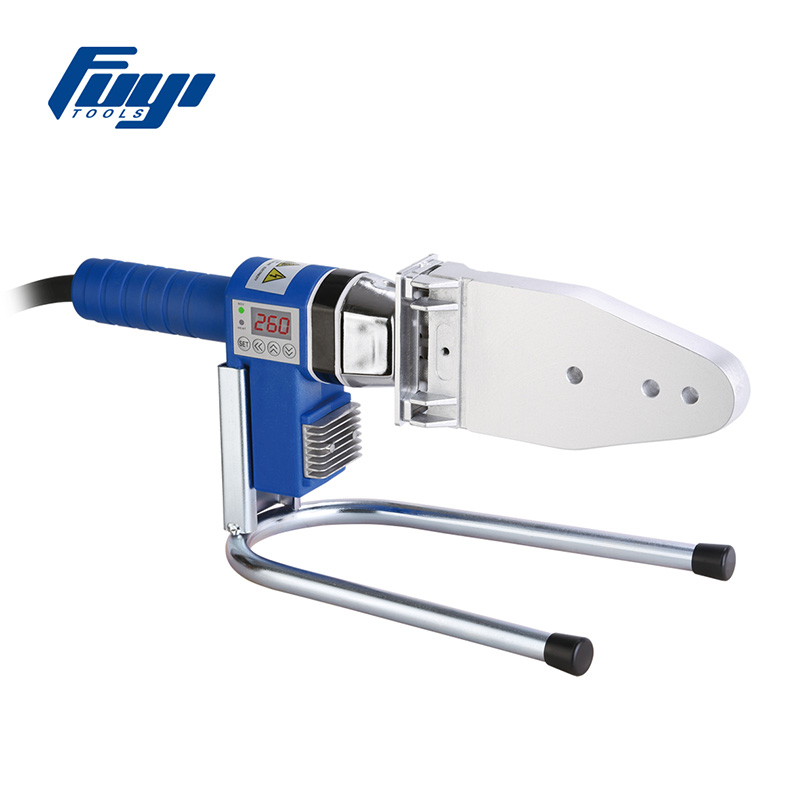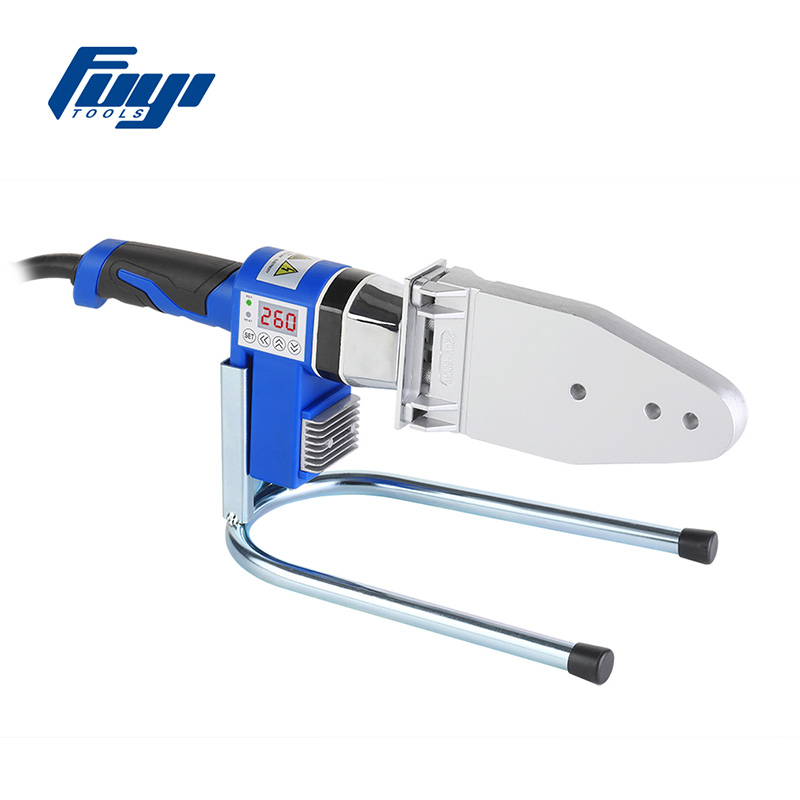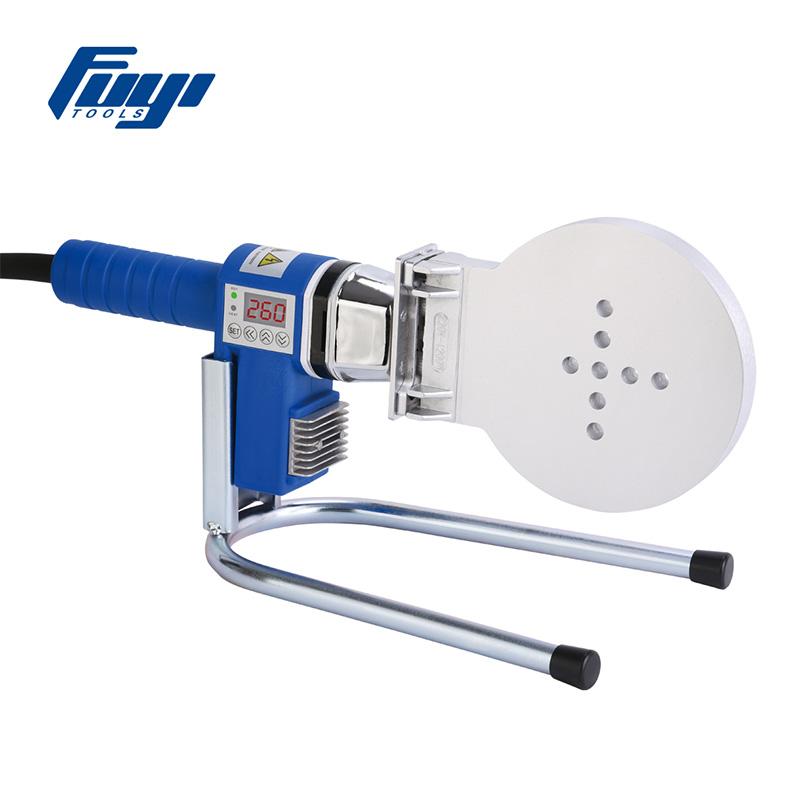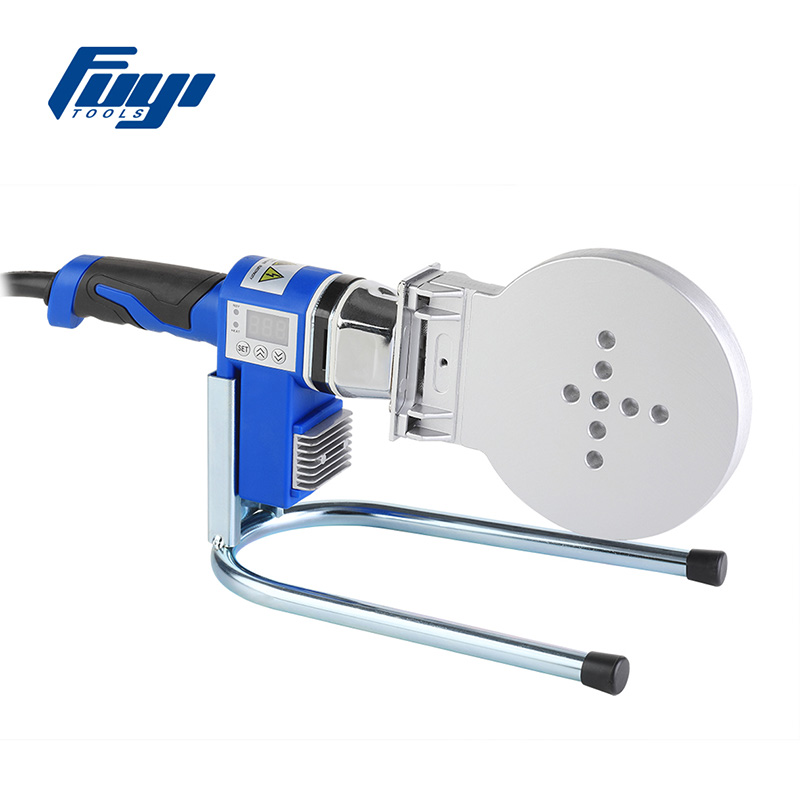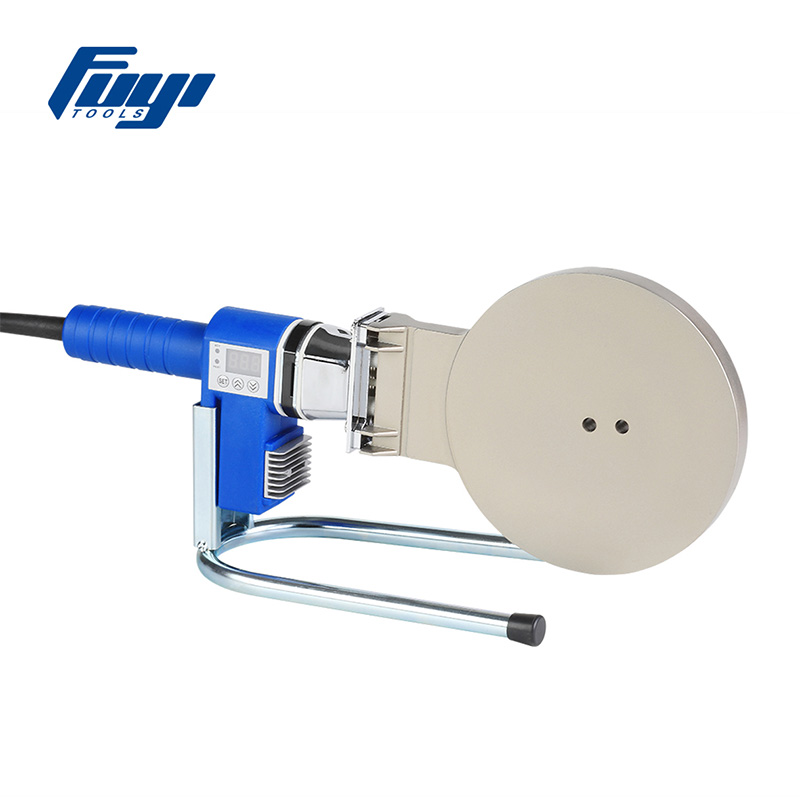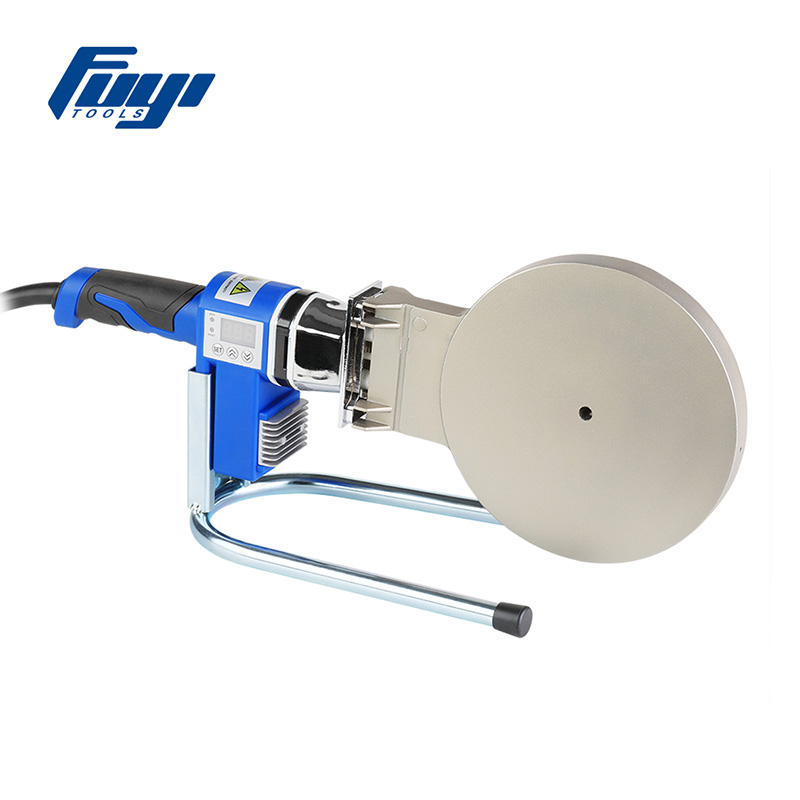
An electrofusion welding machine is a specialized electrical device used to join polyethylene (PE), polypropylene (PP), and other thermoplastic pipes by melting embedded resistance wire coils inside electrofusion fittings. The machine supplies a controlled electric current to the fitting's coil, generating heat that fuses the fitting and pipe surfaces into a single homogeneous joint. This process is widely used in gas distribution, water supply, mining, and industrial piping systems because it produces leak-proof, high-strength connections without requiring open flame or mechanical clamping alone.
In short: an electrofusion machine reads the barcode or resistance data on a fitting, calculates the correct voltage, current, and fusion time, then delivers precise electrical energy to melt the joint from the inside out. The result is a permanent, pressure-rated bond that is often stronger than the pipe itself when done correctly.
The electrofusion process follows a consistent sequence regardless of pipe size or fitting type. Understanding each stage helps operators avoid weak joints caused by contamination, misalignment, or incorrect power input.
Most modern machines complete the fusion cycle in 30 seconds to 5 minutes, depending on pipe diameter and wall thickness, while cooling times can range from 10 to 60 minutes for larger diameter fittings before the joint can bear pressure.
Electrofusion equipment and procedures are governed by internationally recognized standards to ensure joint integrity, especially for gas and potable water pipelines where failure risks are significant.
| Standard | Region/Scope | Focus Area |
|---|---|---|
| ISO 12176-2 | International | Equipment requirements for electrofusion machines |
| ISO 13950 | International | Electrofusion assemblies for thermoplastics |
| ASTM F1290 | United States | Electrofusion joining procedure for PE pipe |
| EN 12201-3 | Europe | PE piping systems for water supply |
| AS/NZS 4131 | Australia/New Zealand | Polyethylene compression and electrofusion fittings |
For gas pipeline work in particular, many utilities require operators to hold a valid procedure qualification certificate renewed every 12 to 24 months, in addition to using machines that comply with ISO 12176-2 traceability logging requirements.
Electrofusion machines vary in complexity, but nearly all share a core set of components that determine performance and traceability.
Machines are generally grouped by input method and output capacity. Manual input machines require operators to enter voltage and time by hand, which is being phased out in many regulated industries due to higher error risk. Barcode-controlled machines automatically set parameters from the fitting label, significantly reducing joint failure rates. GPS and cloud-connected machines add location tagging and automatic cloud upload of weld records, which is increasingly required by utility companies for compliance audits.
When comparing machines from different manufacturers, focus on the specifications that directly affect weld quality and jobsite efficiency.
| Machine Class | Output Range | Pipe Diameter | Typical Weight |
|---|---|---|---|
| Small-diameter portable | 8V–39.5V, up to 50A | 20mm–160mm | 5–10 kg |
| Mid-range industrial | 8V–48V, up to 80A | 20mm–630mm | 10–18 kg |
| Heavy-duty/large diameter | 8V–48V, up to 100A+ | 20mm–1200mm | 18–30 kg |
Beyond raw power output, check the input voltage tolerance (good machines tolerate 175V–265V fluctuation for generator use), the IP rating for dust and water resistance (IP54 or higher is preferred for outdoor use), and the size of the internal memory for storing weld records, which is often between 2,000 and 10,000 logs.
Selecting the correct machine depends less on brand reputation and more on matching capability to your actual jobsite requirements. Consider the following factors before purchasing.
For contractors handling mostly residential water connections under 110mm, a compact portable unit under 10 kg is usually sufficient and reduces operator fatigue. For gas utility contractors working on transmission mains up to 630mm or larger, investing in a heavy-duty unit with full data logging is essential to meet compliance audits and avoid rework costs, which can run into thousands of dollars if a joint fails inspection.
Electrofusion machines are used across several industries where thermoplastic piping offers corrosion resistance and long service life.
Even a high-quality machine will produce weak joints if operators skip basic preparation steps or ignore maintenance schedules. The most frequent causes of electrofusion joint failure are not equipment defects but avoidable procedural errors.
Routine maintenance should include cleaning output clamps after every use to prevent corrosion-related resistance, inspecting cables for cracks before each shift, and sending the unit for factory calibration at least once a year or after any drop or impact. Machines that log fusion data automatically make it far easier to identify a pattern of failed joints early, before they become a large-scale rework problem in the field.
Copyright © 2024 Hangzhou Fuyi Tools Co., Ltd. All Rights Reserved.
|