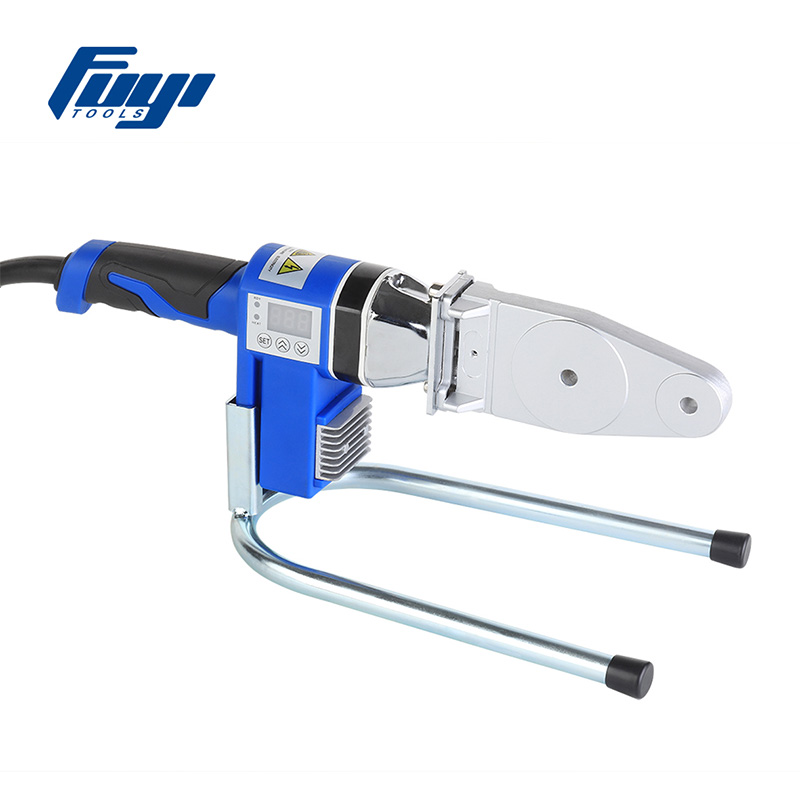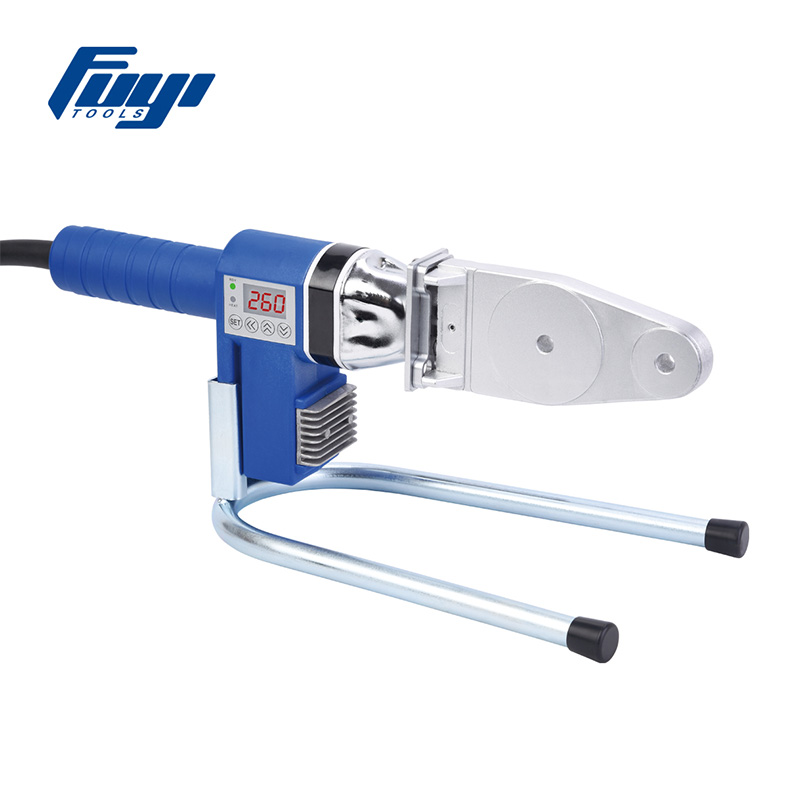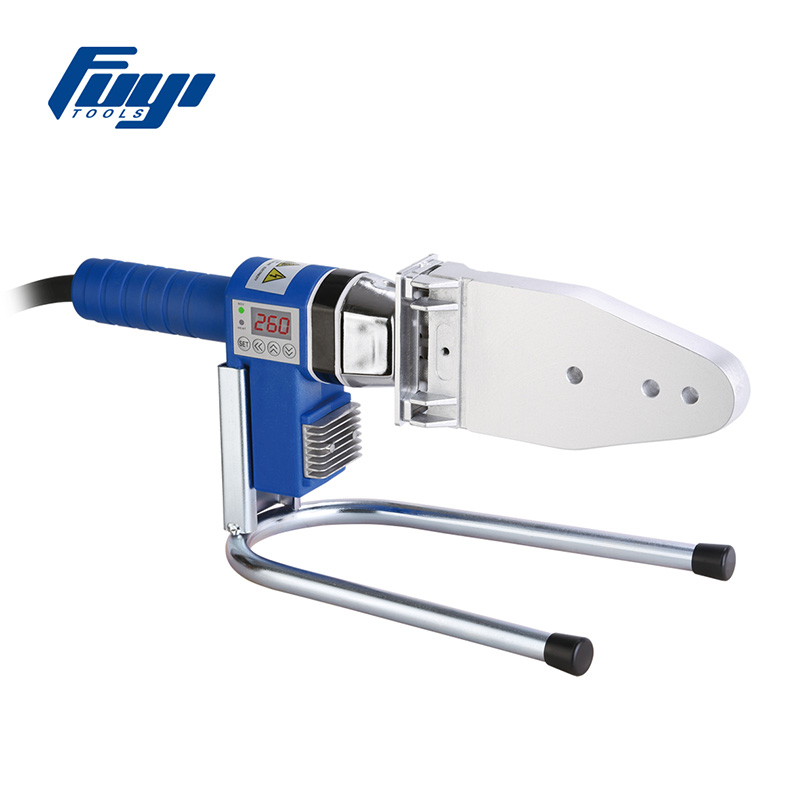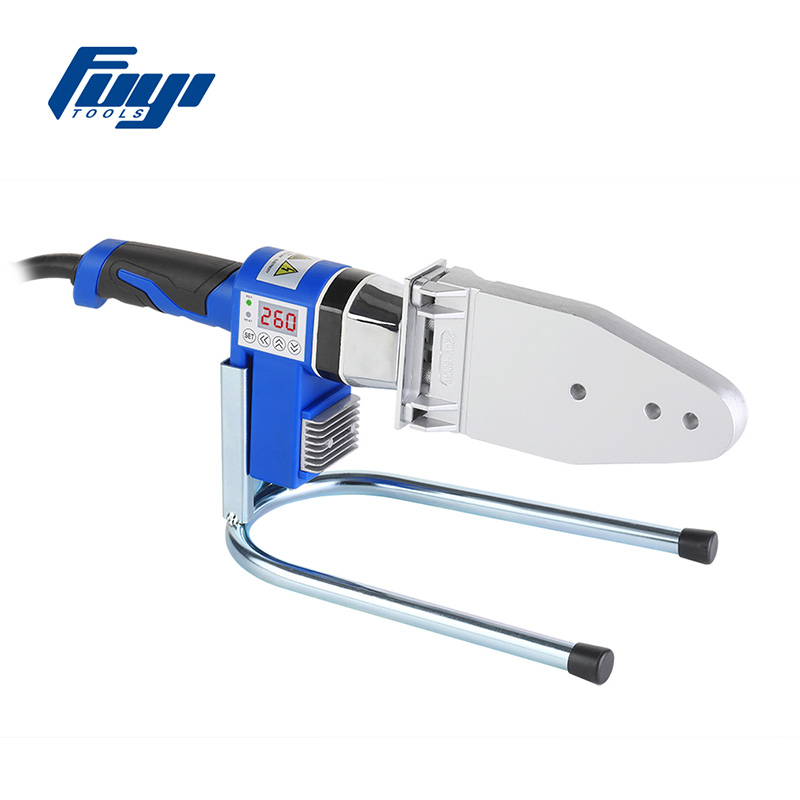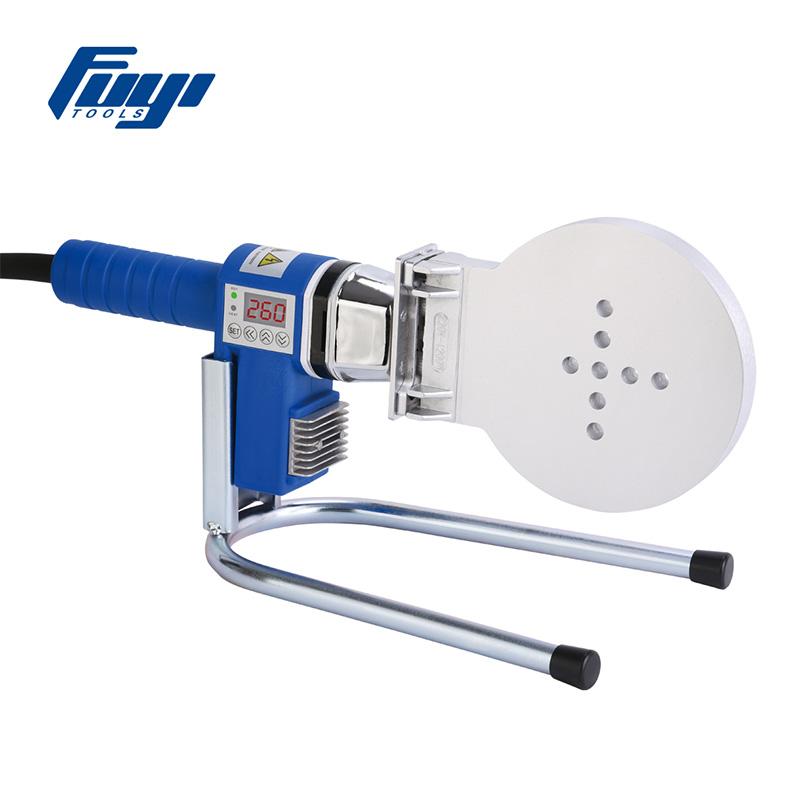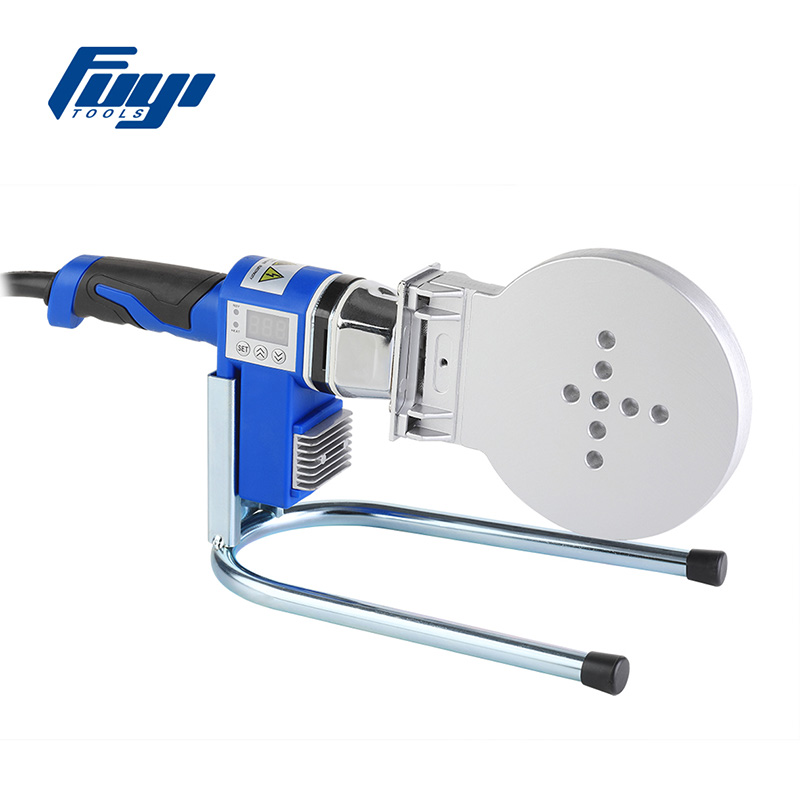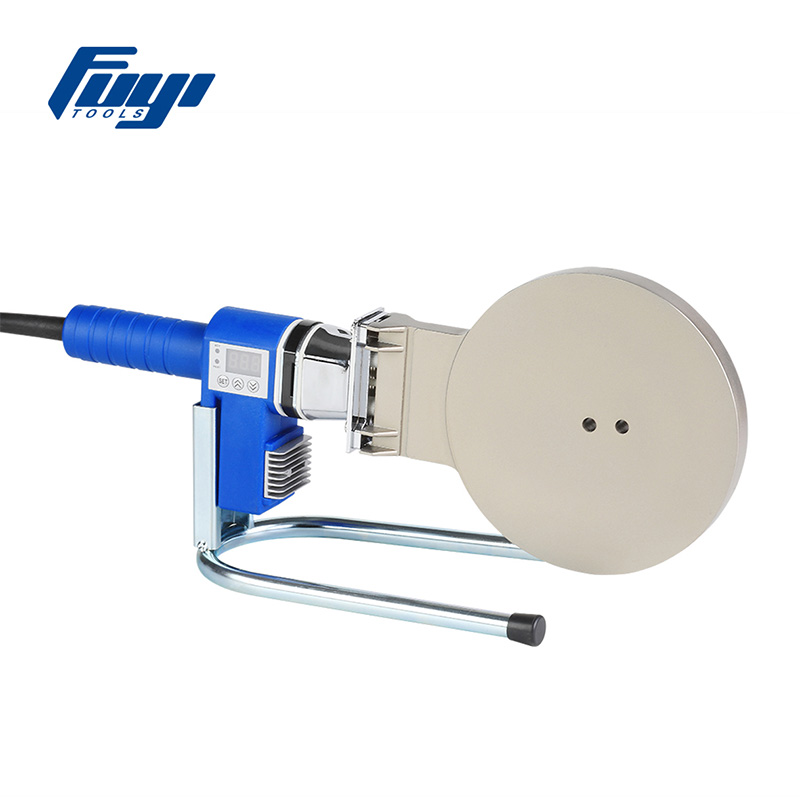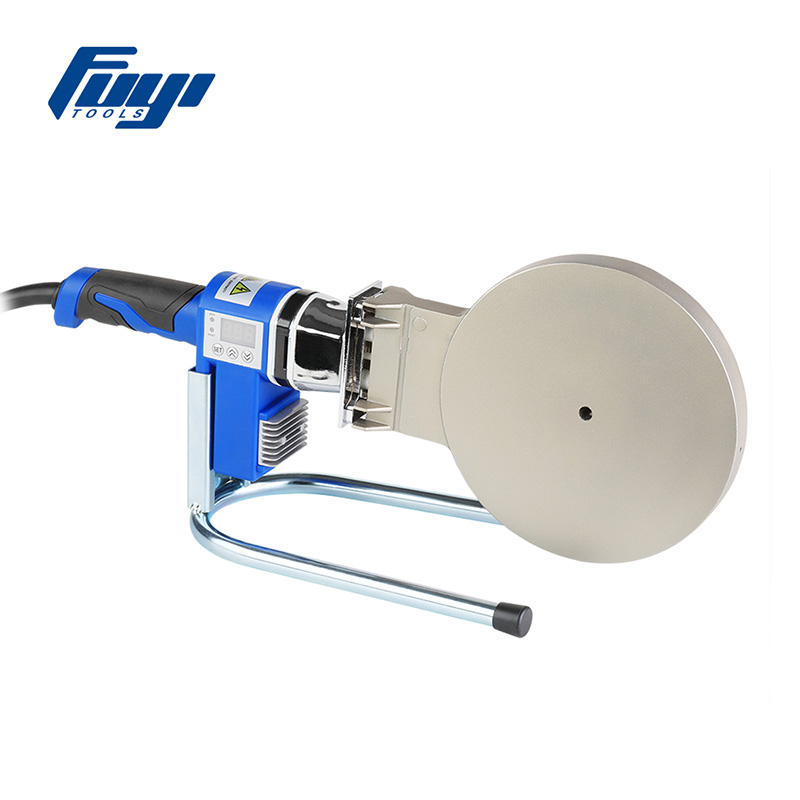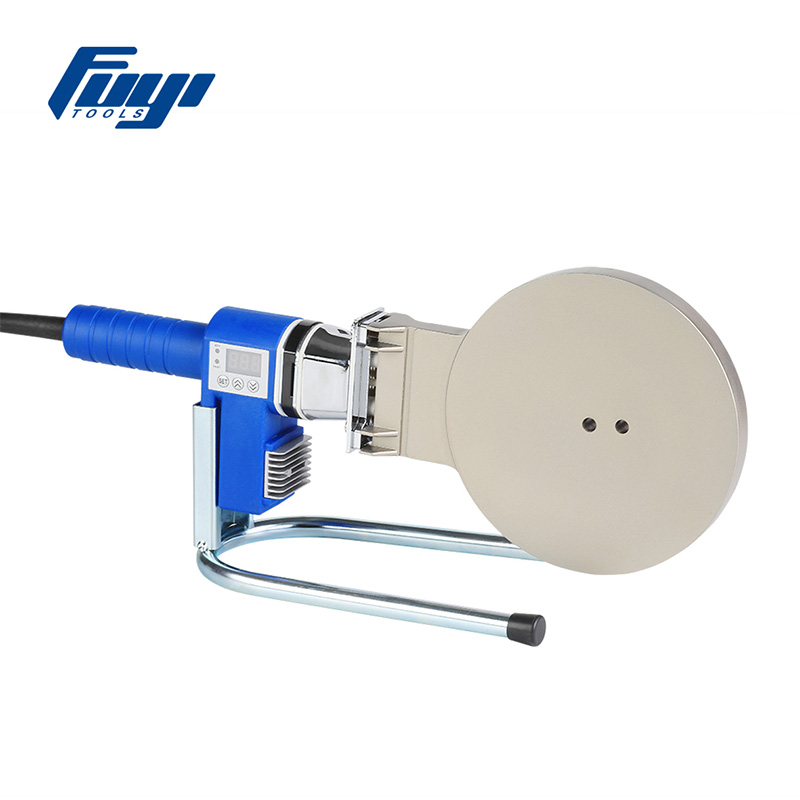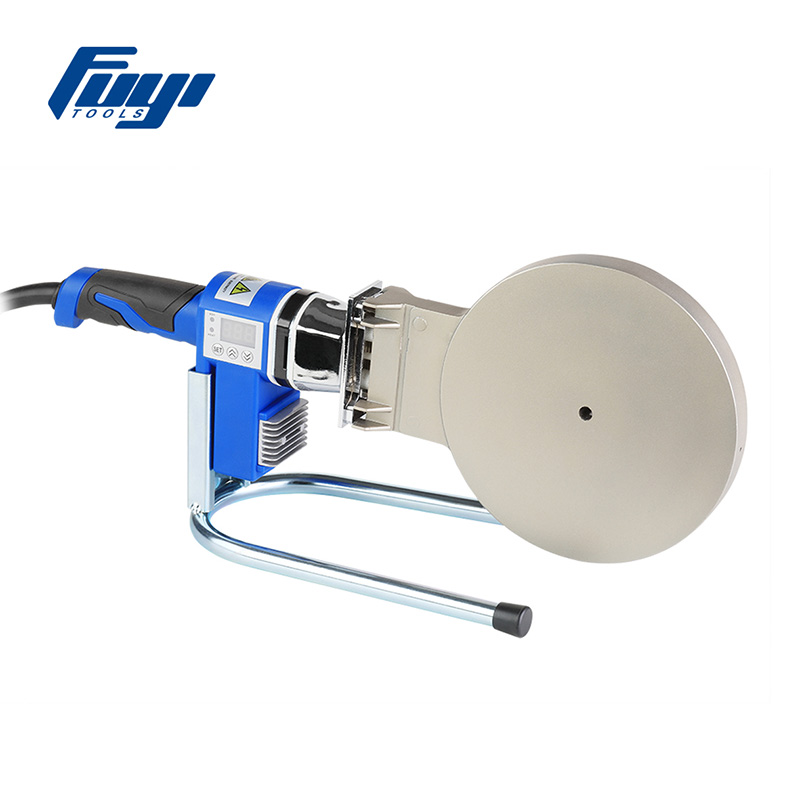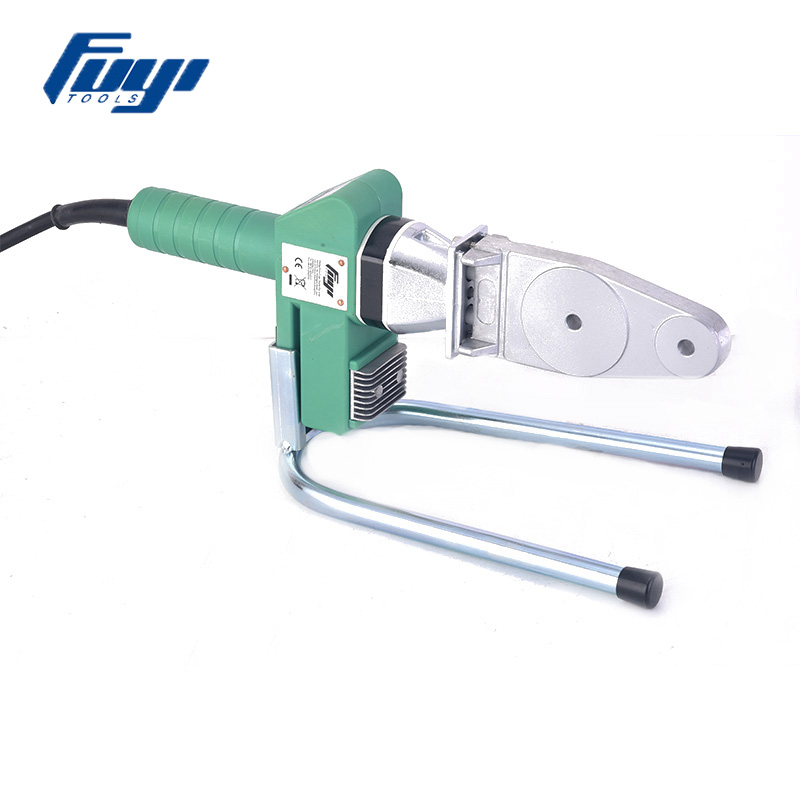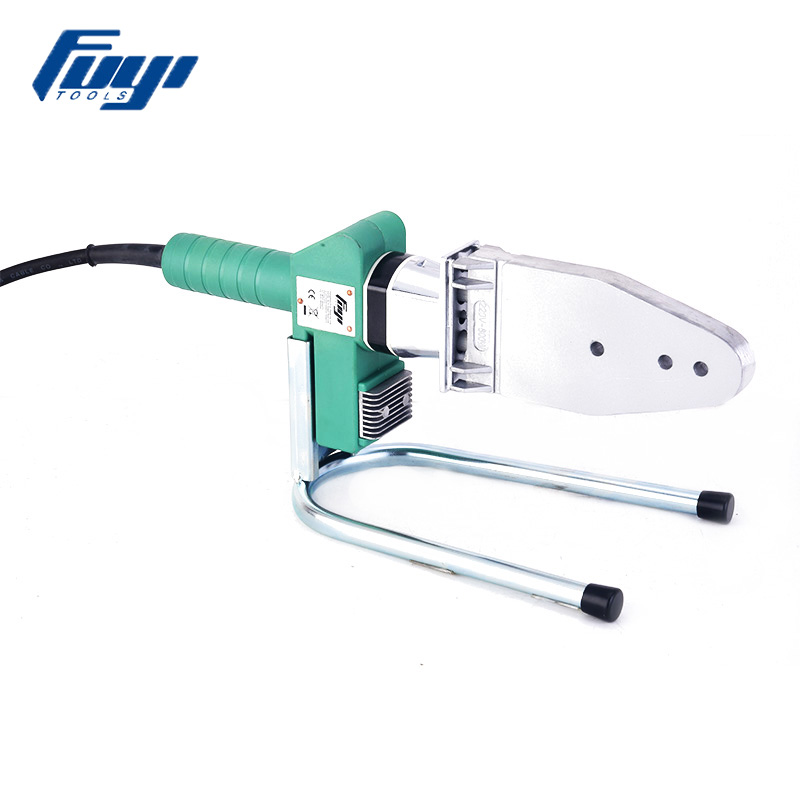
A socket fusion welding machine is a heating and clamping device used to join thermoplastic pipes and fittings — typically PE, PP, or PVDF — by simultaneously melting the outer surface of the pipe and the inner surface of the fitting socket, then pressing them together to cool into a single fused joint. Unlike electrofusion, which relies on embedded resistance wire, socket fusion uses direct contact heat from a heated plate (often called a "heater iron") to soften the plastic before assembly.
In short: a socket fusion machine clamps the pipe and fitting, heats both mating surfaces on a heater plate to a target temperature (commonly 190°C–260°C depending on material), then presses them together and holds the joint under pressure until it cools. This creates a homogeneous, monolithic joint that is typically as strong as the pipe wall itself, and it is one of the most common jointing methods for pipe sizes up to 125mm.
Socket fusion welding follows a tightly controlled sequence of heating, joining, and cooling. Because the process depends on precise timing and temperature, most machines use a mechanical or hydraulic clamping system to keep alignment consistent throughout the cycle.
Heat soak times typically range from 4 to 50 seconds depending on pipe diameter, while total cooling time before handling can range from 2 to 30 minutes for larger fittings. Rushing the transfer between heating and joining — generally required to happen in under 3–5 seconds — is one of the most common causes of joint failure.
Socket fusion welding is governed by recognized standards that define both equipment performance and joining procedure, particularly for pressure piping used in water supply, irrigation, and industrial fluid transport.
| Standard | Region/Scope | Focus Area |
|---|---|---|
| ISO 12176-3 | International | Equipment requirements for socket fusion machines |
| ASTM F2620 | United States | Heat fusion joining procedure for PE pipe and fittings |
| DVS 2207-1 | Germany/Europe | Heated tool welding of PE pipes and fittings |
| EN 12201-3 | Europe | PE piping systems for water supply |
| AS/NZS 4130 | Australia/New Zealand | Polyethylene pipes for pressure applications |
Many of these standards require heater plates to maintain surface temperature within ±5°C of the set point across the full contact area, since uneven heating is a leading cause of incomplete fusion.
Socket fusion machines range from simple handheld tools to fully hydraulic bench systems. Regardless of scale, most share the same core components.
Handheld socket fusion tools are used for small-diameter pipes, typically 20mm–63mm, and are common in plumbing and irrigation work. Bench-mounted manual machines add fixed clamps and depth stops for pipes up to 110mm, improving repeatability on job sites. Hydraulic or pneumatic bench machines handle larger diameters up to 125mm–160mm and are preferred for industrial and municipal projects where consistent joining pressure is critical to meeting quality standards.
When evaluating socket fusion machines, prioritize specifications that directly influence weld consistency and jobsite productivity.
| Machine Class | Heater Plate Power | Pipe Diameter | Clamping Type |
|---|---|---|---|
| Handheld portable | 300W–800W | 20mm–63mm | Manual insertion |
| Bench-mounted manual | 800W–1500W | 20mm–110mm | Fixed jaw clamps |
| Hydraulic/pneumatic bench | 1500W–3000W | 50mm–160mm | Hydraulic/pneumatic clamps |
Also check the temperature accuracy of the heater plate (look for controllers holding within ±2°C–5°C of the set point), the plate coating condition since worn PTFE coatings cause plastic to stick and tear during separation, and whether the machine includes digital timers for heat soak and cooling phases to reduce operator judgment error.
Choosing the right machine depends on the diameter range you work with most often, the volume of joints per day, and the level of process control your project or client requires.
For small plumbing or irrigation contractors working mostly with pipes under 63mm, a handheld unit under 2 kg offers good value and ease of transport. For municipal or industrial contractors handling pipes up to 160mm, a hydraulic bench machine with digital temperature and timer control is the better investment, since inconsistent manual pressure on larger diameters is a common cause of failed pressure tests.
Socket fusion is one of the most widely used jointing methods for smaller-diameter thermoplastic piping systems across several industries.
Socket fusion relies heavily on operator technique and machine condition. Even small deviations in temperature, timing, or alignment can produce joints that pass a visual check but fail under pressure.
Routine maintenance should include checking heater plate temperature with a calibrated surface thermometer at the start of each shift, inspecting the PTFE coating for scratches or buildup before use, and verifying clamp alignment periodically to ensure pipes and fittings remain coaxial during heating and joining. Machines used for critical infrastructure work should be recalibrated on a schedule defined by the applicable standard, often annually, to maintain certification and reduce the risk of costly joint failures during pressure testing.
Copyright © 2024 Hangzhou Fuyi Tools Co., Ltd. All Rights Reserved.
|