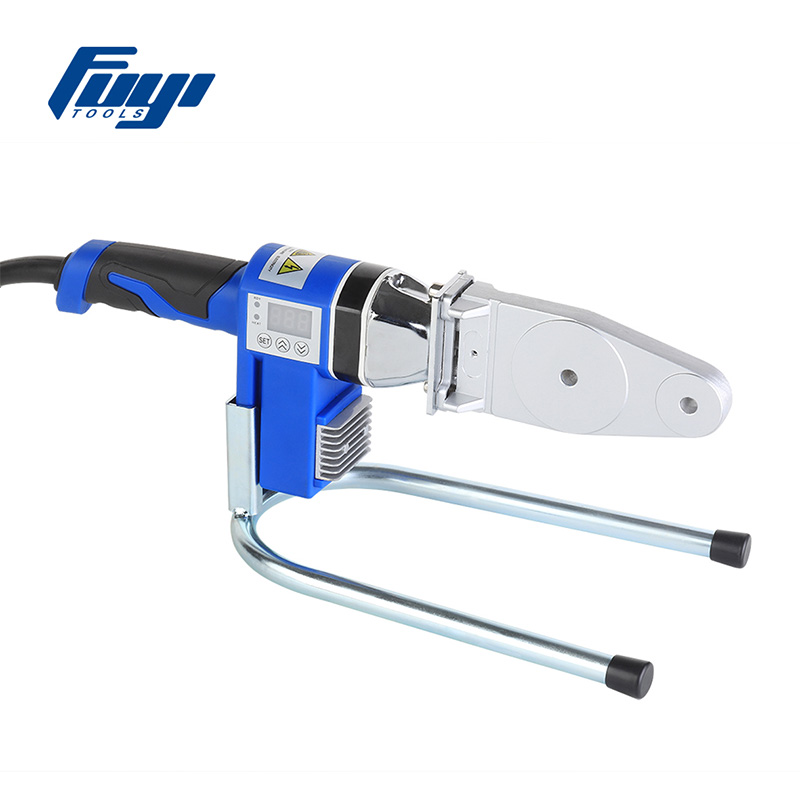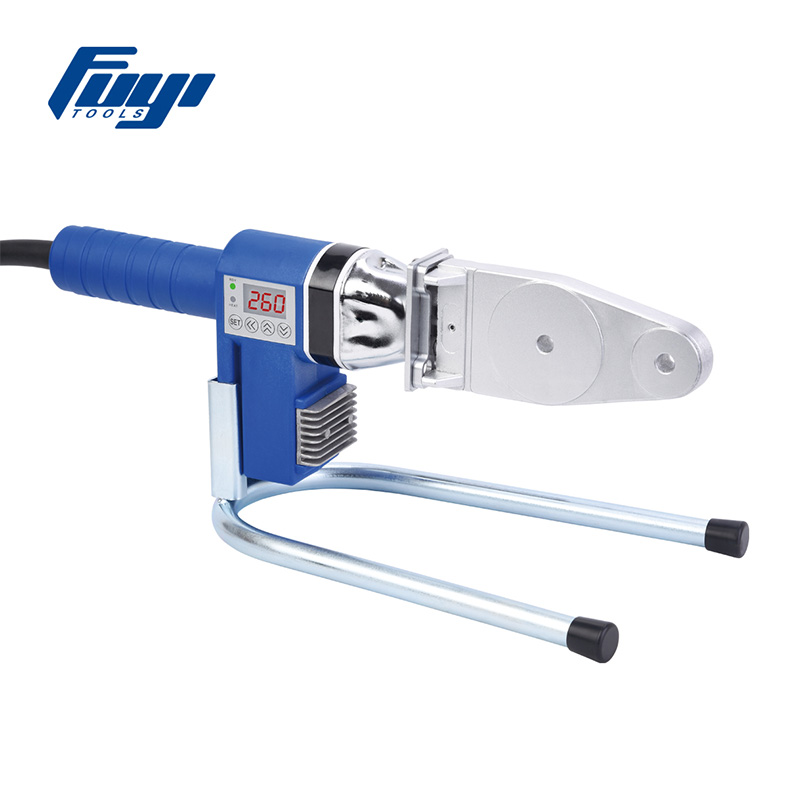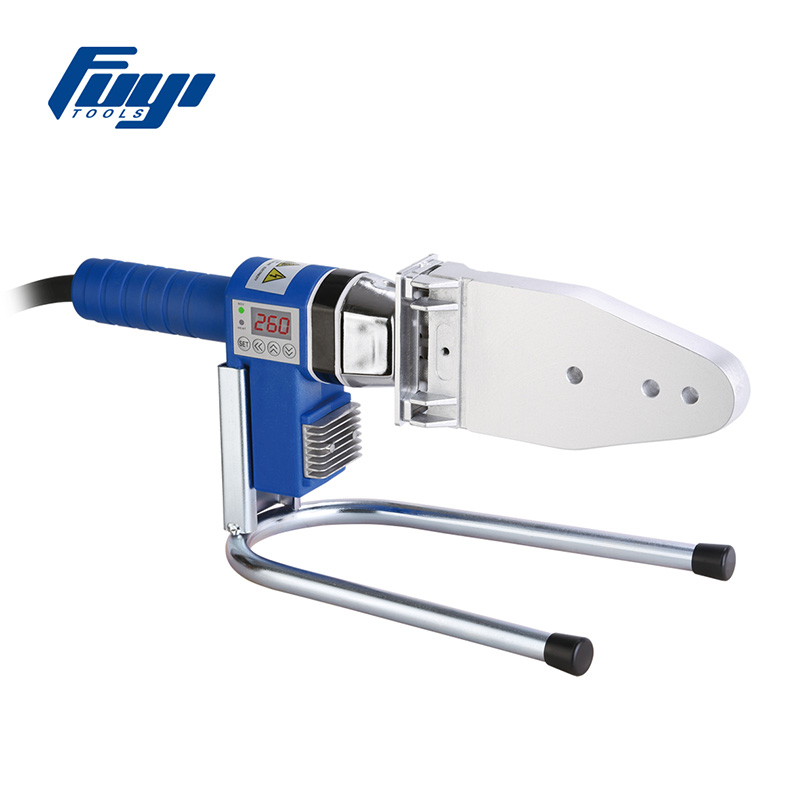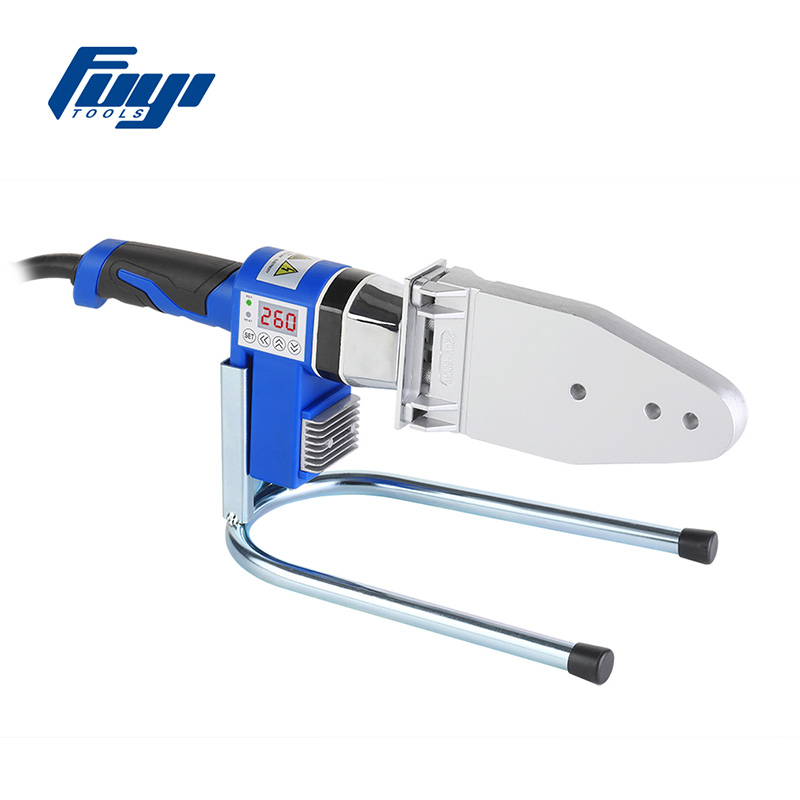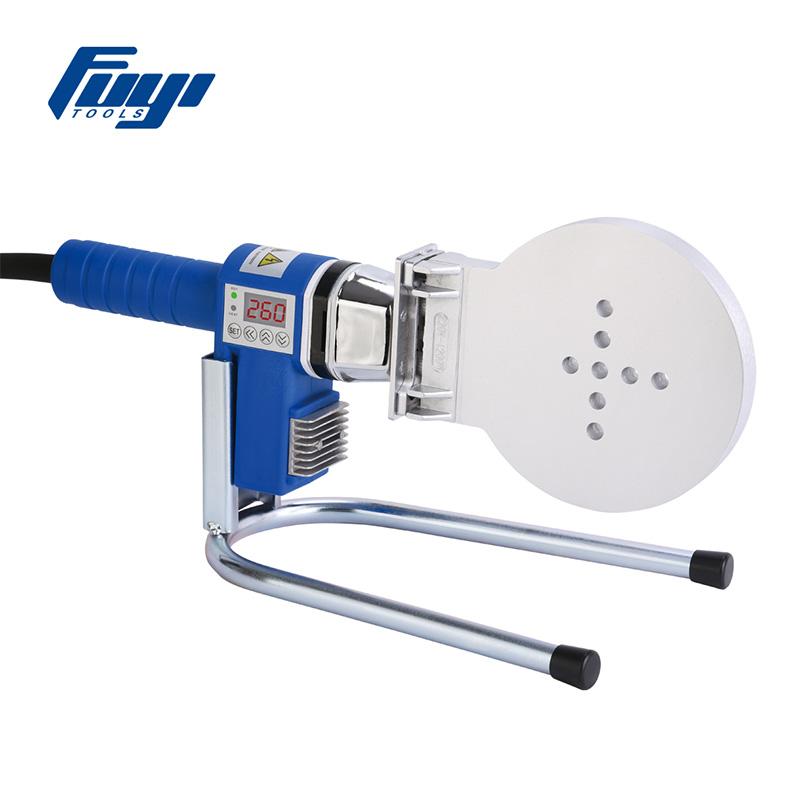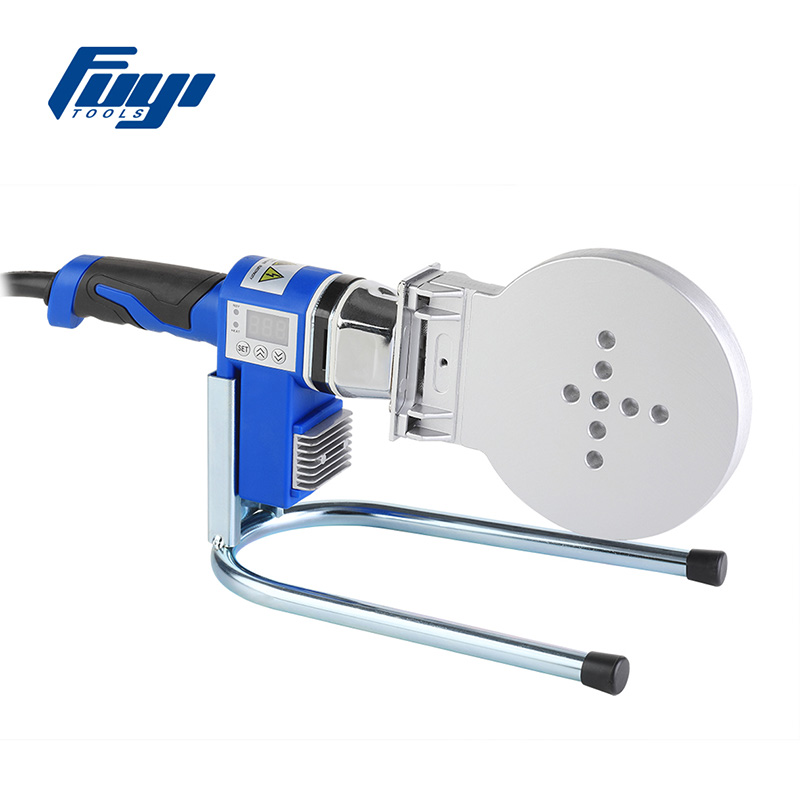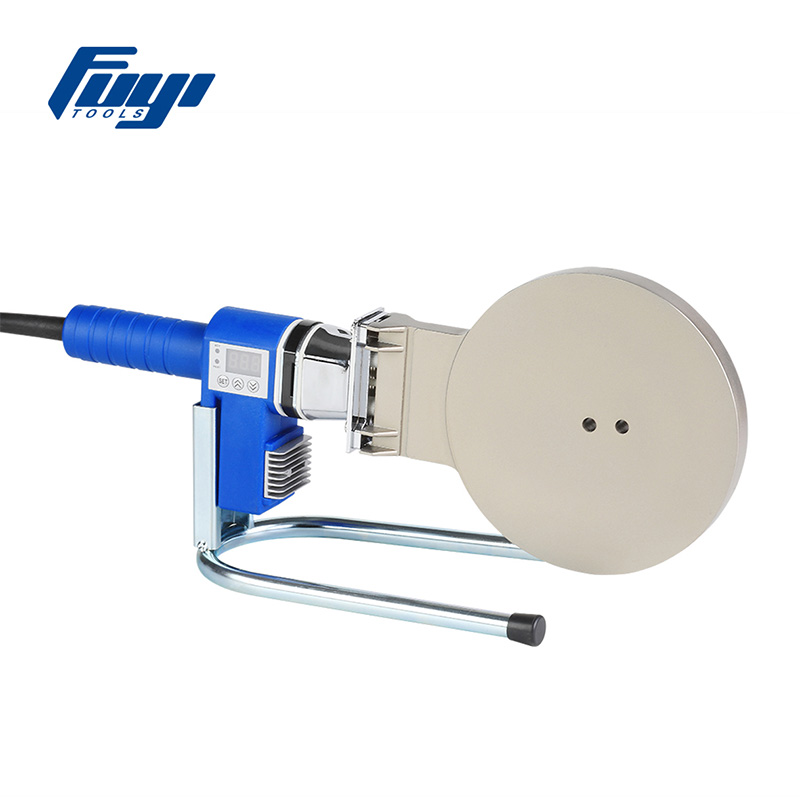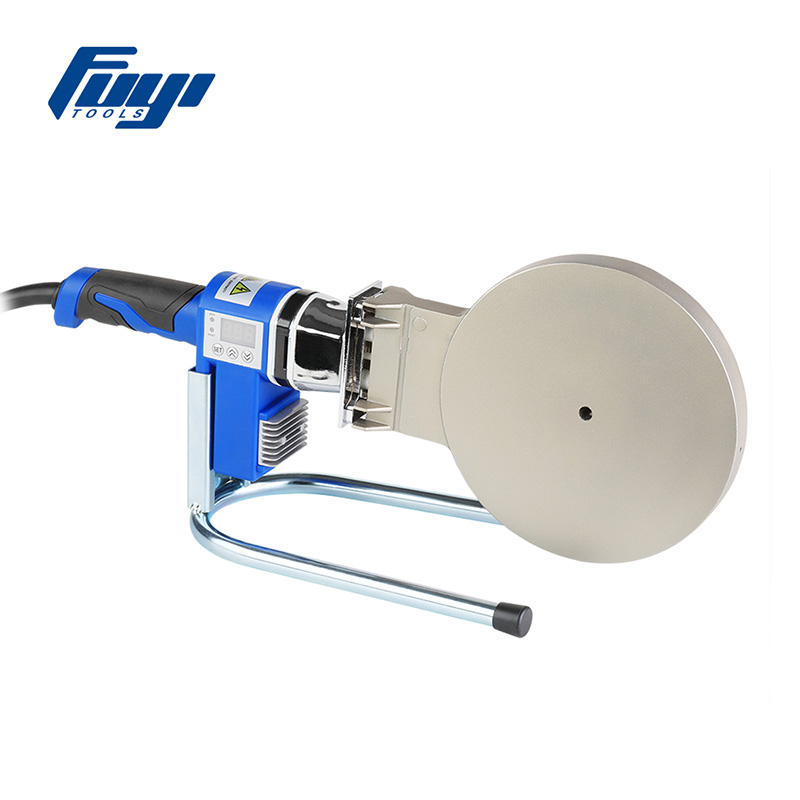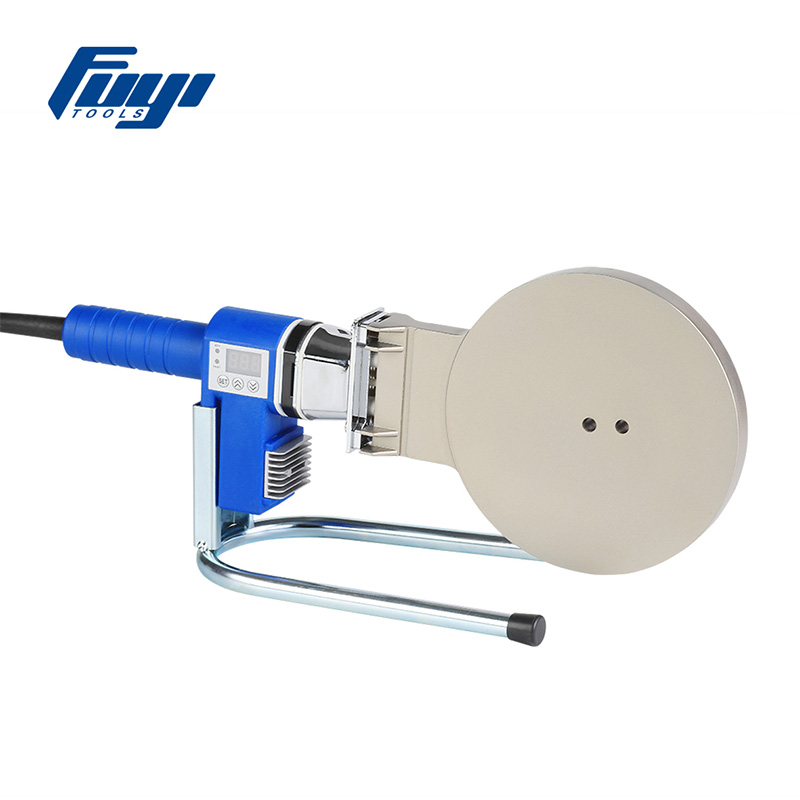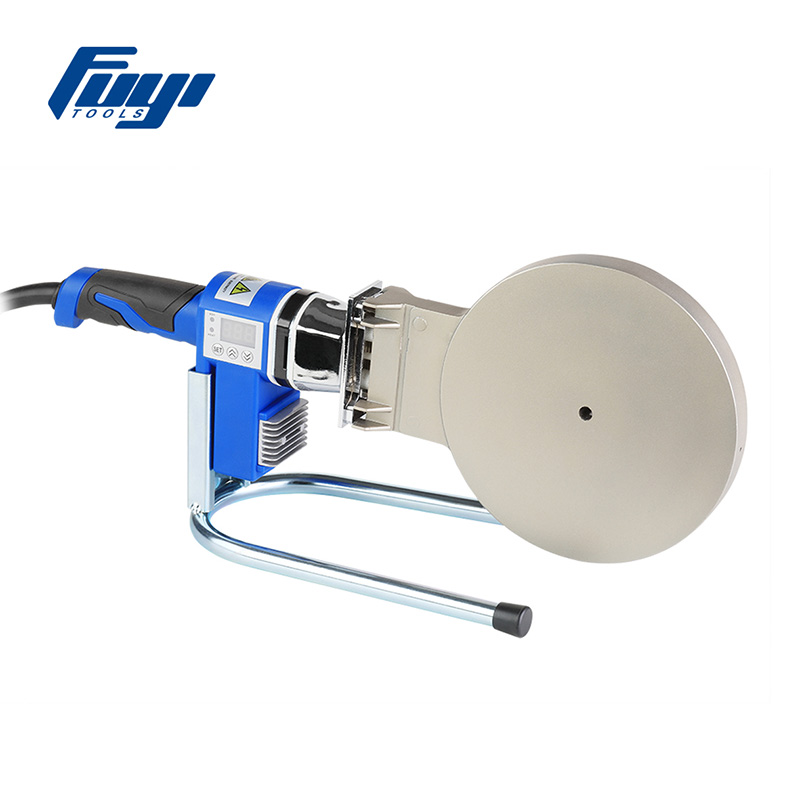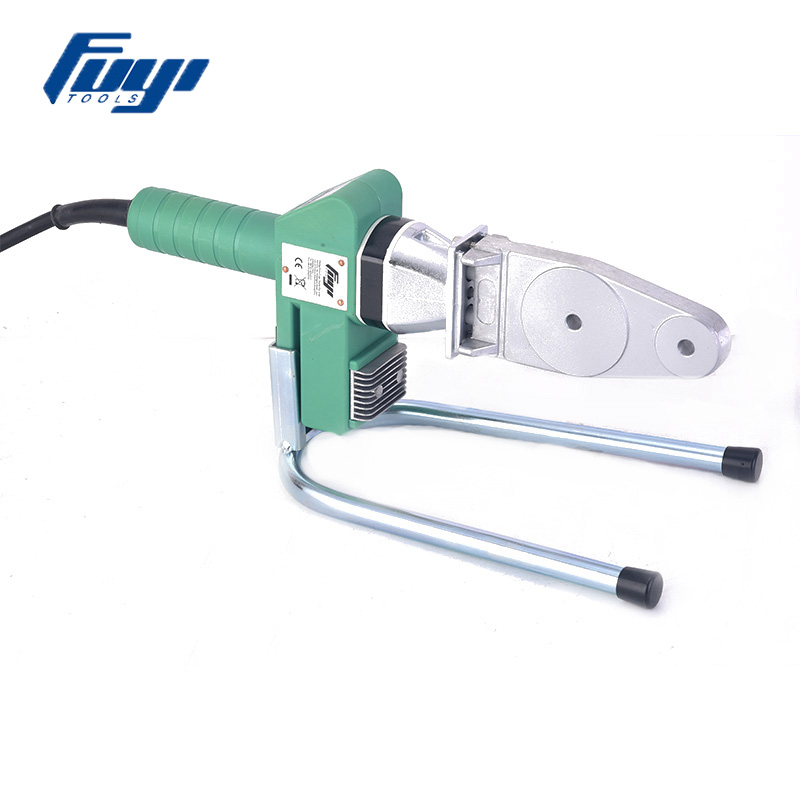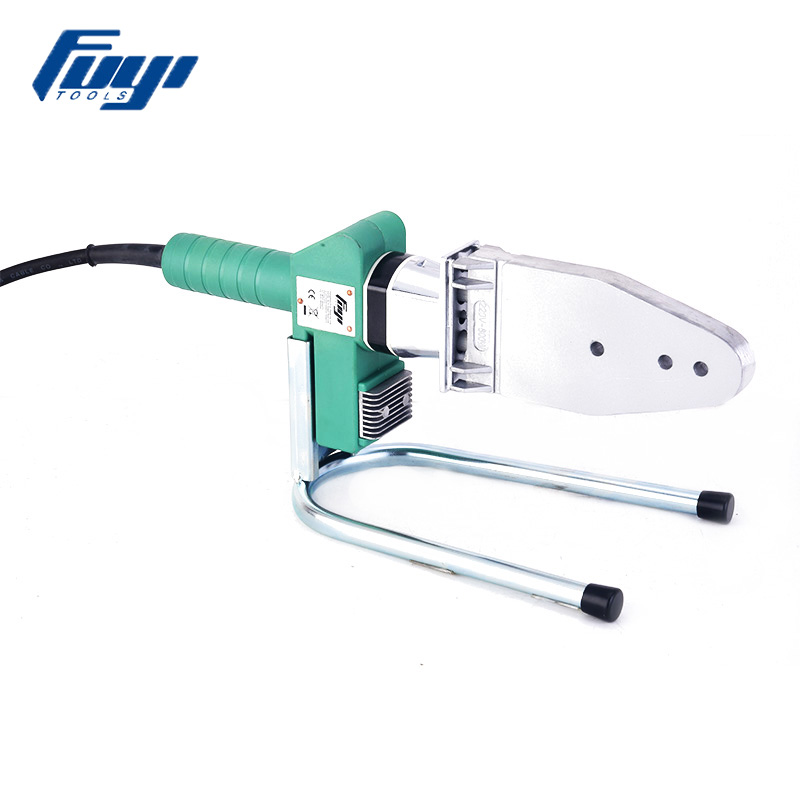
A bench socket fusion welding machine is a stationary, frame-mounted device used to join thermoplastic pipes and fittings — primarily PE, PP-R, and PVDF — by heating both mating surfaces on a fixed heater plate and then pressing them together under controlled, repeatable force. Unlike handheld socket fusion tools, a bench machine holds the pipe and fitting in fixed alignment jaws mounted on a rigid frame, which removes operator hand movement from the equation and produces far more consistent joints, especially for mid-to-large diameter pipe.
In short: a bench socket fusion machine clamps the pipe and fitting in fixed, coaxial jaws mounted on a workbench frame, heats both surfaces on a temperature-controlled plate, then uses a mechanical, hydraulic, or pneumatic feed system to join them under consistent pressure until the weld cools. This setup is the standard choice for workshops, prefabrication yards, and contractors handling pipe diameters from roughly 20mm up to 160mm where joint reliability matters more than portability.
Because the pipe and fitting are locked into fixed jaws throughout the cycle, a bench machine standardizes each step of the fusion process — reducing the variability that comes from freehand joining with portable tools.
On a bench machine, heat soak times typically run 5 to 60 seconds and cooling times range from 3 to 20 minutes, scaling with pipe diameter. Because the jaws lock the pipe and fitting on a fixed axis, the changeover time between heating and joining is usually under 2–3 seconds, tighter than what most operators can achieve by hand.
Bench socket fusion machines used for pressure piping — water supply, irrigation mains, and industrial process lines — must meet defined equipment and procedure standards to ensure the resulting joints are reliable under load.
| Standard | Region/Scope | Focus Area |
|---|---|---|
| ISO 12176-3 | International | Equipment requirements for socket fusion machines |
| ASTM F2620 | United States | Heat fusion joining procedure for PE pipe and fittings |
| DVS 2207-1 | Germany/Europe | Heated tool welding of PE pipes and fittings |
| EN 12201-3 | Europe | PE piping systems for water supply |
| AS/NZS 4130 | Australia/New Zealand | Polyethylene pipes for pressure applications |
Because bench machines are frequently used in prefabrication and quality-controlled workshop settings, many operators also follow internal procedure qualification records (PQRs) that document heater plate temperature, jaw pressure, and cycle times for every batch of joints produced — something a fixed bench setup makes far easier to standardize than freehand tools.
Bench socket fusion machines share a common frame-and-jaw design, but differ in how joining force is applied and how much of the process is automated.
Manual bench machines use a hand-operated lever to bring the jaws together and are common for pipe sizes from 20mm to 63mm in plumbing and irrigation shops. Pneumatic bench machines use compressed air to apply consistent joining pressure, reducing operator fatigue on higher-volume production runs. Hydraulic bench machines handle the largest diameters, typically 90mm to 160mm, and are the standard choice for industrial prefabrication where joint pressure must be tightly controlled and documented.
When comparing bench socket fusion machines, focus on the specifications that determine weld consistency and daily throughput in a workshop setting.
| Feed Type | Heater Plate Power | Pipe Diameter | Typical Use Case |
|---|---|---|---|
| Manual lever | 600W–1200W | 20mm–63mm | Small workshops, plumbing |
| Pneumatic | 1200W–2000W | 40mm–110mm | Medium-volume production |
| Hydraulic | 2000W–3500W | 90mm–160mm | Industrial prefabrication |
Beyond power and diameter range, check the jaw insert compatibility, since most bench machines require swapping inserts for each pipe size and having a limited insert set restricts the diameters you can weld. Also confirm the heater plate temperature accuracy (look for ±2°C–5°C tolerance), and whether the feed pressure is adjustable and gauged, which matters for meeting documented procedure requirements on larger diameters.
The right bench machine depends on your typical pipe diameter range, daily joint volume, and how much documentation your project or client requires for quality assurance.
For small plumbing or irrigation shops working mostly under 63mm, a manual lever bench machine with a compact insert set offers the best balance of cost and control. For prefabrication yards or industrial contractors producing high volumes of joints up to 160mm, a hydraulic bench machine with adjustable, gauged feed pressure is the stronger investment, since inconsistent joining force on larger diameters is a common cause of joints failing pressure testing after installation.
Bench socket fusion machines are the standard tool wherever consistent, repeatable joints are needed at a fixed workstation rather than out in the field.
A bench machine's biggest advantage — repeatability — depends entirely on the frame, jaws, and heater plate staying in good working condition. Neglected maintenance quietly erodes the consistency the machine is supposed to provide.
Routine maintenance should include checking jaw insert wear and alignment on a regular schedule, verifying heater plate temperature with a calibrated thermometer before each production run, and lubricating and inspecting the feed mechanism — whether lever, pneumatic, or hydraulic — to ensure it continues to deliver consistent, repeatable pressure. For machines used on regulated infrastructure work, factory recalibration on an annual basis is typically required to keep the equipment within the tolerances specified by the applicable welding standard.
Copyright © 2024 Hangzhou Fuyi Tools Co., Ltd. All Rights Reserved.
|