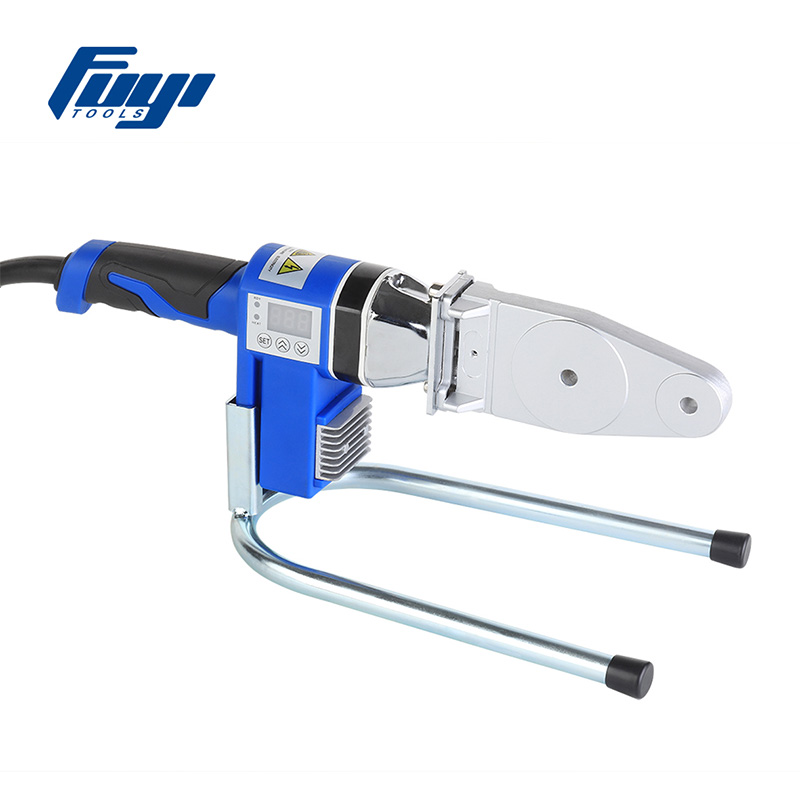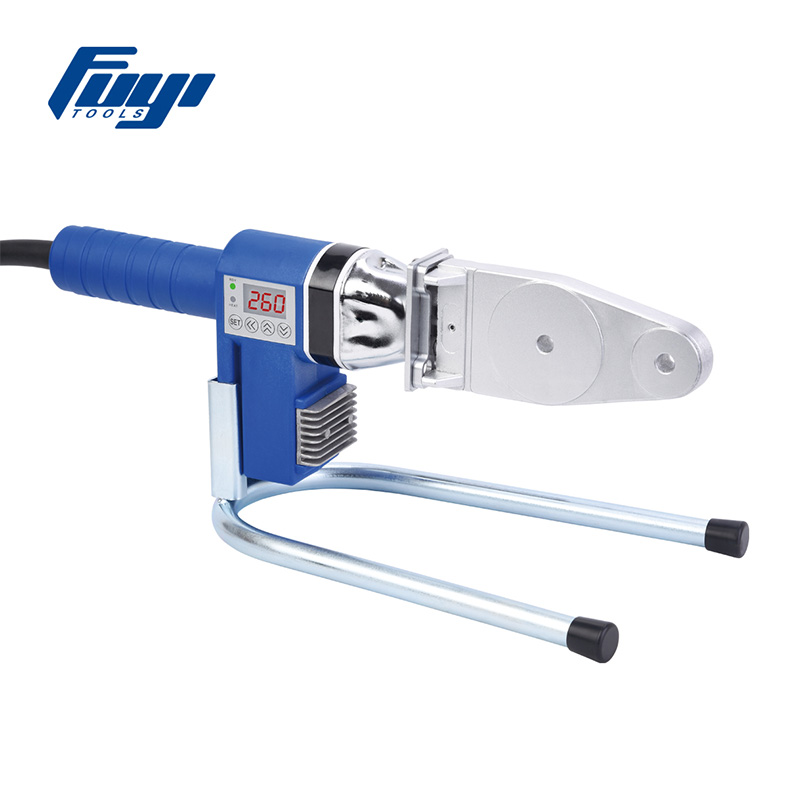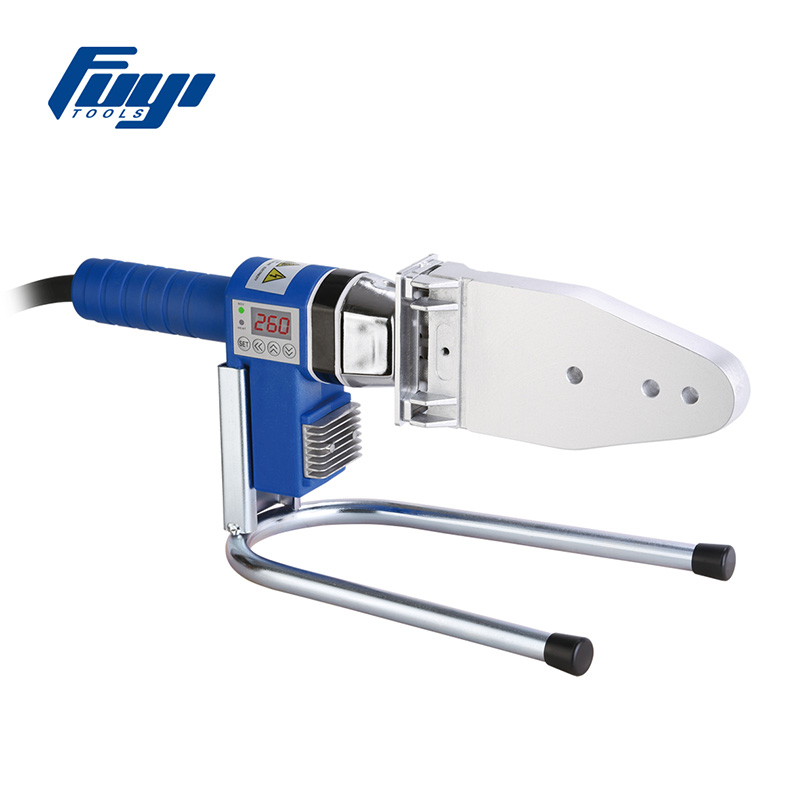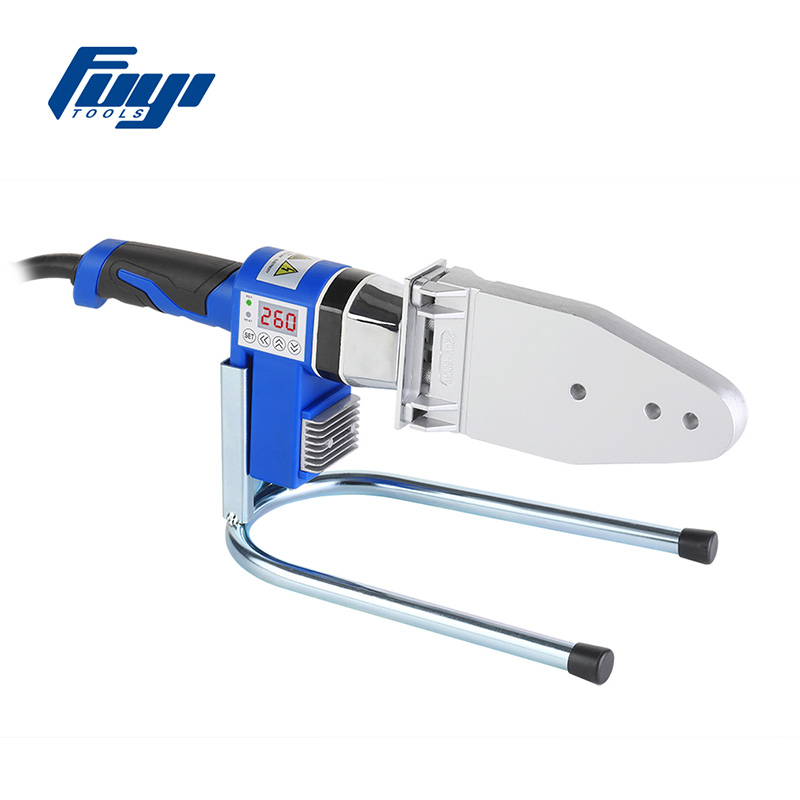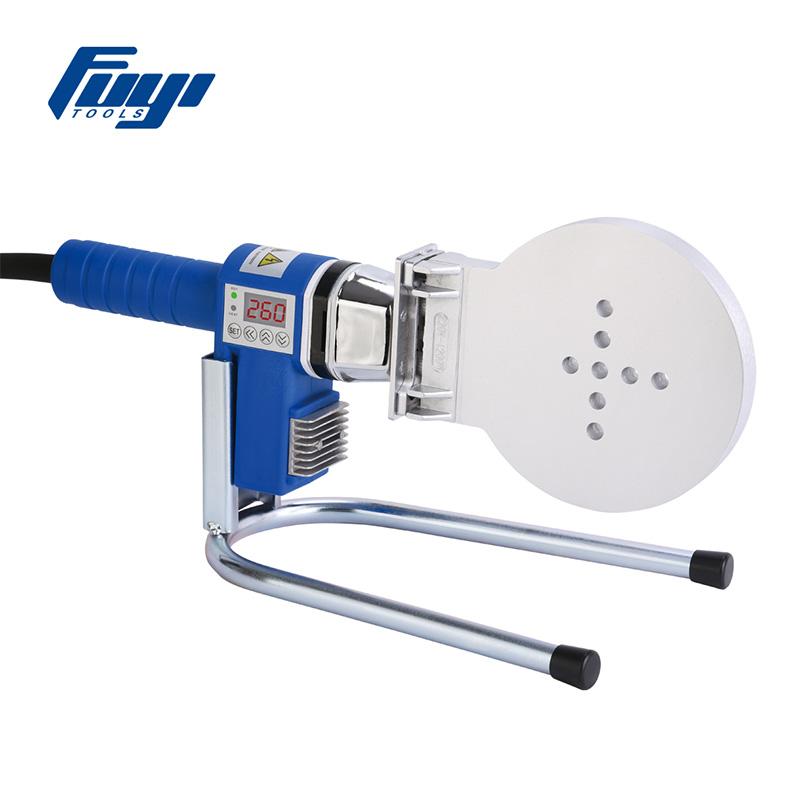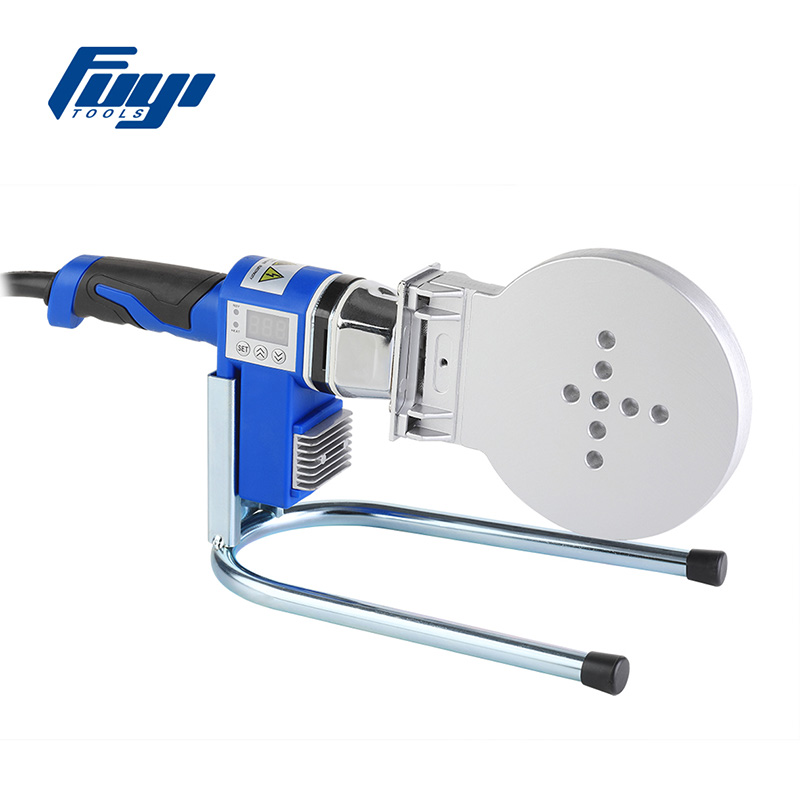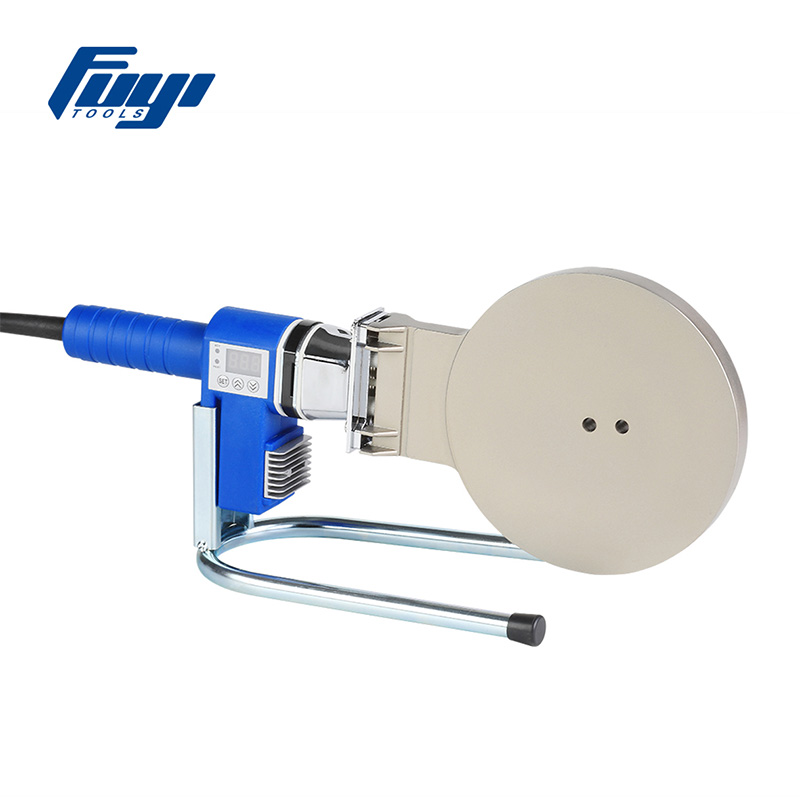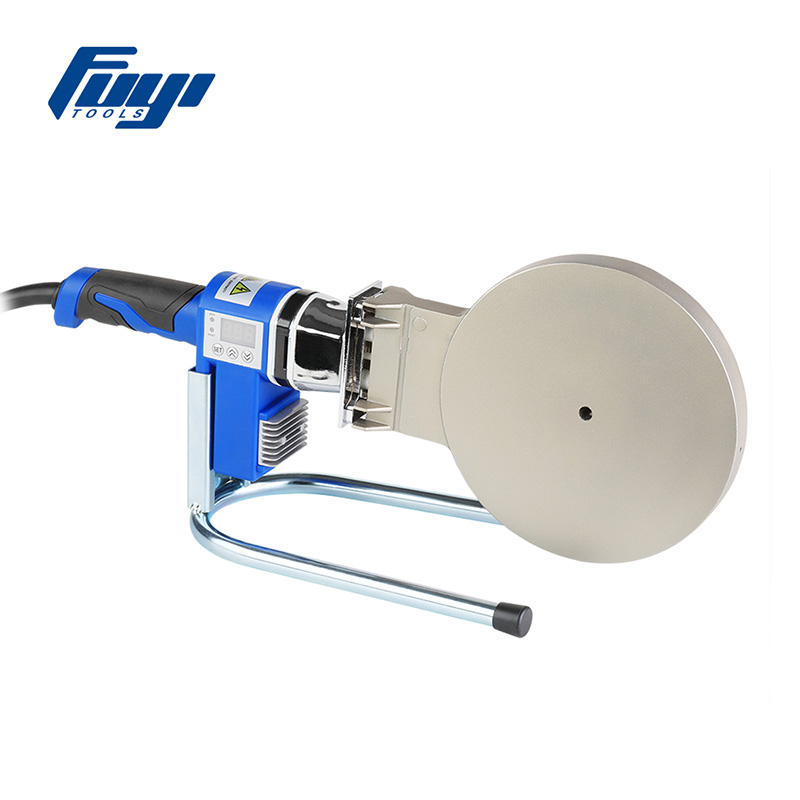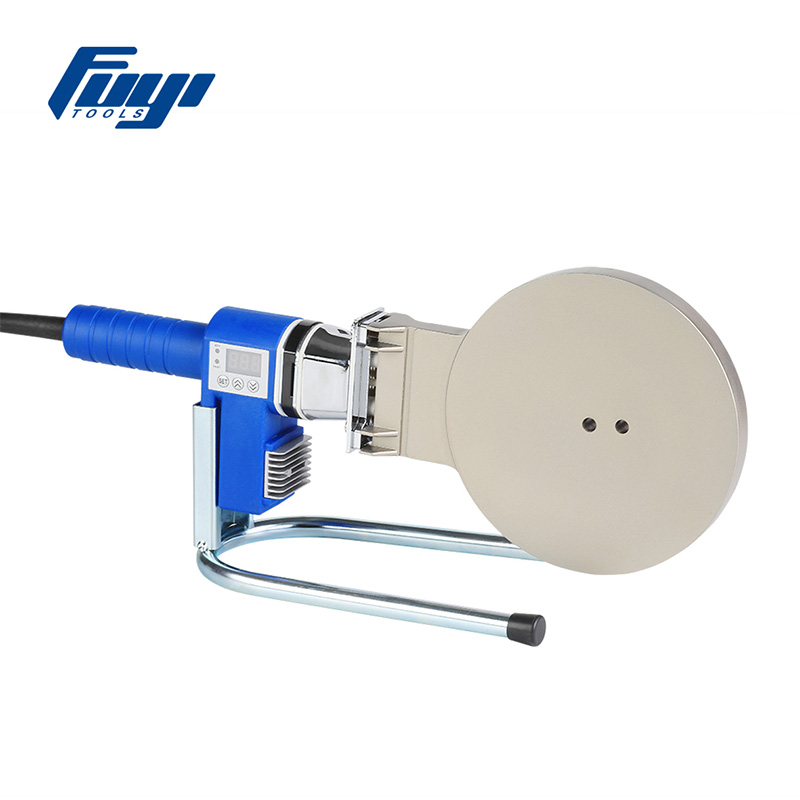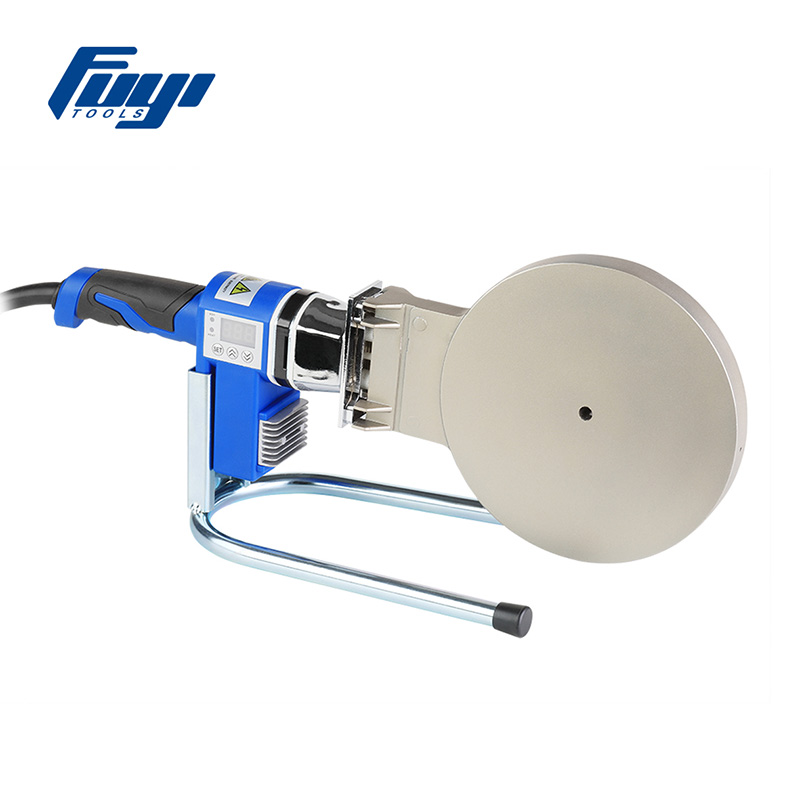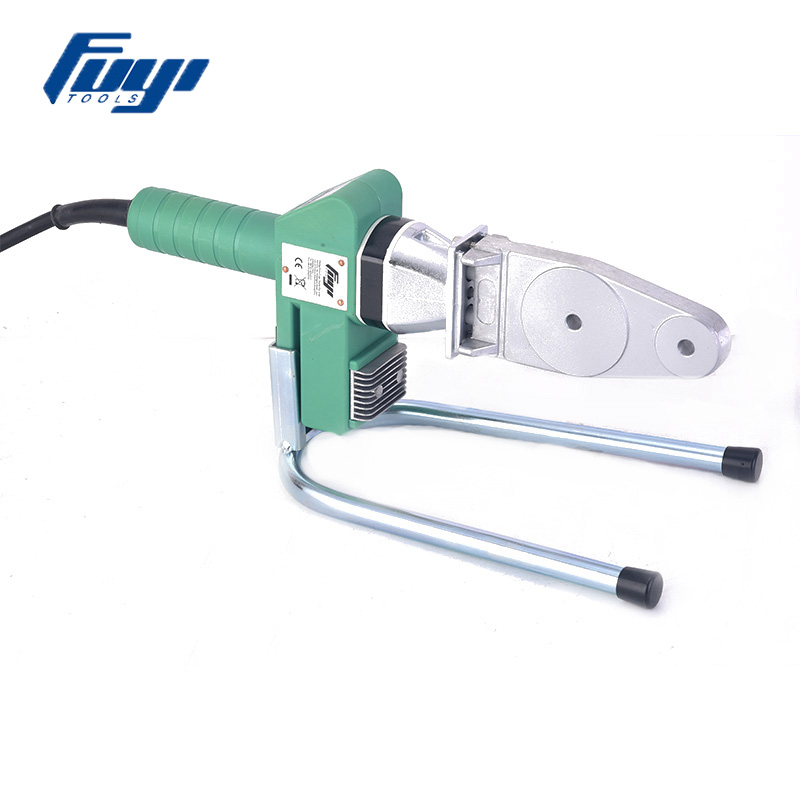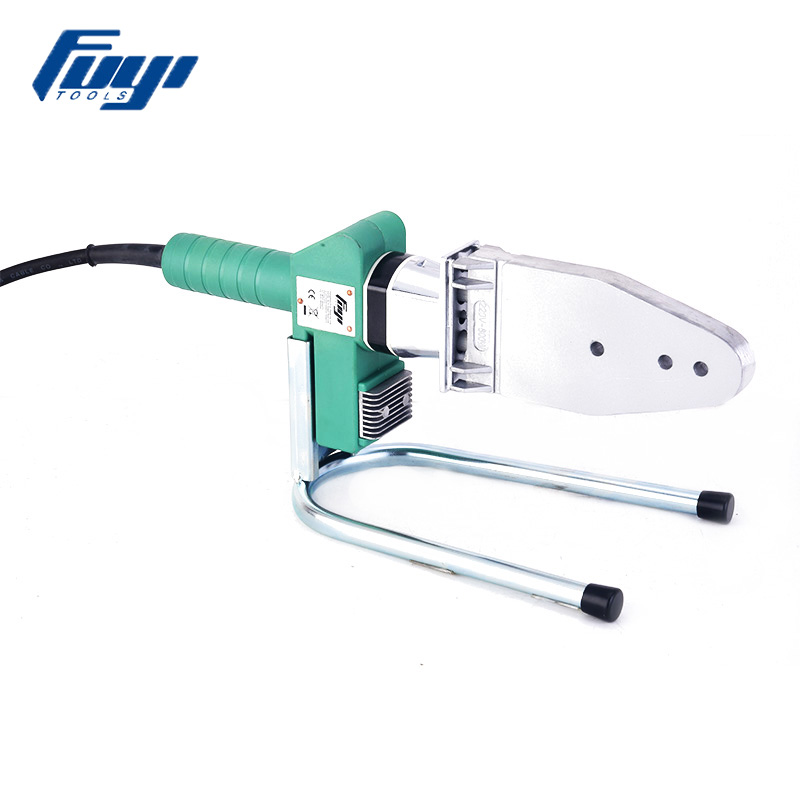
The right bench socket fusion welding machine is determined by matching four factors to your job: pipe diameter range, heating plate technology, temperature control accuracy, and production volume. A machine sized for small-diameter PPR plumbing work will underperform on a commercial PE pipe production line, while an oversized industrial unit adds unnecessary cost and footprint for light workshop use. Getting these four factors right before comparing brands or prices will narrow your options far more effectively than shopping by price alone.
Step 1: Match the Pipe Diameter Range
Bench socket fusion welding machines are built around a fixed working range, typically expressed in millimeters (e.g., 20-63mm or 20-125mm). Buying a machine with a range that doesn't cover your largest or smallest routine pipe size is the single most common and costly mistake in equipment selection, since it forces you to purchase a second machine later or subcontract that portion of the work.
If your work spans a wide range of diameters, look for machines sold with interchangeable heater plate and socket/spigot tooling sets, which let one base unit cover multiple diameter ranges by swapping accessories rather than buying separate machines.
Most quality bench machines use a PTFE (Teflon) or ceramic-coated heating plate to prevent molten plastic from sticking during the fusion process. Uncoated plates are cheaper but require more frequent cleaning and are more prone to inconsistent heat transfer as residue builds up, which can lead to weak or uneven welds over time.
Cast aluminum heating plates with embedded resistance elements are standard for most bench machines, offering even heat distribution across the plate surface. Higher-end machines may use ceramic heating elements, which typically reach operating temperature faster and hold it more precisely — a meaningful advantage if you're running high fitting volumes and want to minimize cycle time between welds.
Socket fusion welding depends on holding a precise, consistent temperature — typically around 260-270°C for PPR pipe and 220-230°C for PE pipe, though exact figures vary by material grade and manufacturer specification. A weld made even 10-15°C outside the correct range can result in incomplete fusion or a brittle joint, both of which are common causes of field failures.
For any shop doing certified or code-compliant welding work, a digital PID-controlled machine is generally worth the added cost over analog thermostat models, since the tighter temperature tolerance directly supports weld quality documentation and inspection requirements.
How often and how long the machine will run each day significantly affects which build quality you should target.
| Use Case | Recommended Machine Class | Key Feature to Prioritize |
|---|---|---|
| Occasional field/jobsite use | Portable/light-duty bench unit | Compact size, quick heat-up time |
| Daily plumbing/HVAC shop work | Mid-range digital bench machine | PID temperature control, durable plate coating |
| High-volume prefabrication | Industrial bench fusion station | Continuous duty rating, fast recovery time |
If the machine will run continuously for multiple hours per shift, confirm the manufacturer's duty cycle rating rather than assuming any bench unit can handle sustained use — some lighter-duty machines are only rated for intermittent operation and will overheat or wear out faster under constant production demand.
Beyond core performance specs, physical construction and safety details affect both longevity and operator safety:
If your work is subject to plumbing codes or industrial pipe standards, verify the machine is compatible with the fusion parameters required by relevant standards such as ASTM F1056 or DVS 2207 for socket fusion welding, or applicable local plumbing codes. Some regulated projects require documented proof that fusion temperature, pressure, and timing were within specified tolerances — a capability that's much easier to demonstrate with a digital machine that logs or displays parameters clearly, compared to a basic analog unit.
| Factor | What to Check |
|---|---|
| Diameter Range | Covers your smallest and largest routine pipe sizes |
| Heating Plate | PTFE or ceramic coating for consistent, clean fusion |
| Temperature Control | Digital PID preferred for accuracy and consistency |
| Duty Cycle | Matches your daily production volume |
| Standards Compliance | Meets required code or industry fusion standards |
Choosing the right bench socket fusion welding machine means matching pipe diameter range, heating plate quality, temperature control precision, and duty cycle to your actual workload — not simply picking the least expensive unit that fits your pipe size. For regulated or high-volume work, prioritize digital PID temperature control and standards compliance, since these directly affect weld reliability and inspection readiness. For light or occasional use, a well-built analog or mid-range digital unit with a coated heating plate will typically deliver reliable results at a lower upfront cost.
Copyright © 2024 Hangzhou Fuyi Tools Co., Ltd. All Rights Reserved.
|