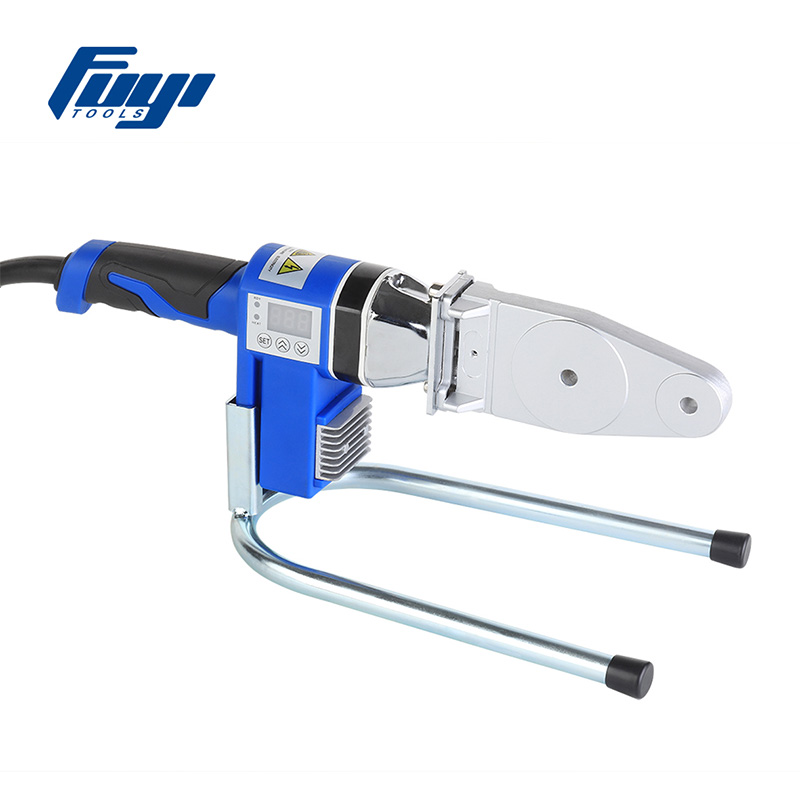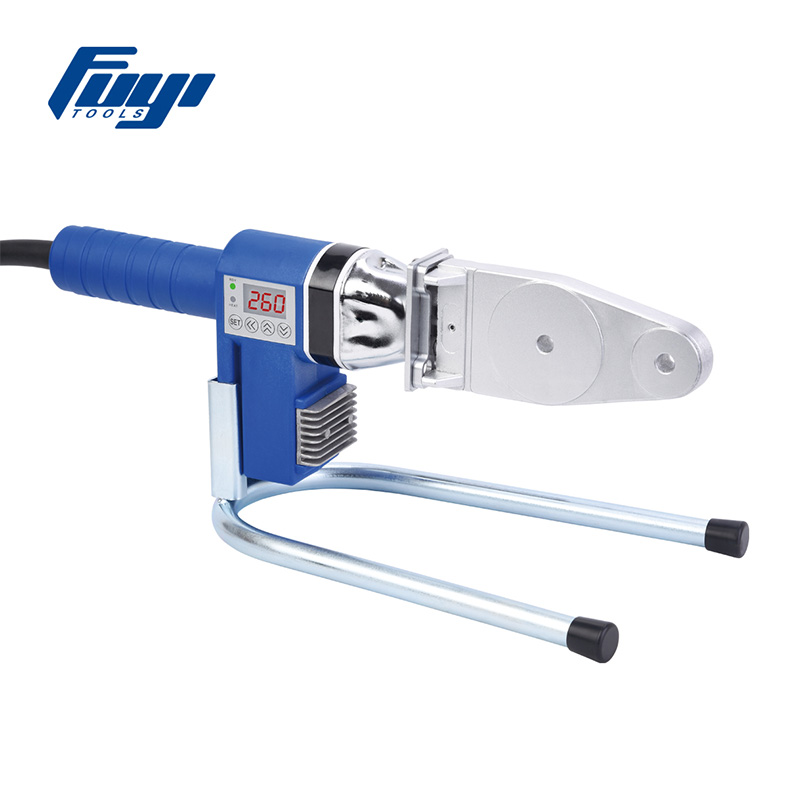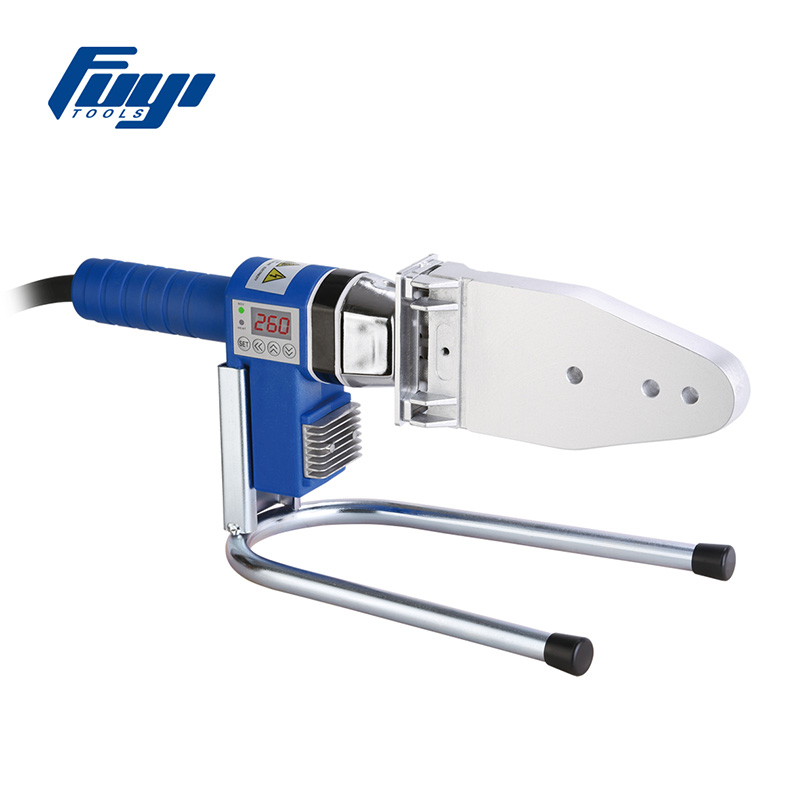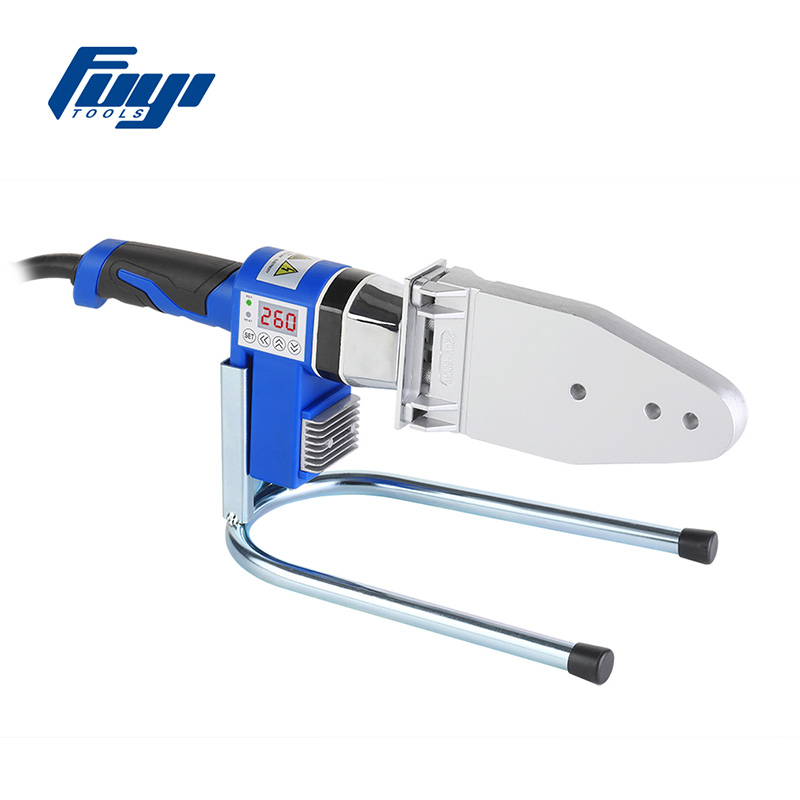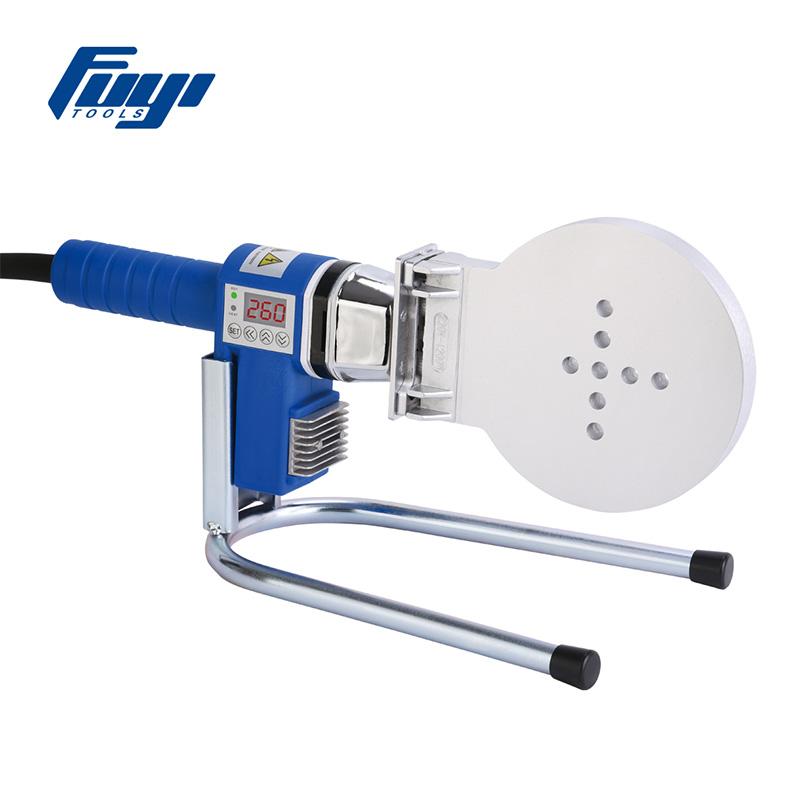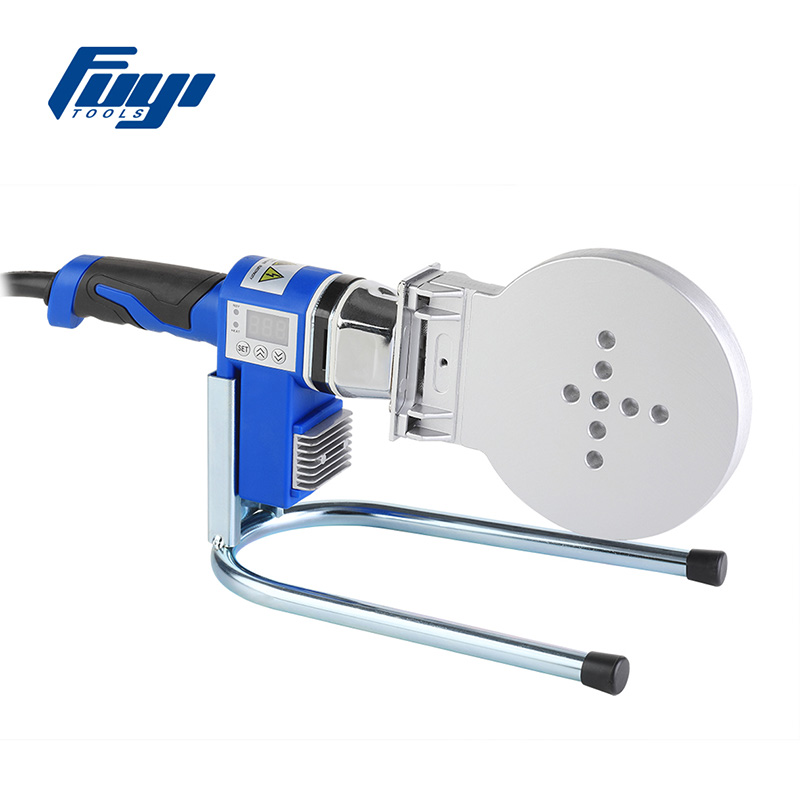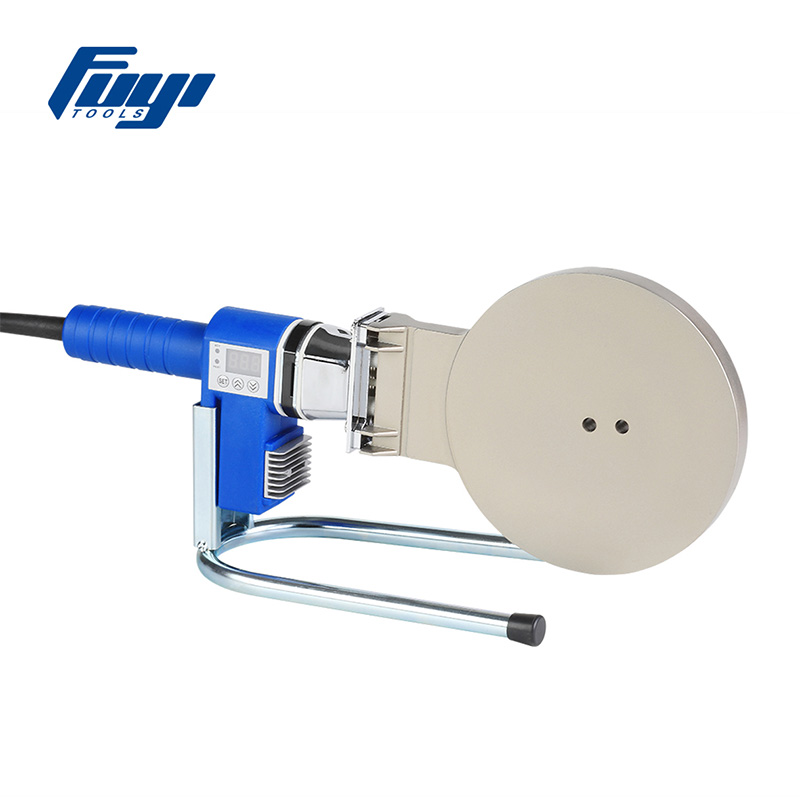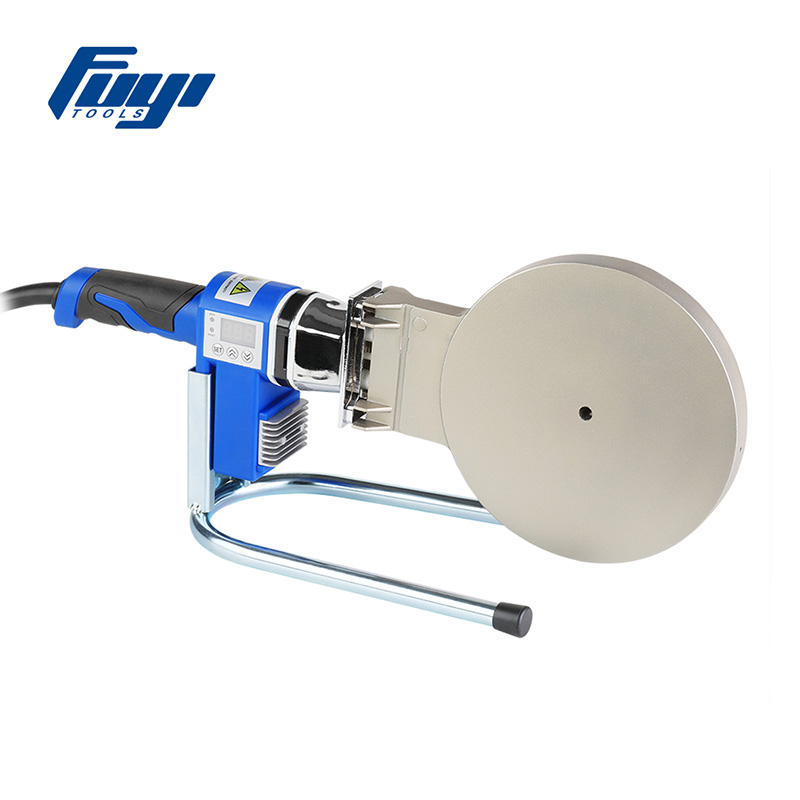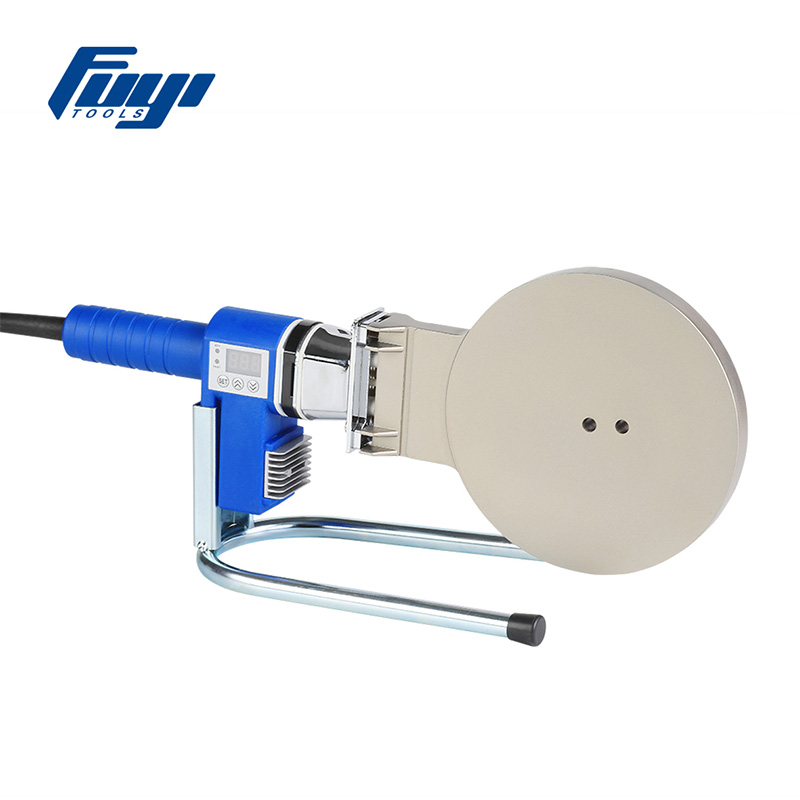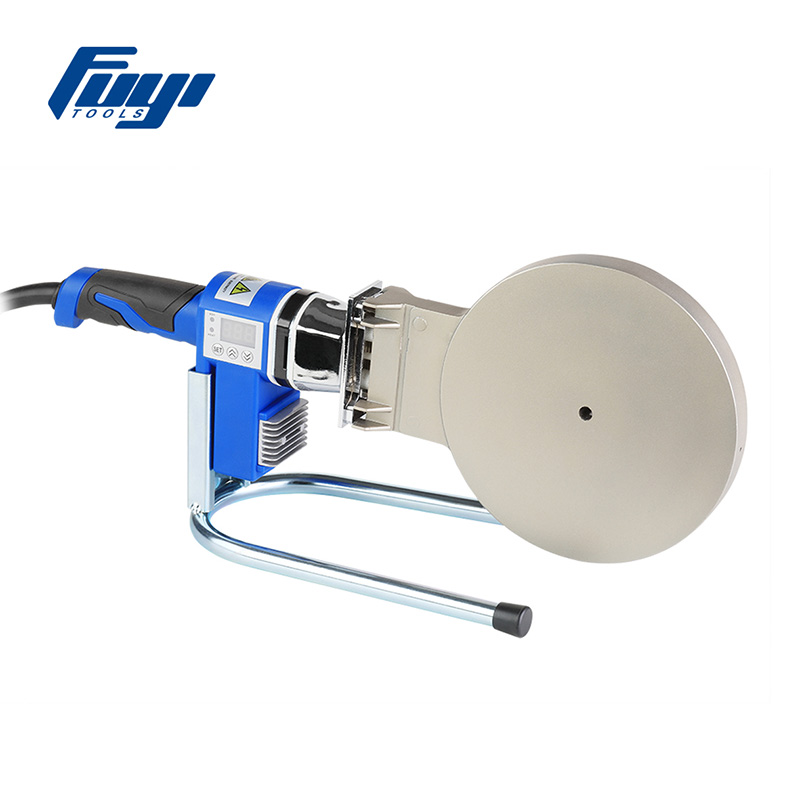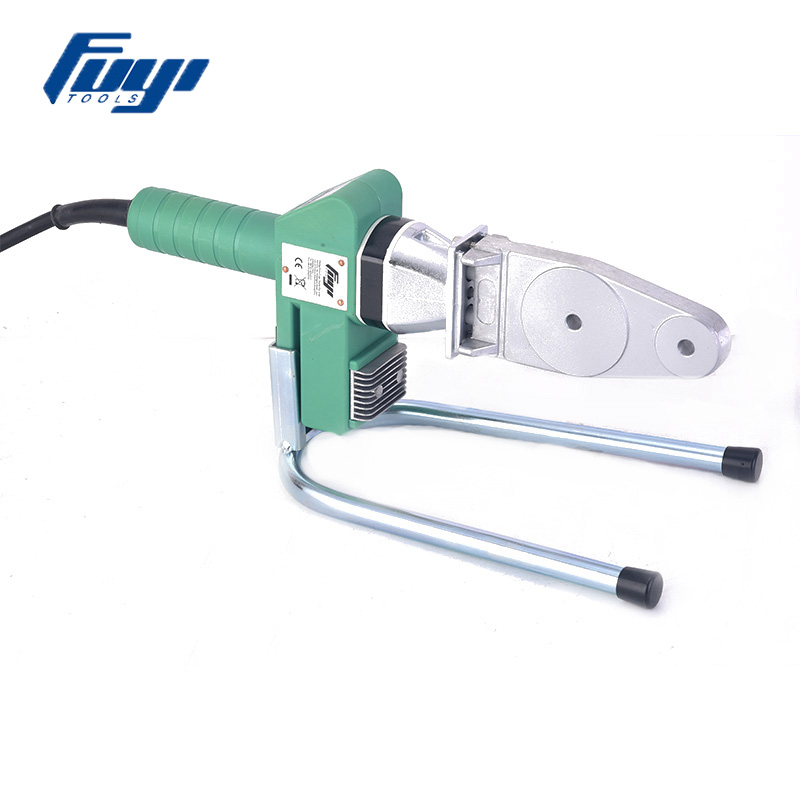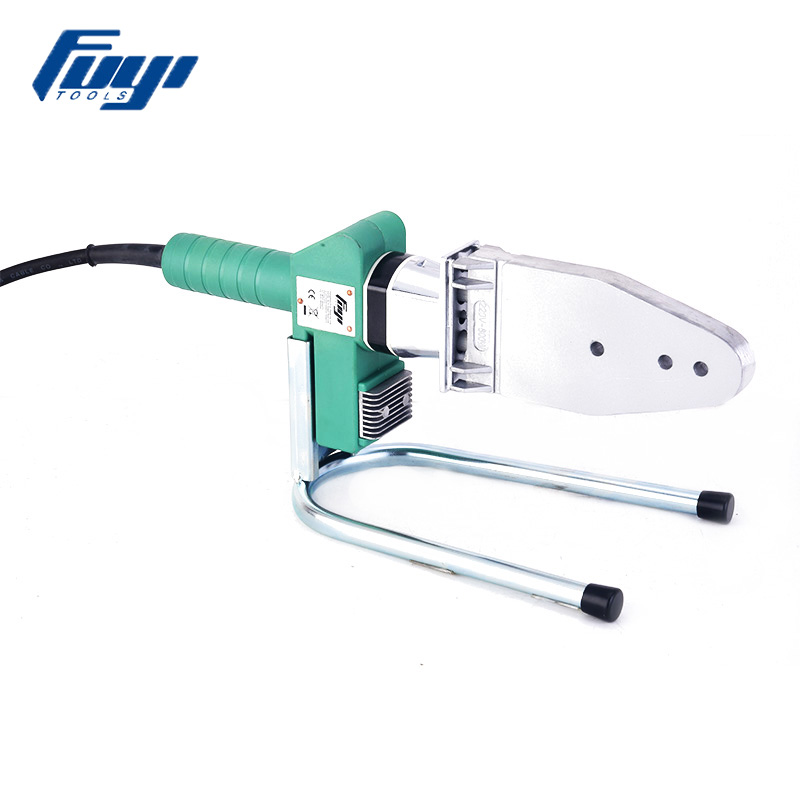
For most plumbing and gas pipe projects, the right choice is a socket fusion welding machine that handles pipe diameters from 20mm to 63mm, offers adjustable temperature control between 230°C and 260°C, and includes interchangeable heating irons sized to your specific pipe schedule. Manual machines are sufficient for small residential jobs and occasional use, while semi-automatic or automatic machines with digital temperature and timing control are the better investment for gas utility work and high-volume commercial installations, where consistent weld quality is a safety requirement, not just a preference. The sections below break down exactly how to match machine specs, features, and certifications to your project type.
Socket fusion machines are built around specific diameter ranges, and buying one sized for the wrong project is the most common and costly mistake. Machines are generally grouped into three ranges based on the heating iron and clamping fixture sizes they support.
| Diameter Range | Typical Application | Machine Type |
|---|---|---|
| 20mm – 32mm | Residential water and gas service lines | Manual, handheld |
| 20mm – 63mm | Commercial plumbing, gas distribution branches | Manual or semi-automatic bench machine |
| 63mm – 125mm | Main gas lines, larger municipal water lines | Semi-automatic or automatic machine |
Most residential plumbing and gas service work falls in the 20mm to 63mm range, which is why this size class covers the widest variety of machines on the market. If your projects span both small service lines and larger branch connections, choosing a machine with an interchangeable iron and jaw set covering the full 20–63mm range avoids the cost of buying multiple machines.
Temperature accuracy is critical for weld integrity, especially on gas pipe, where a failed fusion joint creates a serious safety hazard. Most PE (polyethylene) and PP (polypropylene) pipe manufacturers specify a fusion temperature of 250°C to 260°C, with an acceptable tolerance of no more than ±5°C.
For gas pipe work specifically, digital temperature control with an audible ready-alarm is strongly recommended, since many gas utility codes require documented proof that fusion parameters were met for every joint.
The level of automation you need depends heavily on project volume and how much weld consistency your application demands. Gas utility work in particular often has minimum equipment requirements set by local codes or utility providers.
| Machine Type | Best For | Approx. Price Range |
|---|---|---|
| Manual | Occasional residential jobs, small plumbing repairs | $150 – $600 |
| Semi-Automatic | Contractors doing regular commercial or gas service installs | $600 – $2,000 |
| Automatic | Gas utility crews, high-volume installation with data logging needs | $2,000 – $6,000+ |
Automatic machines add significant value for gas utility contractors because many now include weld data logging, recording temperature, pressure, and dwell time for every joint. This creates an auditable record that satisfies inspection requirements and reduces liability if a joint is ever questioned later.
Not every socket fusion machine performs equally well across all pipe materials. Before buying, confirm the machine's heating iron coating and temperature range match the pipe material you'll be welding most often.
If your work involves both PE gas lines and PP plumbing systems, look for a machine with a wide adjustable temperature range (roughly 190°C to 290°C) rather than one locked to a narrow factory-set range.
For gas pipe projects especially, using a machine and process that meets recognized standards isn't optional — it's typically a legal and insurance requirement. Confirm the machine and your welding procedure align with standards such as:
Even the best machine won't produce code-compliant welds if the operator isn't certified under the applicable standard, so factor operator training into your equipment budget, not just the machine cost itself.
Job site conditions often dictate what kind of machine is practical to use. Weigh these factors before choosing:
For residential plumbing contractors handling occasional jobs, a manual socket fusion machine covering 20–63mm with digital temperature control offers the best value. For gas utility work or high-volume commercial installation, invest in a semi-automatic or automatic machine with weld data logging and certification to ASTM F2620 or ISO 12176 — the added cost is quickly justified by the safety assurance, inspection documentation, and reduced liability it provides. Whichever machine you choose, verify it comes with interchangeable irons for your full pipe size range so you're not forced to buy additional equipment as project scope grows.
Copyright © 2024 Hangzhou Fuyi Tools Co., Ltd. All Rights Reserved.
|