Socket fusion welding joins thermoplastic pipe and fittings by simultaneously melting both surfaces with a heated plate, then pressing them together so the molten plastic fuses into one continuous wall. It's the standard joining method for PE, PP, and PVDF pipe up to 125mm in diameter, and when done correctly, the resulting joint is as strong as the pipe itself. The vast majority of joint failures trace back to one of a handful of repeatable mistakes — not equipment quality.
Below, we cover how the process actually works, the equipment required to do it properly, and the specific mistakes responsible for most field failures.
The process relies on three controlled variables working together: temperature, time, and pressure. A heated plate brings both the pipe's outer surface and the fitting's inner socket to melting point at the same time. When the plate is removed, the pipe is pressed into the fitting before the molten surfaces can cool, allowing the polymer chains from both pieces to intermingle and re-solidify as a single, unbroken wall.
This differs from butt fusion, which joins two pipe ends face-to-face, and from electrofusion, which uses an embedded heating coil inside the fitting itself. Socket fusion is generally preferred for smaller diameters (typically under 125mm) because it's faster and requires less specialized equipment than the alternatives.
At a high level, every socket fusion weld follows the same sequence:
Each stage has a narrow, material-specific time and temperature window. Deviating from this window by even a few seconds is enough to weaken the joint, which is why the equipment used to control these variables matters as much as operator skill.
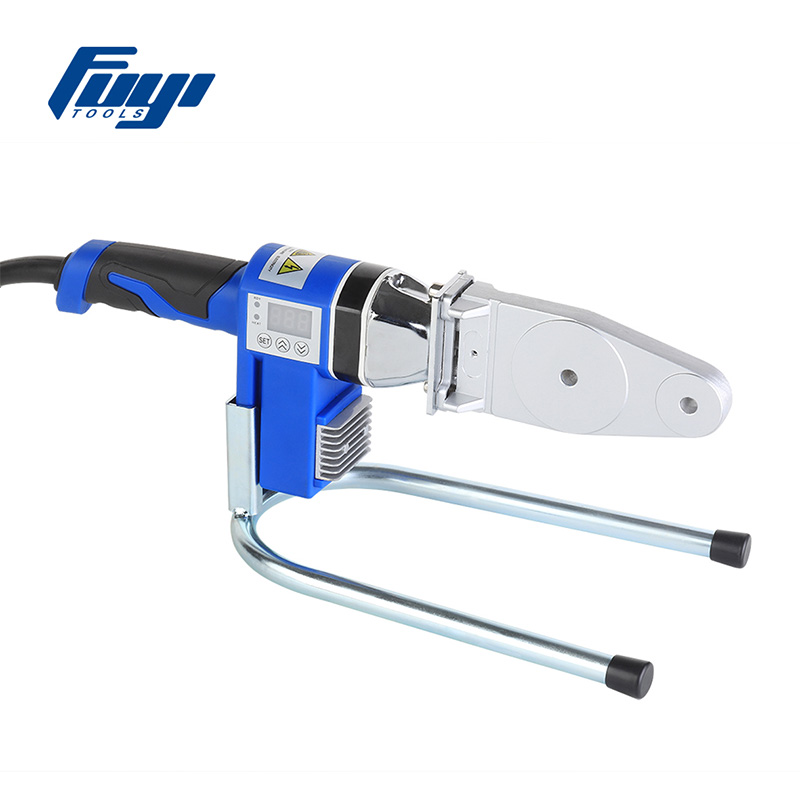
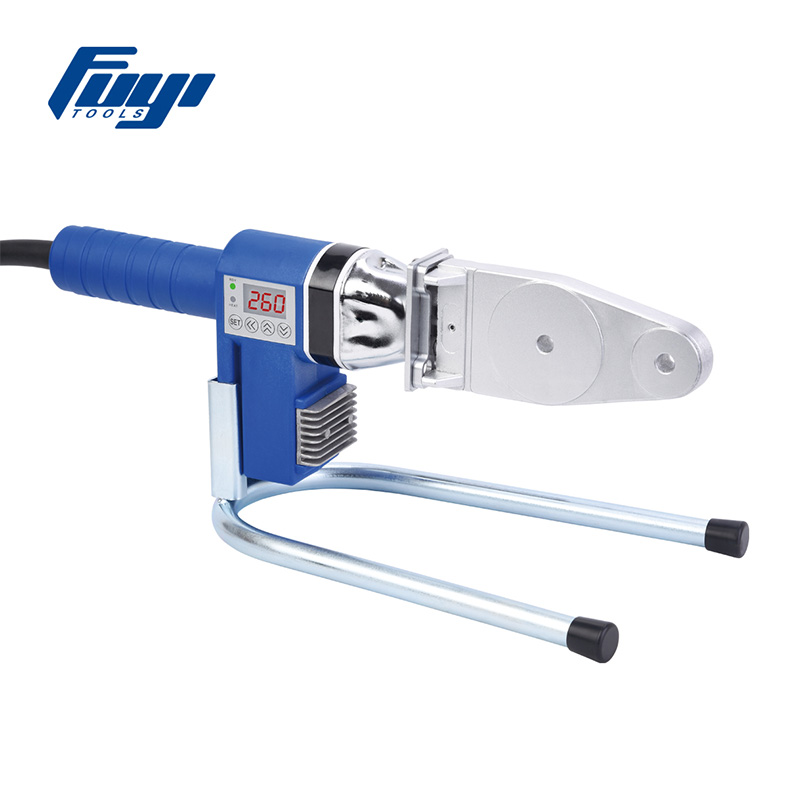
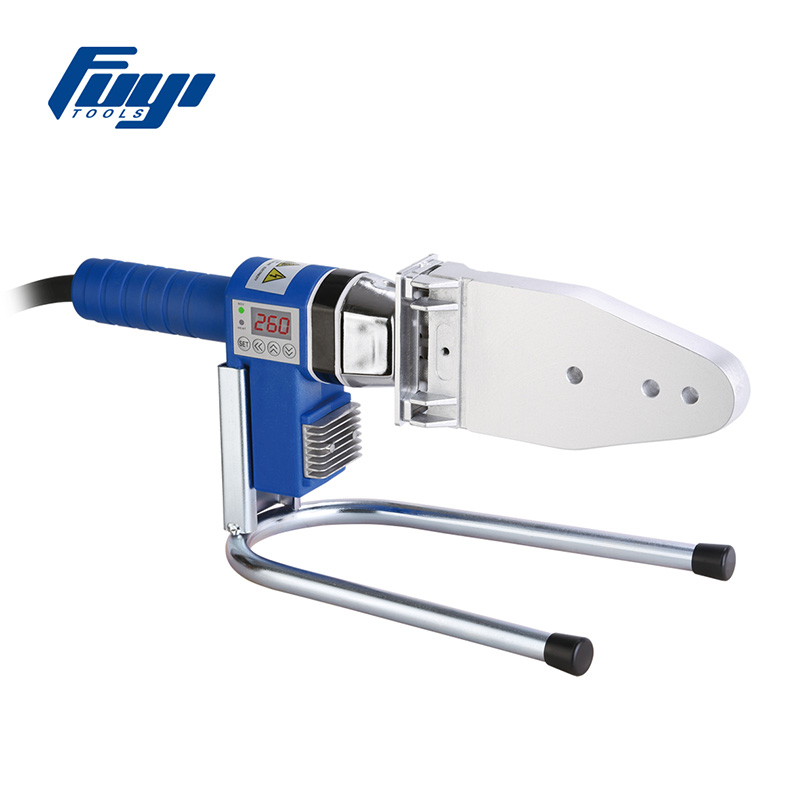
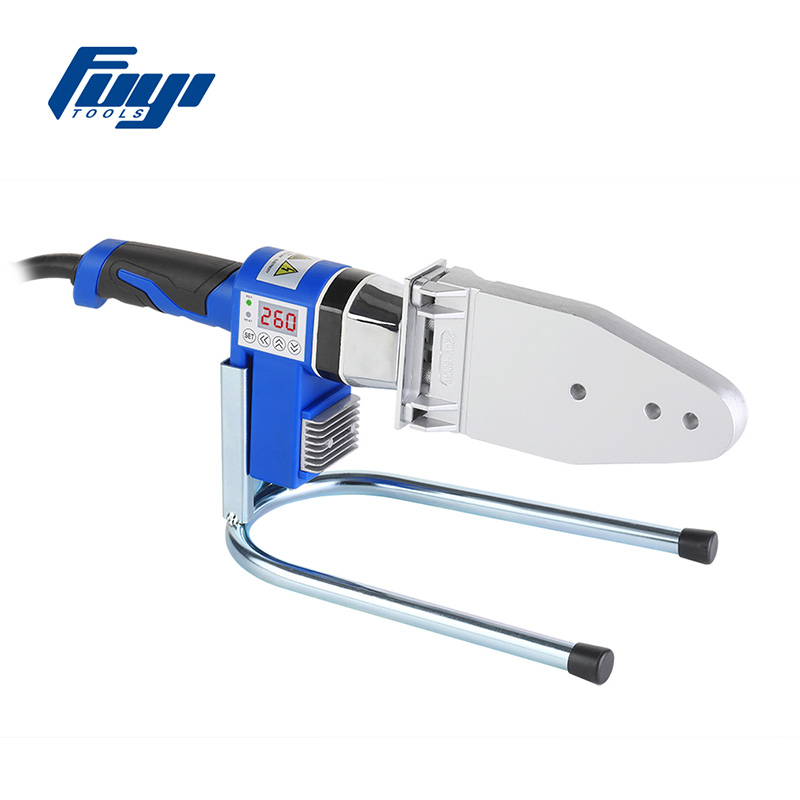
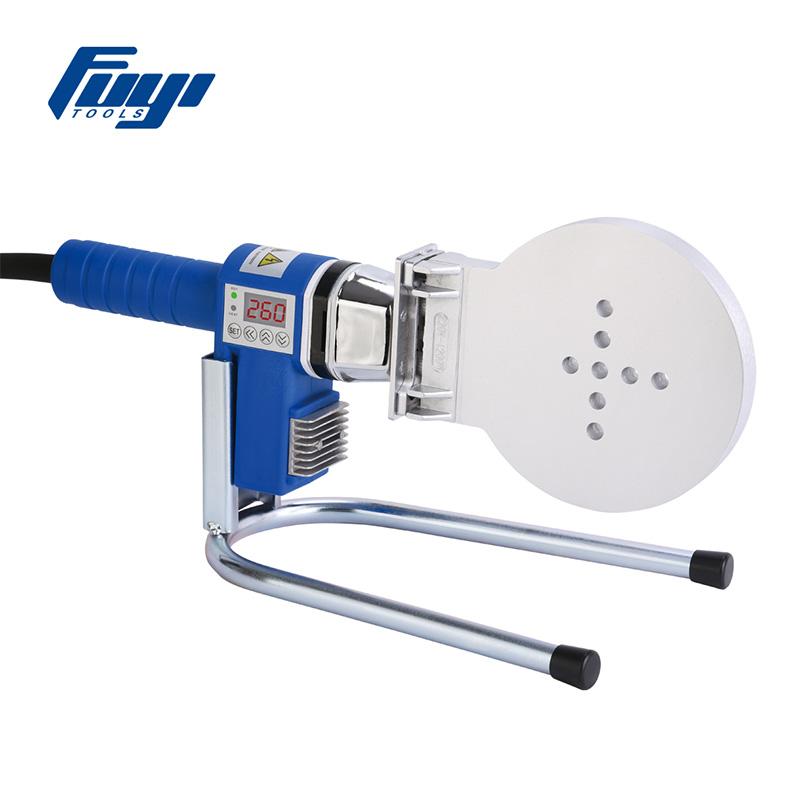
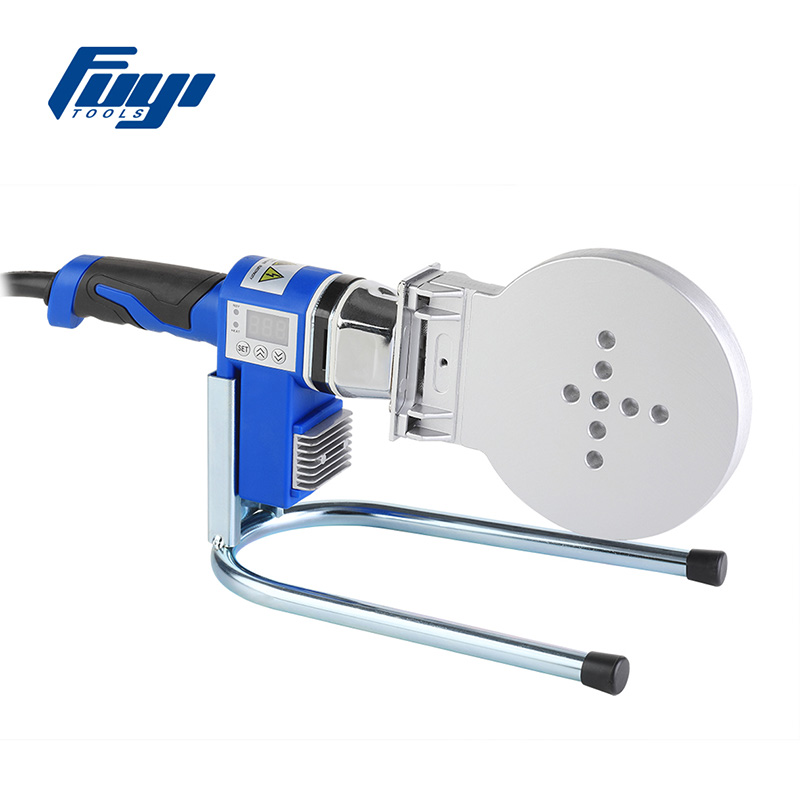
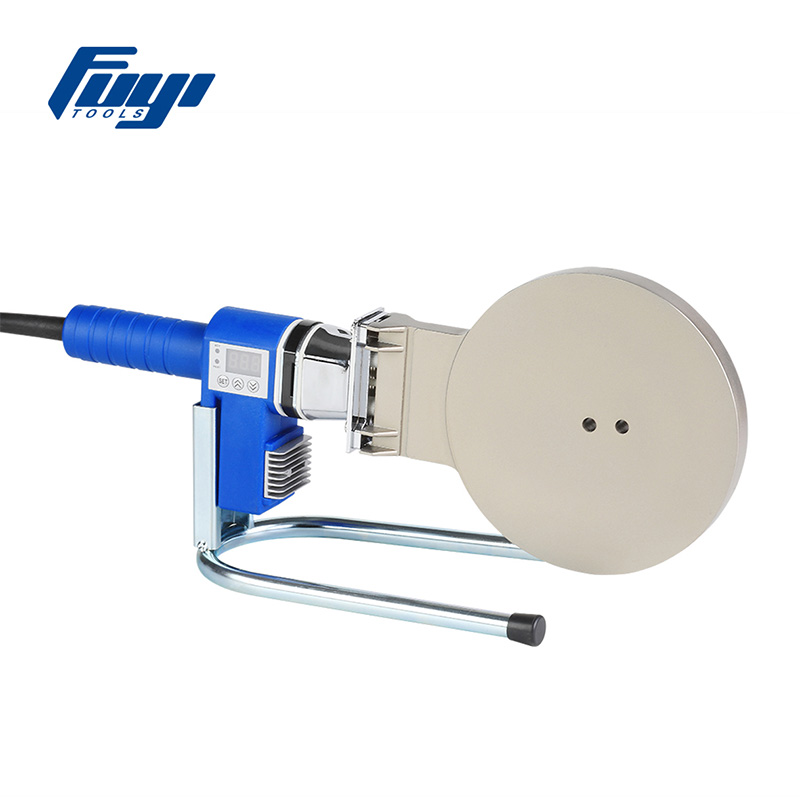
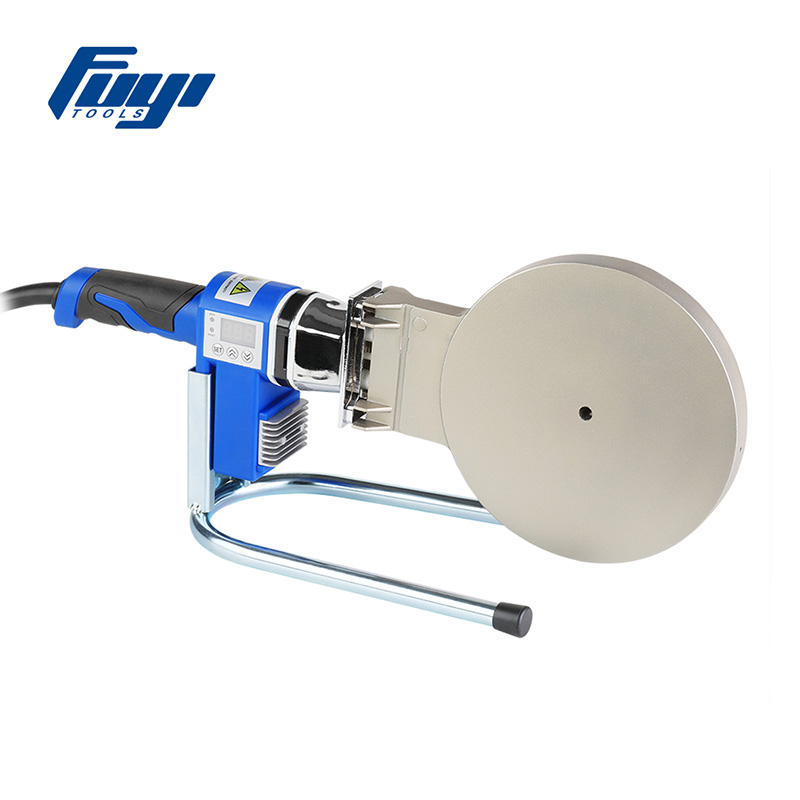
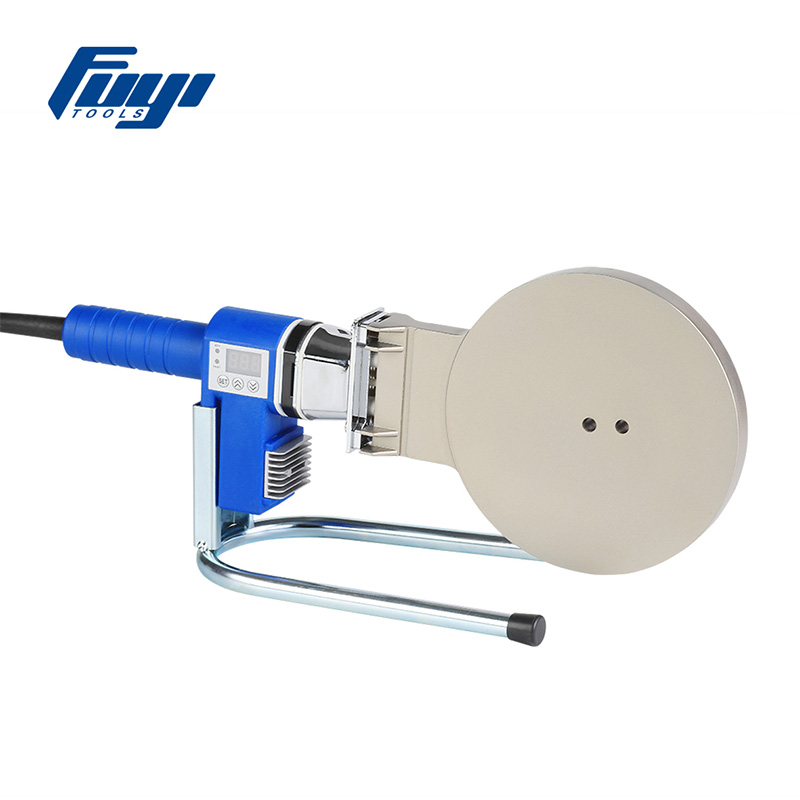
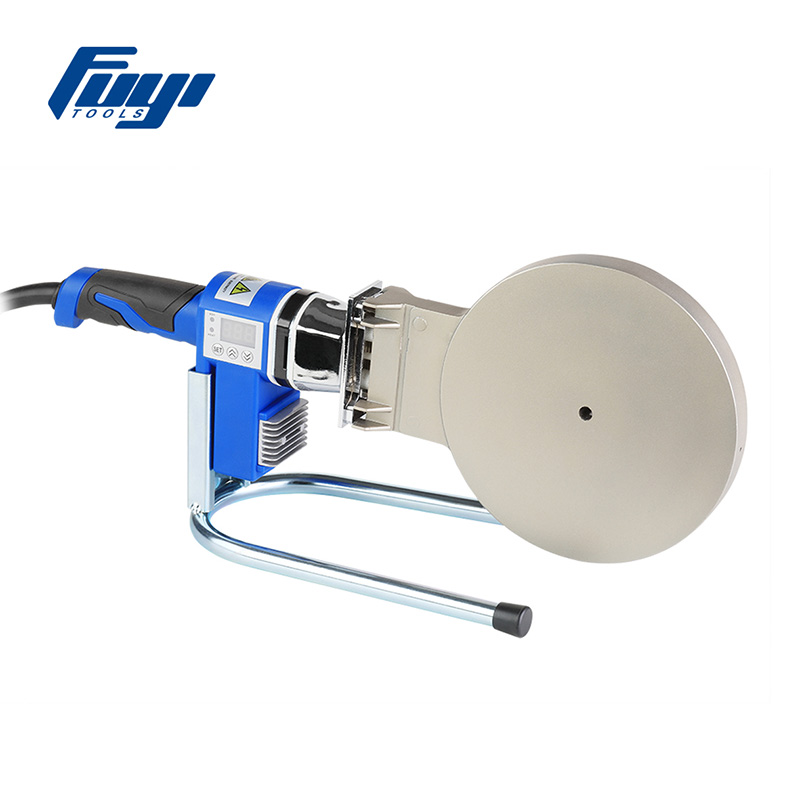
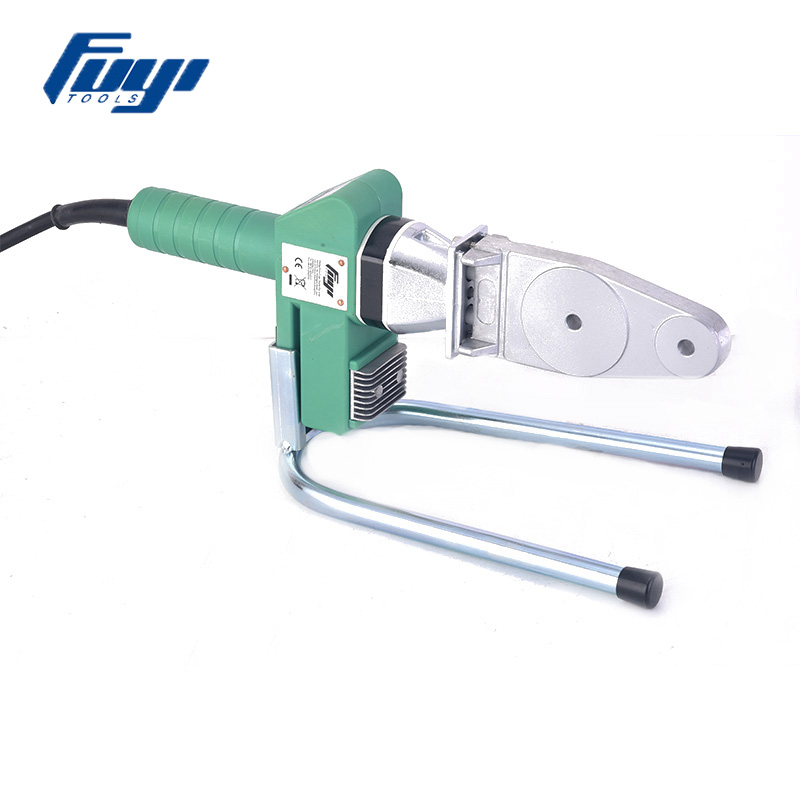
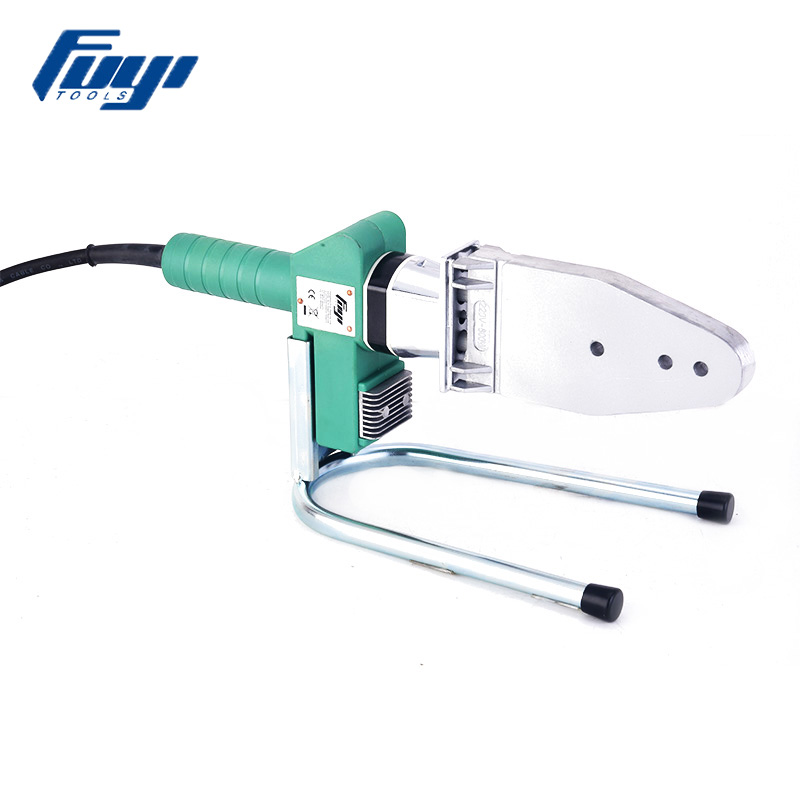
The core equipment, consisting of a heating plate, temperature controller, and a clamping system to hold pipe and fitting in alignment. Machines range from manual hand-clamped units to fully automatic, programmable systems used on large municipal projects.
Interchangeable, diameter-specific attachments that ensure the heating plate and clamps match the exact pipe size being joined. Using mismatched or worn inserts is a frequent, avoidable source of poor fusion contact.
A pipe cutter for square cuts, a rotary scraper to remove the oxidized outer layer, and a clean, lint-free cloth for final surface cleaning. These are inexpensive but directly affect weld quality.
A calibrated surface thermometer to periodically verify the heating plate's actual temperature against its displayed setting, and a stopwatch or timer for machines without automated cycle timing.
Heat-resistant gloves and safety glasses are standard, since heating plates commonly operate at 210°C–230°C and pose a burn risk during handling.
Most weld failures trace back to a small set of repeatable errors. Here's what causes them and what actually happens to the joint as a result.
| Mistake | Consequence |
|---|---|
| Skipping surface scraping | Oxidized layer blocks fusion, creating a weak or porous joint |
| Heating before plate reaches set temperature | Under-melted surfaces fail to bond properly |
| Slow transfer from heating to joining | Melted surface cools and oxidizes before contact, weakening the bond |
| Disturbing the joint before full cooling | Joint shifts internally before it solidifies, creating hidden voids |
| Mismatched pipe and fitting materials | Different melting points prevent proper polymer fusion |
| Worn or damaged heating plate coating | Plastic sticks and tears during separation, damaging the melt surface |
Since most failures come down to temperature and timing control, the equipment itself plays a real role in consistency. Hangzhou Fuyi Tools Co., Ltd designs socket fusion machines with digital temperature regulation and self-centering clamp jaws specifically to reduce the operator error described above — features worth checking for regardless of which manufacturer you ultimately choose.
Copyright © 2024 Hangzhou Fuyi Tools Co., Ltd. All Rights Reserved.
|