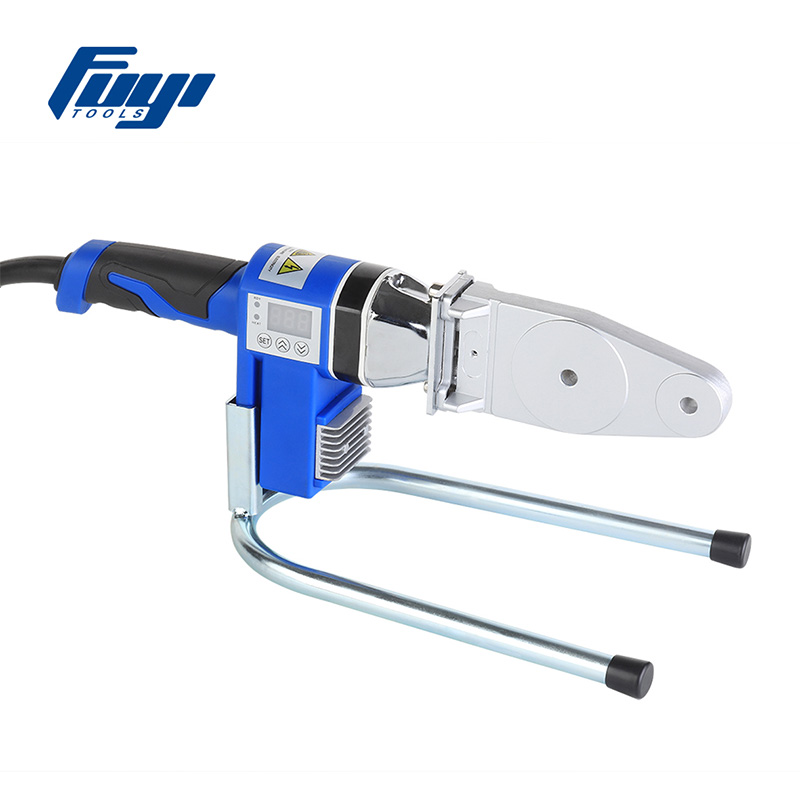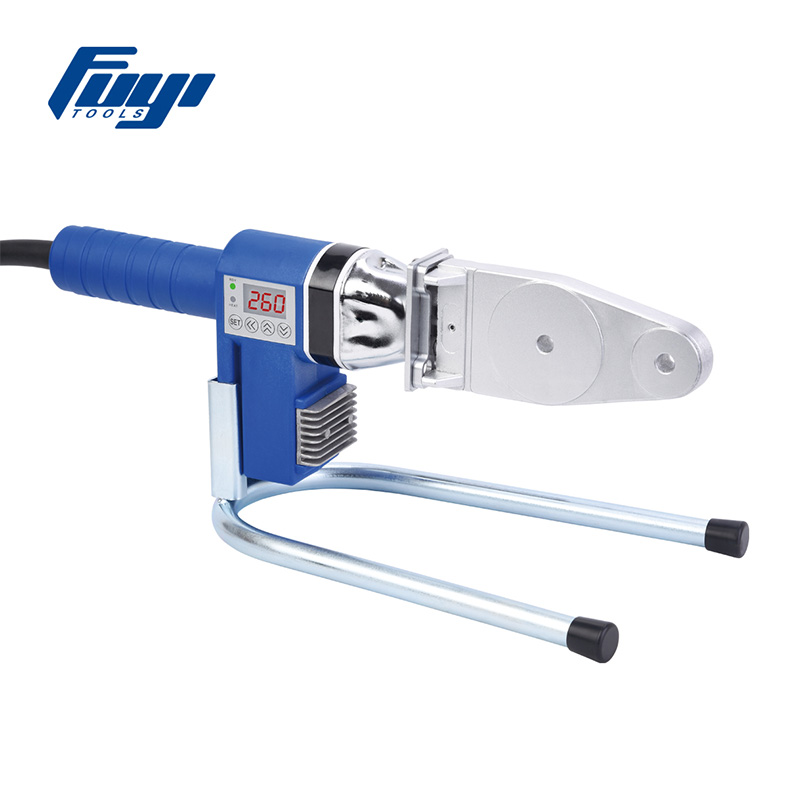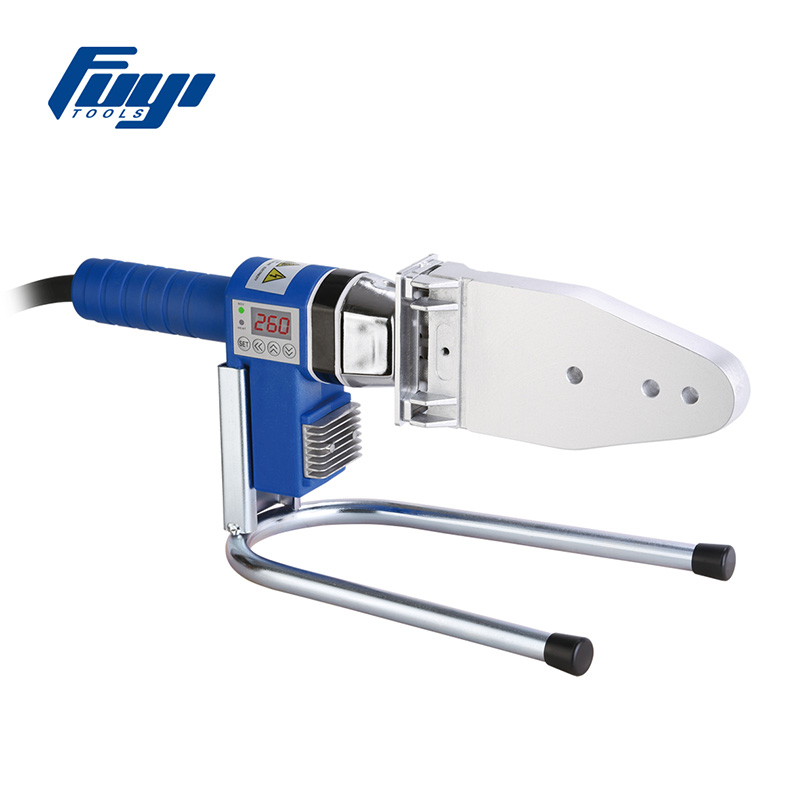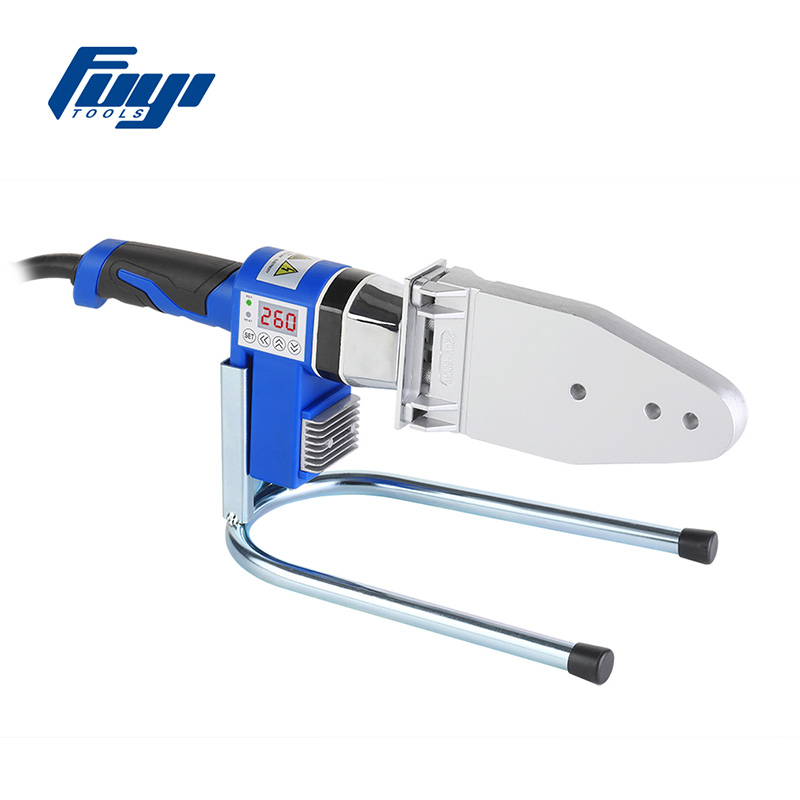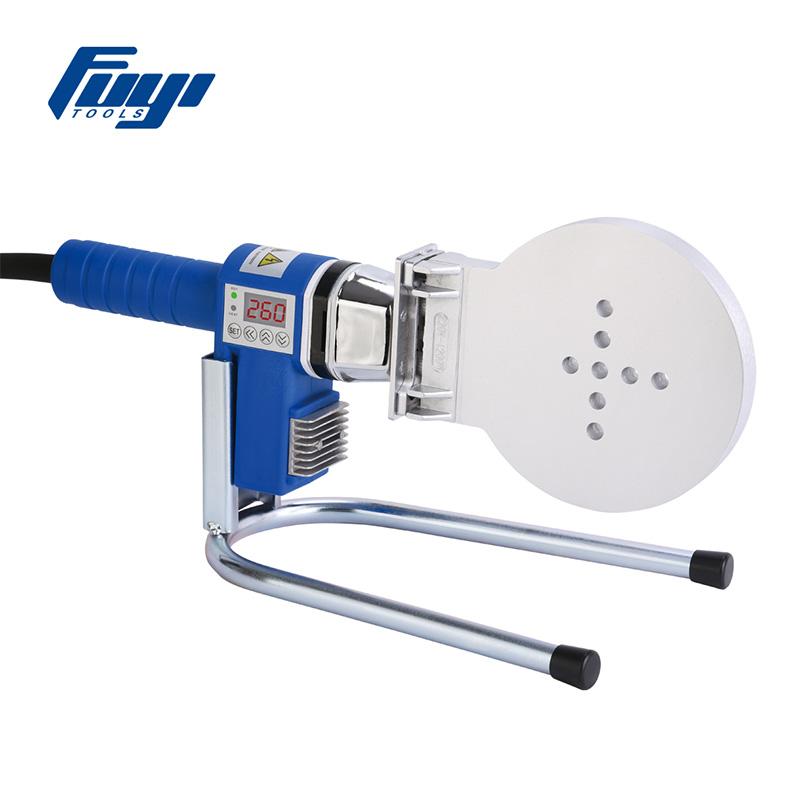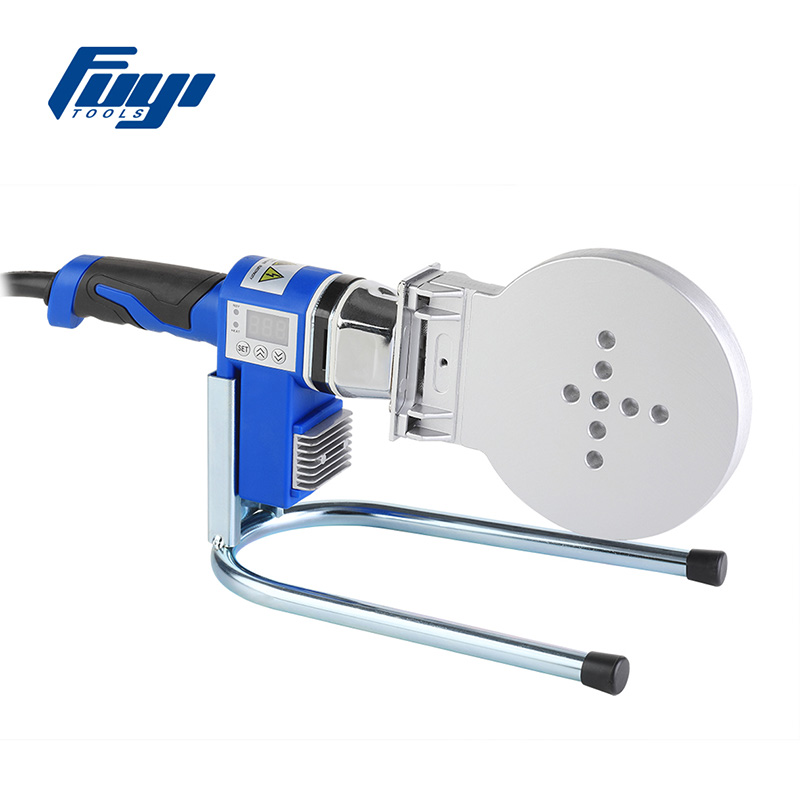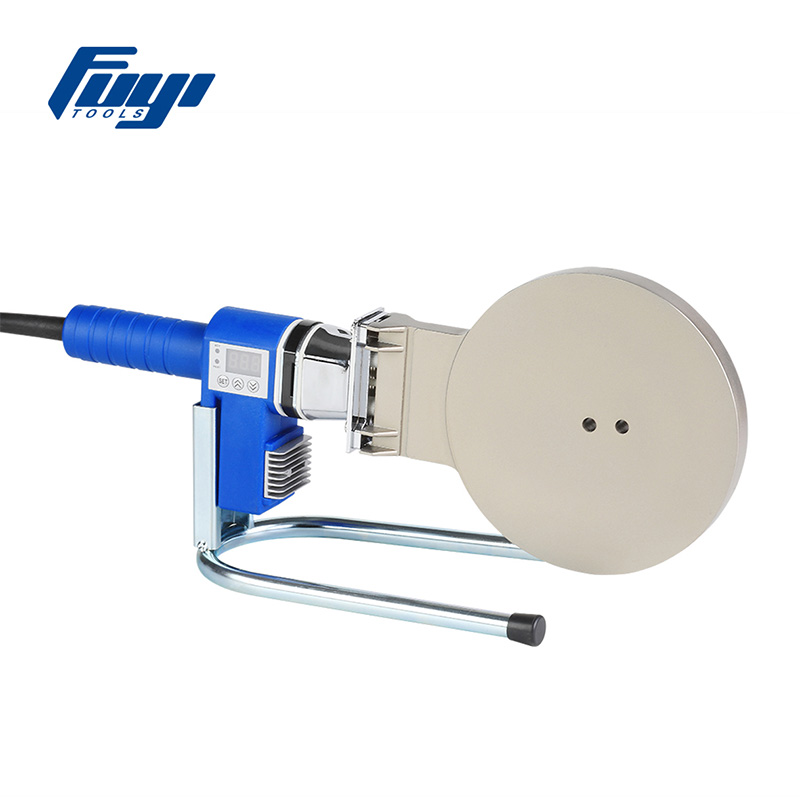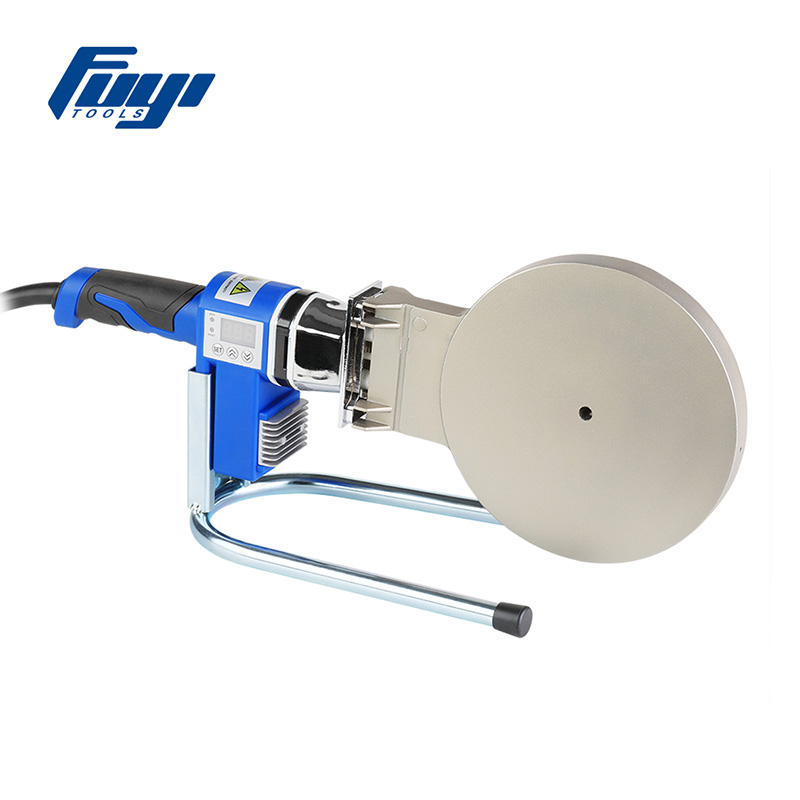
Using a socket fusion welding machine correctly comes down to six controlled steps: prepare, clamp, heat, join, hold, and cool — and the single most common cause of joint failure is rushing the heating or cooling phase. Each step has a specific time and temperature tolerance, and skipping or shortening any one of them weakens the fusion bond, even if the finished joint looks fine on the outside.
Below is the complete operating sequence, the parameters to follow for each step, and the mistakes that most often cause weld failures in the field.
Confirm you have the following before powering on the machine:
Cut the pipe square using a pipe cutter — an angled cut creates an uneven heat surface later. Mark the insertion depth on the pipe using the fitting itself as a guide, then scrape the outer surface of the pipe end to remove the oxidized layer, which prevents proper fusion if left in place. Wipe both the pipe end and the fitting socket with a clean, lint-free cloth to remove dust, oil, or grease. Never use solvents that leave residue, as this can compromise the fusion bond.
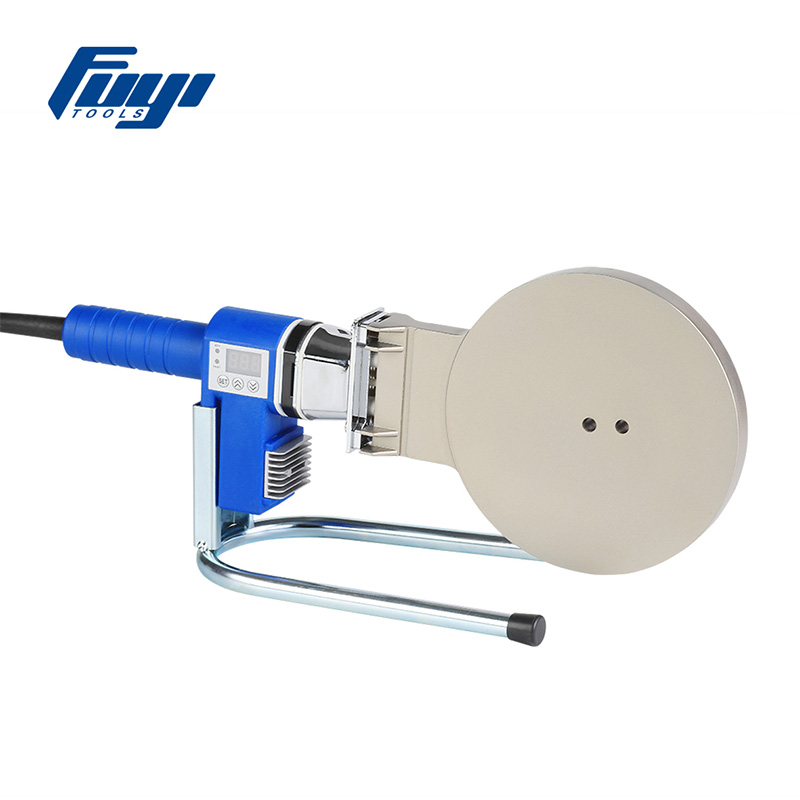
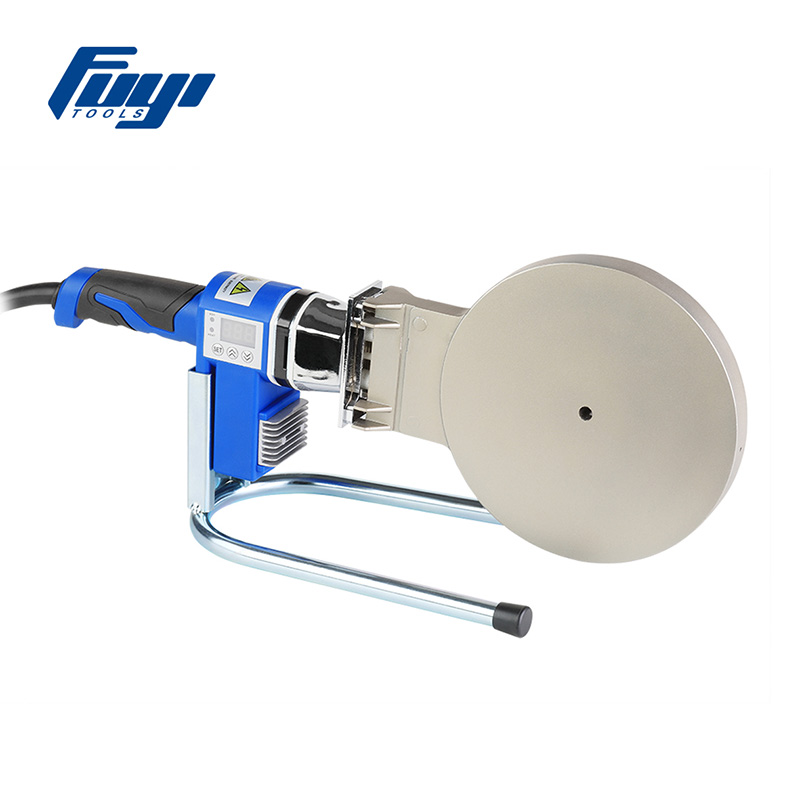
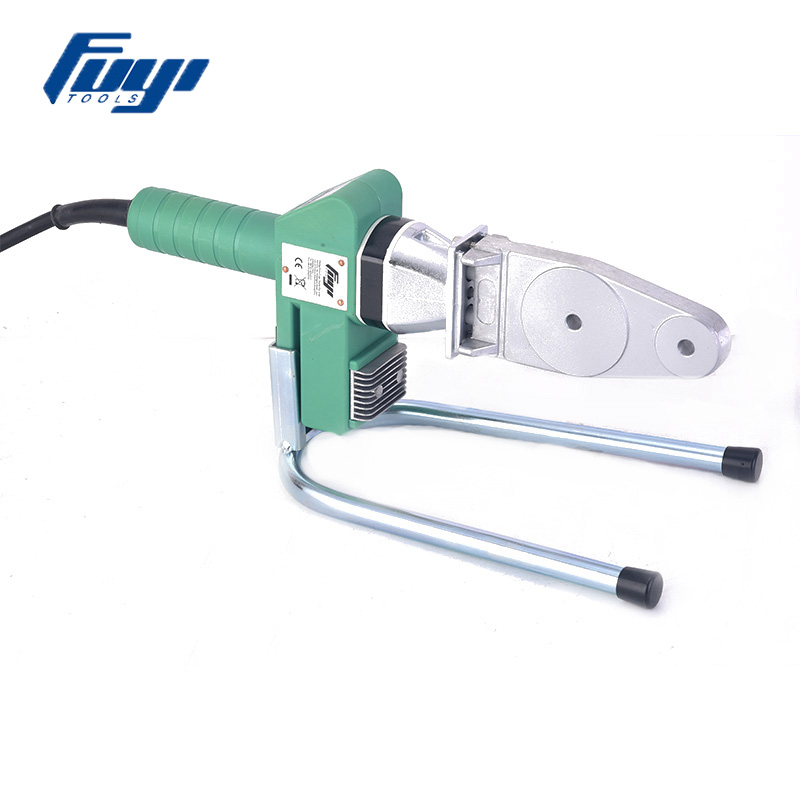
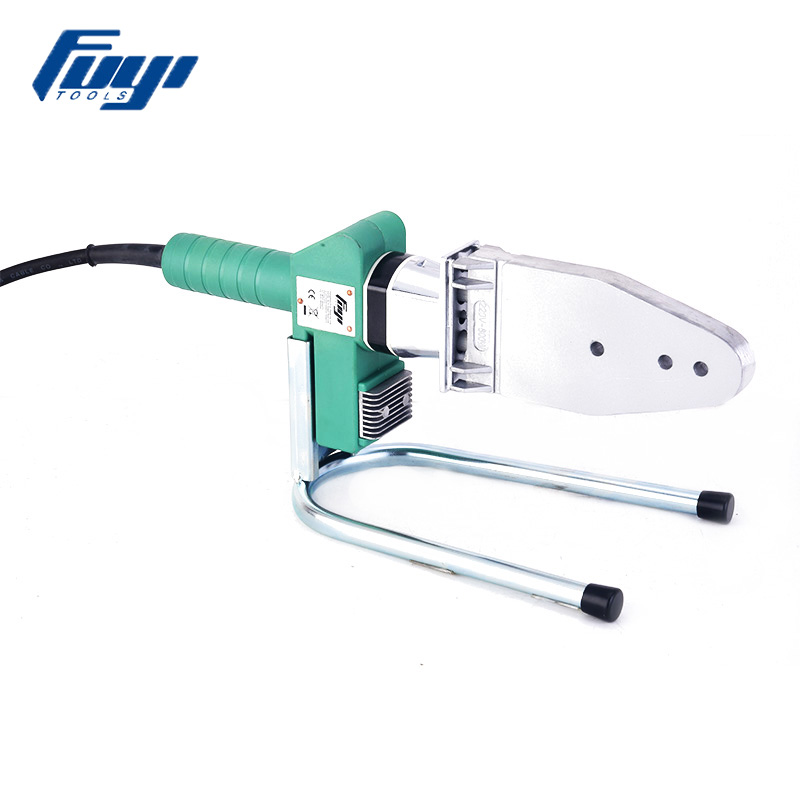
Set the heating plate to the manufacturer-specified temperature for your pipe material — typically between 210°C and 230°C for standard PE pipe. Allow the machine to reach and stabilize at this temperature before proceeding; most digital units display a ready indicator once stable. Select the correct heating insert and clamp jaws for your pipe diameter and install them securely on the machine.
Secure the pipe in one clamp and the fitting in the other, aligning them coaxially with the heating plate positioned between them. Confirm the insertion-depth mark is visible and properly aligned with the clamp edge. Poor alignment at this stage is one of the leading causes of off-angle or weak joints, so take the extra few seconds to verify both pieces sit straight before heating begins.
Bring the heating plate into contact with both the pipe end and the fitting socket simultaneously, applying light, even pressure. Hold this position for the heating time specified for your pipe diameter — refer to the table below for standard reference times.
| Pipe Diameter | Heating Time | Joining Time | Cooling Time |
|---|---|---|---|
| 20mm–32mm | 5–7 seconds | 4 seconds | 3 minutes |
| 40mm–63mm | 8–12 seconds | 6 seconds | 6 minutes |
| 75mm–110mm | 18–24 seconds | 8 seconds | 10 minutes |
| 125mm | 30–35 seconds | 10 seconds | 12 minutes |
Heating too long over-melts the plastic and causes sagging; heating too short leaves the surface under-fused — both produce joints that can fail under pressure, so following the time table precisely matters more than it might appear.
Quickly withdraw the heating plate — this transition should take no more than 2–3 seconds to prevent the melted surfaces from cooling and oxidizing before joining. Immediately press the pipe and fitting together to the marked insertion depth using firm, even pressure, and hold them in place using the machine's clamping mechanism.
Maintain joining pressure for the specified joining time (see table above), then release pressure but keep the assembly clamped or undisturbed for the full cooling time. Moving or applying stress to the joint before it fully cools is one of the most common causes of fusion failure on job sites, even though the joint may appear solid within the first minute.
After cooling, check the joint for these visual indicators of a successful fusion:
Clean the heating plate after each use to remove melted plastic residue, and inspect the PTFE coating periodically for wear, since a damaged coating causes plastic to stick and tear during separation. Hangzhou Fuyi Tools Co., Ltd recommends checking heating plate temperature accuracy against a calibrated thermometer at regular intervals, as drift in temperature control is one of the most common reasons consistent operators start producing inconsistent welds over time.
Copyright © 2024 Hangzhou Fuyi Tools Co., Ltd. All Rights Reserved.
|