In modern infrastructure development, High-Density Polyethylene (HDPE) piping has become the material of choice for the water and gas industries due to its corrosion resistance, long lifespan, and flexibility. However, the integrity of a piping system depends heavily on the quality of its joints. Currently, the market is dominated by two primary joining technologies: Electrofusion Welding and Butt Fusion Welding.
While both methods create a monolithic, leak-proof joint that is stronger than the pipe itself, they differ significantly in mechanical principles, required equipment, site flexibility, and long-term Return on Investment (ROI). For project engineers and procurement specialists, understanding the core differences between an Electrofusion Welding Machine and a butt fusion rig is essential for optimizing construction schedules and controlling project budgets.
The underlying logic of the joining technology determines how the joint performs under internal pressure and environmental stress.
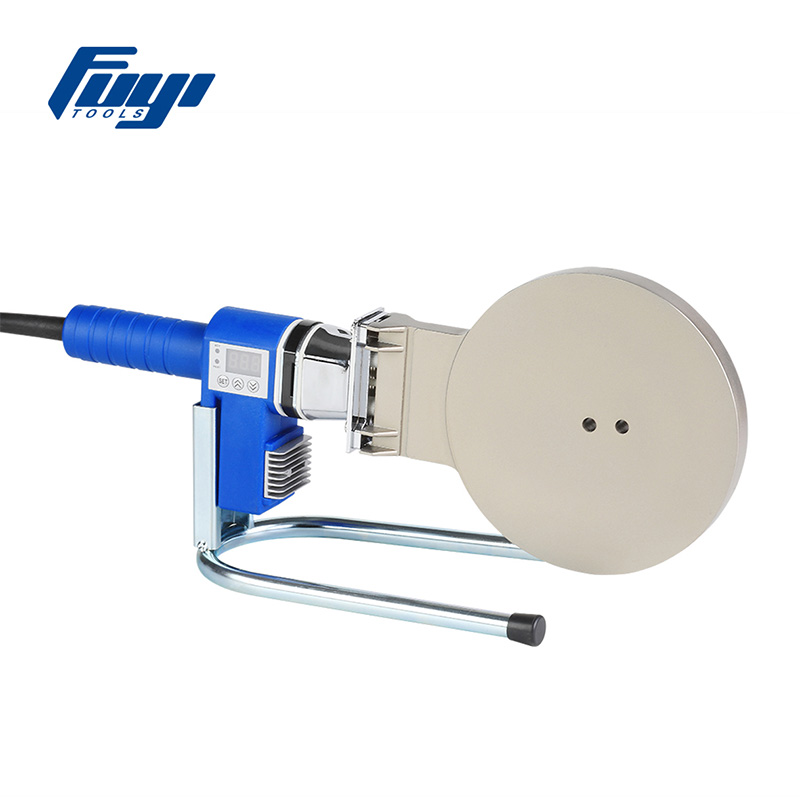
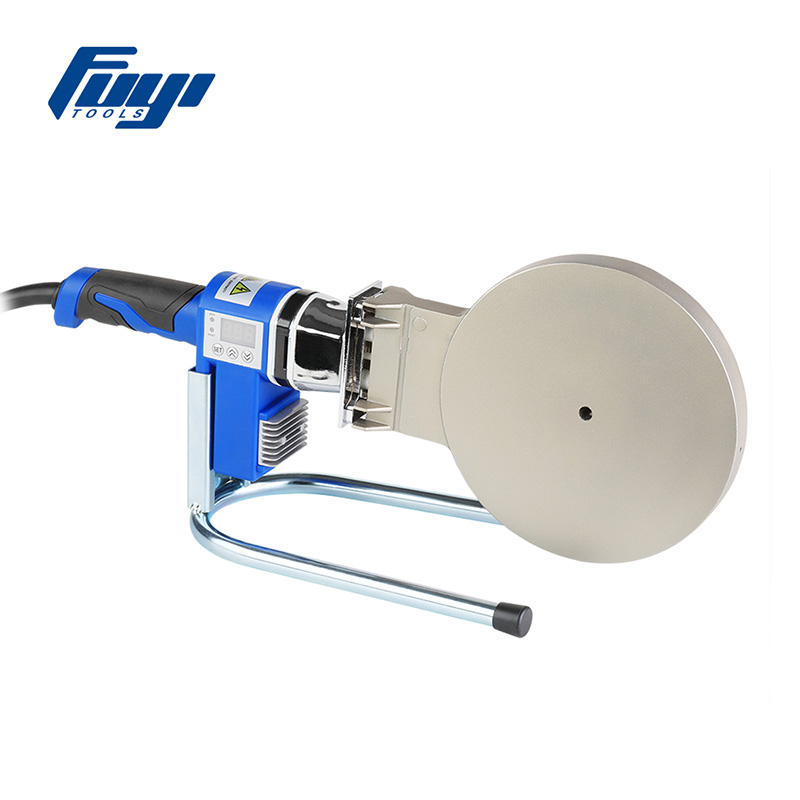
Butt fusion is a “face-to-face” welding method. Its basic principle involves using a Teflon-coated heating plate to heat the ends of two pipes to a molten state, then pressing them together under controlled hydraulic pressure.
Electrofusion utilizes a completely different “socket-style” logic. It relies on a specialized Electrofusion Fitting (such as a coupler, tee, or elbow) that contains pre-embedded electrical heating coils.
In complex construction sites, such as narrow urban streets or deep trenches, equipment portability is often the deciding factor in construction speed.
Electrofusion machines are renowned for their compact and lightweight design. A modern Automatic Electrofusion Welding Machine is typically the size of a suitcase and can easily be carried by one person into a trench several meters deep.
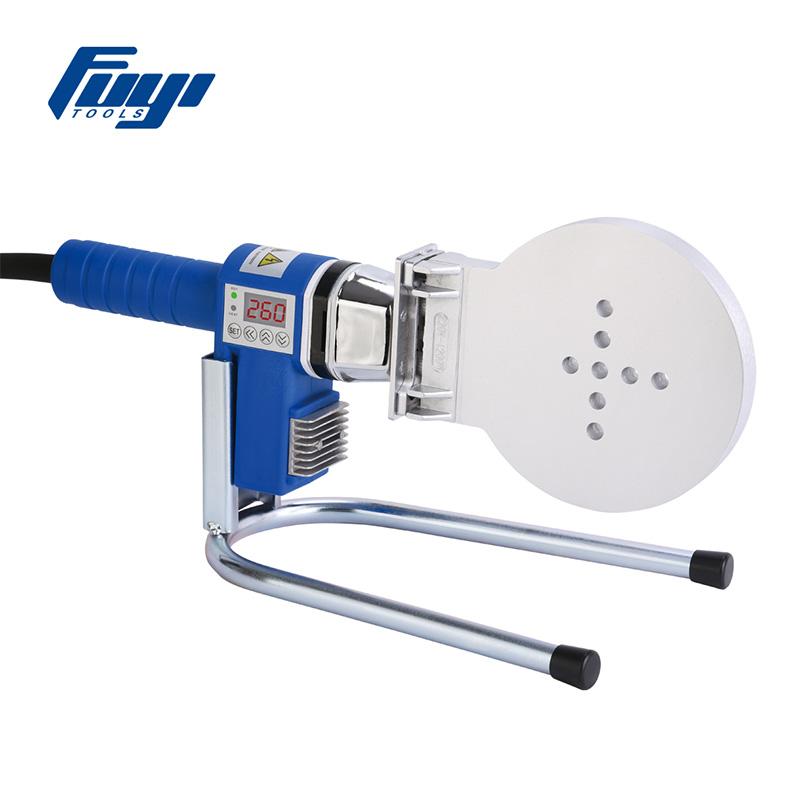
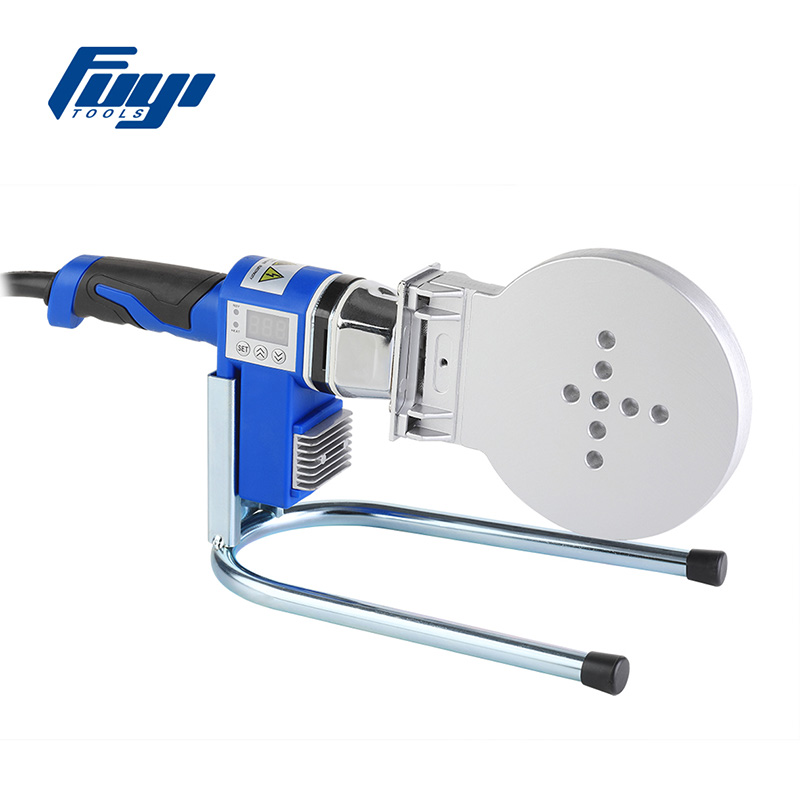
In contrast, a butt fusion machine is a relatively bulky system. It includes a hydraulic control unit, a planer, a heating plate, and a carriage frame to hold the pipes.
From a financial perspective, the expenditure structures of these two methods are entirely different. Companies searching SEMrush for “Best ROI for HDPE pipe welding” are often weighing these long-term costs.
Butt fusion is better suited for “long-distance, large-diameter” projects.
Electrofusion is widely used in “urban water/gas distribution networks” and “complex repair” scenarios.
To help engineers with the selection process, the following table compares the two methods across key performance indicators:
| Feature | Butt Fusion Welding | Electrofusion Welding |
|---|---|---|
| Common Size Range | 63mm to 2000mm+ | 16mm to 710mm (and larger) |
| Equipment Portability | Lower (Requires hydraulics/frame) | High (Handheld/Suitcase size) |
| Human Error Risk | Higher (Relies on pressure/time judgment) | Minimal (Automated via barcode) |
| Internal Smoothness | Produces internal bead | Completely smooth (No bead) |
| Alignment Requirements | Requires absolute axial alignment | Slightly more tolerant of alignment |
| Best Applications | Long-haul mains, large diameters | Urban networks, repairs, tight spaces |
Yes. Provided that the operation follows standard procedures, the fusion zone in an electrofusion weld typically exhibits “ductile failure” in pull tests, meaning the break occurs in the pipe itself rather than at the interface. This means the joint strength and lifespan are fully capable of matching a system design life of 50+ years.
Polyethylene pipes form a very thin “Oxidation Layer” during storage. This oxide skin prevents molecular diffusion during welding. Before using the Electrofusion Welding Machine, this layer must be removed using a specialized scraper; otherwise, a “cold weld” may occur, causing the joint to peel or fail under pressure.
Generally, yes. Most modern electrofusion machines comply with international standards (such as ISO 12176-2) and are universal. As long as the fitting features a standard 40V or 24V barcode, the machine can identify and execute the weld. However, to ensure warranty and the highest safety levels, consulting your equipment supplier is always recommended.
Copyright © 2024 Hangzhou Fuyi Tools Co., Ltd. All Rights Reserved.
|