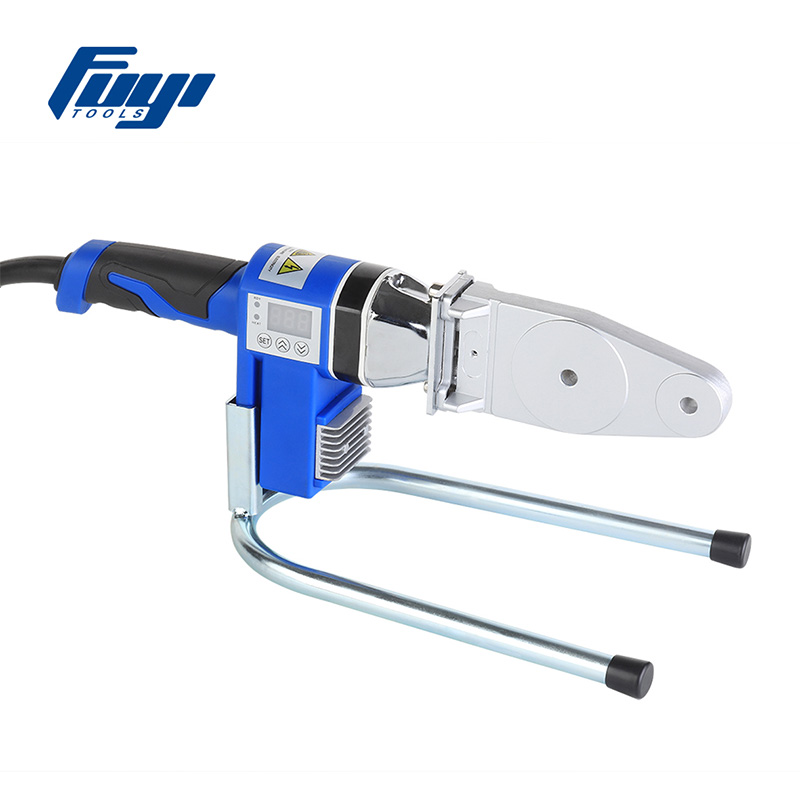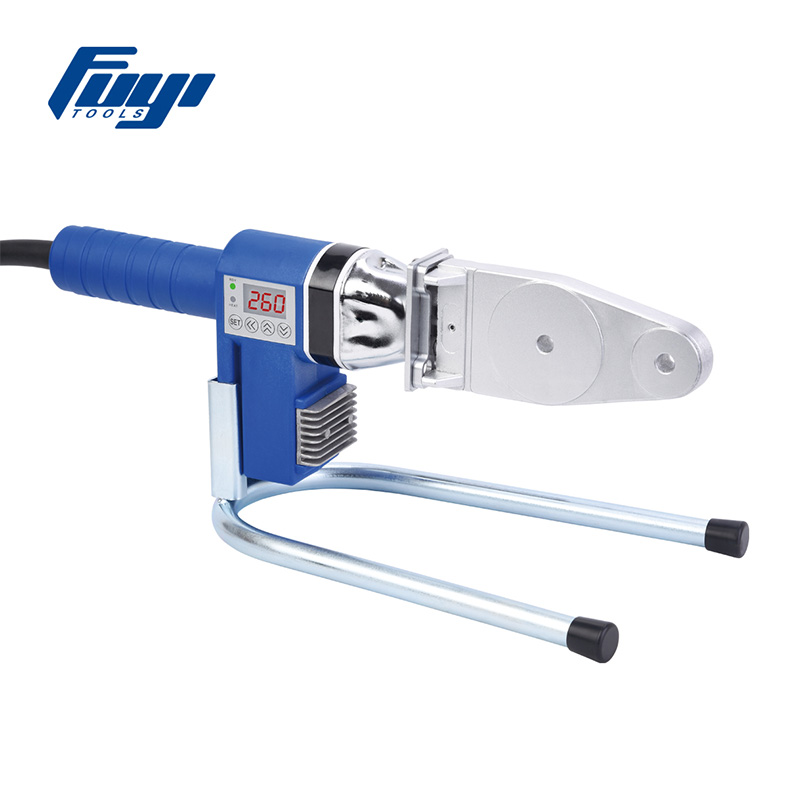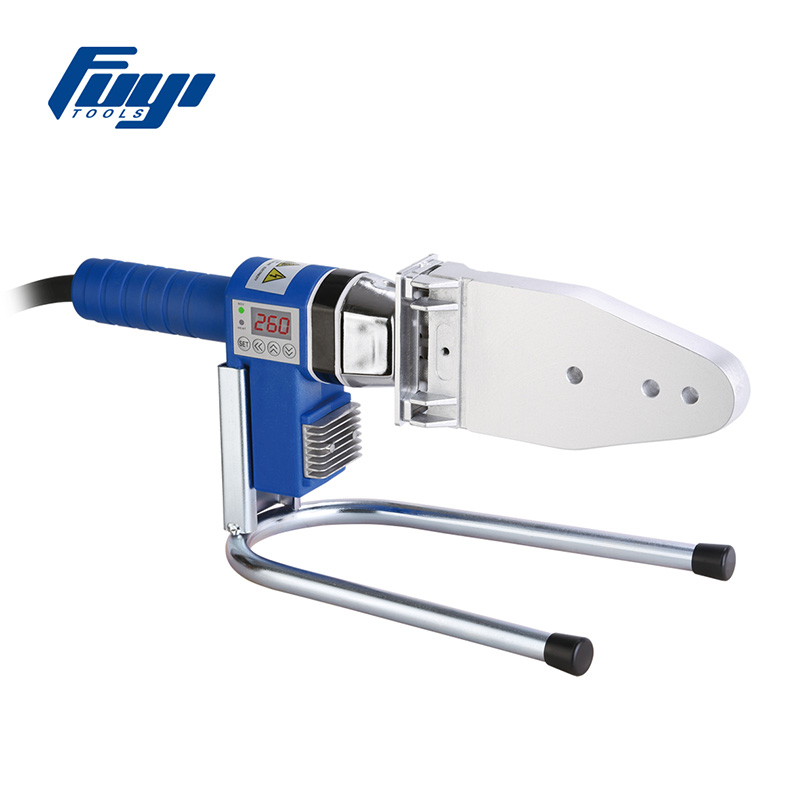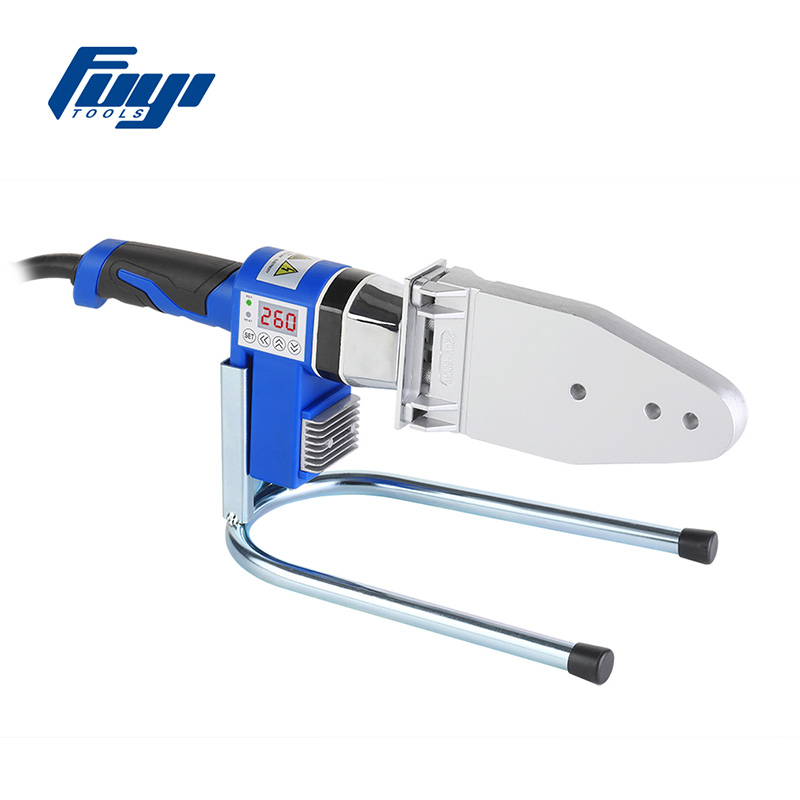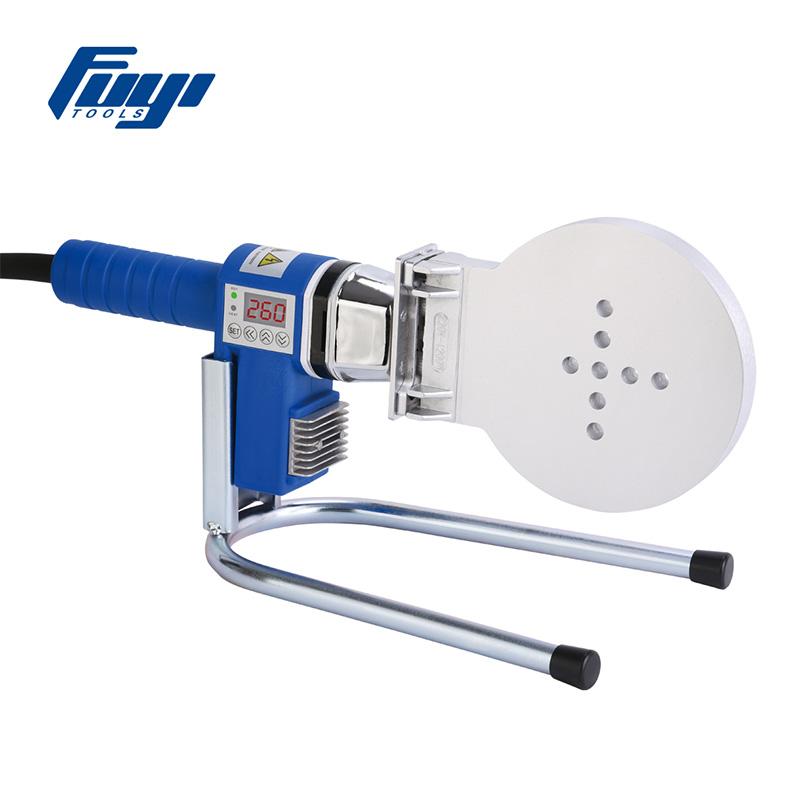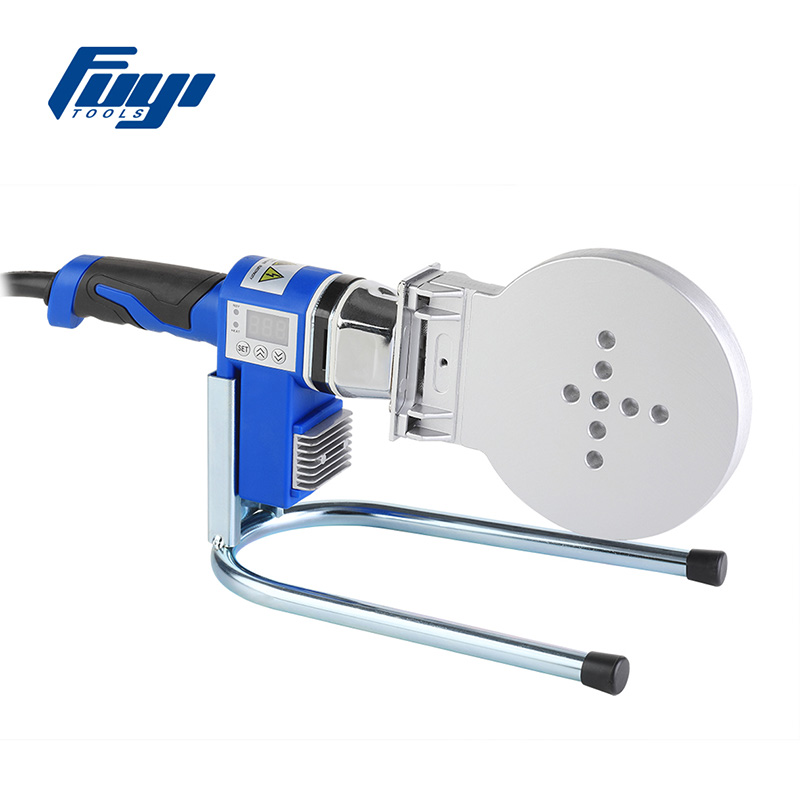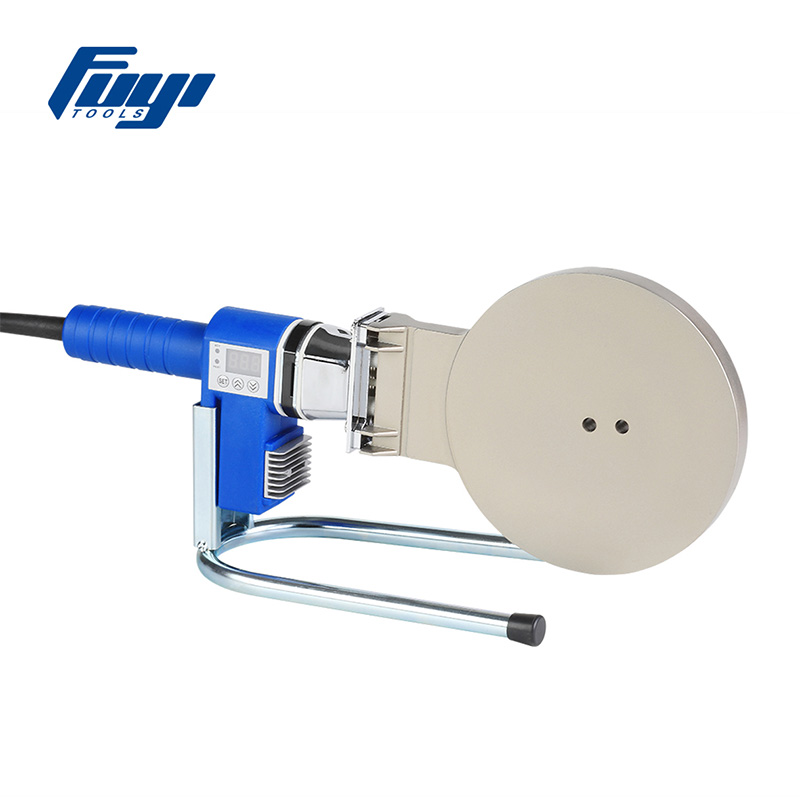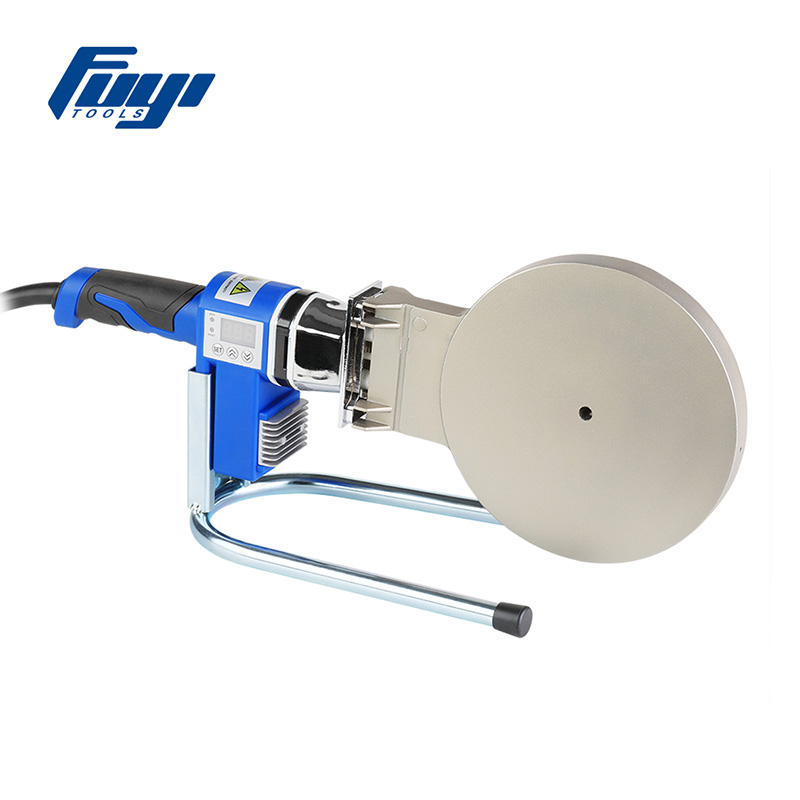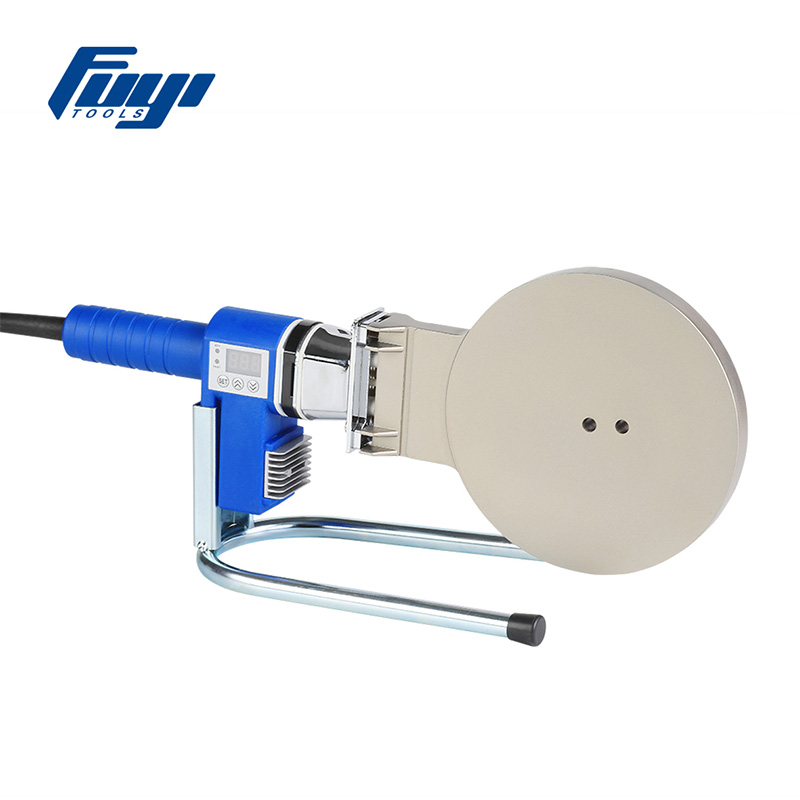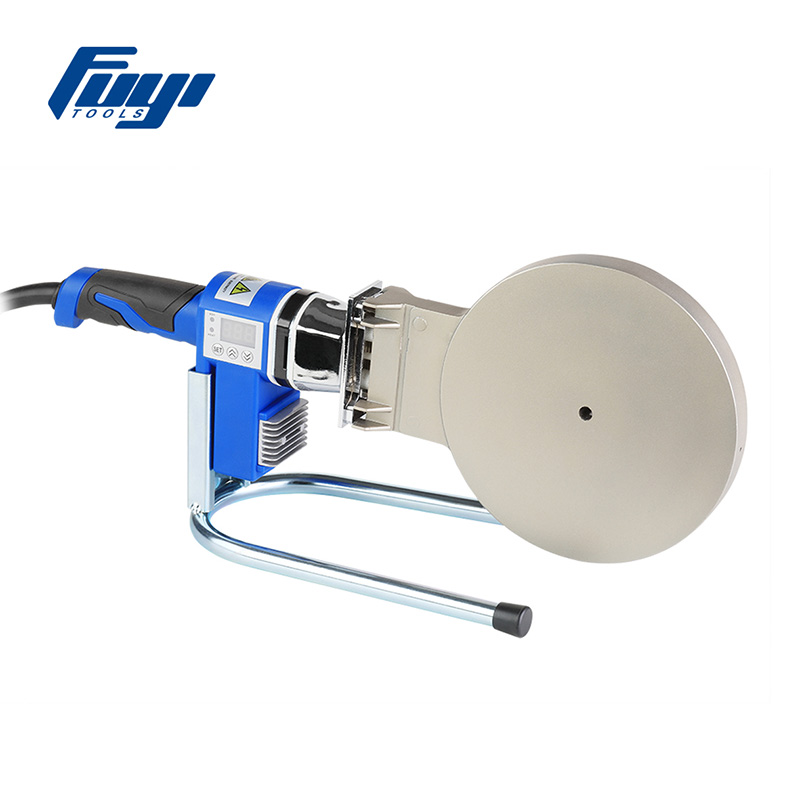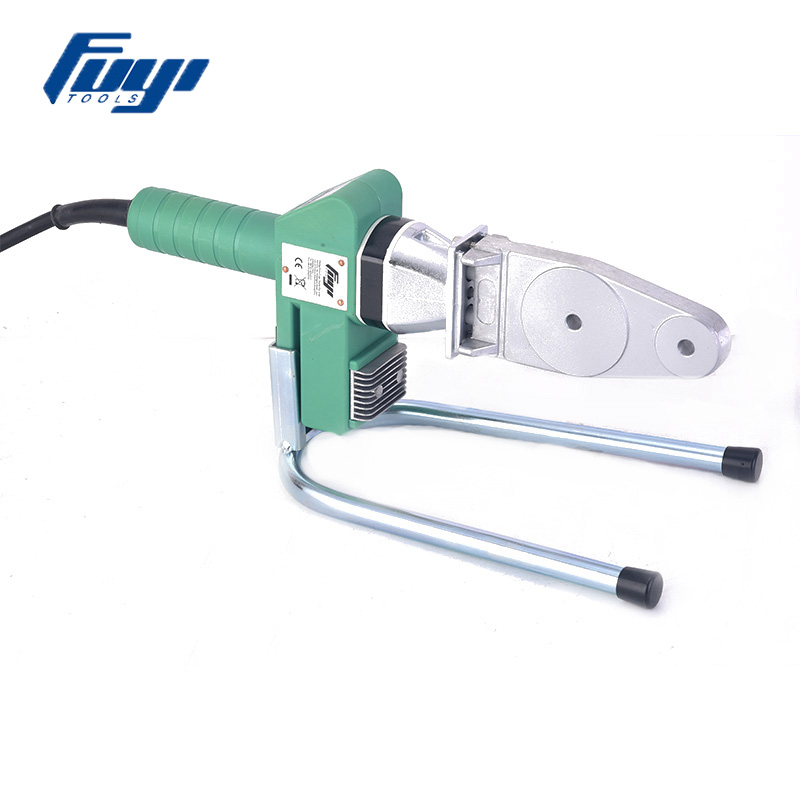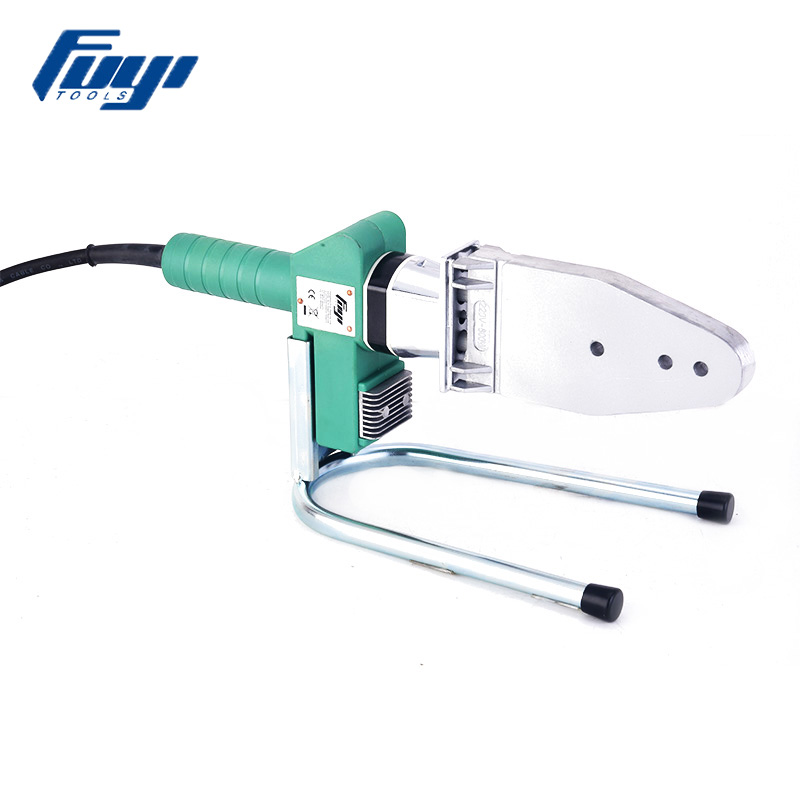
In fields involving high-pressure piping systems and industrial metal fabrication, Cold Ring Pliers are the core tools for ensuring joint integrity. Whether you are performing PPR (Polypropylene Random Copolymer) socket fusion or installing specialized metal ring fittings, the choice between a manual or hydraulic model will directly impact your project schedule, safety, and welding consistency. The design intent of cold ring pliers is to maintain pipe roundness and provide a physical “depth stop” for socket welding, preventing over-insertion that leads to reduced internal flow.
The most fundamental difference between these two types of Cold Ring Pliers lies in their method of “force multiplication.” This choice affects not only the physical effort required by the operator but also the precision and uniformity of the clamping force distribution.
One of the primary purposes of using Cold Ring Pliers is to eliminate “Ovality.” Pipes often become slightly elliptical due to gravity during storage and transport. While manual tools excel with thin-walled small pipes, hydraulic tools provide the constant pressure necessary for thick-walled industrial pipes to ensure 360-degree contact with the heating die. This uniform heating is the first step in ensuring a leak-proof joint.
In manufacturing or repair environments, the choice of tool directly impacts “Non-Productive Time” (NPT) and overall project throughput. Cold Ring Pliers are not just clamps; they are the key to standardizing construction site operations.
In large-scale industrial projects, such as installing district heating systems or chemical transport lines, hundreds of joints must be prepared daily.
High-specification industries, such as aerospace manufacturing or high-pressure gas distribution, require verifiable consistency for every joint.
To assist in your procurement decision, please refer to the technical comparison table below to identify the tool best suited for your project’s pipe specifications and working conditions:
| Technical Feature | Manual Cold Ring Pliers | Hydraulic Cold Ring Pliers | Selection Advice |
|---|---|---|---|
| Power Source | Human Muscle / Leverage | Hydraulic Fluid / Piston Pump | Based on labor intensity |
| Ideal Pipe Diameter | 16mm to 63mm | 63mm to 160mm+ | Based on pipe size |
| Clamping Force | Moderate (Variable) | Ultra-High (Constant/Controlled) | Based on rounding needs |
| Portability | Excellent (Lightweight) | Moderate (Heavier/Requires Pump) | Based on site space |
| Maintenance Needs | Minimal (Lubrication only) | Moderate (Check seals/fluid) | Based on O&M capability |
| Investment Cost | Budget-Friendly | Professional / High-End | Based on project budget |
The construction and materials of Cold Ring Pliers must withstand the rigors of the job site, from dusty construction areas to corrosive chemical plants. Tool reliability is the guarantee of productivity.
Regardless of the drive system, industrial-grade cold ring pliers should be manufactured from high-tensile, heat-treated alloy steel.
While it is theoretically possible to manufacture oversized manual tools, it is not recommended. 110mm pipe is extremely rigid, and the force generated by manual leverage is rarely enough to correct it back to a perfect circle. Using a hydraulic tool ensures weld quality and prevents operator injury.
There are two core benefits: first is forced rounding, which ensures the pipe can smoothly enter the heating die; second is depth positioning. By installing the pliers at a predetermined distance from the pipe end, it acts as a physical stop, preventing the pipe from being pushed too deep into the fitting and blocking the internal diameter with molten plastic (bead over-insertion).
Most professional-grade Cold Ring Pliers are designed with fixed sizes to ensure maximum structural strength. However, in some modular designs, inner liner rings can be swapped to accommodate different diameters. Always verify your pipe’s SDR standard before purchase to ensure the jaws match perfectly.
Copyright © 2024 Hangzhou Fuyi Tools Co., Ltd. All Rights Reserved.
|