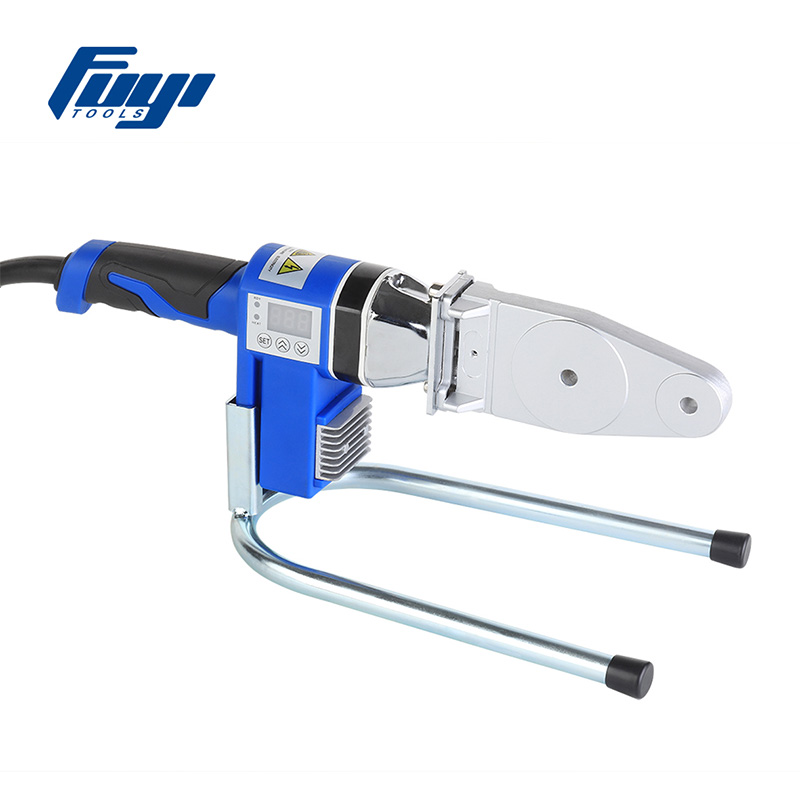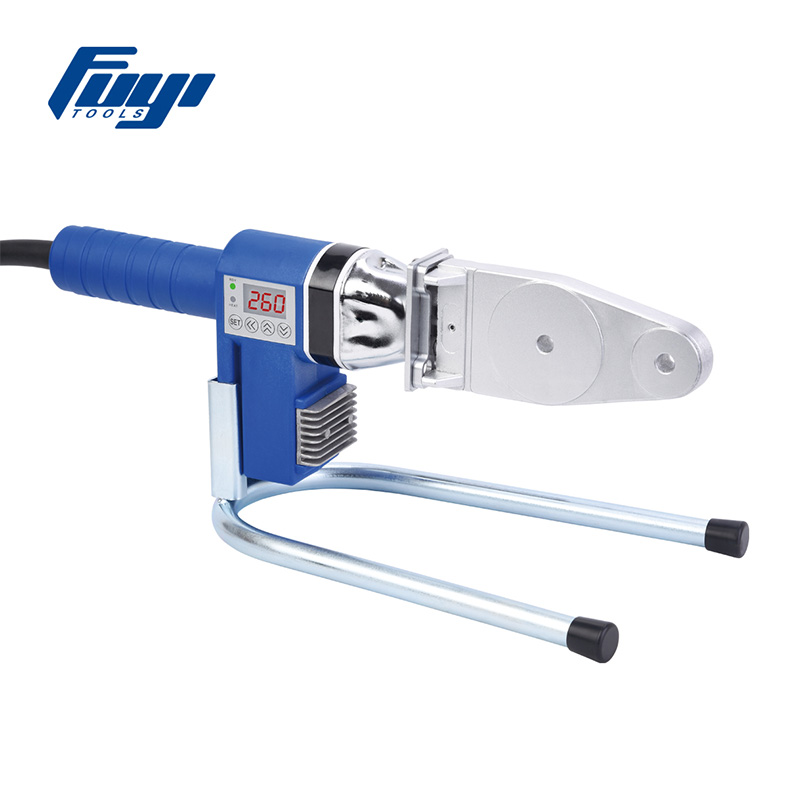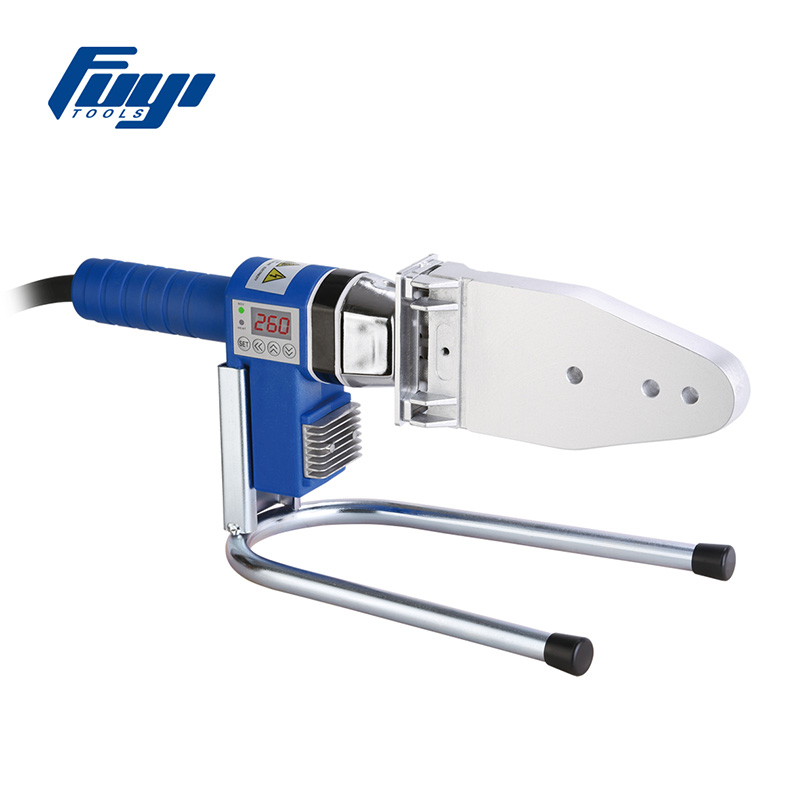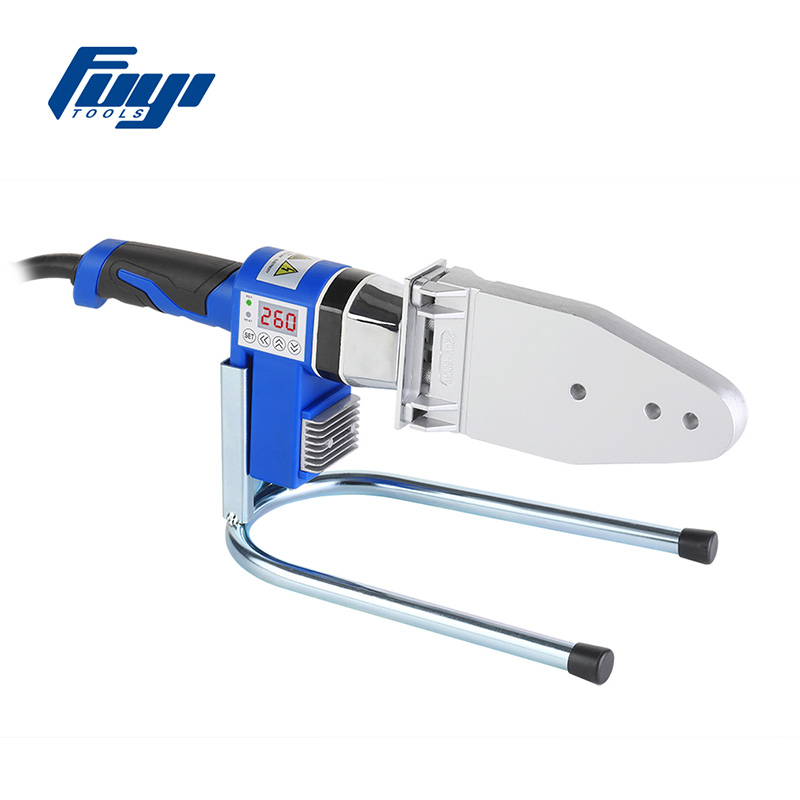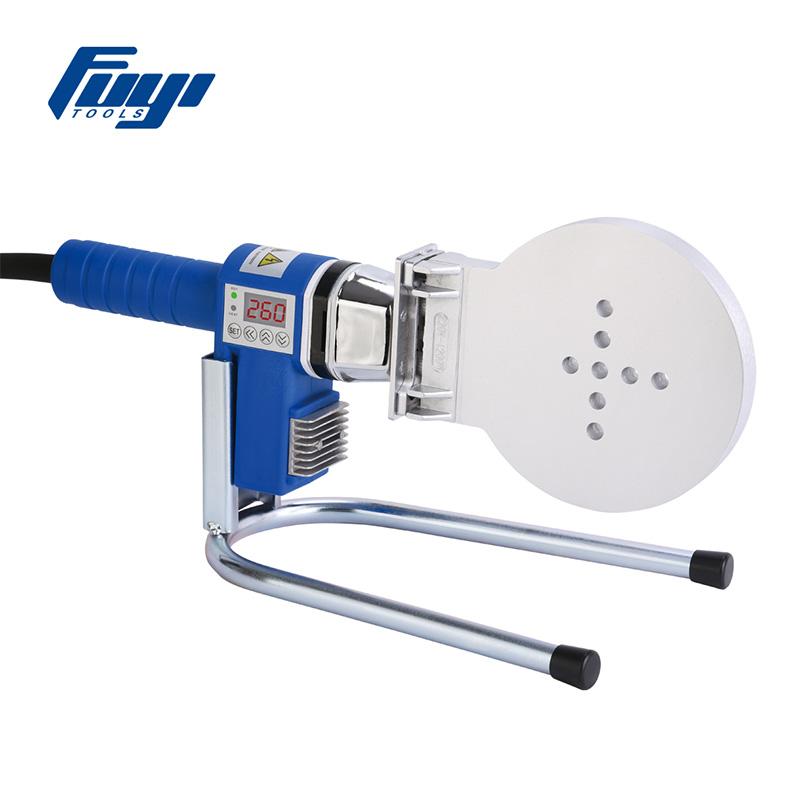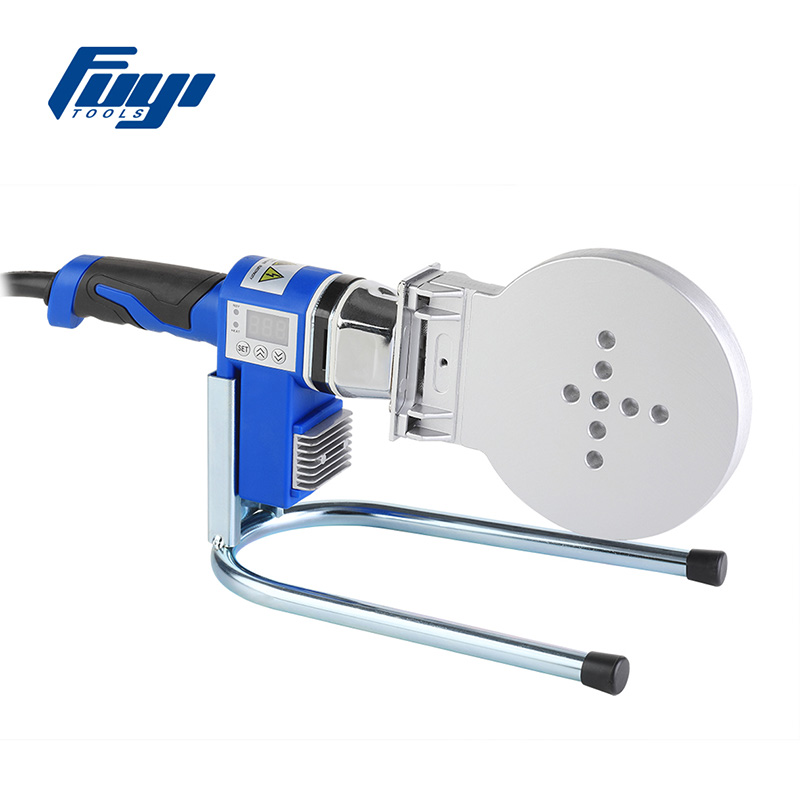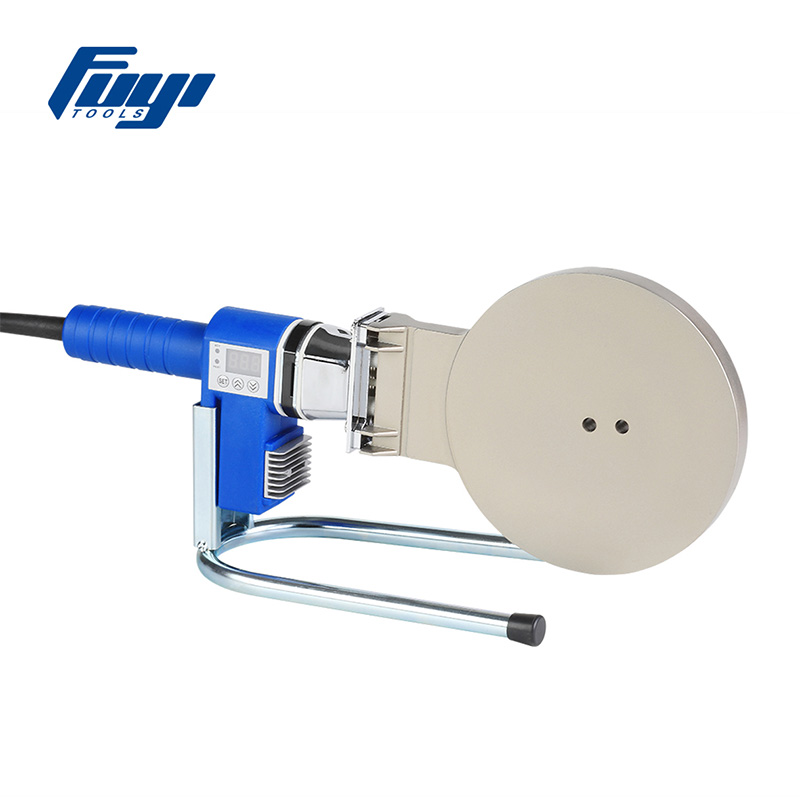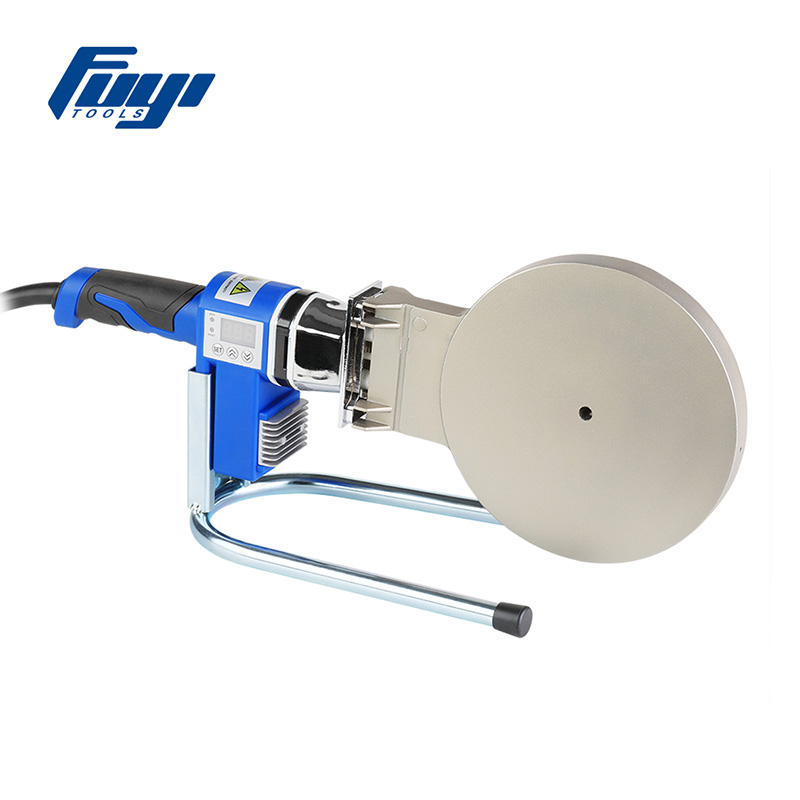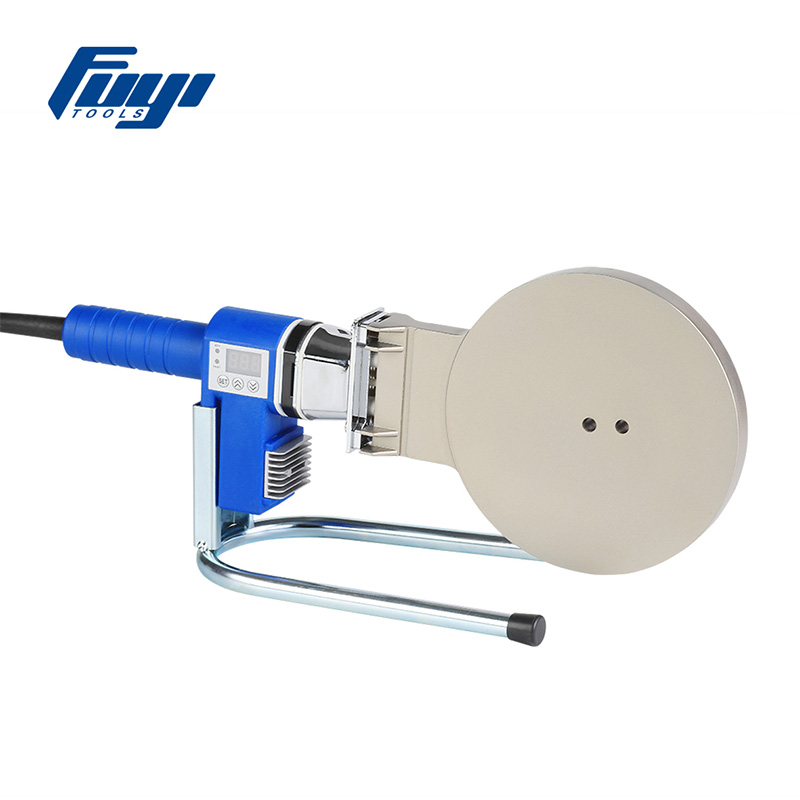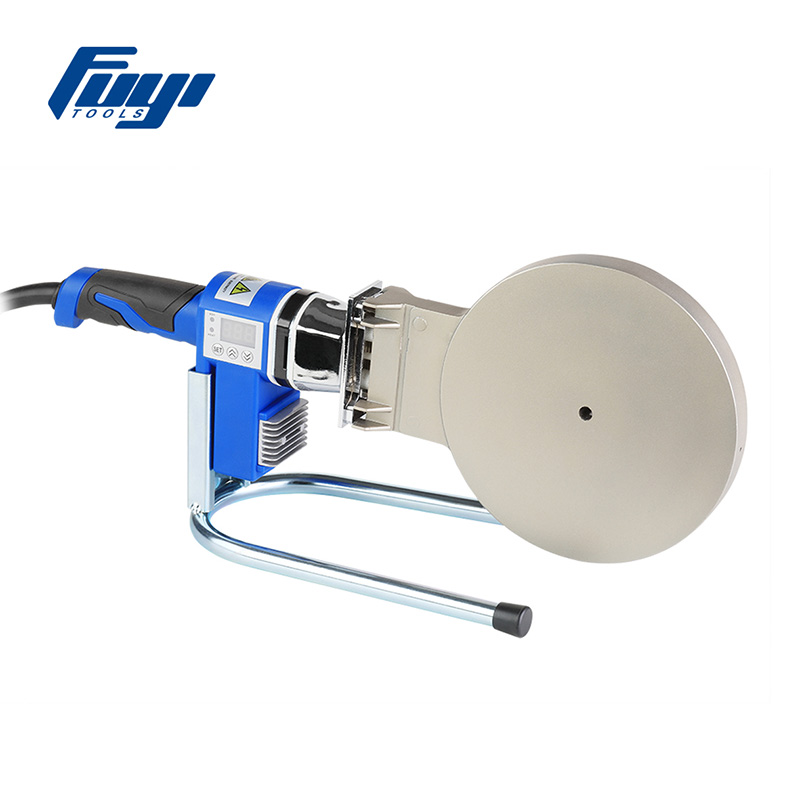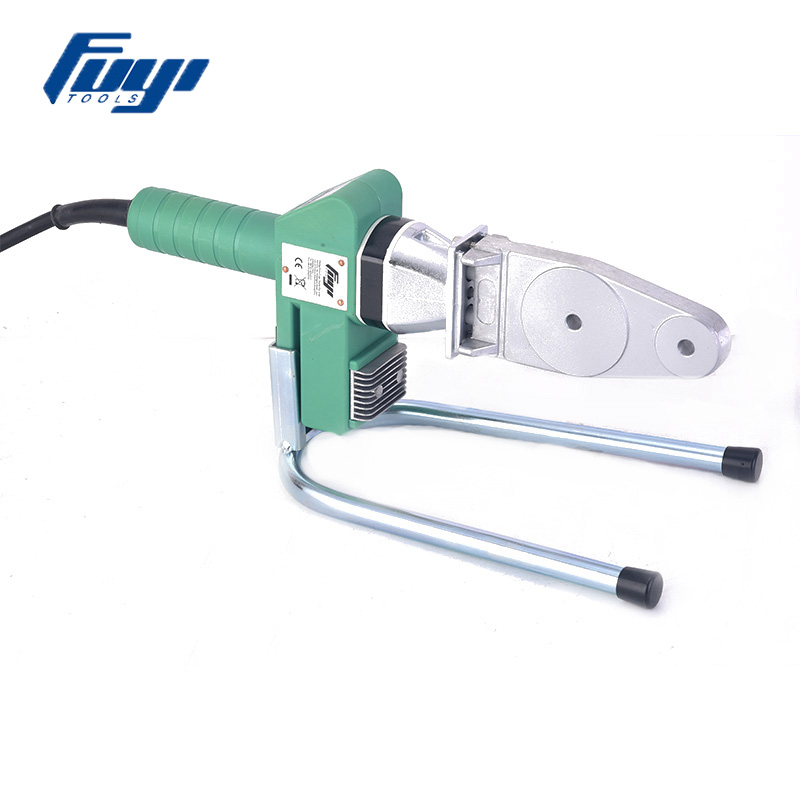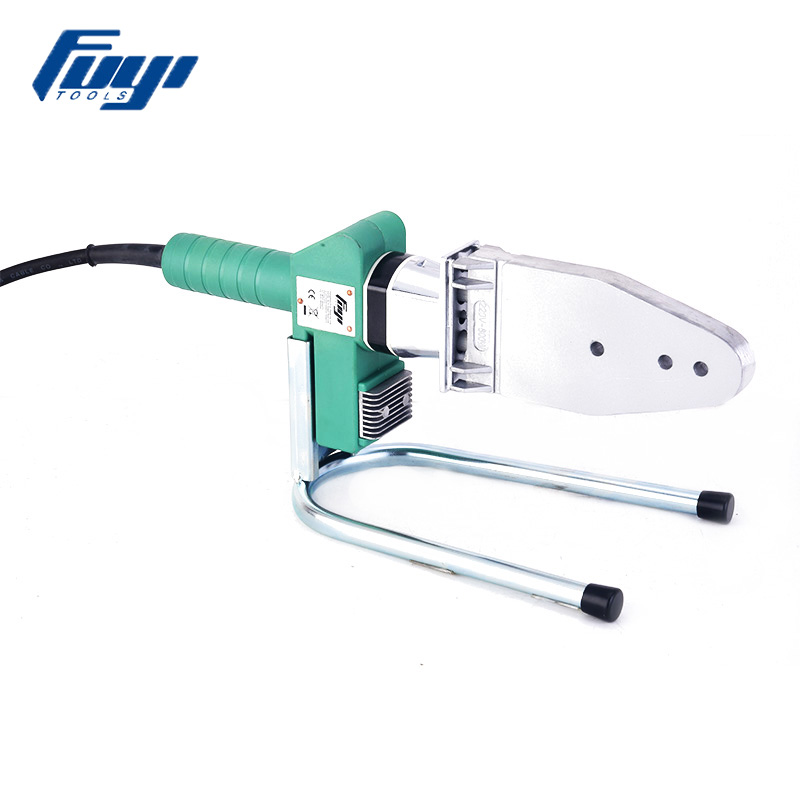
In the field of joining thermoplastic pipes—such as PPR, HDPE, PVDF, and PB—choosing between a Bench Socket Fusion Welding Machine and a handheld welder is often a trade-off between portability and precision. While handheld models are common in small residential repairs or tight spaces, bench-mounted machines have become the standard for ensuring consistency in industrial-grade infrastructure and large-scale commercial projects.
The most common cause of socket fusion failure is “axial misalignment.” In handheld operations, the technician must rely entirely on visual judgment and manual skill to ensure the pipe enters the fitting at a perfect 90-degree angle.
Precision in welding is not just about the moment of “insertion”; it is also about the ability to remain fixed during the “cooling” phase.
Socket fusion requires extremely accurate control of the “insertion depth.” If the pipe is pushed too deep, it creates an excessive internal bead that restricts flow and generates turbulence; if the depth is insufficient, the connection surface will lack the necessary strength to withstand system pressure.
Every Bench Socket Fusion Welding Machine is equipped with adjustable mechanical limiters (Depth Stoppers).
Welding quality depends heavily on the pressure applied during the heating and joining phases.
To assist in procurement and engineering selection, we have compiled a detailed comparison table showcasing the technical superiority of the Bench Socket Fusion Welding Machine:
| Technical Dimension | Handheld Welder | Bench Socket Fusion Machine |
|---|---|---|
| Alignment Precision | Manual / Visual (Low) | Mechanical / Guide Rails (Ultra-High) |
| Depth Control | Manual Marking (Error-prone) | Mechanical Stoppers (Fixed & Precise) |
| Operator Fatigue | High (Requires manual support) | Low (Table-supported) |
| Large Diameter Support | Difficult (Usually limited <63mm) | Excellent (Supports up to 125mm+) |
| Quality Consistency | Dependent on Technician Skill | Dependent on Machine Calibration |
| Best Application | Home Repair / Tight Spaces | Industrial Networks / Prefab / Projects |
Temperature precision is the third pillar of a high-quality weld. While both handheld and bench machines use heating elements, the design of a bench machine allows for the installation of more sophisticated thermal control systems.
Because a Bench Socket Fusion Welding Machine has more internal space, it is often equipped with high-performance digital dual-sensor controllers.
Operating a handheld welder on 90mm or 110mm pipes can be hazardous. The significant torque of the heating dies and the heat generated make it difficult for an operator to maintain balance.
Yes. A high-quality Bench Socket Fusion Welding Machine can weld various thermoplastics, including PPR, HDPE, PP-H, PB, and PVDF, by simply switching the PTFE-coated dies and adjusting the digital temperature settings (e.g., 260°C for PPR).
On the contrary. Because the machine handles the critical alignment and depth limiting, the operator only needs to focus on timing and temperature settings. Compared to handheld welding, which requires years of experience to master, a bench machine allows a novice to produce professional-grade, compliant welds in a short time.
Based on field data, when pre-fabricating manifolds or large pipe networks, a bench machine can increase productivity by 30% to 50% compared to handheld tools, while reducing the scrap rate to nearly zero.
Copyright © 2024 Hangzhou Fuyi Tools Co., Ltd. All Rights Reserved.
|