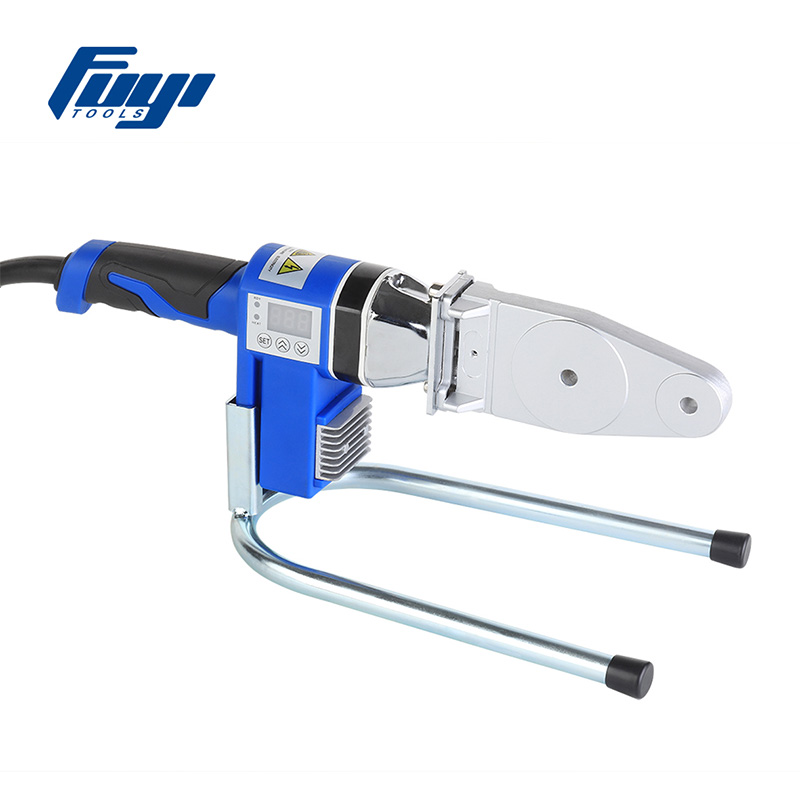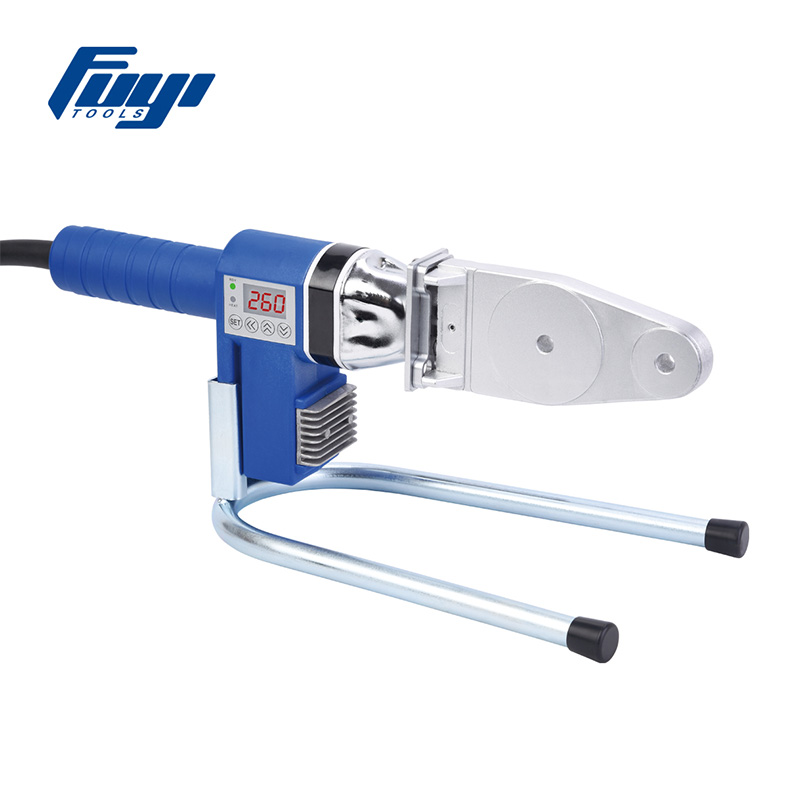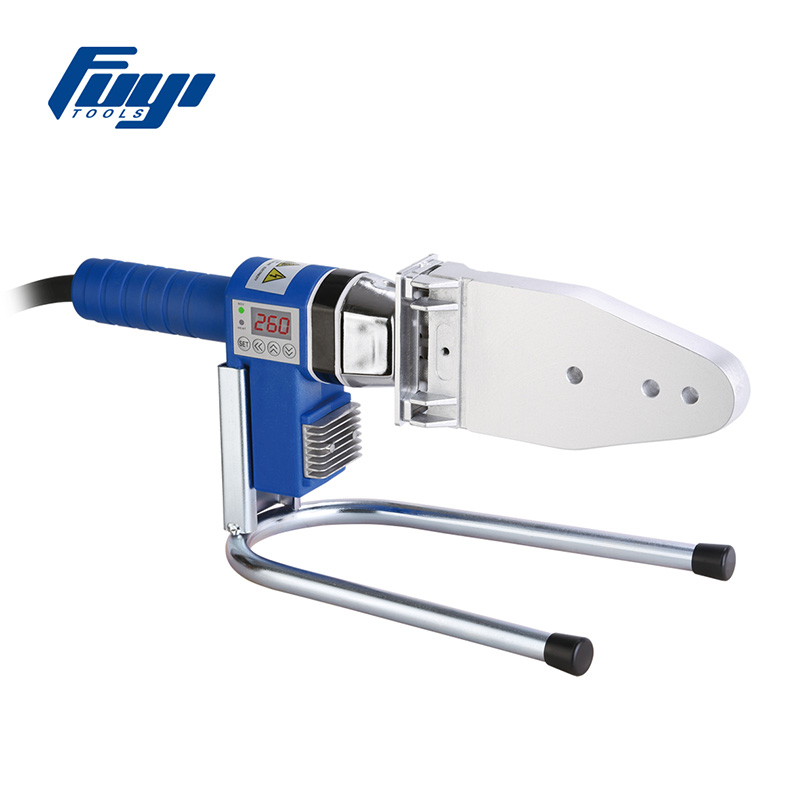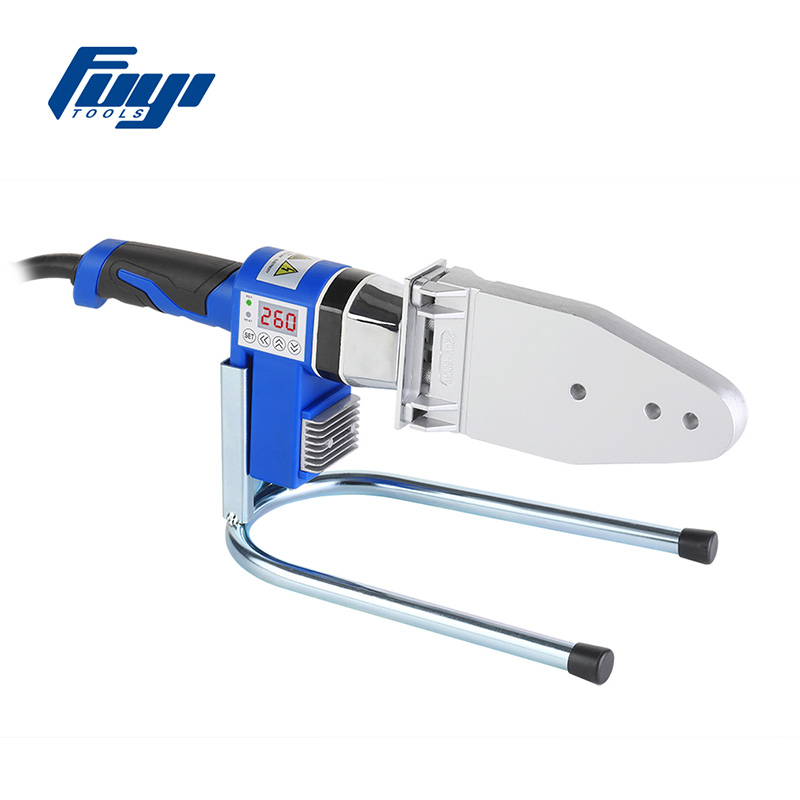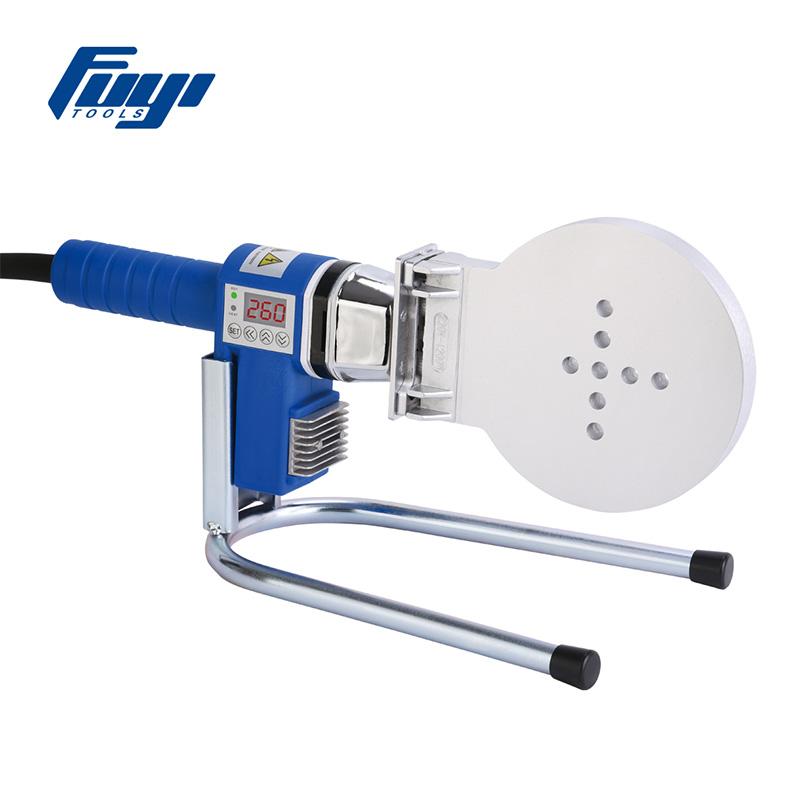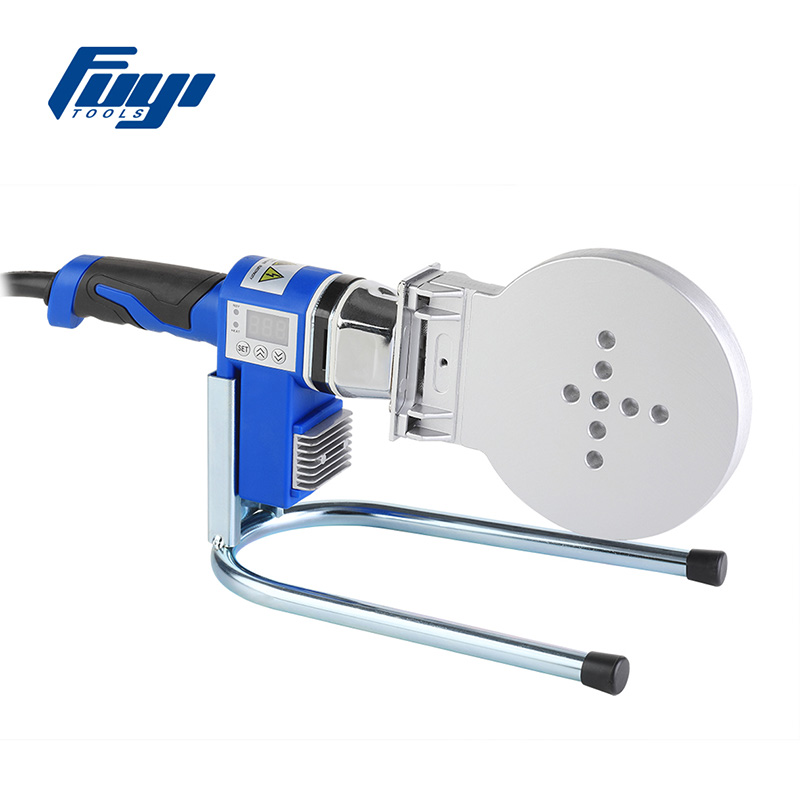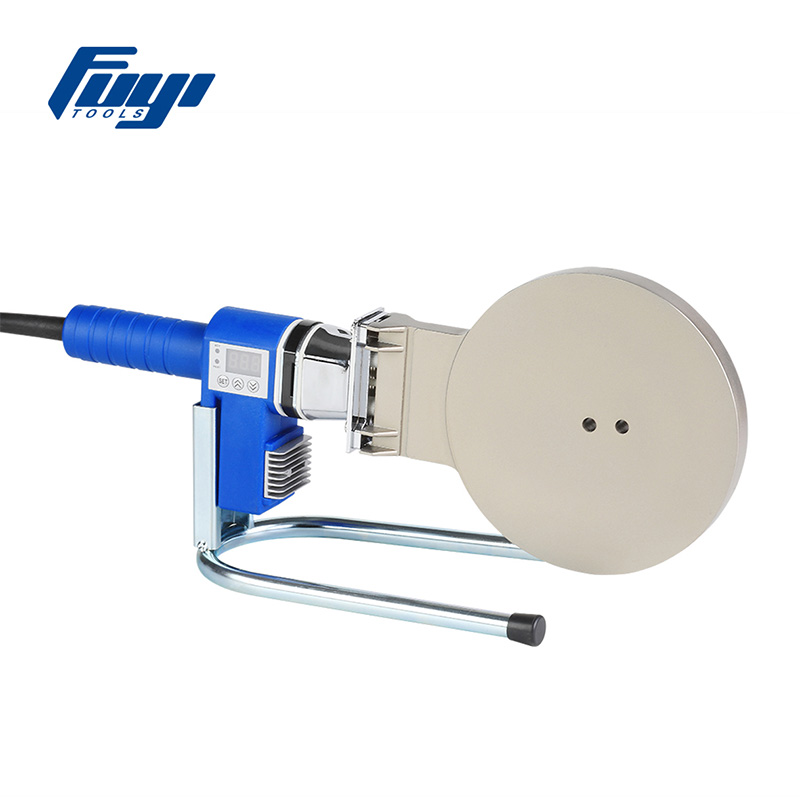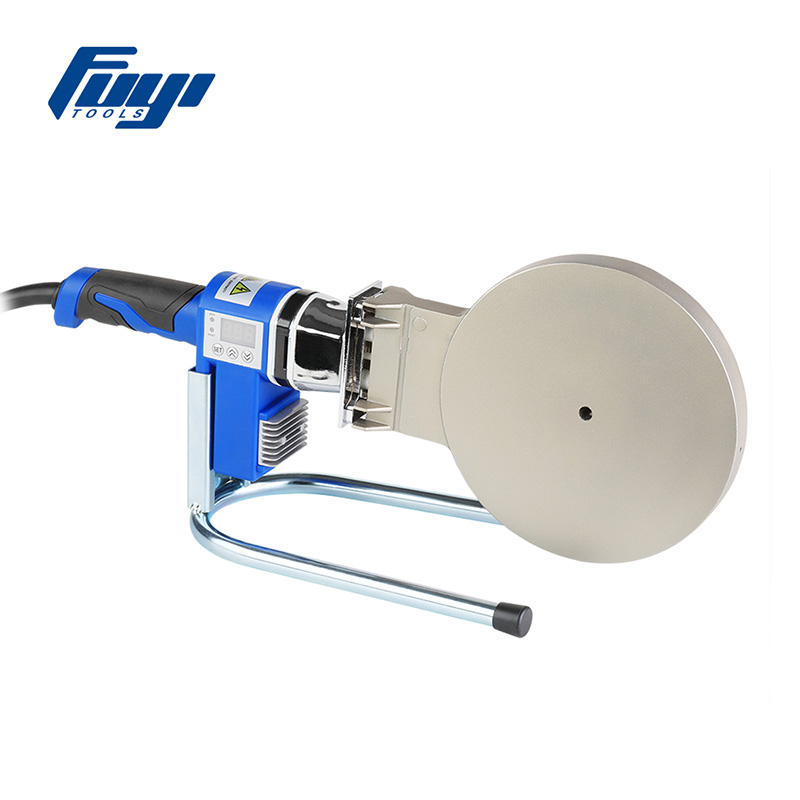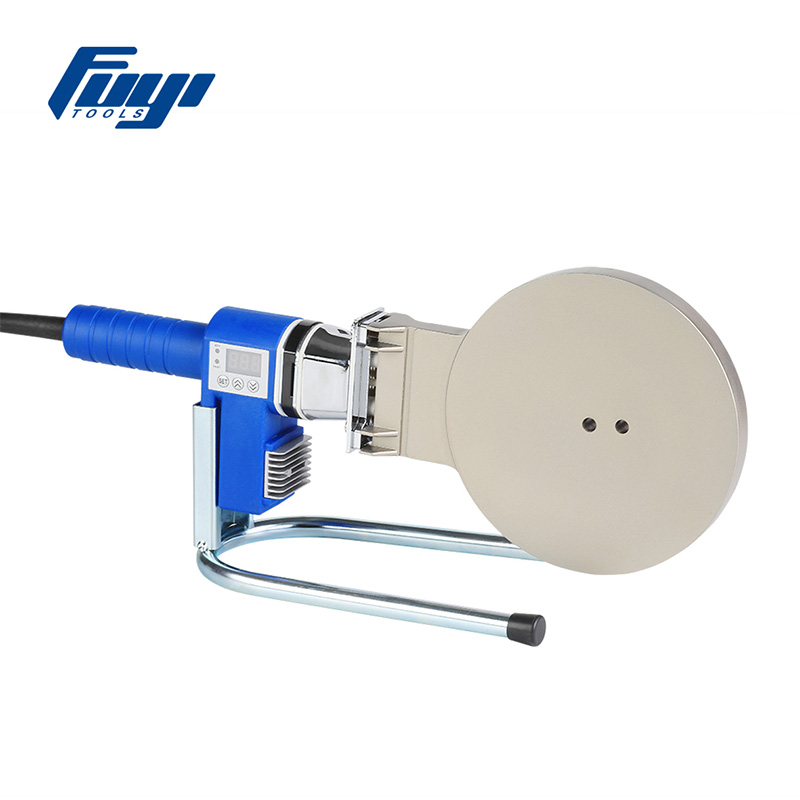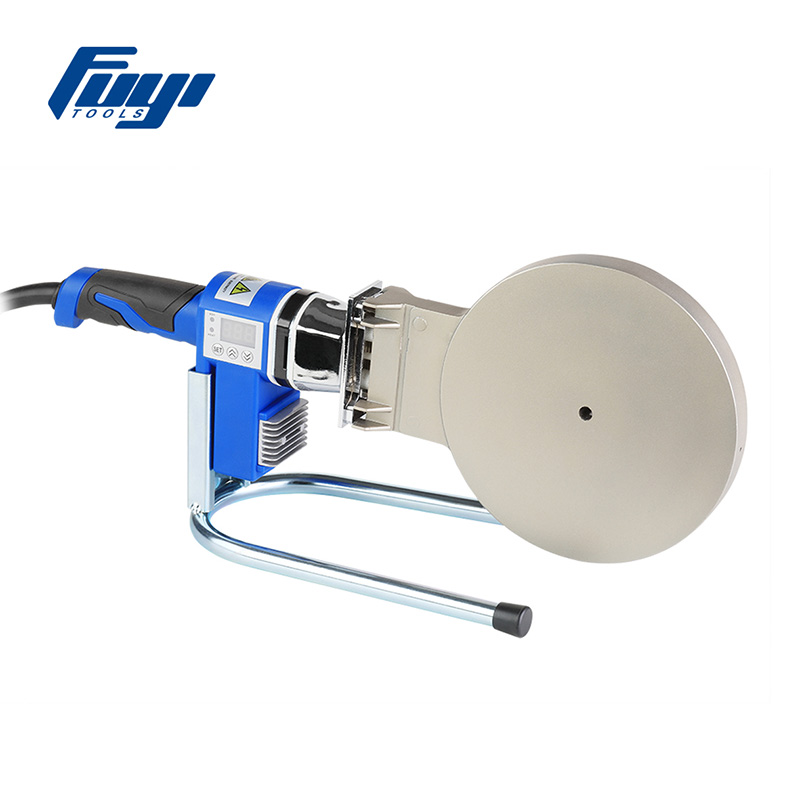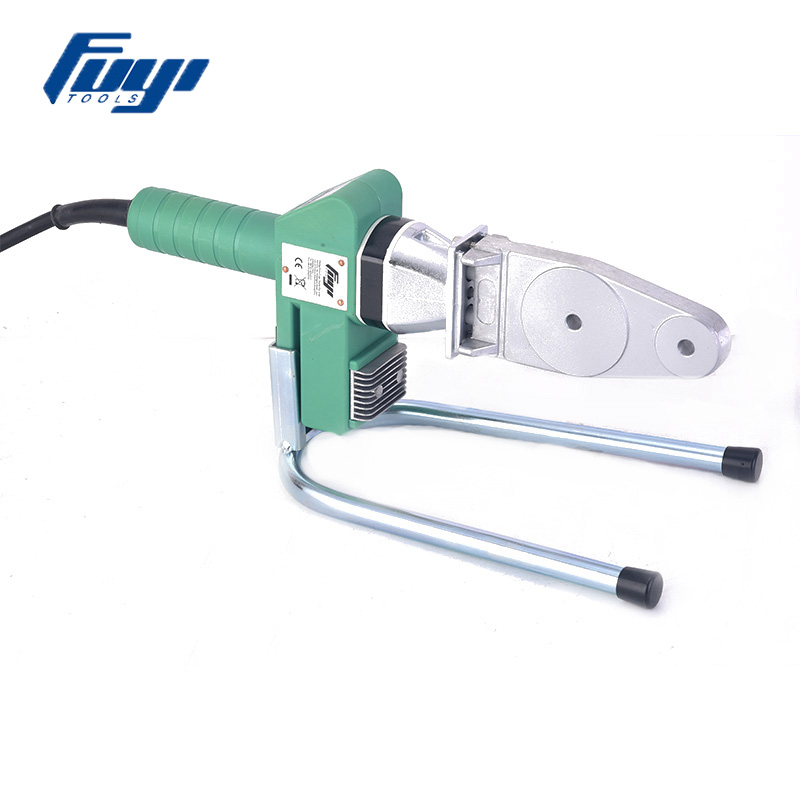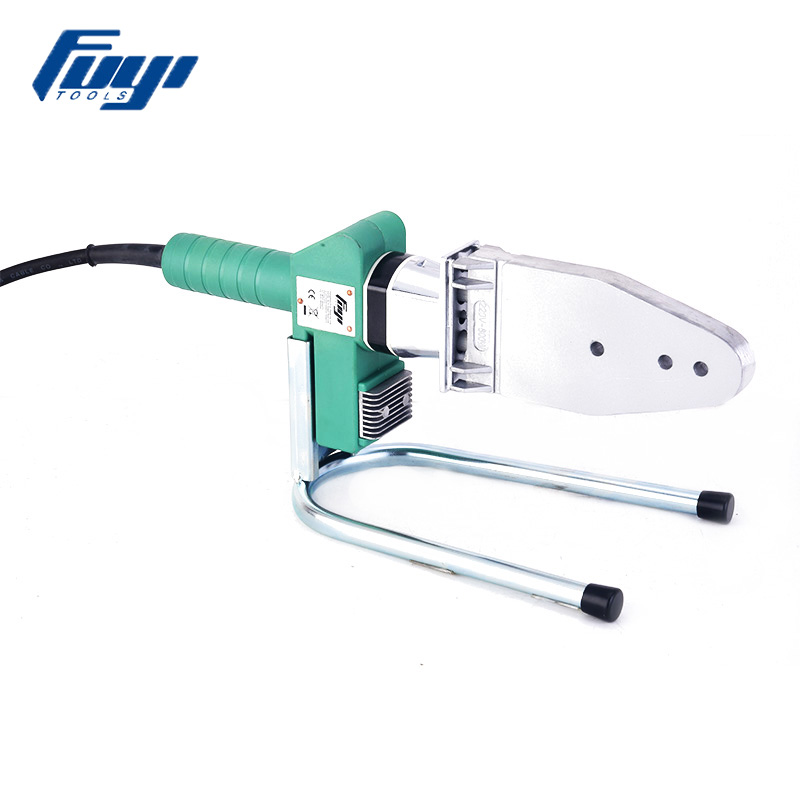
In the precision-driven world of thermoplastic piping, the Digital Socket Fusion Welding Machine is the cornerstone of structural integrity. Whether you are installing a high-pressure PPR water system or a chemically resistant HDPE industrial line, the machine’s digital display is your primary guide to ensuring a perfect thermal bond. However, in the field, technicians often encounter a frustrating issue: the temperature readout begins to fluctuate erratically.
When that display jumps between numbers, it isn’t just a minor visual annoyance; it is a critical warning. Inconsistent heat leads to “cold joints” or “degraded polymer structures,” both of which are the primary causes of catastrophic pipe bursts and costly leaks.
To effectively troubleshoot a Digital Socket Fusion Welding Machine, one must first understand the shift from traditional analog thermostats to modern digital logic.
Older machines relied on simple bimetallic strips that would physically click “on” and “off.” Modern digital units, however, utilize a sophisticated closed-loop feedback system designed for maximum precision.
The heart of a digital fusion machine is its Microprocessor Control Unit (MCU). This chip constantly monitors data sent from a Resistance Temperature Detector (RTD) or a high-sensitivity Thermocouple embedded deep within the aluminum heating plate.
In 2026, high-performance materials like PB (Polybutylene) or PVDF have very narrow “melt windows.” If the temperature is too low, the molecules won’t interdiffuse; too high, and the material begins to oxidize. A steady display indicates that the Heating Plate has reached thermal equilibrium, ensuring every weld meets ISO 12176-1 standards.
Identifying the root cause of instability early can save hours of downtime on a construction site.
Construction sites are notorious for poor power quality. If your machine is sharing a generator with heavy grinders or jackhammers, you will experience voltage sags.
The internal components are subjected to extreme thermal cycling. As the plate heats to and cools, metal terminals expand and contract.
Wind is the secret enemy of a stable fusion process. If working in a trench with high wind-chill, the wind strips heat away from the Matrix / Die Heads faster than the sensor can react.
The non-stick PTFE (Teflon) coating ensures even heat distribution. If the coating is scratched or covered in carbonized plastic residue, it creates “insulation pockets.”
| Feature | Standard Analog Machine | Digital Socket Fusion Machine |
|---|---|---|
| Control Logic | Bimetallic Thermostat | Microprocessor / PID Logic |
| Temp. Accuracy | to | to |
| Response Time | Slow (Mechanical lag) | Instantaneous (Electronic) |
| Display Type | Optional Analog Dial | Backlit LCD / LED Dual Display |
| Best Application | Low-pressure Irrigation | Potable Water / Gas / Industrial |
If your display is fluctuating more than , follow this professional protocol:
A fluctuating display on your Digital Socket Fusion Welding Machine is a vital communication from the equipment’s brain. Ignoring it leads to weak joints and potential liability. By ensuring stable power and maintaining tight electrical connections, you guarantee every weld is a permanent, leak-proof bond.
6.1 What is the ideal temperature for PPR socket fusion?
Most manufacturers recommend (). Fluctuations of more than degrees may prevent the plastic from reaching its melt flow index, causing joint failure.
6.2 Can I use this machine in the rain?
No. Moisture entering the digital housing can short-circuit the microprocessor, leading to permanent failure or dangerous temperature spikes.
6.3 Why does the temperature drop when I insert the pipe?
This is normal “thermal load.” The cold pipe absorbs heat. A high-quality digital machine will detect this drop instantly and surge power to compensate, stabilizing within seconds.
Copyright © 2024 Hangzhou Fuyi Tools Co., Ltd. All Rights Reserved.
|