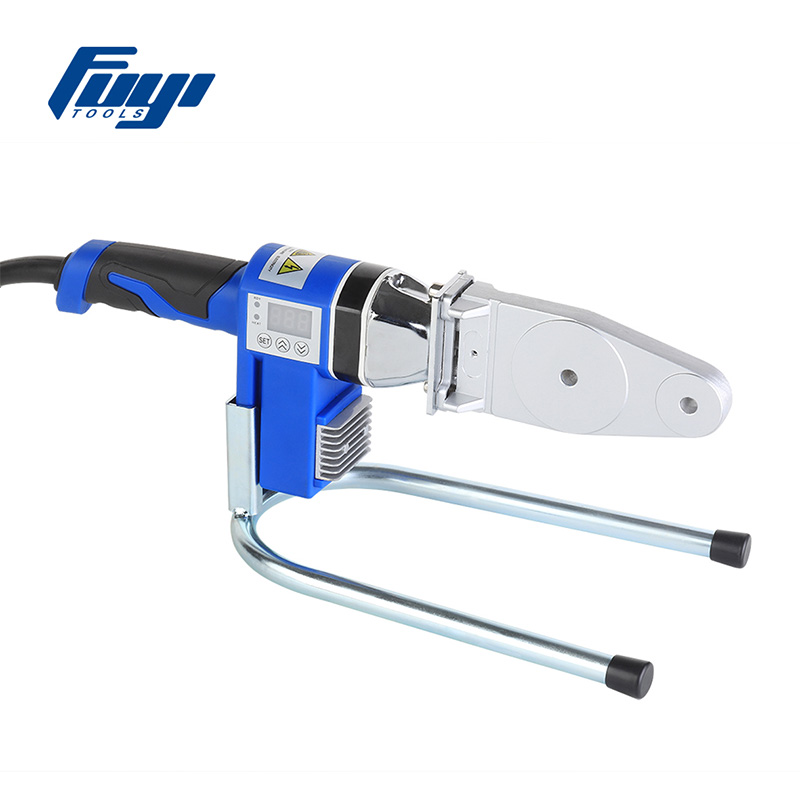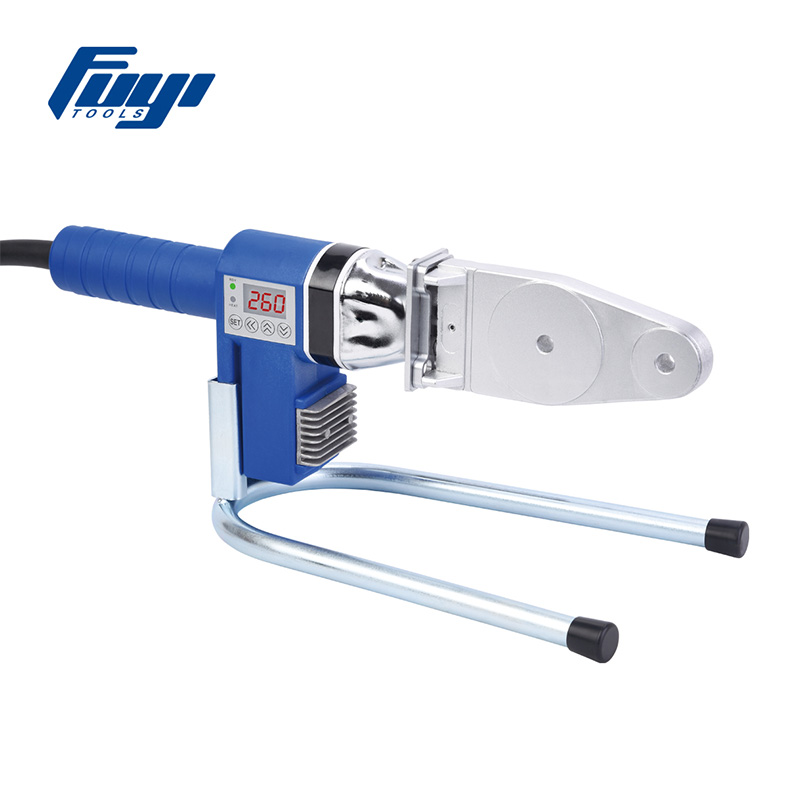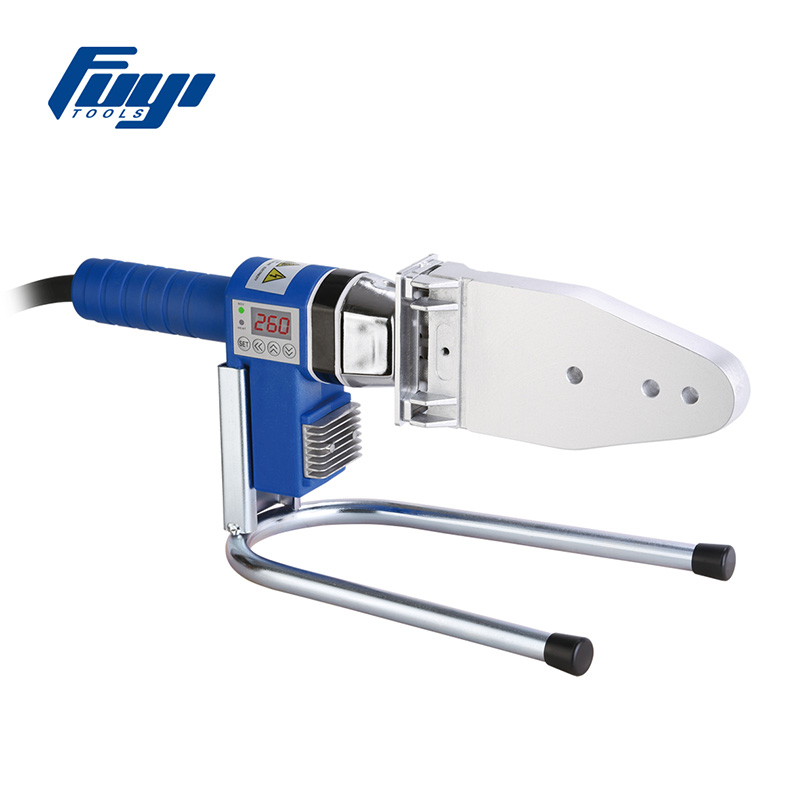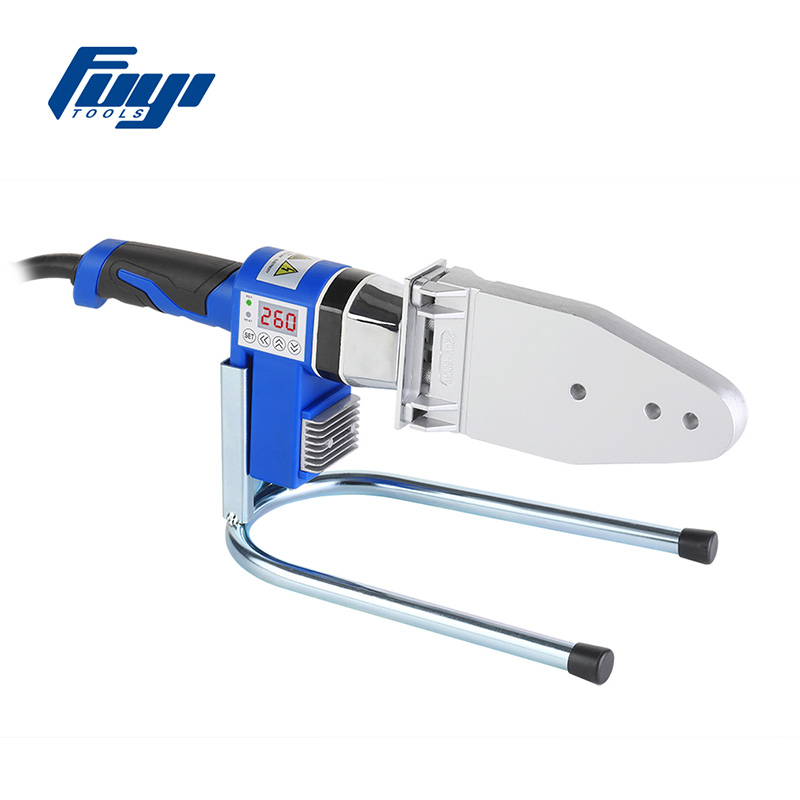
In the modern industrial landscape, the integrity of piping systems is paramount, particularly in sectors such as chemical processing, municipal water management, and gas distribution. Socket fusion welding has emerged as the most reliable, cost-effective, and efficient method for joining thermoplastic pipes.
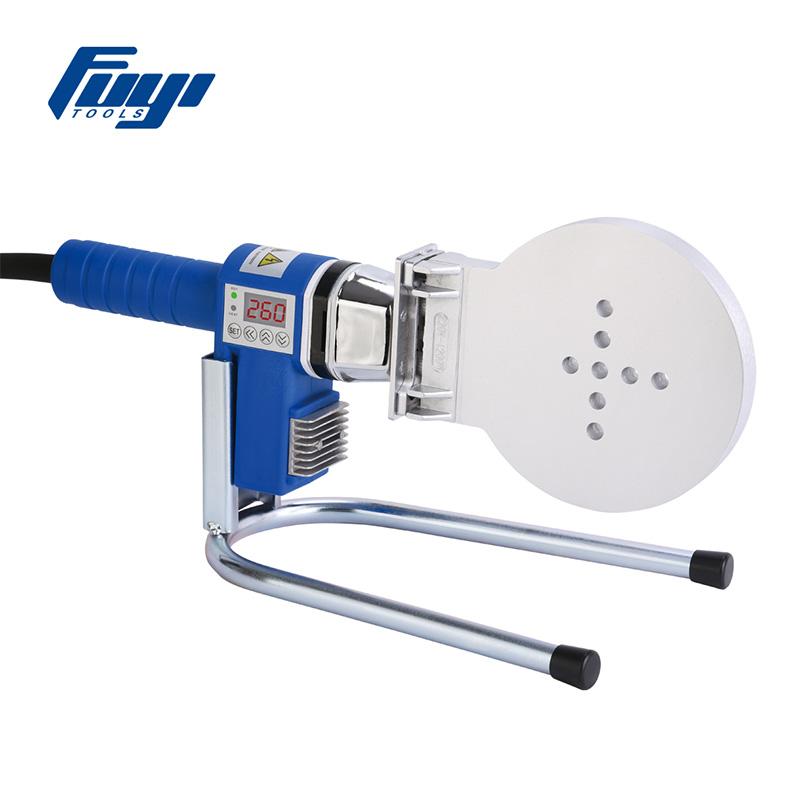
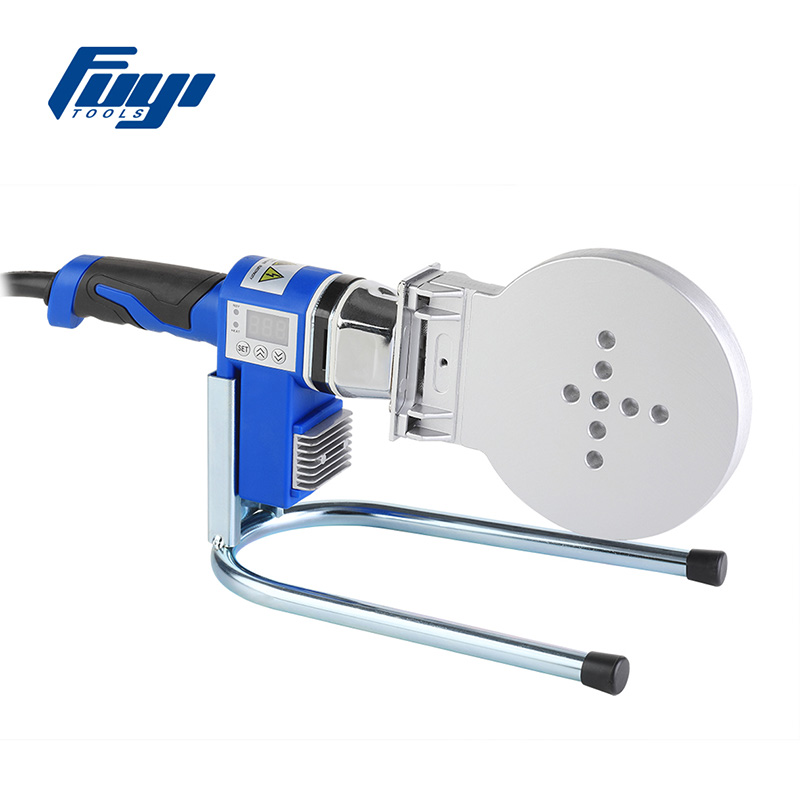
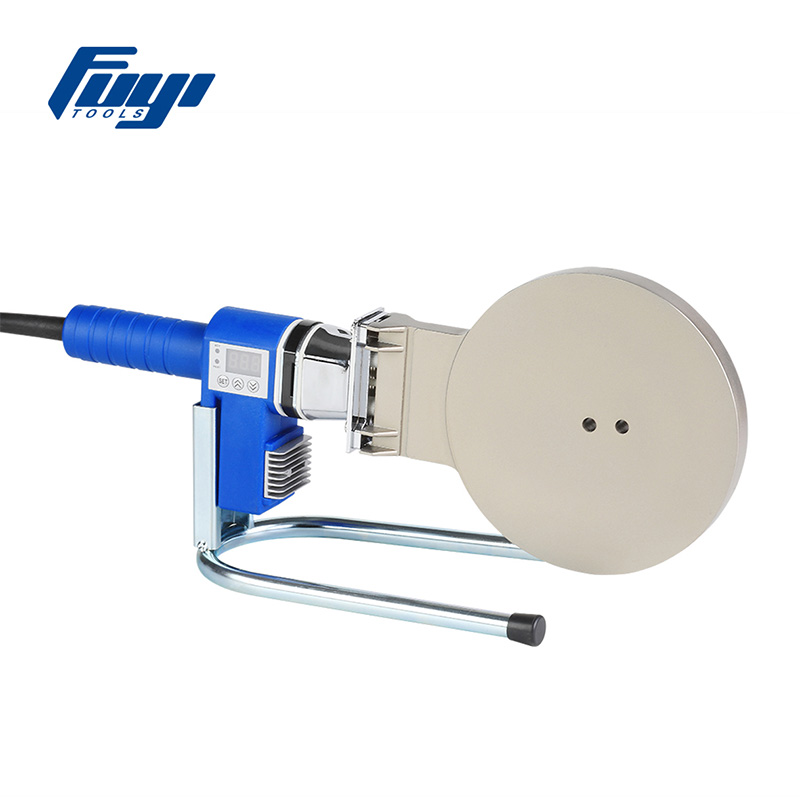
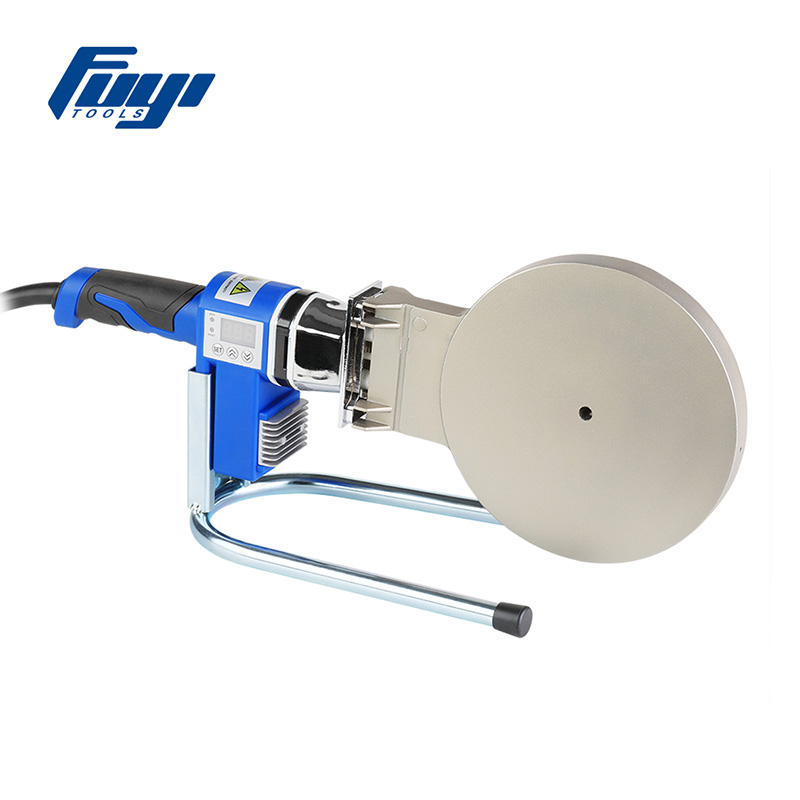
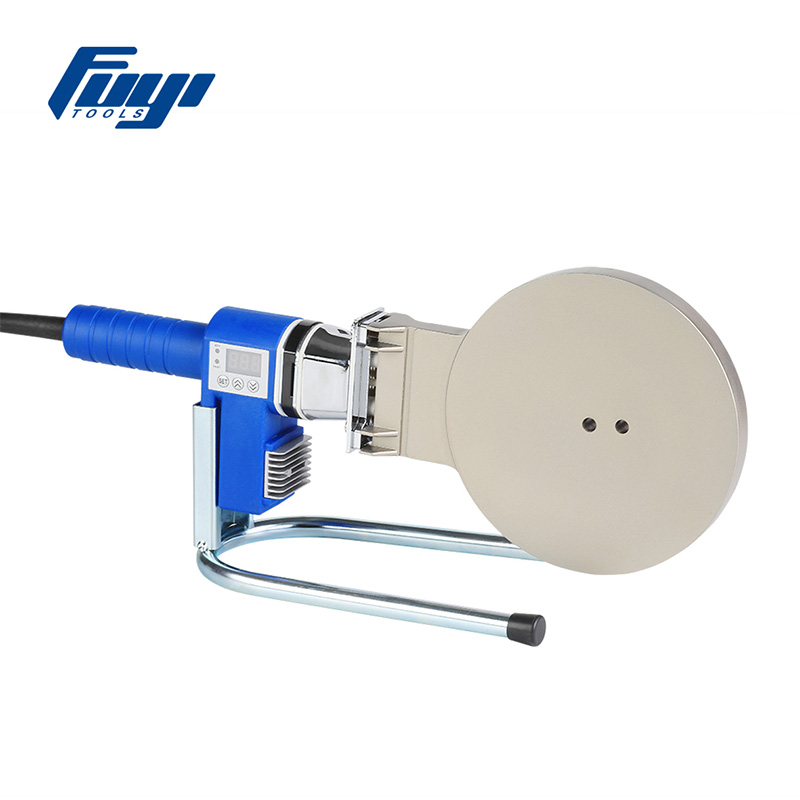
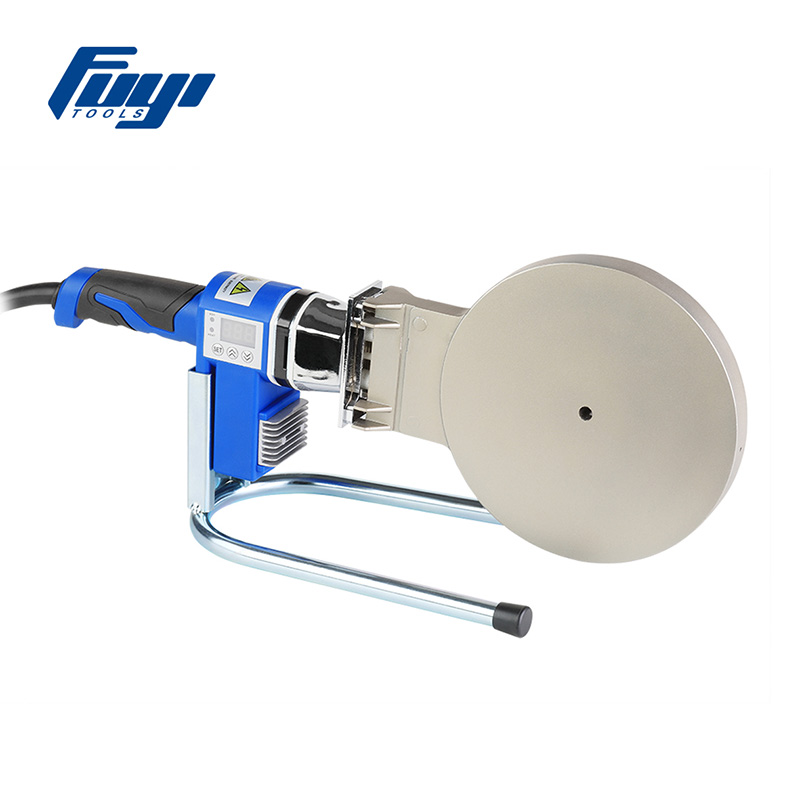
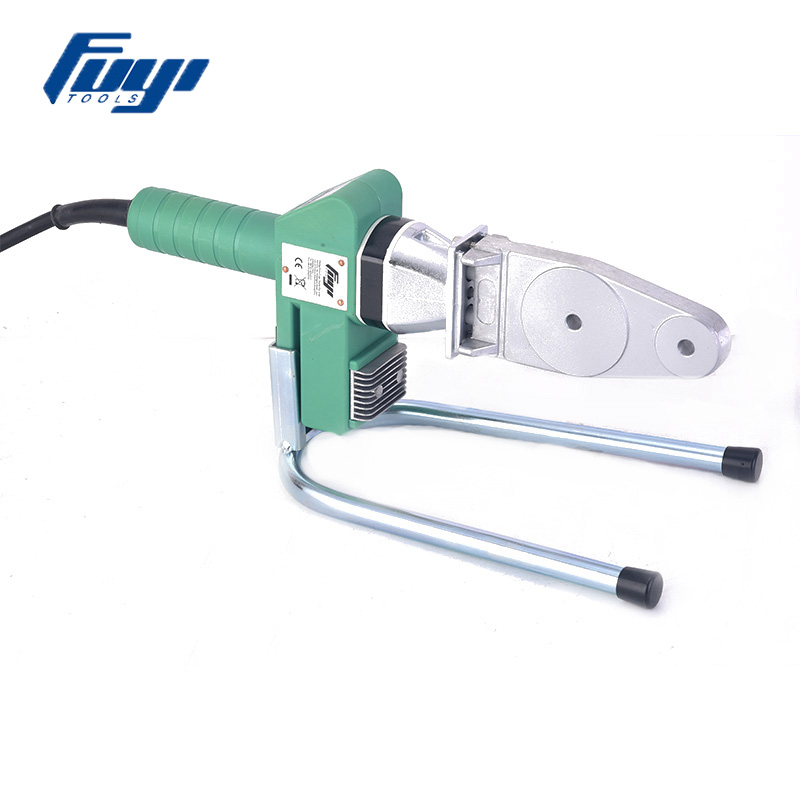
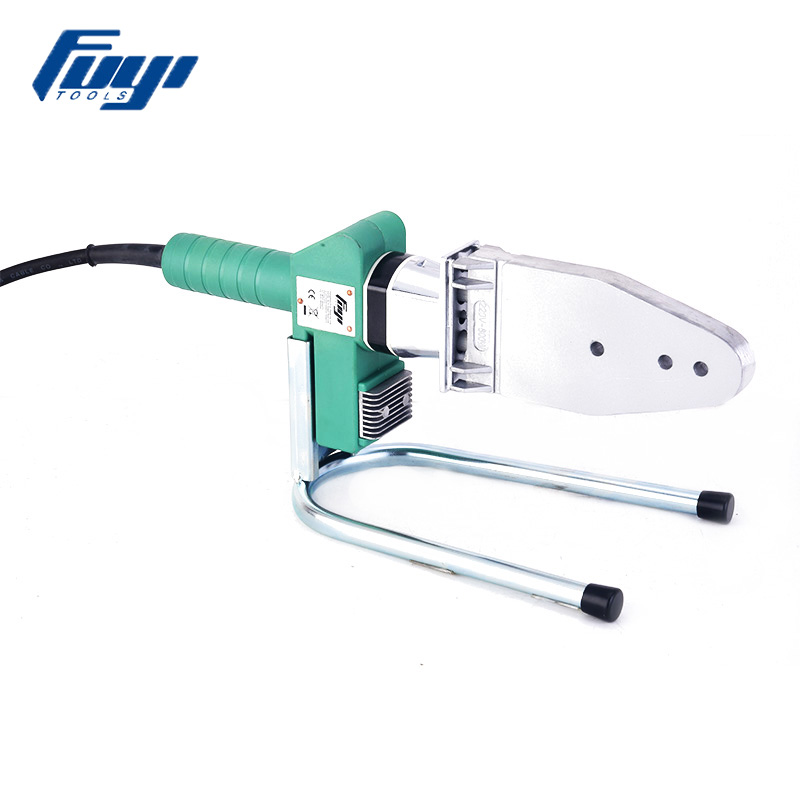
Socket fusion machines are specialized thermal tools designed to create a homogenous bond between a thermoplastic pipe and a socket-style fitting. Unlike traditional mechanical joints that rely on threads or compression, socket fusion transforms two separate components into a single, continuous structure. This process is primarily used for Polyethylene (PE), High-Density Polyethylene (HDPE), Polypropylene (PP), and Polyvinylidene Fluoride (PVDF).
The core principle behind the socket machine is molecular entanglement. When the socket machine’s heating bushes reach the precise melting temperature of the polymer, the crystalline structure of the plastic begins to break down into an amorphous, molten state. As the pipe and fitting are pressed together, the polymer chains from both parts intermingle at the interface. During the controlled cooling phase, these chains recrystallize together, creating a joint that is chemically and mechanically identical to the base material. In pressure tests, a properly fused joint will almost always remain intact even if the pipe itself bursts, demonstrating that the fusion zone is actually the strongest point of the system.
The technology has evolved from basic heating irons to sophisticated, digitally controlled socket fusion workstations. Early models relied on simple bimetallic thermostats, which often had wide temperature fluctuations. Modern professional-grade socket machines now feature microprocessor-controlled heating elements and PT100 temperature sensors. these advancements allow for a temperature accuracy of within 1 degree Celsius. This precision is critical because different materials have very narrow “thermal windows.” For instance, Polypropylene (PP-R) requires a very specific heat soak time to avoid degradation while ensuring full melt penetration. Furthermore, modern machines are often coated with high-grade industrial PTFE (Teflon) to ensure a clean release, preventing charred plastic residue from contaminating subsequent welds.
To achieve consistency in industrial piping, operators must move beyond basic knowledge and embrace a standardized, rigorous workflow. The difference between a joint that lasts 50 years and one that fails in six months often comes down to the minute details of the installation process.
The first 500 words of any successful welding project should focus on preparation. Contamination is the leading cause of “cold joints” or adhesive failure. Before activating the socket machine, the pipe must be cut perfectly square using a professional pipe cutter. A diagonal cut creates uneven pressure within the socket, leading to thin walls on one side of the joint. After cutting, the pipe end must be chamfered. Chamfering removes the sharp outer edge, preventing the pipe from “plowing” or scraping the molten plastic off the fitting’s interior during insertion. Finally, cleaning is non-negotiable. Using a lint-free cloth and 90 percent isopropyl alcohol, the operator must remove all dust, skin oils, and moisture from both the pipe and the fitting.
Once the socket machine reaches its operating temperature—typically 260 degrees Celsius for HDPE—the simultaneous heating phase begins. The operator pushes the pipe into the heating female bush and the fitting onto the heating male spigot. The timing must be tracked using a stopwatch, not by estimation. Each pipe diameter has a specific “heating time,” “transition time,” and “cooling time.” The transition time—the interval between removing the parts from the heater and joining them—is the most critical. If the transition takes too long, the surface of the molten plastic begins to “skin over,” preventing the molecular chains from intertwining. Upon insertion, the pipe must be pushed in a straight, linear motion until it reaches the depth mark. Any twisting of the pipe during this phase will shear the polymer chains and introduce air pockets, significantly reducing the pressure rating of the joint.
A socket machine is a precision instrument that operates under extreme thermal stress. Without a dedicated maintenance program, the tool’s performance will degrade, leading to inconsistent welds and safety risks for the operator.
The Teflon coating on the heating bushes is the most frequent point of failure. Over hundreds of cycles, this coating can wear thin or become scratched. When the non-stick surface is compromised, molten plastic sticks to the bush, where it chars and turns into carbon. This carbon residue then transfers to the next weld, acting as a contaminant that prevents a proper bond. Maintenance teams should inspect bushes daily and clean them only with soft wooden scrapers or specialized silicone cloths. Never use wire brushes or metal tools. Additionally, monthly thermal calibration is a requirement for ISO-certified projects. Even if the machine’s internal display says 260 degrees, the actual surface temperature of the bushes may differ due to heating element aging. Using a calibrated digital pyrometer to verify surface heat ensures that every weld is backed by accurate data.
Beyond the heating elements, the mechanical and electrical components of the socket machine require attention. The power cable is often subjected to high heat and frequent bending; any signs of fraying or insulation melting must be addressed immediately to prevent short circuits. The handle and stand of the machine must also remain stable. In bench-mounted models, any “play” or wobble in the carriage can lead to misalignment during the fusion process. Misalignment causes the pipe to enter the fitting at an angle, which results in uneven wall thickness and potential stress fractures. By implementing a preventative maintenance schedule—including bolt tightening, cable inspection, and thermostat testing—companies can extend the life of their equipment by years and ensure the safety of their technical staff.
Selecting the correct method is essential for project efficiency and long-term reliability.
| Feature | Socket Fusion Machine | Butt Fusion Machine | Electrofusion Processor |
|---|---|---|---|
| Best For | Small to Medium Pipes | Large Diameter Mains | Repairs and Tight Spaces |
| Diameter Range | 16mm to 110mm | 63mm to 2000mm+ | 16mm to 1200mm |
| Joint Type | Overlap (Socket) | End-to-End (Butt) | Internal Coil Sleeve |
| Primary Advantage | Highest Joint Strength | No Fittings Required | Fully Automated Timing |
| Tooling Cost | Low to Moderate | High | Moderate (High Fitting Cost) |
Do not rely solely on the machine indicator light. Use an infrared thermometer or a digital pyrometer to measure the surface of the heating bushes directly. The temperature should be stable at the manufacturer’s set point for at least 10 minutes before welding begins.
Yes, in socket fusion, you can join pipes with different wall thicknesses as long as the outside diameter is the same and the material (e.g., HDPE to HDPE) is compatible.
A visible double bead at the edge of the fitting is a sign of a perfect weld. It indicates that enough material was melted and displaced to create a fully sealed interface.
Copyright © 2024 Hangzhou Fuyi Tools Co., Ltd. All Rights Reserved.
|