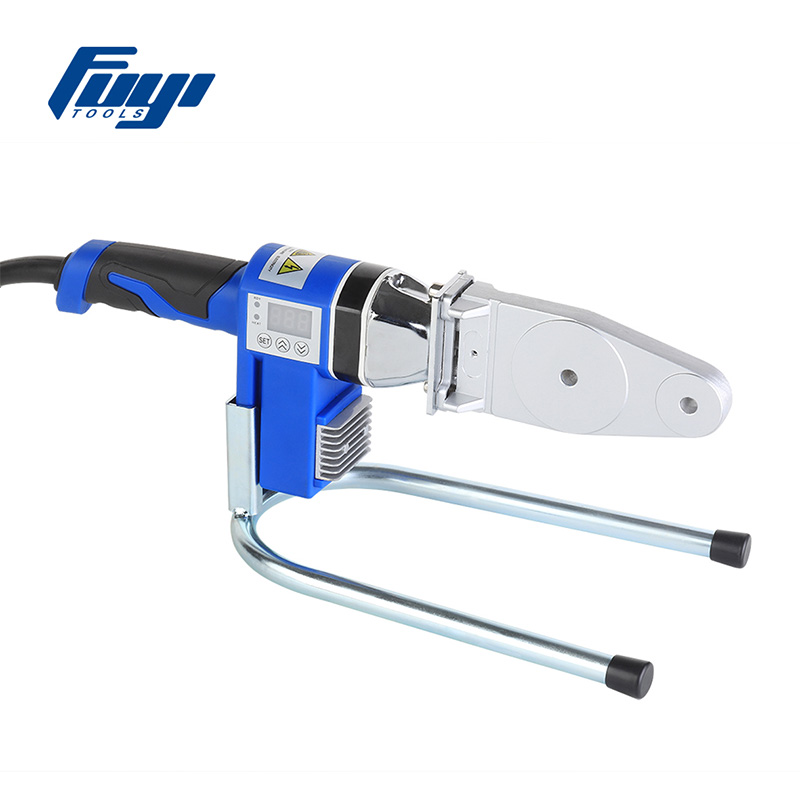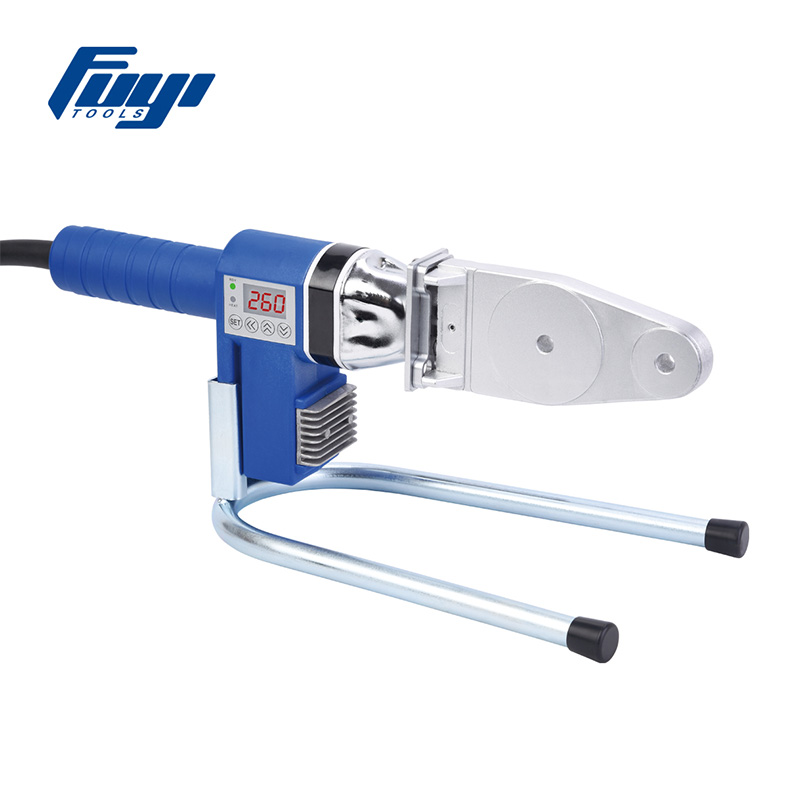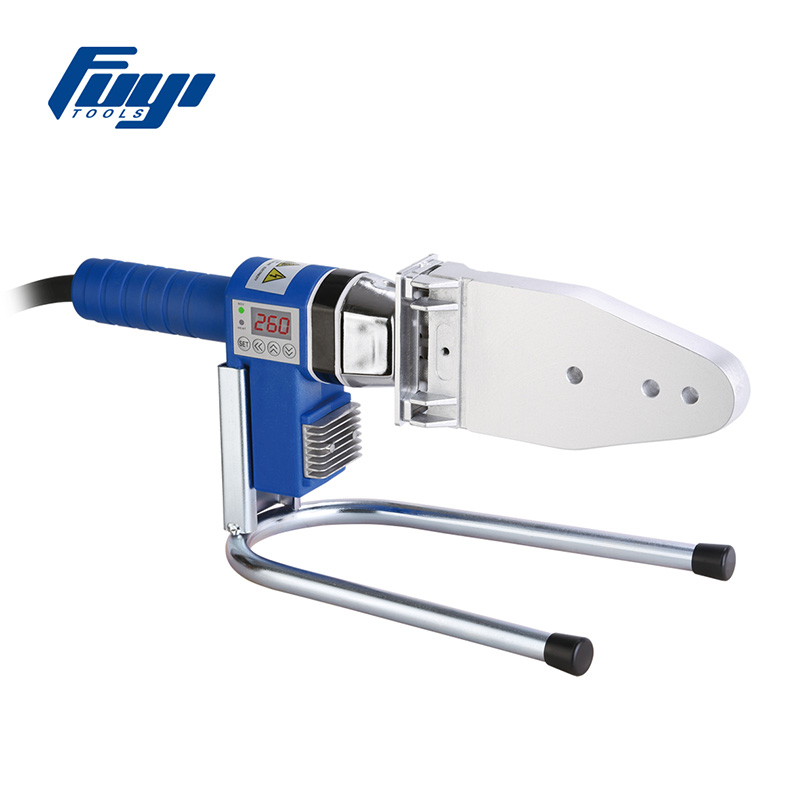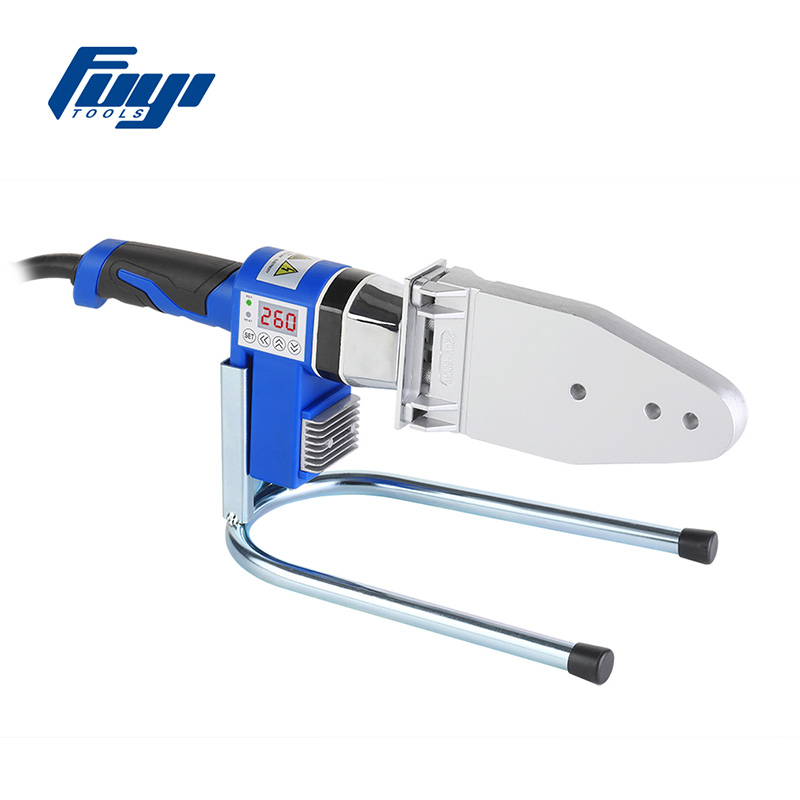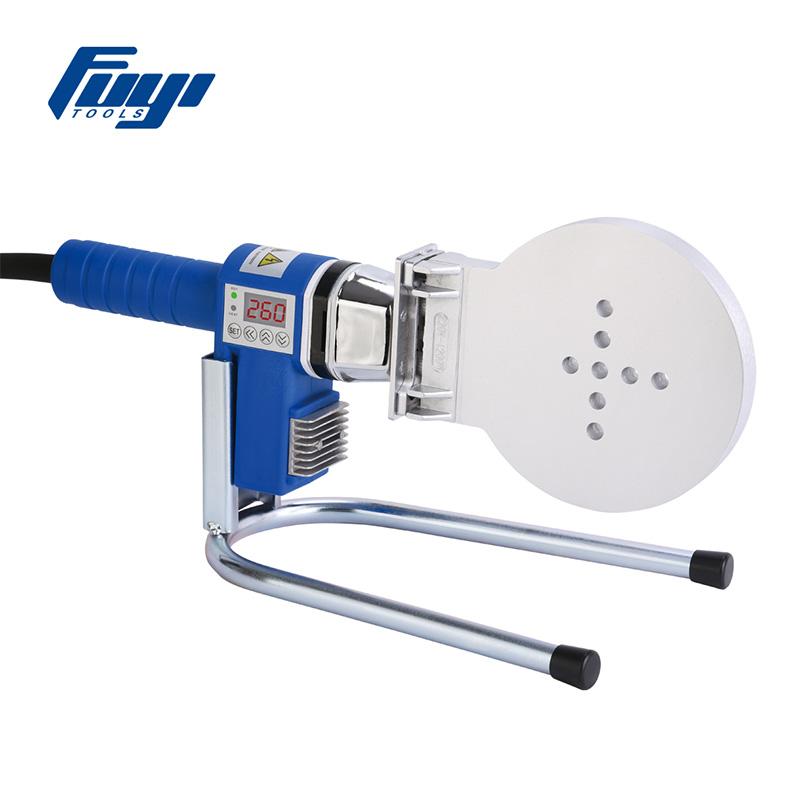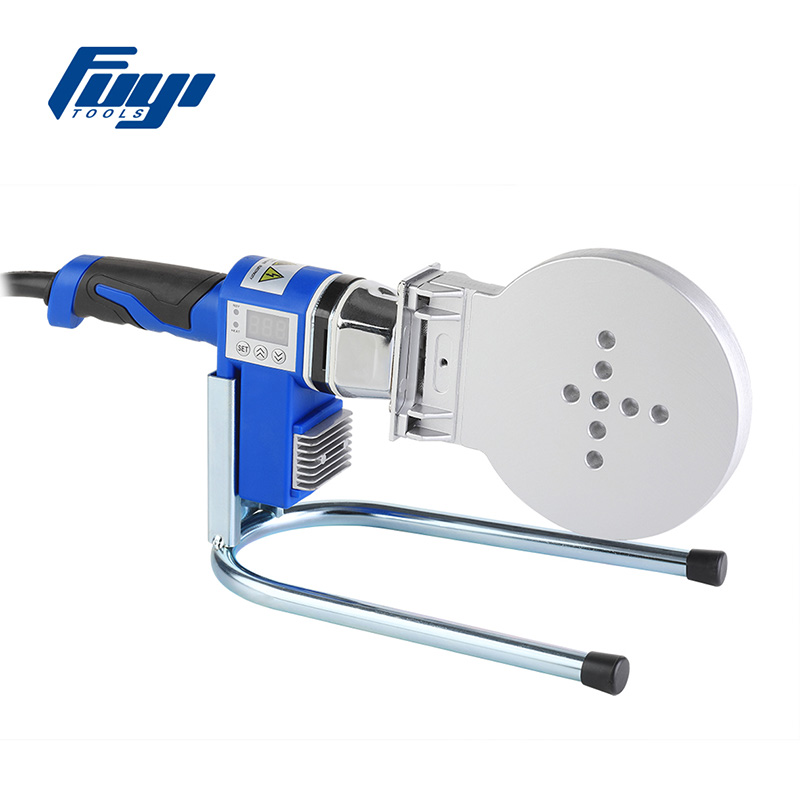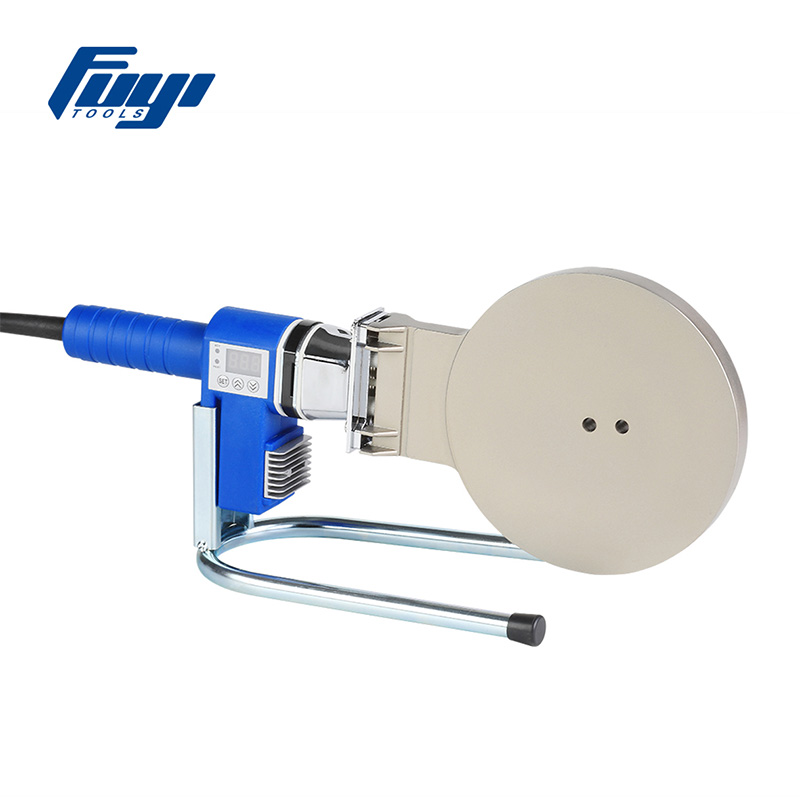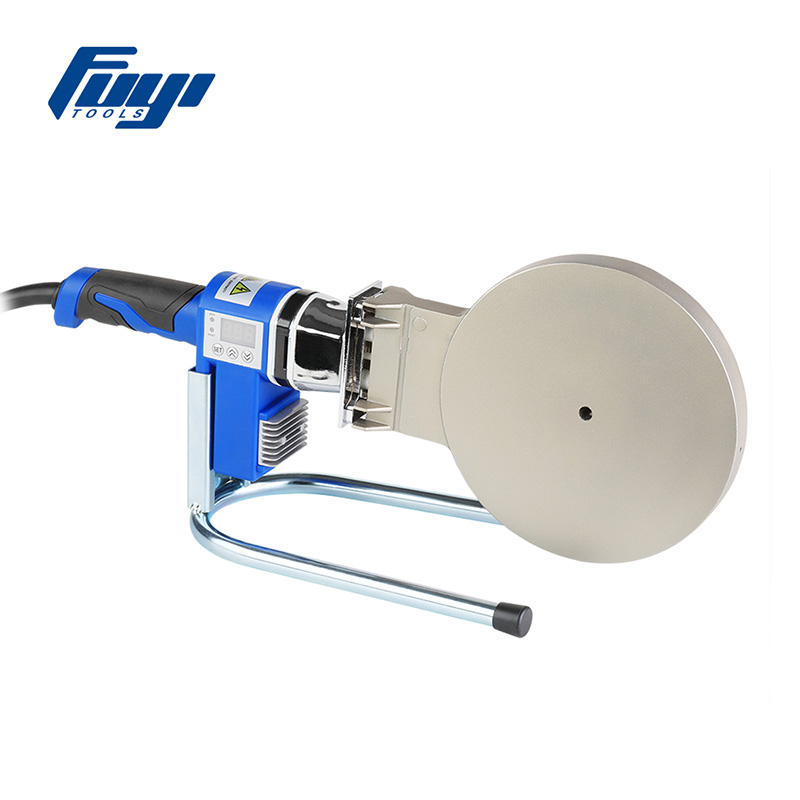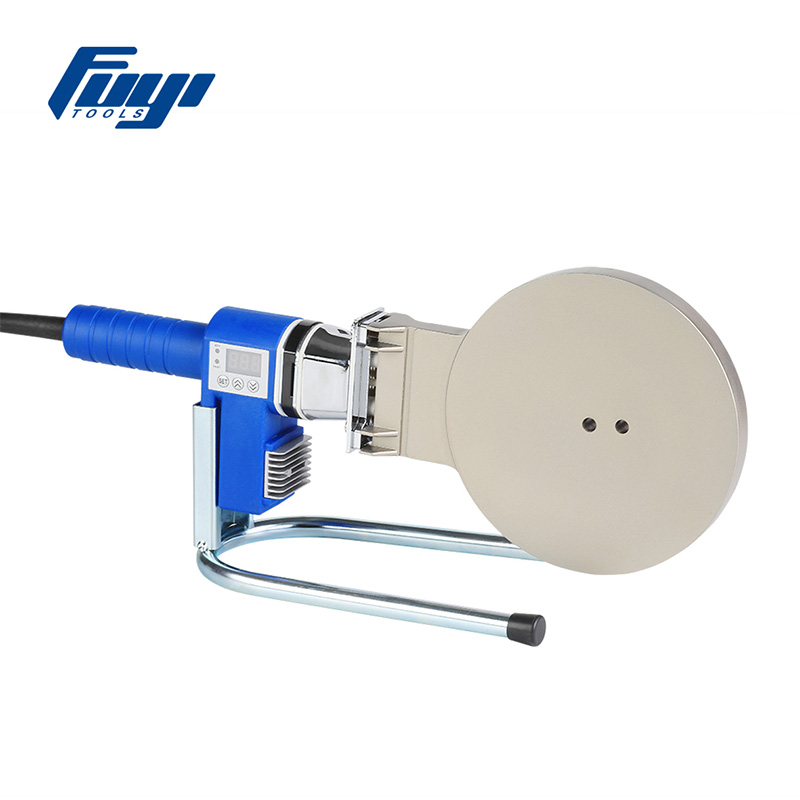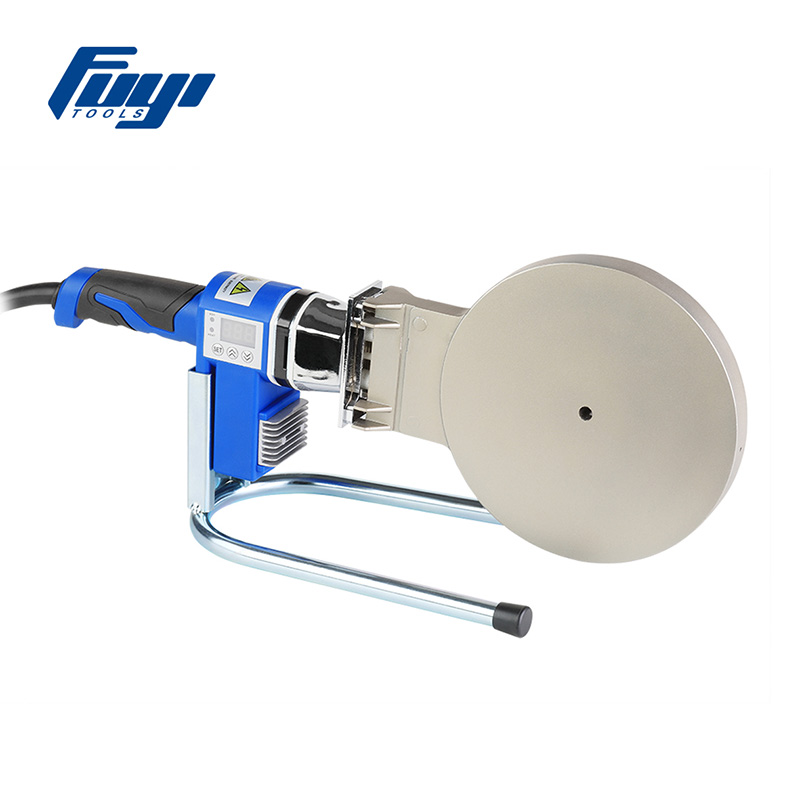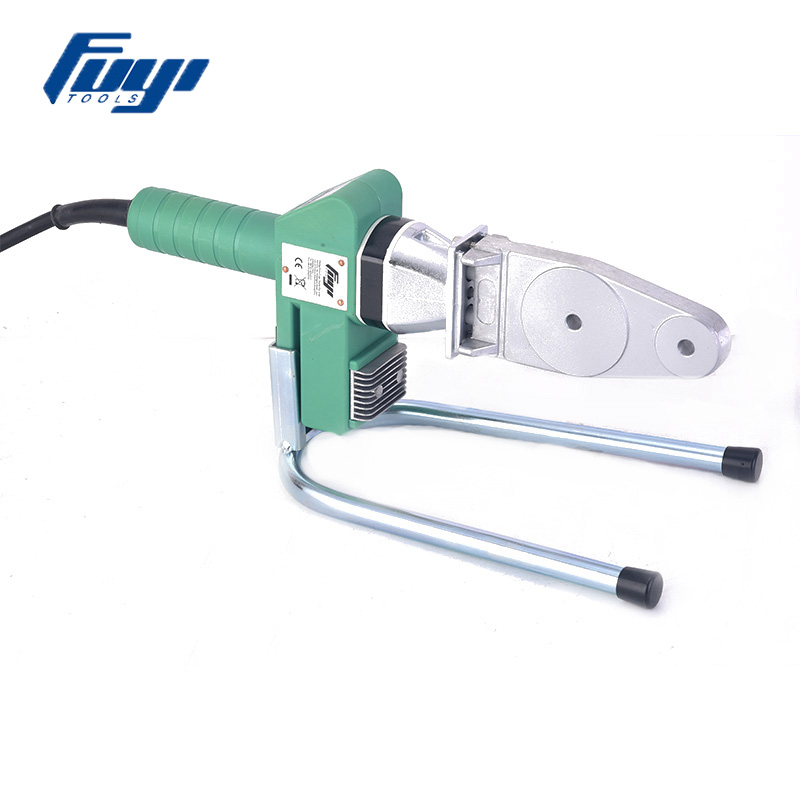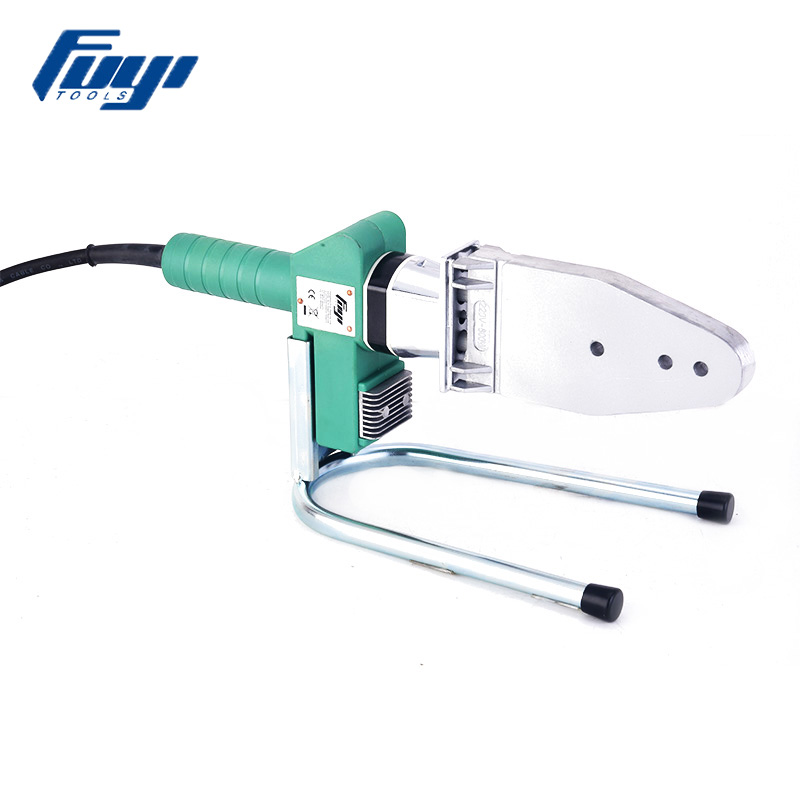
In recent years, sustainability has become a top priority across industries, and manufacturing technologies are increasingly being developed with environmental considerations in mind. The Digital Socket Fusion Welding Machine, which is widely used in pipe fusion applications, plays a significant role in reducing environmental impact while improving efficiency and productivity.
One of the main sustainability advantages of the Digital Socket Fusion Welding Machine is its precise control over the welding process. Traditional socket fusion methods rely on manual adjustments and often result in excess material usage due to inconsistent heat application and poor control of the fusion process. These issues lead to material waste and the need for rework, both of which contribute to higher resource consumption.
In contrast, Digital Socket Fusion Welding Machines are equipped with advanced control systems that monitor and adjust the heat and pressure applied during the welding process. These systems ensure that each joint is fused with the optimal amount of energy, preventing overheating and material degradation. The precise control of parameters such as time, temperature, and pressure reduces the need for extra material and lowers scrap rates.
By ensuring that the fusion is always done correctly on the first attempt, these machines minimize wastage of expensive materials like polyethylene, polypropylene, and other thermoplastics. This is particularly beneficial in industries where material costs are high, such as in piping systems for oil and gas, water supply, and chemical manufacturing.
| Factor | Traditional Welding | Digital Socket Fusion |
|---|---|---|
| Precision | Moderate, relies on manual adjustments | High, automated with digital control |
| Material Waste | High due to over-welding or errors | Low due to precise fusion control |
| Energy Efficiency | Low, energy usage often uncontrolled | High, optimized to use only necessary energy |
| Rework and Scrap | Frequent, increasing resource demand | Rare, due to accurate welding |
This results in lower production costs, reduced environmental impact, and more efficient use of materials.
Energy efficiency is another critical factor when it comes to sustainable practices in manufacturing. Traditional socket fusion welding machines often have relatively poor energy efficiency due to outdated heating elements and poor temperature regulation. These inefficiencies can lead to excessive power consumption, longer operating times, and increased greenhouse gas emissions.
The Digital Socket Fusion Welding Machine addresses these challenges through digital controls that precisely regulate the heating process. These systems optimize the amount of energy used during each fusion cycle, ensuring that only the necessary amount of heat is applied to the pipe or fitting. This is achieved through advanced algorithms that consider factors such as material type, size, and wall thickness to calculate the optimal heating time and temperature.
Furthermore, many of these digital machines are designed with low-energy heating elements that heat up faster and cool down more efficiently, minimizing power wastage during idle times. This makes Digital Socket Fusion Welding Machines highly energy-efficient, reducing both operational costs and the overall carbon footprint of the manufacturing process.
| Feature | Traditional Machines | Digital Machines |
|---|---|---|
| Energy Consumption | High, inefficient heating | Optimized, lower consumption |
| Energy Recovery Systems | Rare or non-existent | Often integrated for cooling |
| Heating Control | Manual, inconsistent | Digital, precise control |
| Idle Energy Waste | Significant | Minimal, quick warm-up/cool-down |
The result is a more sustainable operation that uses less energy to achieve the same—or even better—results compared to traditional methods.
Manufacturing processes, especially those that involve plastic welding, can generate significant amounts of hazardous fumes and gases. These emissions are harmful not only to the environment but also to the health of workers and nearby communities. This is a major concern in industries such as pipe fitting for water, gas, and oil distribution, where large-scale welding processes are common.
Digital Socket Fusion Welding Machines help reduce harmful emissions by providing better control over the welding environment. With precise temperature regulation, these machines prevent overheating, which can result in the release of toxic fumes and gases from thermoplastics like PVC, PE, and PP. In traditional welding methods, overheating is often a significant issue, leading to the emission of volatile organic compounds (VOCs) and other pollutants.
By preventing overheating, Digital Socket Fusion Welding Machines minimize the formation of these harmful byproducts, contributing to a cleaner, healthier work environment. Moreover, many of these machines are equipped with integrated fume extraction systems that capture and filter harmful gases at the source, reducing air pollution both inside and outside the facility.
| Factor | Traditional Welding | Digital Socket Fusion |
|---|---|---|
| Emissions | High, due to inconsistent heat application | Low, optimized heat reduces emissions |
| Fume Extraction | Often required separately | Built-in or easily integrated |
| Material Degradation | Frequent, leading to more fumes | Rare, precise heating prevents degradation |
These improvements align with modern sustainability goals by reducing air pollution and ensuring safer working conditions.
The durability of the equipment used in manufacturing processes plays a significant role in the sustainability of the operation. Traditional welding machines often wear out more quickly due to high levels of heat stress, which can lead to frequent repairs and replacements. This not only increases the environmental impact of producing and disposing of these machines but also leads to more frequent downtime and inefficiencies.
On the other hand, Digital Socket Fusion Welding Machines are built to last. The use of high-quality components and digital control systems ensures that the machines can withstand long hours of operation without significant degradation. The advanced cooling systems and precise control over temperature and pressure reduce wear on the machine’s internal components, extending its service life.
By improving the durability of the machine, companies can reduce the need for frequent equipment replacement, thus decreasing the carbon footprint associated with manufacturing new machines. The longer lifespan also means less waste from discarded equipment, aligning with the principles of circular economy and resource conservation.
| Machine Lifespan | Traditional Machines | Digital Socket Fusion |
|---|---|---|
| Durability | Limited, prone to wear and tear | Long-lasting, minimal wear |
| Replacement Frequency | High, due to frequent breakdowns | Low, due to better performance |
| Maintenance Costs | Higher, more repairs required | Lower, fewer parts needed |
This contributes to a more sustainable manufacturing process and reduces the need for raw materials and energy in manufacturing replacement equipment.
Digital Socket Fusion Welding Machines are equipped with advanced software that tracks the entire welding process. This technology allows operators to monitor key variables, such as power usage, time, and material consumption, in real-time. This data-driven approach ensures that resources are used as efficiently as possible.
For example, the machine can adjust the welding parameters dynamically based on material thickness, pipe size, and ambient temperature, ensuring that the fusion is always done at the optimal settings. This level of precision eliminates guesswork and ensures that the resources (energy, materials, and labor) are utilized in the most efficient way possible.
Furthermore, these machines are often equipped with data logging and analysis capabilities, which allow manufacturers to track and optimize their processes over time. By analyzing this data, companies can identify areas where improvements can be made, reducing waste and improving efficiency even further.
| Resource Optimization | Traditional Welding | Digital Socket Fusion |
|---|---|---|
| Data-Driven Control | Minimal or absent | Fully integrated for real-time optimization |
| Efficiency Gains | Moderate | High, continuous improvement |
| Resource Monitoring | Not tracked | Tracked and analyzed for future optimization |
This feature allows manufacturers to continuously refine their processes, further reducing resource waste and environmental impact.
1. What is a Digital Socket Fusion Welding Machine?
A Digital Socket Fusion Welding Machine is a modern pipe fusion machine that uses digital control systems to precisely regulate heat, pressure, and time during the welding process. This ensures accurate and efficient fusion of plastic pipes and fittings, reducing waste and increasing operational efficiency.
2. How does it reduce material waste?
The digital control system ensures precise application of heat and pressure, preventing over-welding and minimizing excess material usage, which reduces waste and lowers production costs.
3. How does this machine contribute to energy savings?
The machine optimizes energy usage by applying only the necessary amount of heat for the welding process, reducing power consumption and improving energy efficiency.
4. Is there a reduction in harmful emissions?
Yes, the machine prevents overheating, which is a major cause of harmful fumes and gases. It also often integrates fume extraction systems to further minimize emissions.
5. How does it improve the lifespan of welded joints?
The precise welding process creates stronger, more durable joints, reducing the need for rework or replacement and extending the overall lifespan of the welded pipes and fittings.
Copyright © 2024 Hangzhou Fuyi Tools Co., Ltd. All Rights Reserved.
|