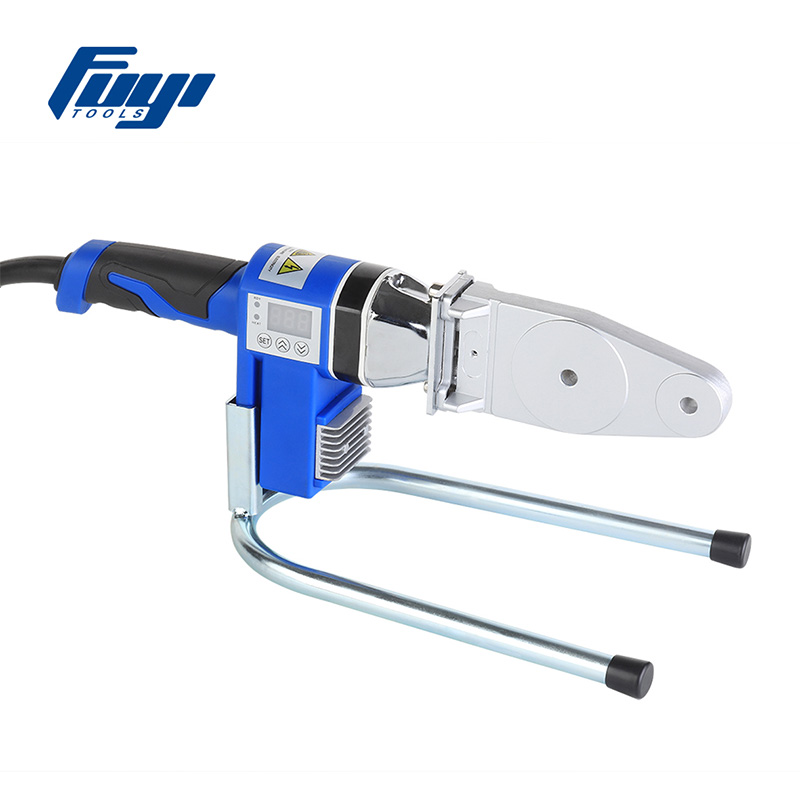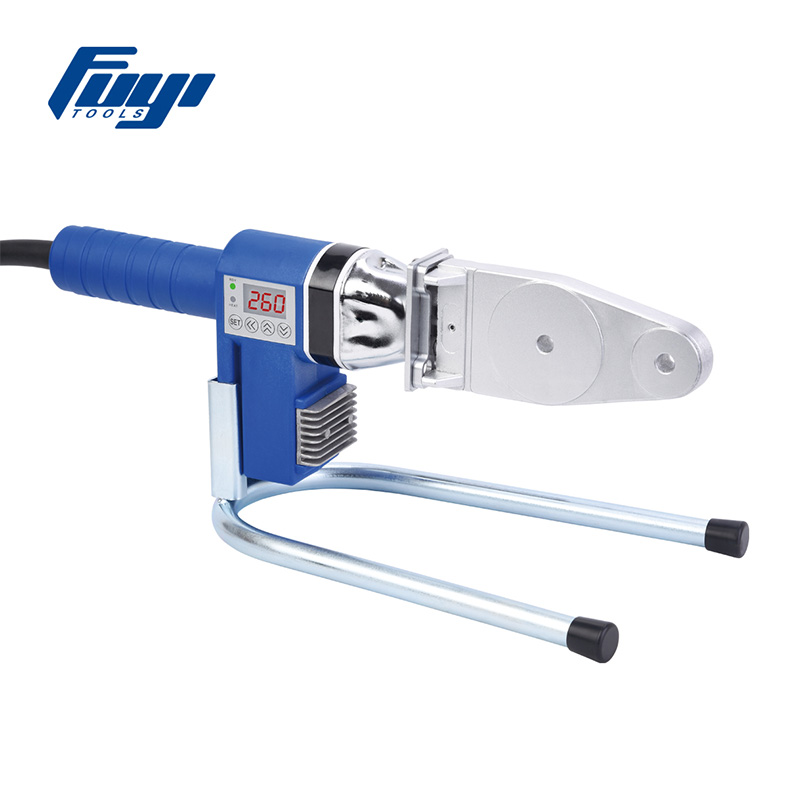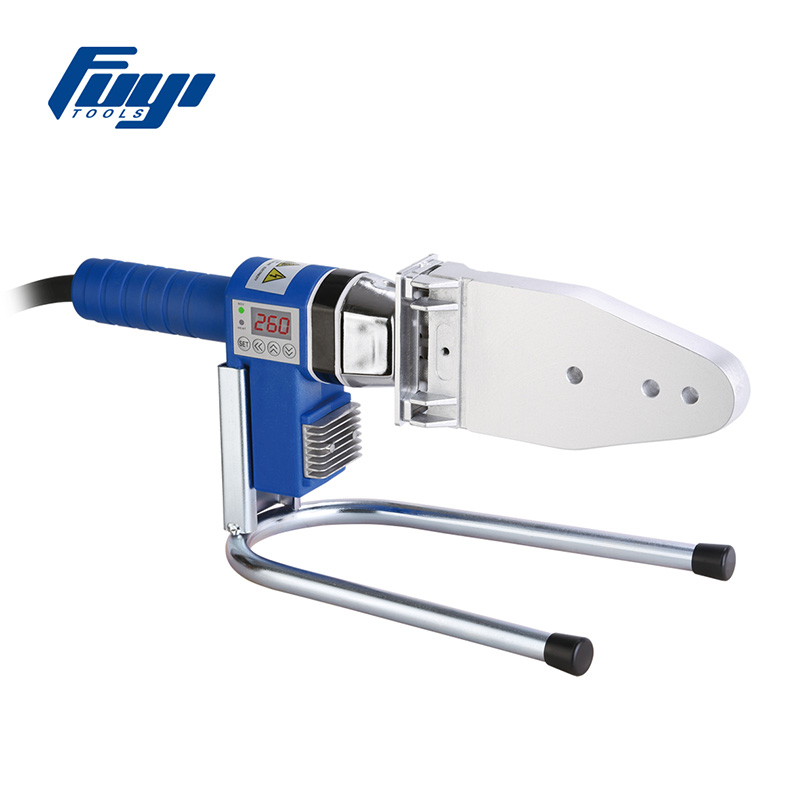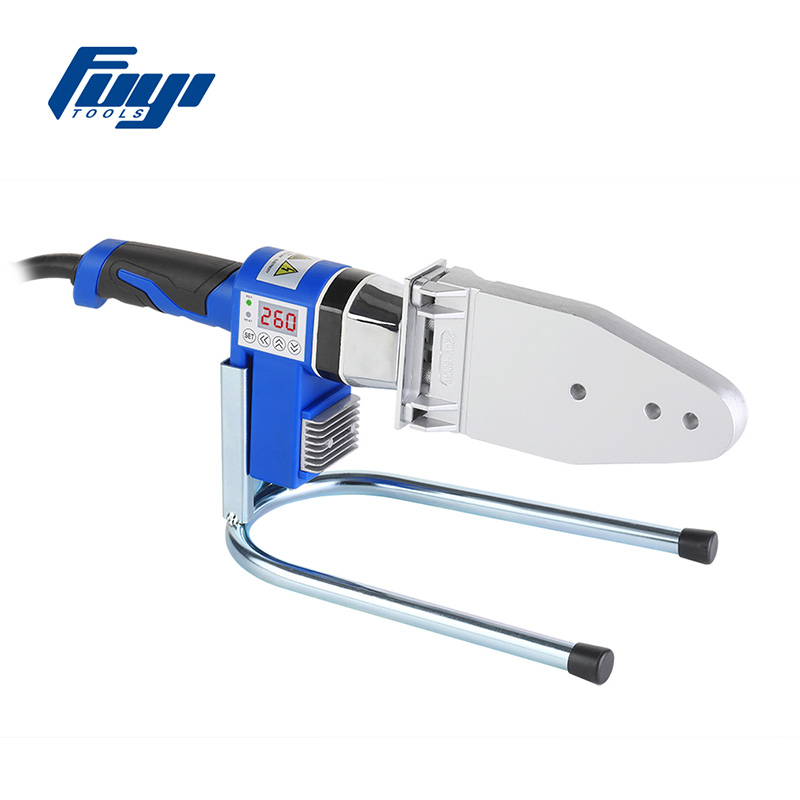
In the world of plastic piping—covering materials like PPR, HDPE, PB, and PVDF—socket fusion stands as one of the most reliable methods for creating leak-proof joints. However, when selecting equipment, users often find themselves at a crossroads: Manual vs. Automatic. While both machines share the same physical goal—fusing a pipe and fitting using heat—the logic of operation, level of precision, and ideal application scenarios differ vastly.
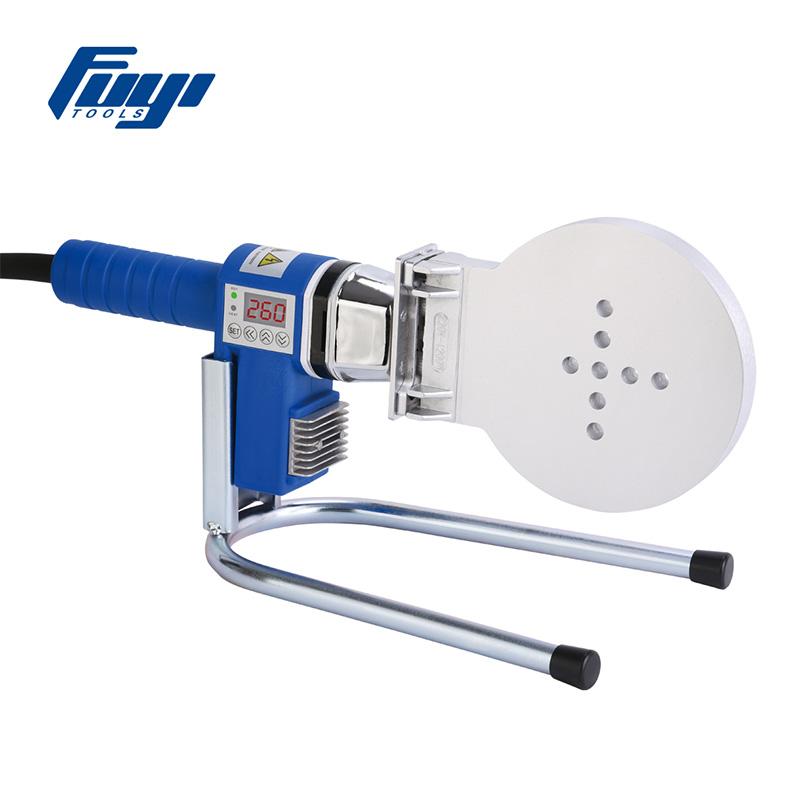
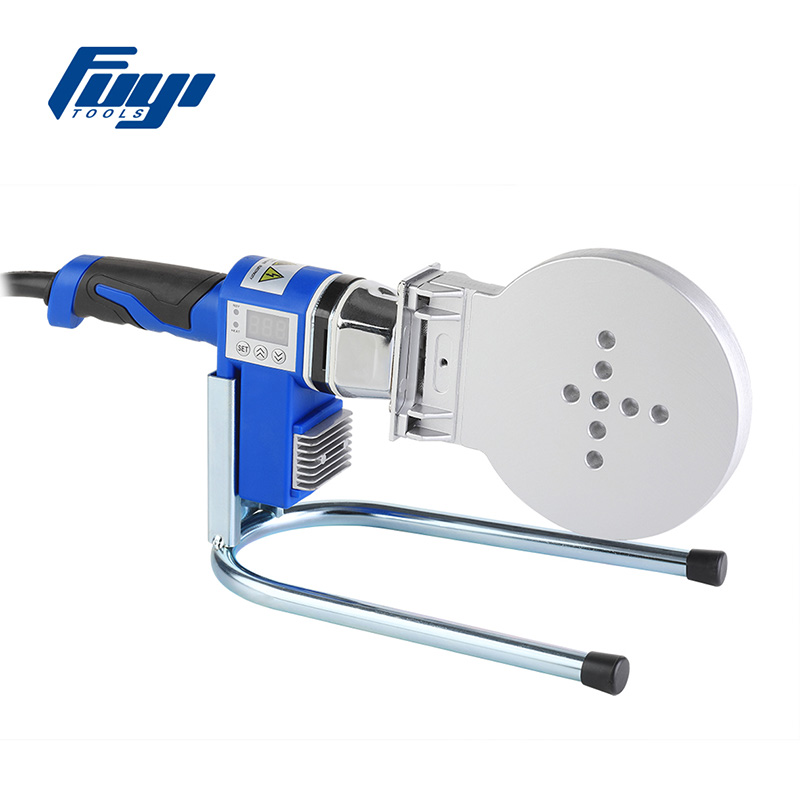
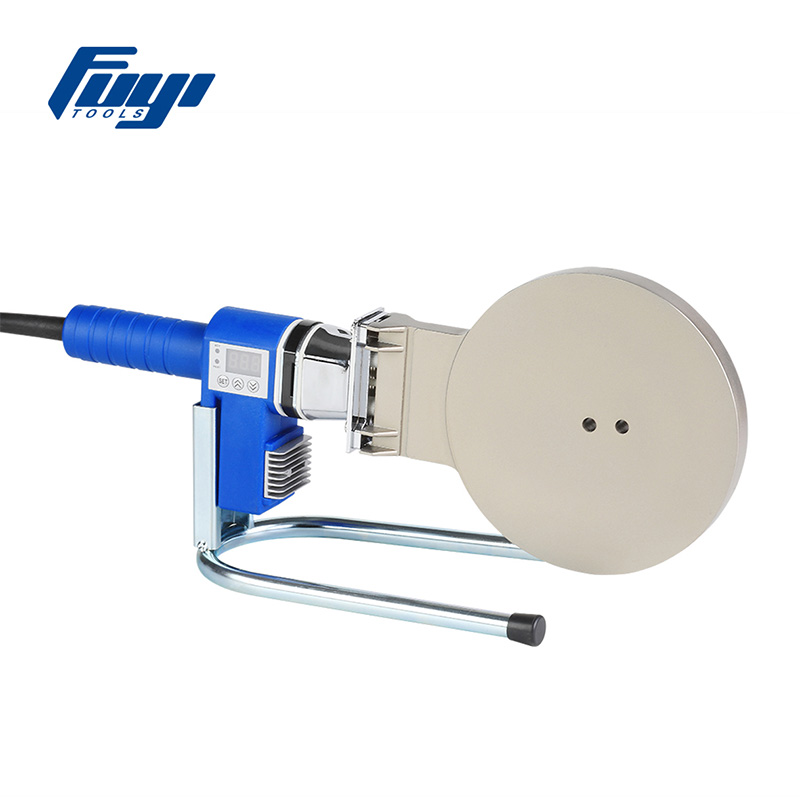
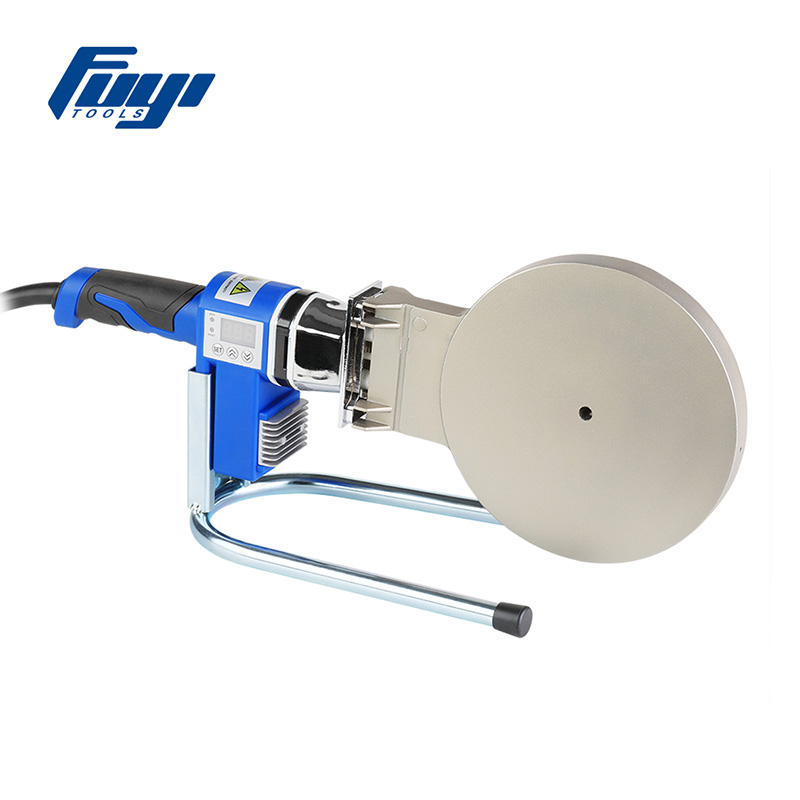
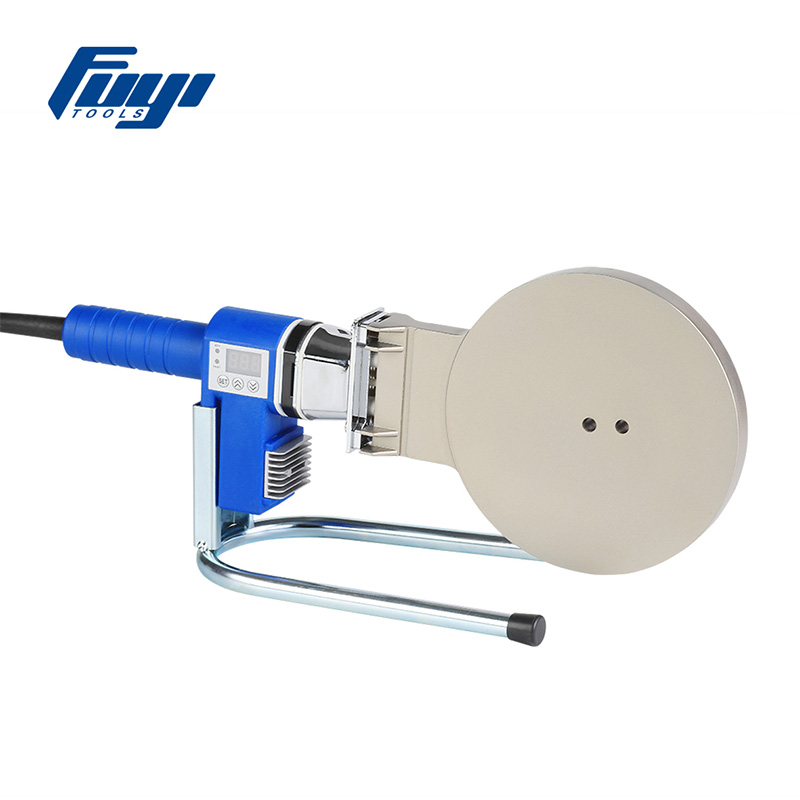
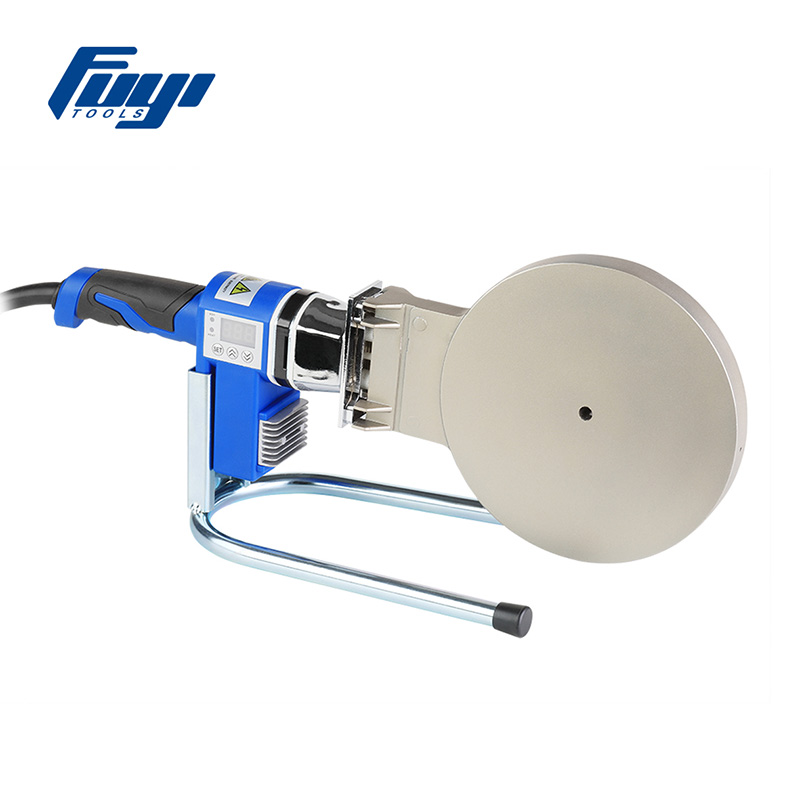
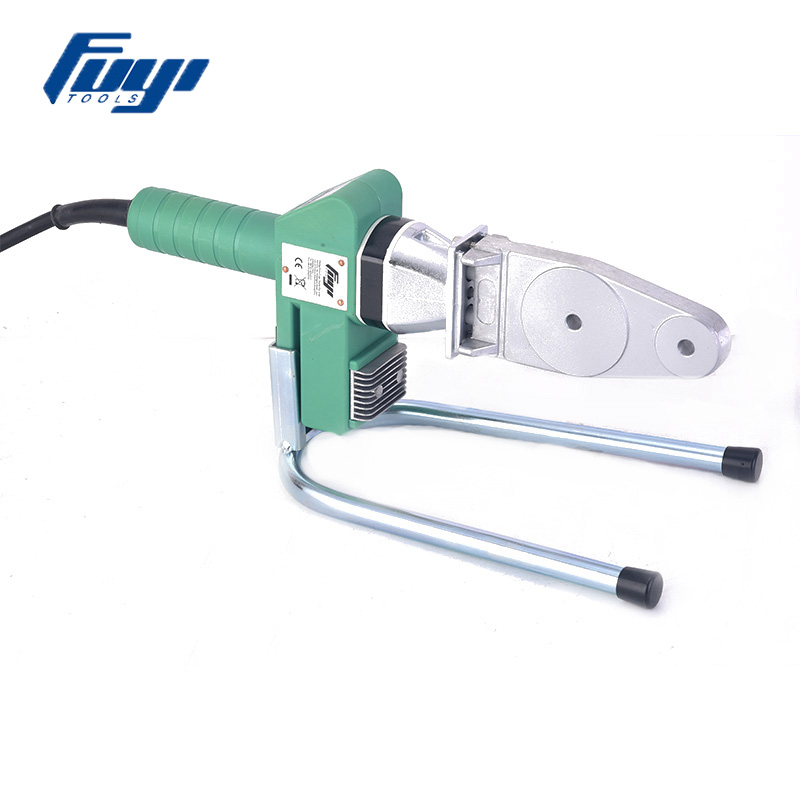
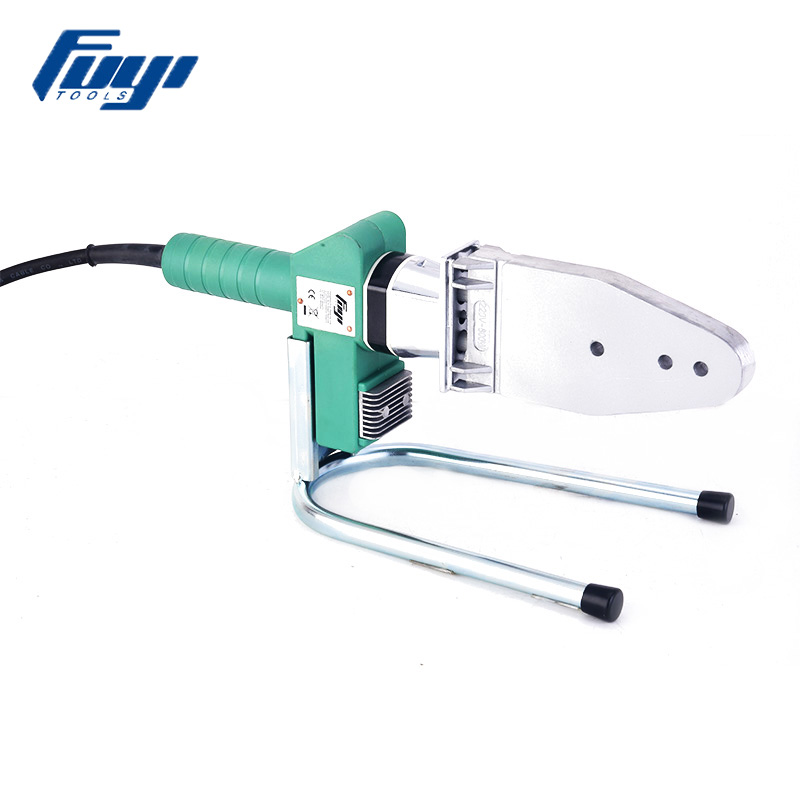
Manual Socket Fusion Machines are often referred to as “welding irons.” They consist of a simple heating plate, mandrels (sockets), and a handle. In this setup, every critical variable—insertion depth, heating time, alignment, and cooling pressure—rests entirely in the hands of the operator. Even for seasoned professionals, maintaining perfect axial alignment or consistent pressure over an eight-hour shift is challenging. Human factors such as fatigue or slight hand tremors can lead to “cold joints” or misaligned fittings.
In contrast, Automatic Socket Fusion Machines introduce a sophisticated mechanical assistance system. These units are typically built with linear guide rails and a mechanical drive (either manual-crank or motorized). This ensures that the pipe and fitting meet at a perfect 180-degree angle every time. High-end automatic models even feature “one-touch” functionality: once the pipe diameter is selected, the machine automatically manages the force of insertion and stops precisely at the required depth. This mechanical oversight eliminates the common risk of “internal bead occlusion” (over-melting) caused by excessive manual force, ensuring the internal flow capacity of the pipe remains uncompromised.
In large-scale construction, efficiency translates directly to cost-effectiveness. A manual machine is lightweight and portable, but its efficiency is tethered to the physical stamina of the worker. After performing 50 consecutive welds, an operator’s speed naturally declines. Furthermore, manual welding becomes physically demanding—and often unsafe—when dealing with larger diameters (such as 63mm and above), frequently requiring two people to ensure the pipe is pushed fully into the socket.
Automatic Fusion Machines are engineered for high-intensity, high-volume environments. They are often bench-top or frame-mounted, utilizing leverage or hydraulic systems to handle large-diameter pipes with minimal effort. While the physics of heat soak time remains constant, the automatic machine drastically reduces set-up cycles and repetitive positioning time. For industrial pre-fabrication shops, an automatic machine allows a single operator to manage a continuous workflow with heavy-duty pipes, significantly lowering the labor cost per joint while maintaining a peak production rate throughout the day.
In modern infrastructure projects, quality traceability is no longer optional—it is a requirement. This is where automatic machines offer an absolute advantage. Many professional-grade automatic socket fusion machines are equipped with onboard microprocessors and sensors. These systems record real-time data for every weld, including ambient temperature, heater plate temperature, soak time, and cooling duration. This data can be exported via USB as a PDF report for quality audits.
Manual machines lack any digital recording capability. In high-stakes environments, such as gas distribution or chemical transport lines, inspectors often demand a “welding log” to verify that the piping system meets safety codes. In these scenarios, manual tools struggle to provide the necessary verification, whereas automatic machines provide a “birth certificate” for every joint, ensuring 100% compliance with international standards.
| Comparison Factor | Manual Socket Fusion Machine | Automatic/Semi-Auto Machine |
|---|---|---|
| Primary Power | Human Effort / Handheld | Mechanical Drive / Hydraulic / Stepper Motor |
| Alignment Method | Visual/Manual (High risk of tilt) | Mechanical Rails (Precision alignment) |
| Pipe Size Range | Typically 16mm - 63mm | 20mm - 110mm+ (More stable for large pipes) |
| Data Logging | None | Supported (USB Export/Digital Logs) |
| Portability | Extremely High (Fits in a toolbox) | Moderate (Requires a flat surface/stand) |
| Initial Cost | Low (Ideal for DIY/Small repairs) | High (Industrial investment) |
| Consistency | Variable (Operator-dependent) | High (Repeatable programmed cycles) |
Choosing the right machine ultimately depends on your Return on Investment (ROI) and the scale of your projects. The manual welder’s low entry price makes it the perfect choice for independent plumbers, small residential renovations, or as an emergency repair tool. If your work involves tight corners, ceiling-bound pipes, or narrow trenches, the manual iron is an irreplaceable asset.
However, for industrial contractors, municipal water projects, or lab-grade piping, the benefits of an automatic machine usually pay for themselves within months. While the upfront cost may be 5 to 10 times higher than a manual unit, the reduction in “rework risk” is invaluable. A single leaking joint in a high-pressure system can cost more in damages and downtime than the price of an automatic machine. Therefore, for those prioritizing long-term system integrity and high-standard compliance, automatic equipment is the superior long-term investment.
Q1: Can I add an automatic controller to my manual welding machine?
A1: Generally, no. The core of an automatic machine is the mechanical guide rail and pressure sensing architecture, not just temperature control. Manual irons lack the frame necessary to support automated mechanical movement.
Q2: Do automatic machines require a special power supply?
A2: Most operate on standard 110V or 220V. However, because they power both a heating element and a motor/hydraulic pump, it is recommended to use a stable power source or a surge protector on job sites to protect the electronics.
Q3: Why is an automatic/mechanical machine recommended for large diameters?
A3: Once pipe diameters exceed 63mm, the friction surface area becomes so large that it is physically difficult for a human to insert the pipe to the required depth within the allotted seconds. Failure to do so results in a weak, shallow bond.
Copyright © 2024 Hangzhou Fuyi Tools Co., Ltd. All Rights Reserved.
|