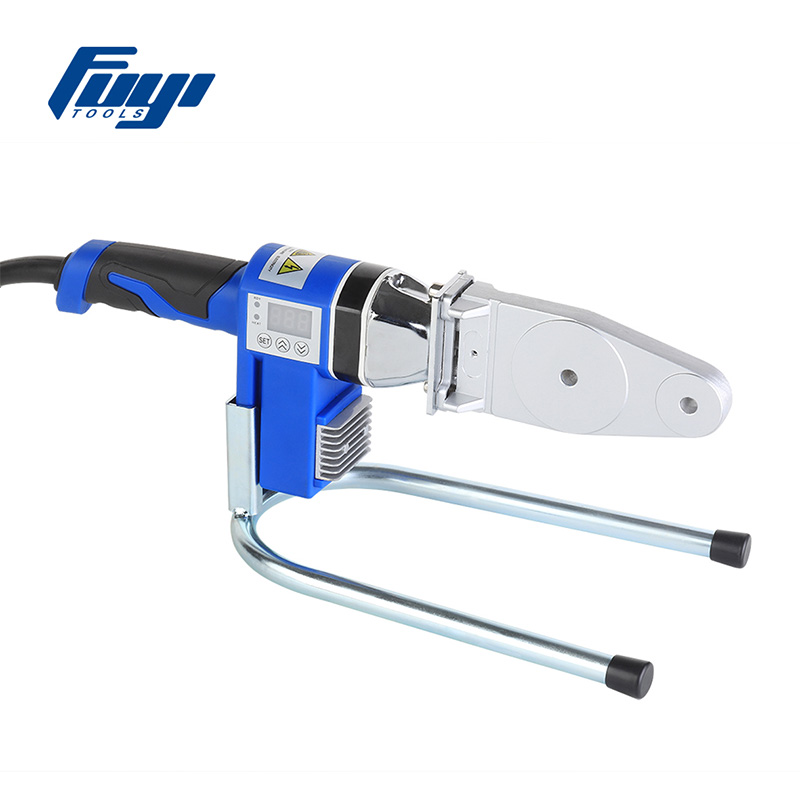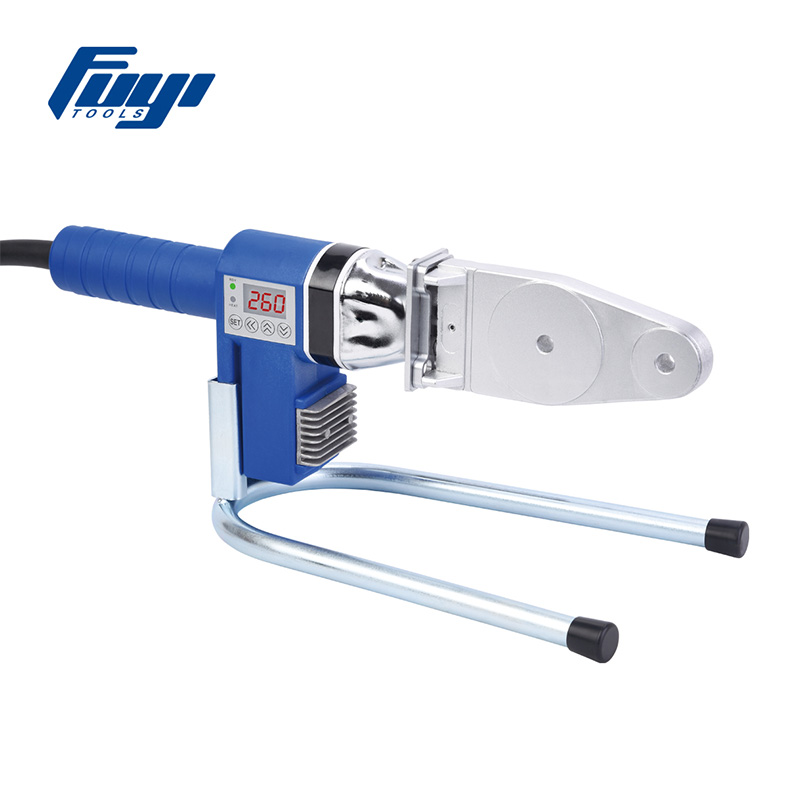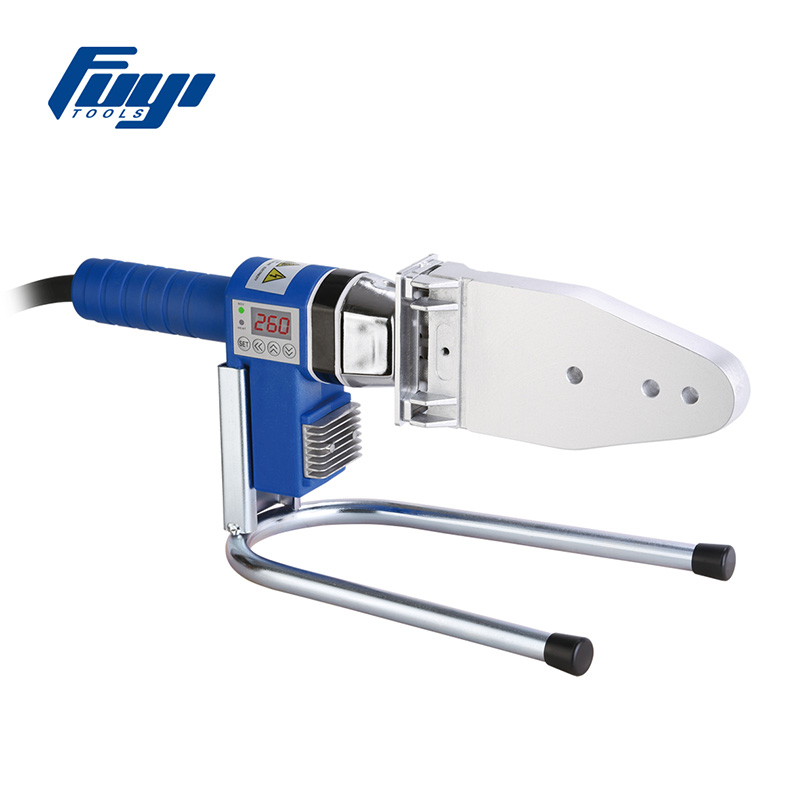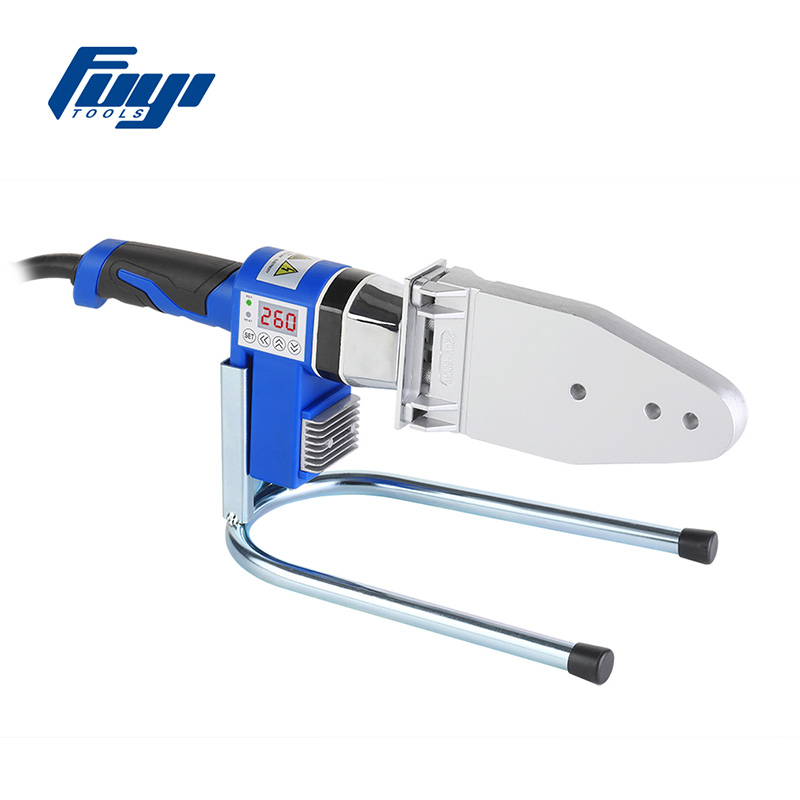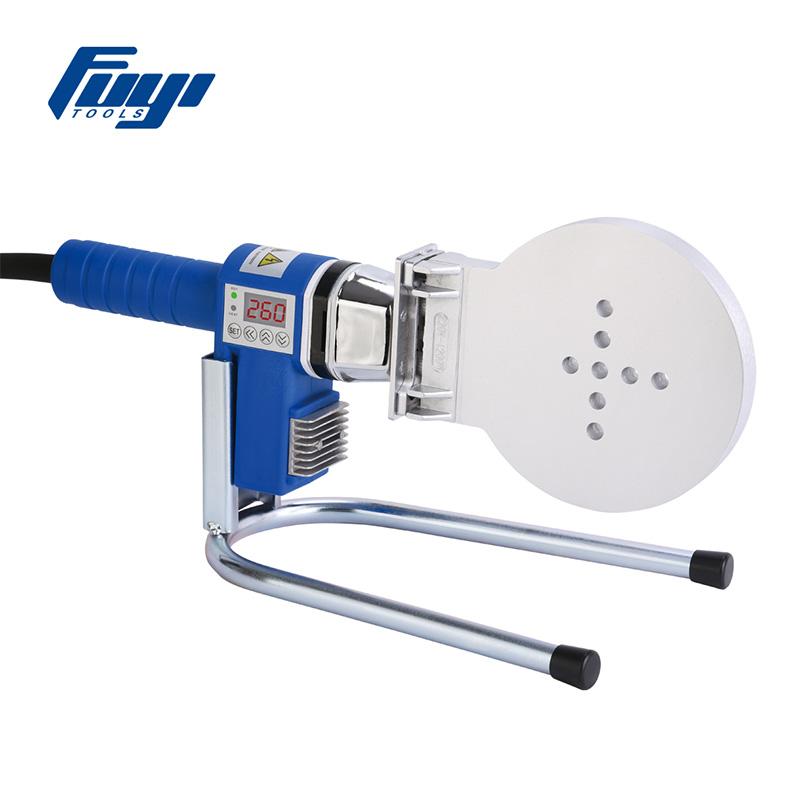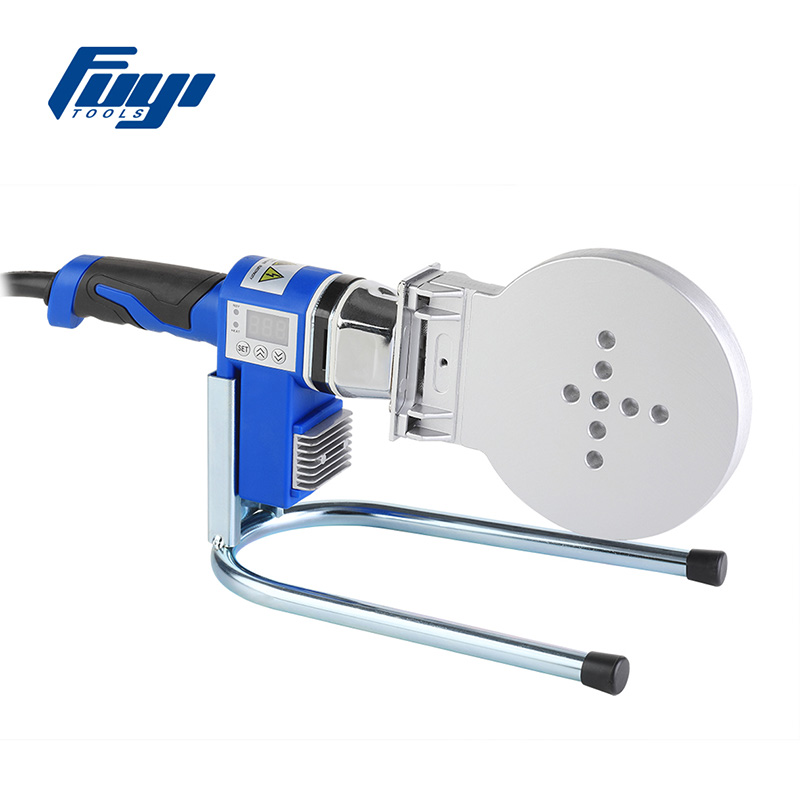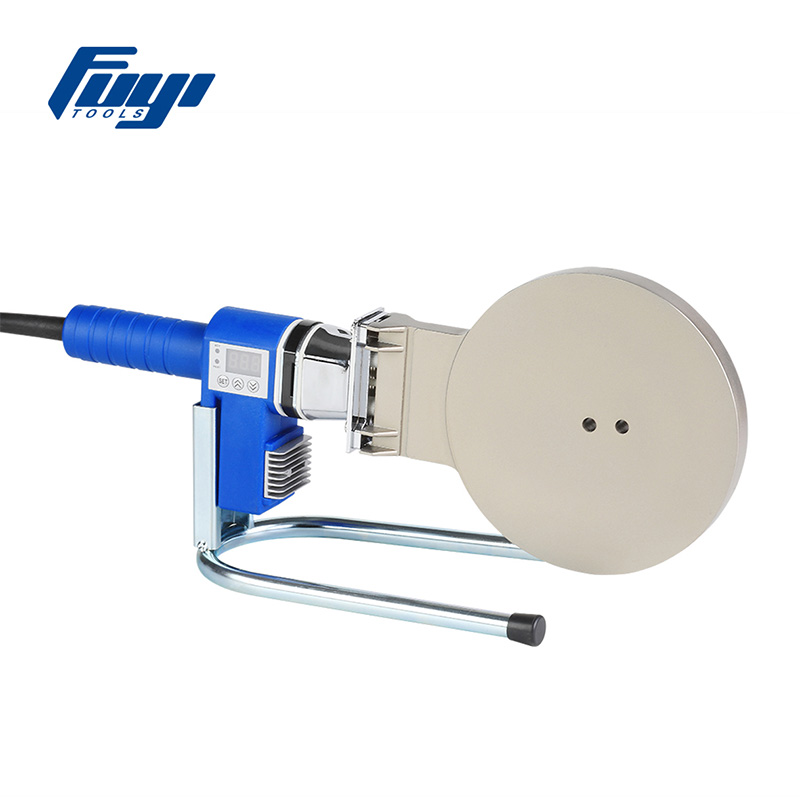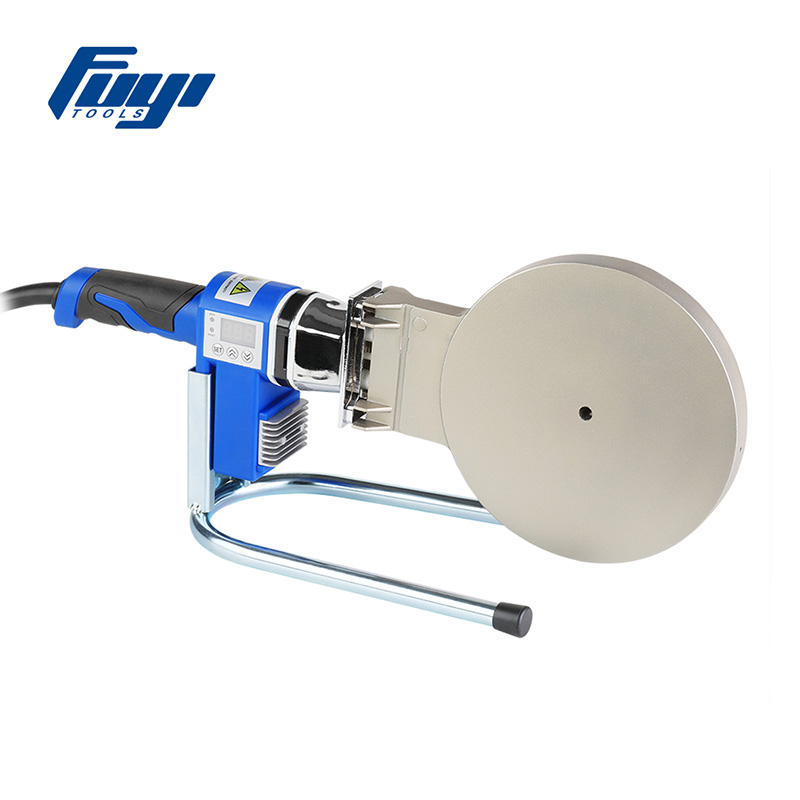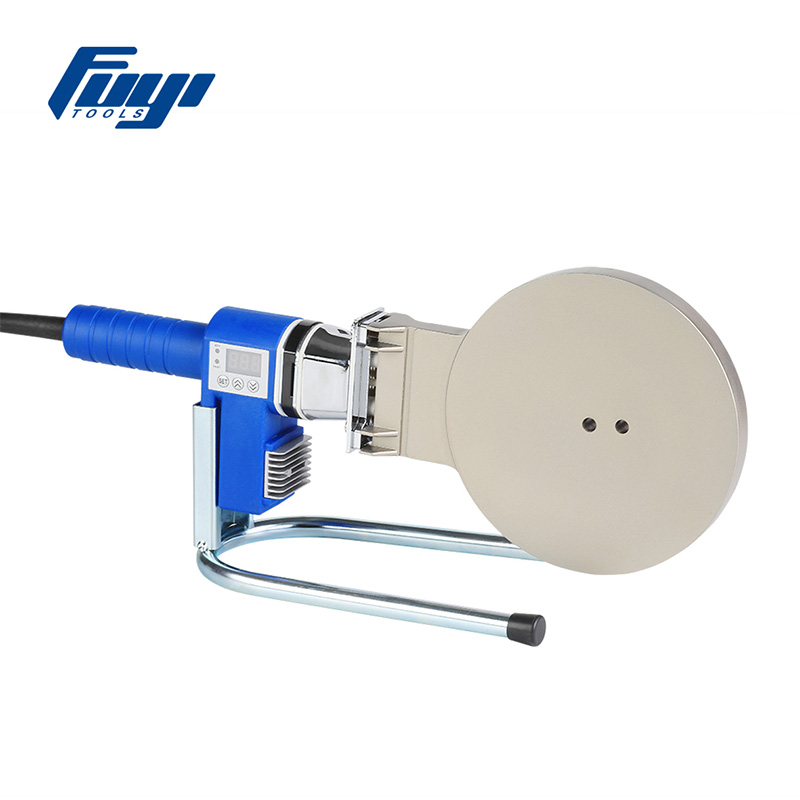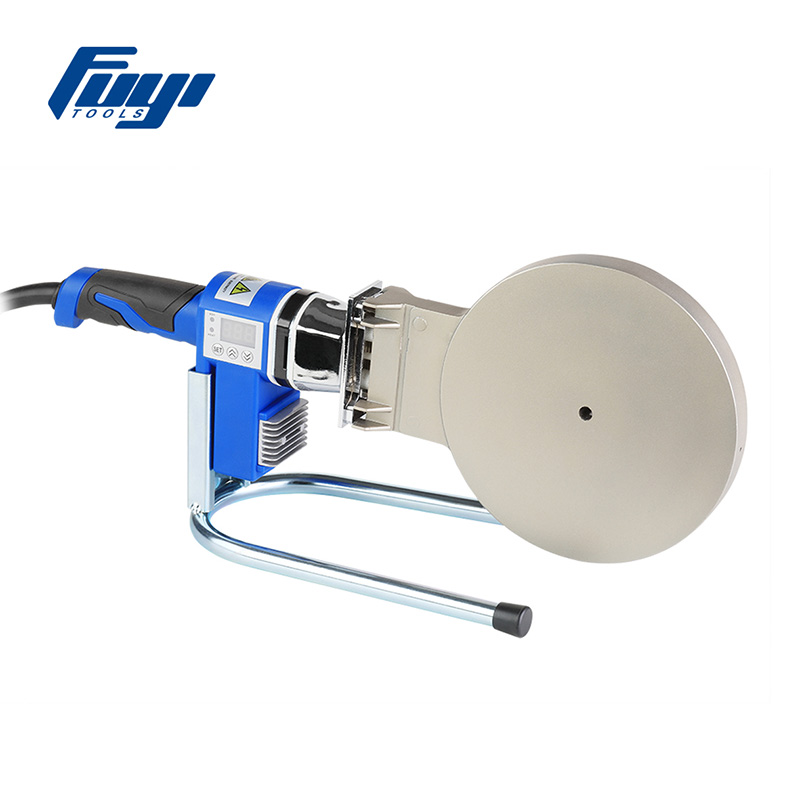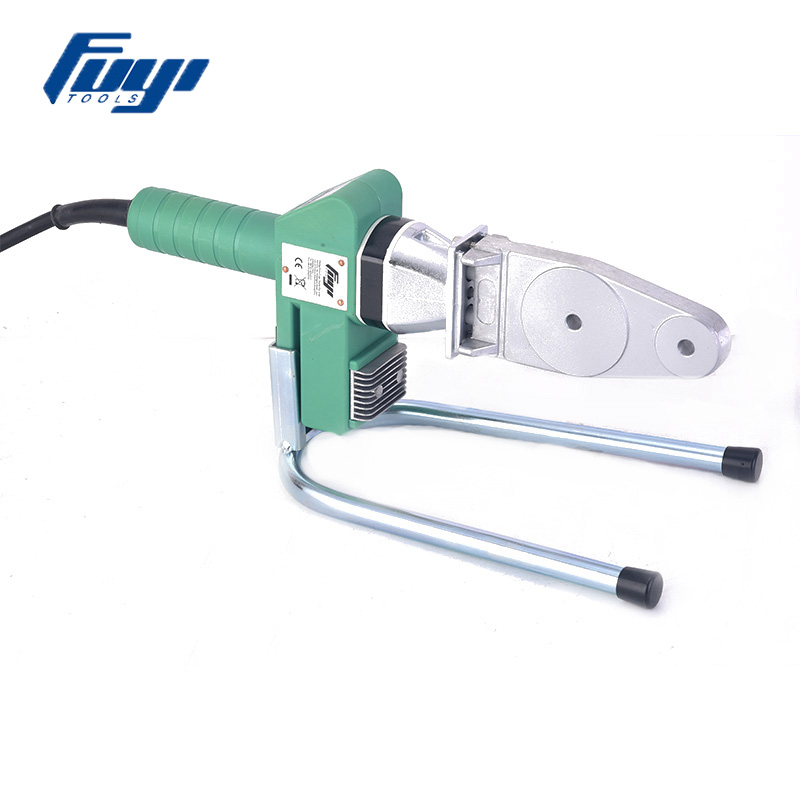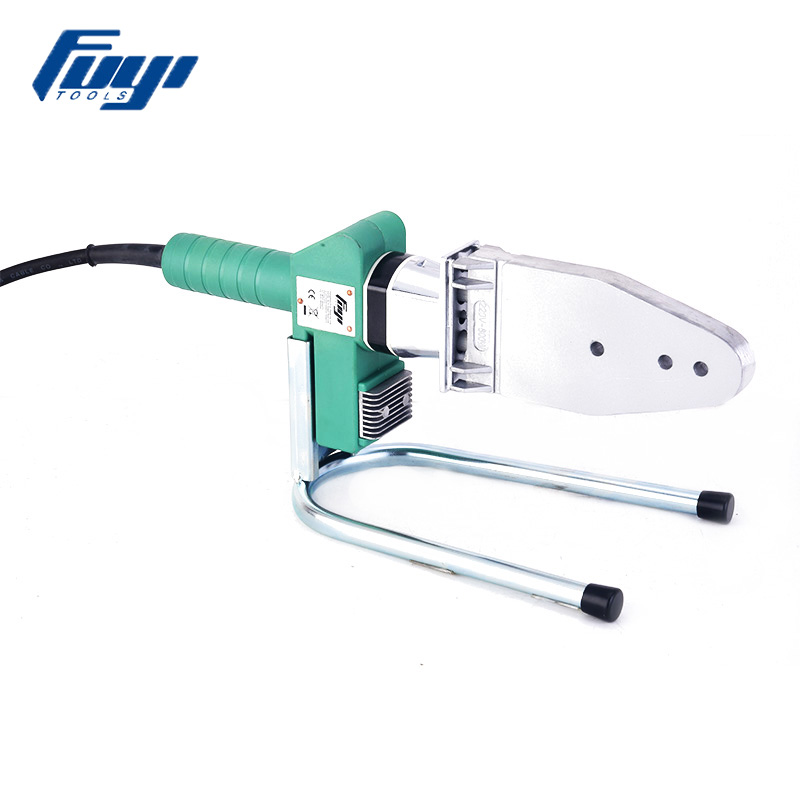
An electrofusion welding machine is a specialized device used to join HDPE (High-Density Polyethylene) pipes and fittings through a controlled electrical heating process. Unlike traditional fusion techniques, electrofusion welding relies on fittings with embedded resistance wires that heat the joint uniformly when an electric current is applied. This process ensures a strong, leak-proof connection, which is crucial for industrial, municipal, and utility piping systems.
Electrofusion welding machines have become the industry standard in gas, water, and chemical pipeline installations due to their precision, reliability, and safety advantages. They are especially effective in applications where pipe alignment is challenging or where working in confined spaces makes traditional butt fusion methods impractical.
The combination of automation, precise temperature control, and consistent heating makes electrofusion welding machines an essential tool for engineers and installers seeking high-quality, long-lasting pipe connections. Using these machines reduces human error and ensures that the welding process adheres to strict industrial standards, making them indispensable in critical infrastructure projects.
One of the most significant benefits of using an electrofusion welding machine is precision and consistency in welds. The machine automatically regulates the electrical current, heating time, and temperature based on the type of fitting and pipe material. This automation minimizes human error and ensures that every weld is executed under optimal conditions.
Uniform heating guarantees a homogeneous fusion bond, meaning the joint becomes as strong as the base pipe itself. This is particularly important in high-pressure gas pipelines, potable water systems, and chemical pipelines, where even minor defects can lead to leaks, safety hazards, or costly downtime.
Many modern electrofusion welding machines also feature data logging capabilities, which record welding parameters, timestamps, and operator details. This allows operators to track each weld for quality assurance, regulatory compliance, and long-term maintenance planning, providing a level of traceability that traditional welding methods cannot match.
Electrofusion welding machines are designed to increase installation efficiency and reduce labor costs. Unlike manual welding, where operators must monitor temperature and timing, electrofusion machines automate these processes. This allows personnel to focus on preparing pipes, ensuring alignment, and maintaining safety standards.
The machine’s automation also reduces the need for extensive pipe preparation, such as beveling, preheating, or manual clamping, which is typically required in butt fusion welding. As a result, welding projects can be completed more quickly, reducing downtime and accelerating pipeline installation schedules.
| Feature | Electrofusion Welding | Butt Fusion Welding | Manual Welding |
|---|---|---|---|
| Joint Strength | Very High | High | Moderate |
| Process Control | Automated | Semi-Manual | Manual |
| Installation Speed | Fast | Moderate | Slow |
| Suitable for Tight Spaces | Yes | Limited | No |
| Quality Verification | Built-in Logging | Requires Manual Inspection | Difficult |
This table highlights how electrofusion welding machines outperform other methods, offering faster, safer, and more reliable results.
Safety is a critical benefit of electrofusion welding machines. Unlike open-flame welding or manual heating methods, electrofusion uses controlled electrical heating, eliminating fire hazards and reducing operator exposure to harmful fumes. Machines are often equipped with automatic cut-off systems, error detection, and guided prompts, ensuring that operators follow proper procedures and reducing the likelihood of defective welds.
The reliability of the weld is further enhanced by the uniform heating process, which minimizes defects such as voids, gaps, or incomplete fusion. These features make electrofusion welding the preferred choice for critical infrastructure projects where joint integrity is paramount.
Furthermore, many modern machines offer traceable weld data storage, allowing project managers to review each joint for compliance with industrial standards. This ensures both safety and accountability, providing peace of mind for both installers and clients.
Electrofusion welding machines are highly versatile, capable of welding a wide range of HDPE pipe diameters and fittings. They can be used in both industrial and residential applications, including water supply, gas pipelines, chemical plants, and sewage systems.
The machines are often portable, allowing operators to work in confined spaces, underground pits, or remote locations without compromising weld quality. This adaptability significantly expands the scope of projects where electrofusion welding can be applied.
In addition, electrofusion welding machines are compatible with fittings of different shapes, sizes, and materials, making them suitable for diverse piping configurations. The combination of precision, safety, efficiency, and adaptability makes these machines a complete solution for modern piping systems, ensuring long-term durability and performance.
Q1: Can electrofusion welding machines be used for all types of HDPE pipes?
Yes, but it is essential to match the machine settings to the specific pipe material and diameter.
Q2: How long does a typical electrofusion weld take?
Welding times vary by pipe diameter and fitting type but generally range from 3 to 15 minutes per joint.
Q3: Is special training required to operate an electrofusion welding machine?
Yes, proper training is recommended to ensure correct handling, alignment, and adherence to welding parameters.
Q4: Can electrofusion welding machines log and store weld data?
Many modern machines include logging features for quality control, traceability, and compliance with industry standards.
Q5: Are electrofusion welds as strong as the pipe itself?
Yes, when performed correctly, the joint is as strong and durable as the base pipe, making it suitable for high-pressure applications.
Copyright © 2024 Hangzhou Fuyi Tools Co., Ltd. All Rights Reserved.
|