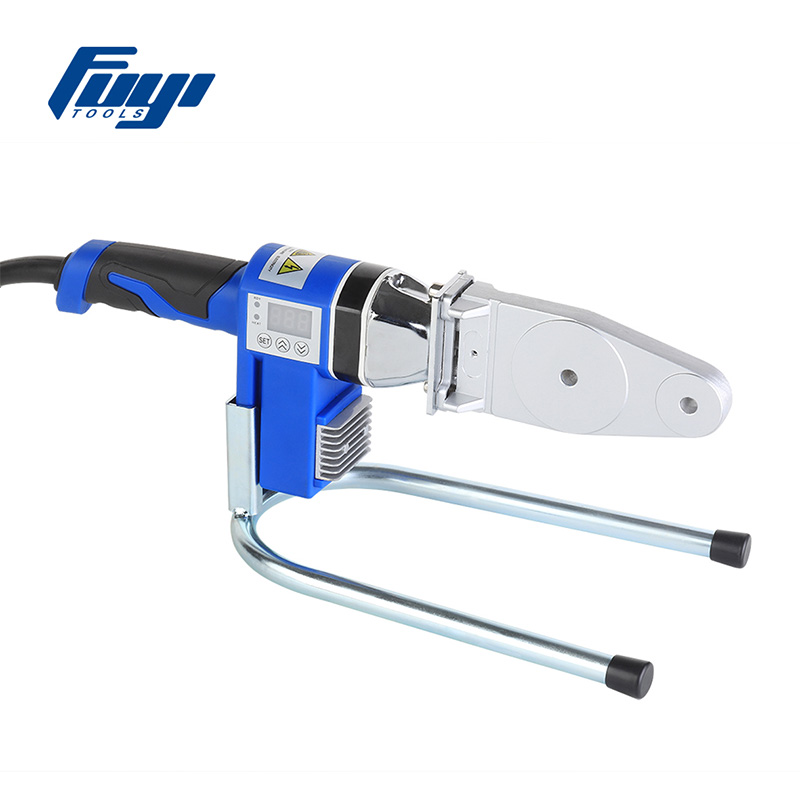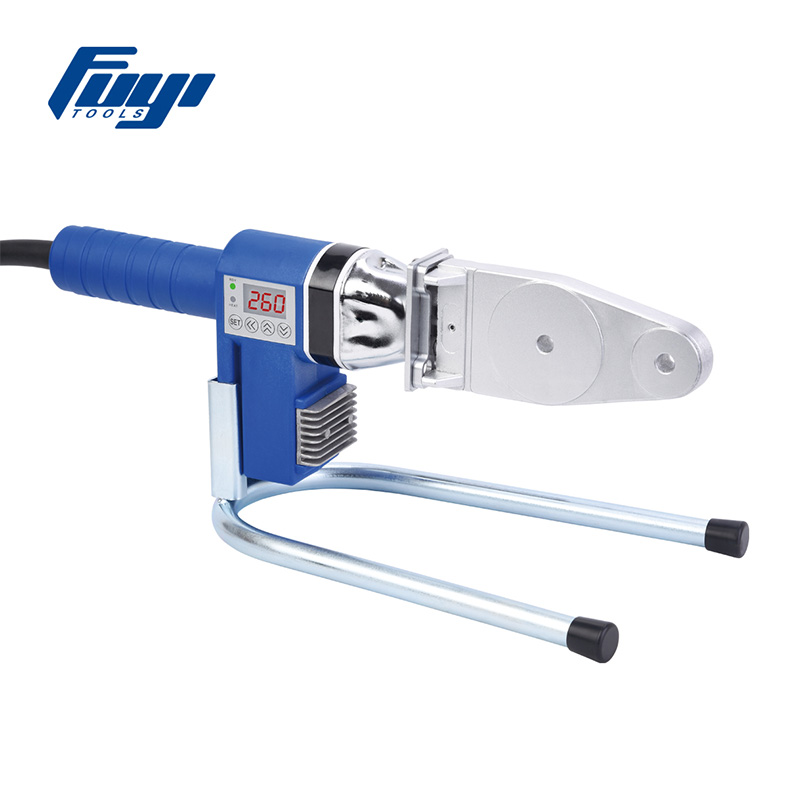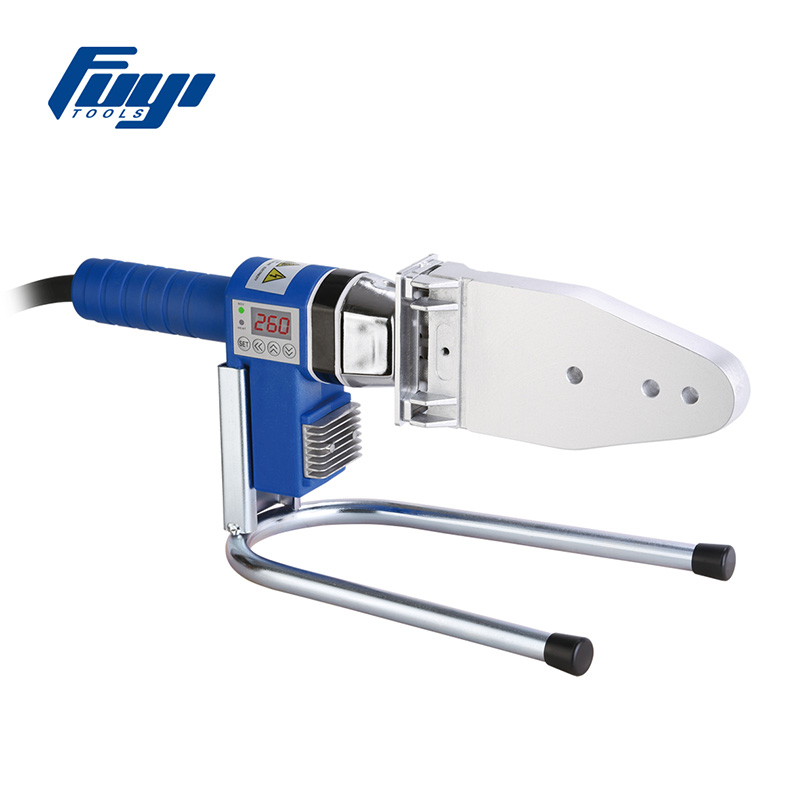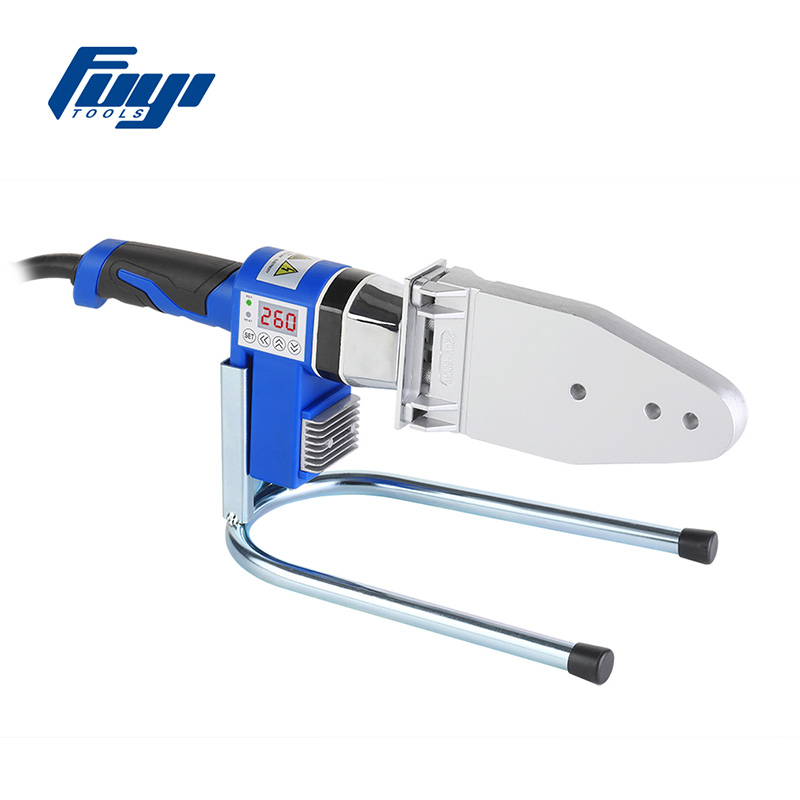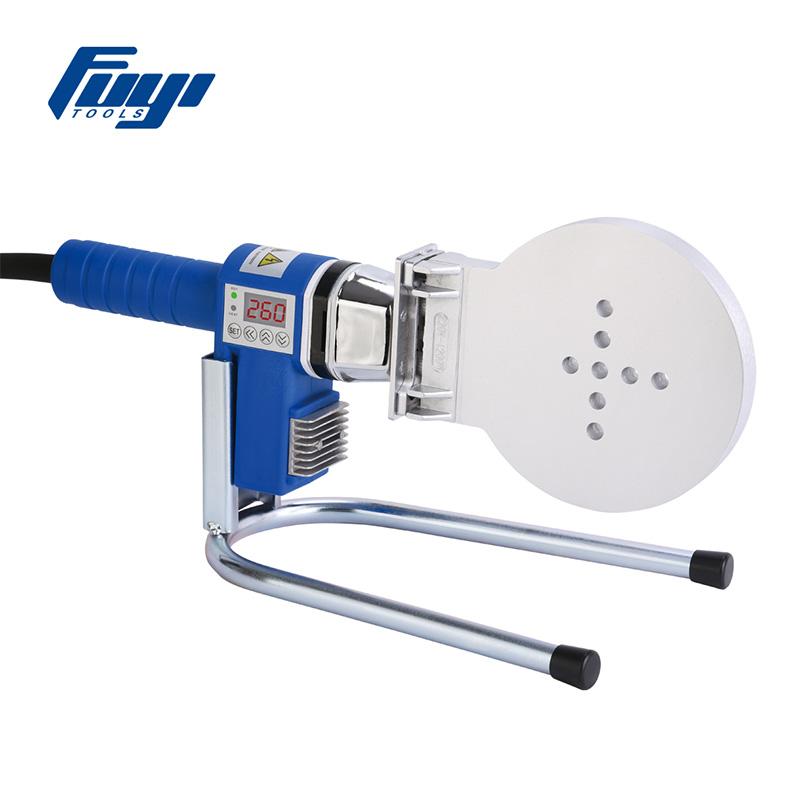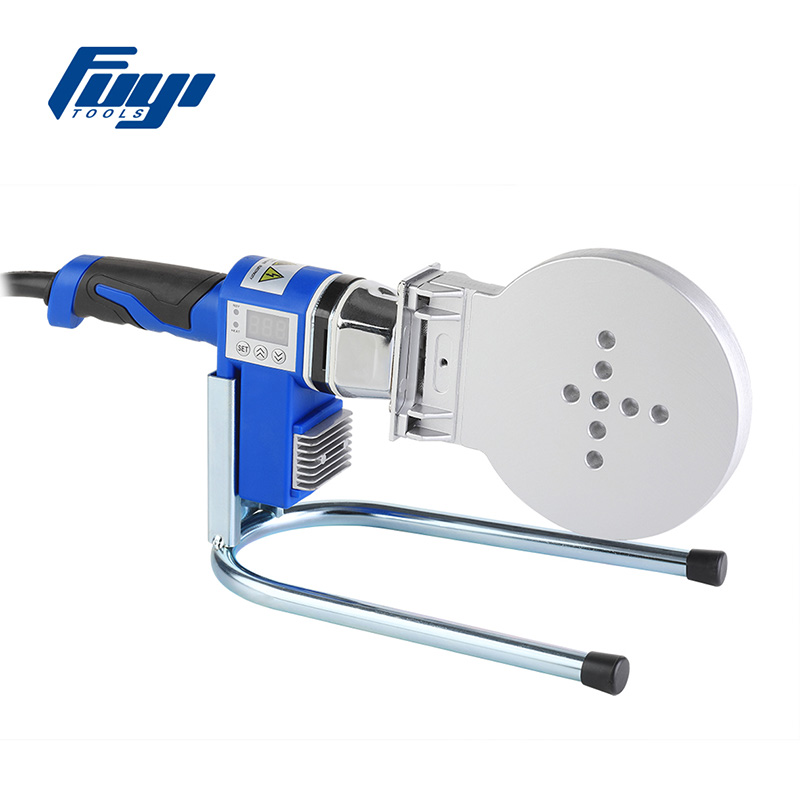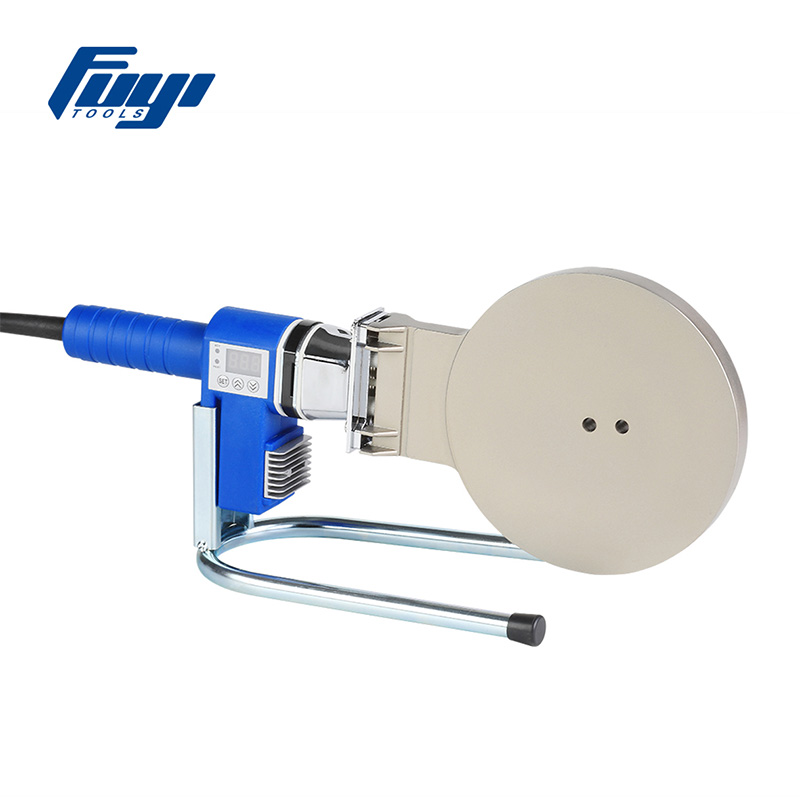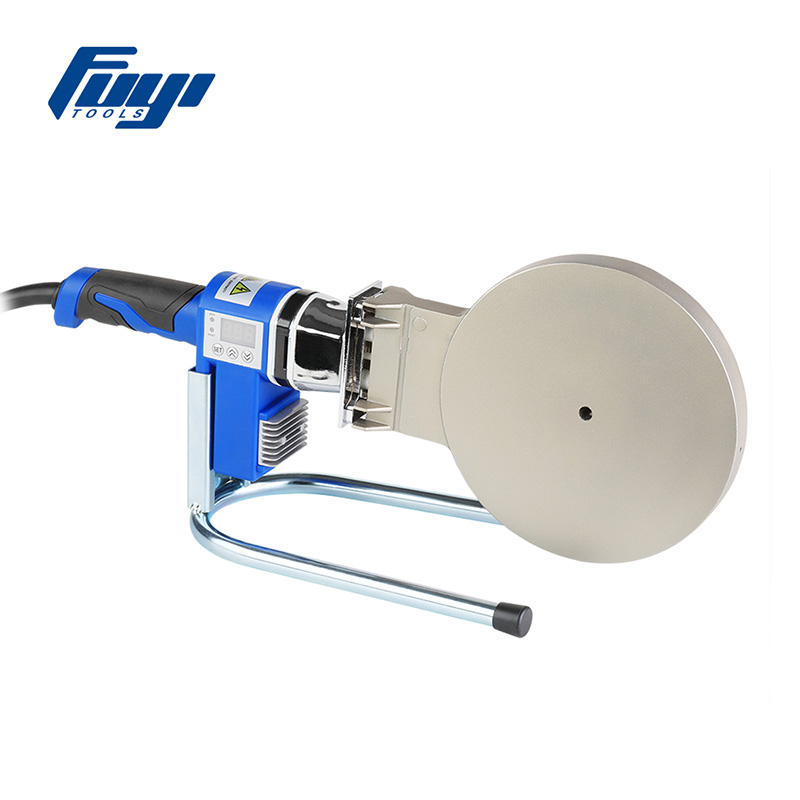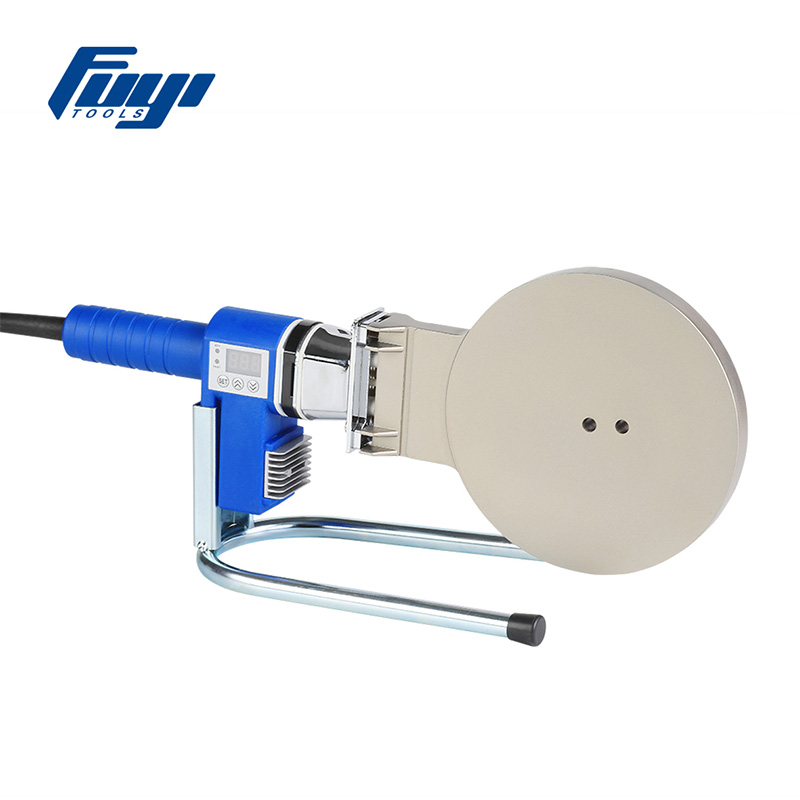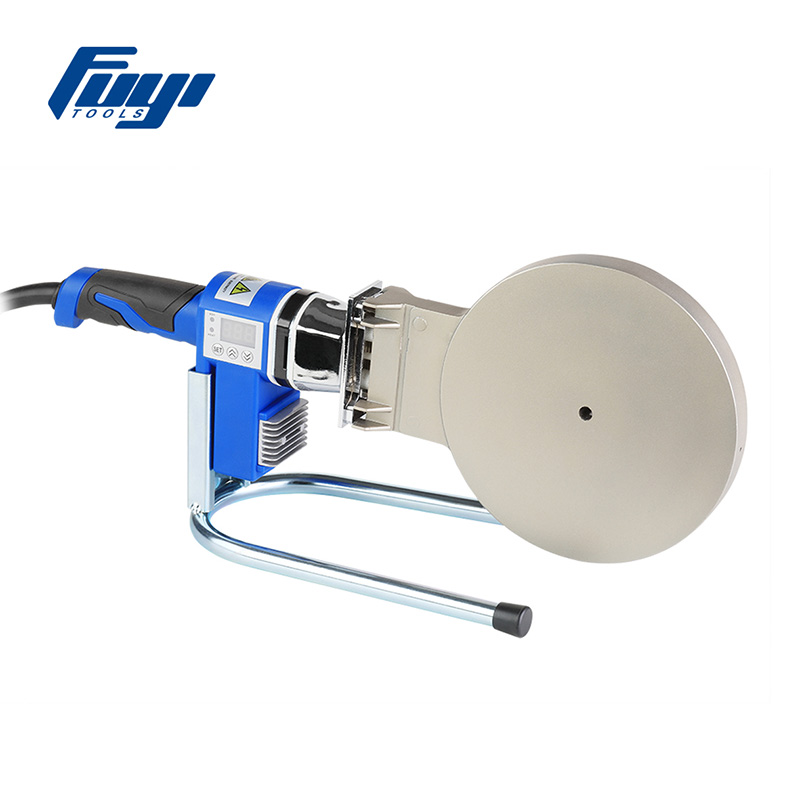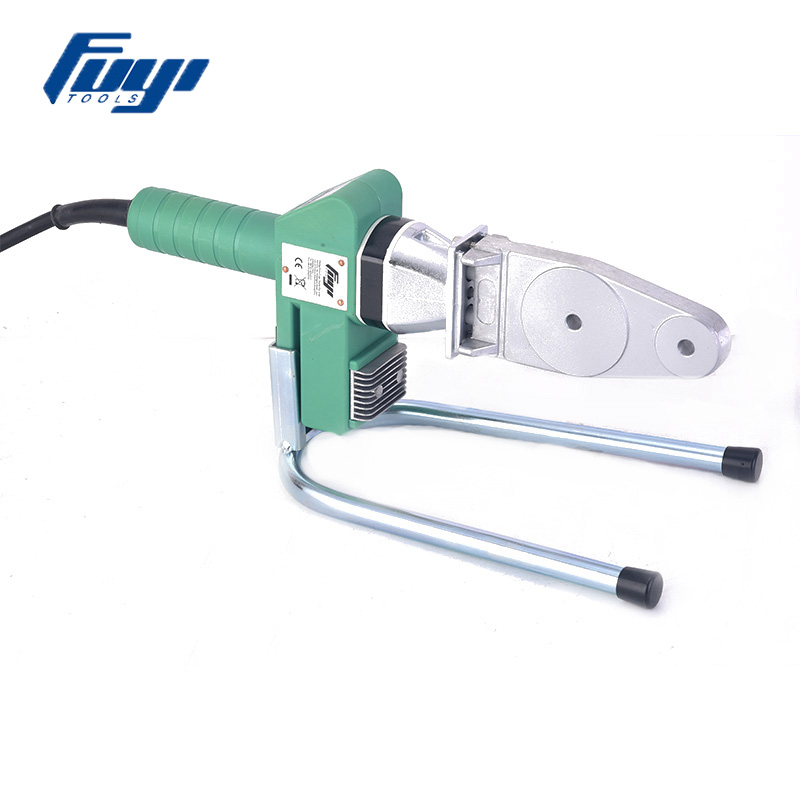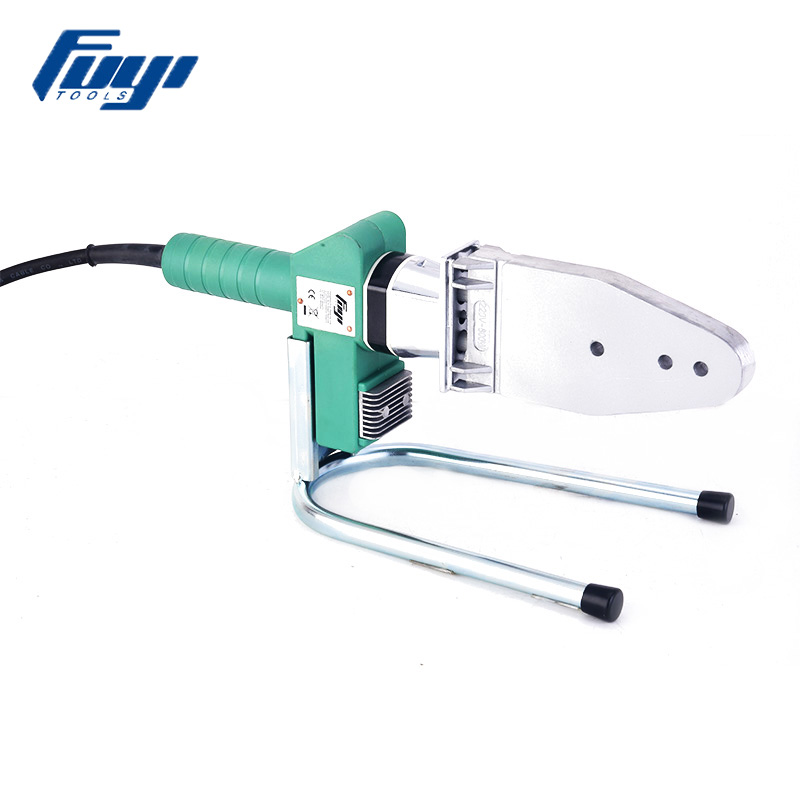
Socket Fusion Welding Machines are commonly used in plumbing and piping systems to join thermoplastic pipes, such as HDPE (High-Density Polyethylene), which are widely used in water distribution networks. The precision and reliability of socket fusion welding ensure that these systems remain leak-free and durable under pressure.
In the water distribution industry, socket fusion welding is particularly advantageous due to its ability to create strong, homogeneous joints that are resistant to corrosion and chemicals. HDPE pipes are widely used for potable water, as they do not degrade in harsh environmental conditions, making them ideal for long-term installations. The fusion process also avoids the need for additional adhesives or solvents, which might introduce contaminants into the water supply.
Another key application within the plumbing sector is in wastewater and sewer systems. Socket fusion welding ensures a secure and leak-proof connection between HDPE pipes, which are often used for carrying wastewater, stormwater, and sewage. The welded joints are less prone to failure compared to mechanical fittings, which may loosen over time due to environmental changes like soil shifts or temperature fluctuations.
| Advantages of Socket Fusion in Plumbing | Considerations |
|---|---|
| Leak-proof connections: Provides durable, leak-resistant joints. | Initial equipment cost: While socket fusion welding is effective, it can require an initial investment in welding machines. |
| Corrosion-resistant: Ideal for systems exposed to moisture. | Training required: Proper training is necessary to ensure proper use of welding machines. |
| Faster installation: Quick, reliable fusion process. | Pipe material limitation: Primarily for thermoplastic pipes like HDPE. |
Socket Fusion Welding Machines are also a crucial component in the gas distribution industry. High-density polyethylene (HDPE) pipes are commonly used for transporting natural gas, propane, and other gases because of their resistance to corrosion and ability to withstand high pressures. Socket fusion welding provides a fast and efficient method for joining these pipes, ensuring secure and leak-proof connections.
In natural gas supply systems, safety is a top priority. Traditional pipe connections can be prone to leakage or failure over time due to environmental wear or pressure changes. Socket fusion welding eliminates this concern by creating seamless, robust joints. These fused joints are especially valuable in underground or remote pipeline installations, where repair costs and downtime can be significant.
Socket fusion welding also helps in avoiding the potential hazards associated with other welding methods or adhesives. Since the fusion process involves melting the pipe ends and joining them under heat and pressure, no external substances are introduced into the joint, ensuring the system remains free from potential contaminants or weak points.
In the oil and gas sector, socket fusion welding is used extensively for building and maintaining pipelines that carry petroleum products and natural gas. The ability to create leak-proof, durable joints is crucial in this industry, where the risks associated with leaks are high. HDPE pipes used in these systems are ideal for transporting substances that can otherwise cause corrosion in traditional metal pipes.
The oil and gas industry relies on socket fusion welding to ensure that pipeline systems remain intact under extreme conditions. These systems often operate under high pressure, and ensuring that the pipes remain intact is vital to prevent leaks and accidents. Furthermore, socket fusion welding is resistant to environmental degradation, which is crucial in both onshore and offshore installations.
For offshore oil rigs, socket fusion welding ensures that the pipelines used for transporting oil, gas, and water remain secure even in harsh marine environments. The welded joints are less prone to corrosion from saltwater exposure, offering a longer lifespan and reducing the need for maintenance.
| Advantages of Socket Fusion in Oil & Gas | Considerations |
|---|---|
| Durable joints: Ensures reliable, long-lasting connections. | Operational challenges: Requires proper equipment for handling high-pressure situations. |
| Corrosion resistance: Ideal for offshore and underground pipelines. | Training and certification: Operators need to be trained in welding procedures to maintain safety. |
| Environmental protection: Reduced risk of leaks compared to traditional methods. | Material limitations: Primarily for HDPE pipes, which may not be suitable for all applications. |
Socket fusion welding plays a significant role in modern agricultural irrigation systems. The ability to create leak-proof, strong joints is essential when using pipes to distribute water over large agricultural areas. HDPE pipes are ideal for irrigation because of their resistance to chemicals and their flexibility under pressure, both of which are necessary for efficient water distribution in farms.
In agricultural applications, socket fusion welding helps ensure that the irrigation system is both durable and efficient. It is especially useful for drip irrigation systems, which require precise, leak-resistant connections to deliver water directly to crops. The speed of socket fusion welding also helps reduce installation time, ensuring that large irrigation systems can be set up quickly, even in remote locations.
Socket fusion welding also helps in ensuring that the systems remain low-maintenance and efficient over time. Since HDPE pipes are resistant to UV degradation, chemicals, and wear from harsh weather conditions, the welded joints created during installation maintain their strength over the long term, ensuring minimal downtime and repair costs.
In industrial manufacturing, socket fusion welding is essential for creating secure pipe connections in various production processes. The food and beverage industry, pharmaceutical plants, and chemical manufacturing facilities all rely on this welding technique to ensure the integrity of their piping systems. These industries often require sanitary, corrosion-resistant pipes for transporting liquids, gases, and powders.
Socket fusion welding helps in minimizing the risk of contamination in food production lines or pharmaceutical environments. Since no external adhesives or sealing agents are used, there is a lower chance of introducing harmful chemicals into the system, making it ideal for industries where purity is critical.
In addition, socket fusion welding allows for quick and effective installation of complex piping systems that require precise and durable connections. This helps manufacturers maintain their production schedules while ensuring the reliability of their piping networks.
| Advantages in Industrial Manufacturing | Considerations |
|---|---|
| Sanitary connections: No contaminants introduced into the system. | Initial investment: Requires specialized equipment for fusion welding. |
| Corrosion resistance: Ideal for harsh chemical environments. | Limited to thermoplastics: Mainly used for HDPE and similar materials. |
| Fast installation: Saves time and reduces labor costs. | Maintenance of equipment: Regular checks needed to maintain welding quality. |
1. What materials can be joined using a Socket Fusion Welding Machine?
Socket fusion welding is typically used to join thermoplastic materials such as HDPE, PP (Polypropylene), and PVDF (Polyvinylidene fluoride). These materials are favored for their resistance to corrosion and their flexibility.
2. How long does it take to perform a socket fusion weld?
The process usually takes only a few minutes. Once the machine is properly set up, it takes around 30-60 seconds to heat the pipe ends and fuse them together, depending on the pipe diameter and material.
3. What are the main advantages of using Socket Fusion Welding?
Socket fusion welding provides leak-proof, strong, and durable joints that are resistant to corrosion. It is a quick, reliable, and cost-effective method of joining thermoplastic pipes, especially in industries where pipe integrity is crucial.
4. Can Socket Fusion Welding be used for large industrial pipelines?
Yes, socket fusion welding is suitable for industrial pipelines, including those in the gas, oil, and water industries. However, for very large pipelines, other welding methods may be preferred due to size limitations of the socket fusion process.
5. Are there any safety concerns with Socket Fusion Welding?
As with any welding technique, it is important to follow safety guidelines. The welding process involves high temperatures, so operators must wear protective gear and ensure proper ventilation to avoid injury.
Copyright © 2024 Hangzhou Fuyi Tools Co., Ltd. All Rights Reserved.
|