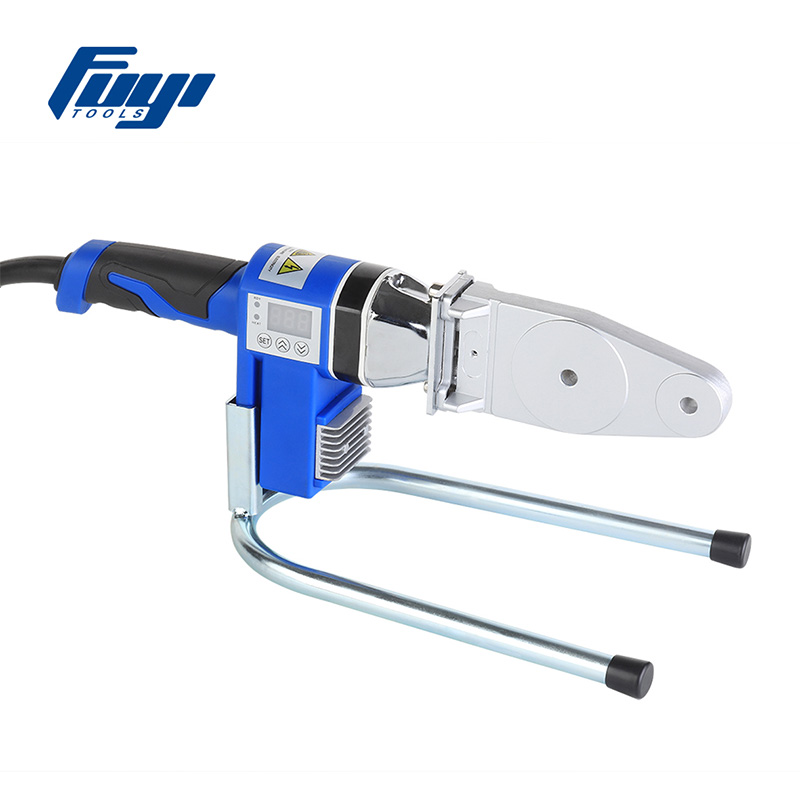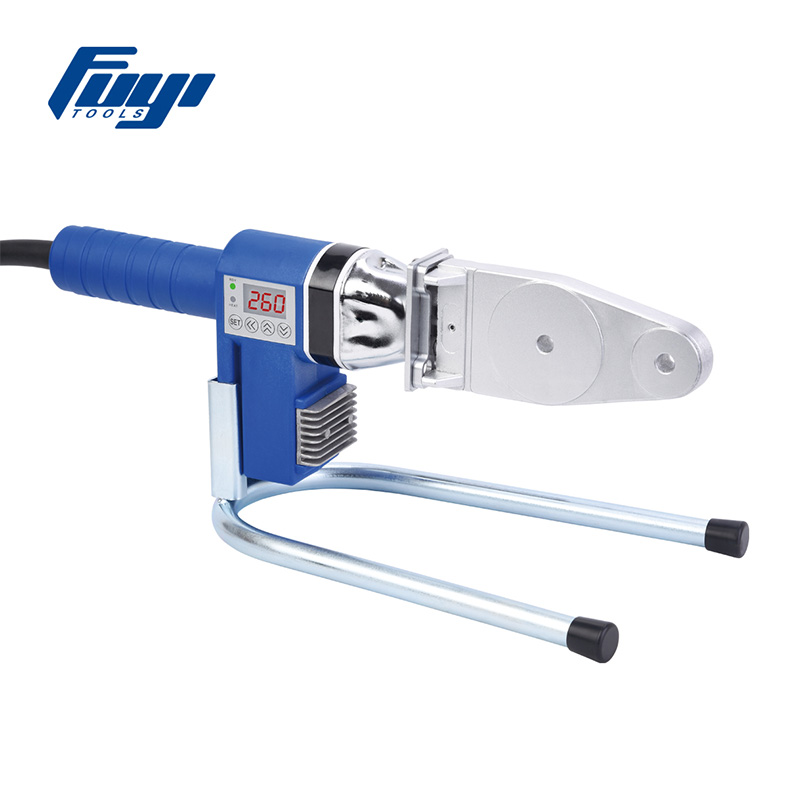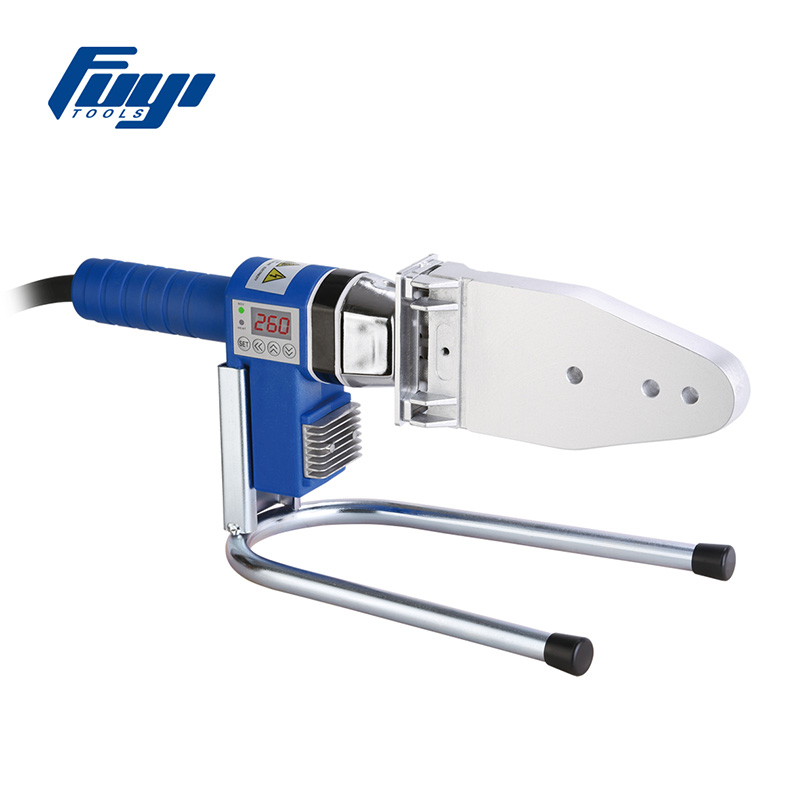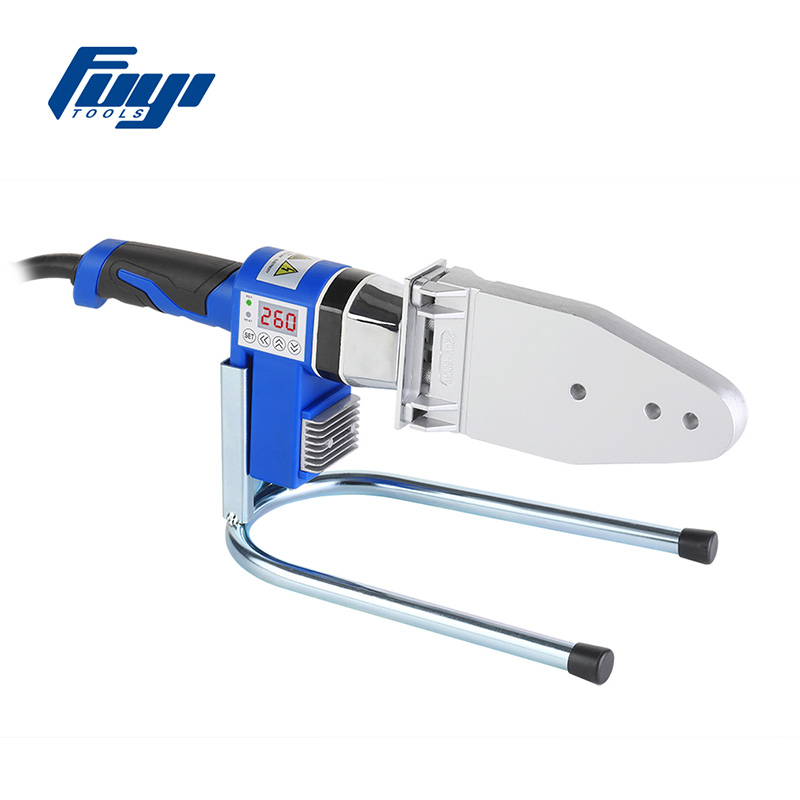
When choosing between Electrofusion Welding (EFW) and Butt Welding (BW), the decision often depends on the specific needs of the project, including pipe size, material, installation environment, and cost considerations.
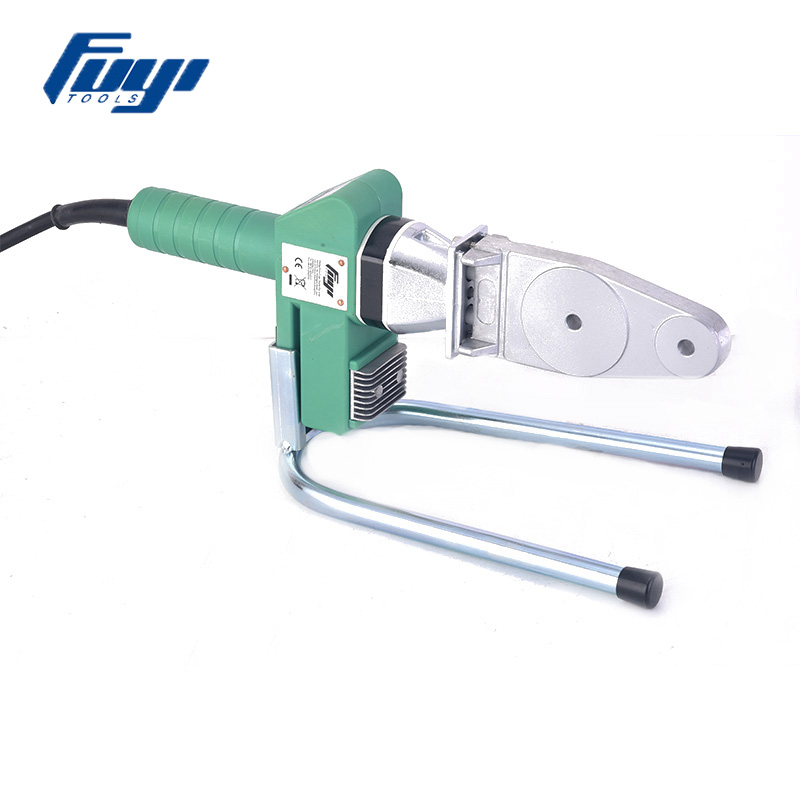
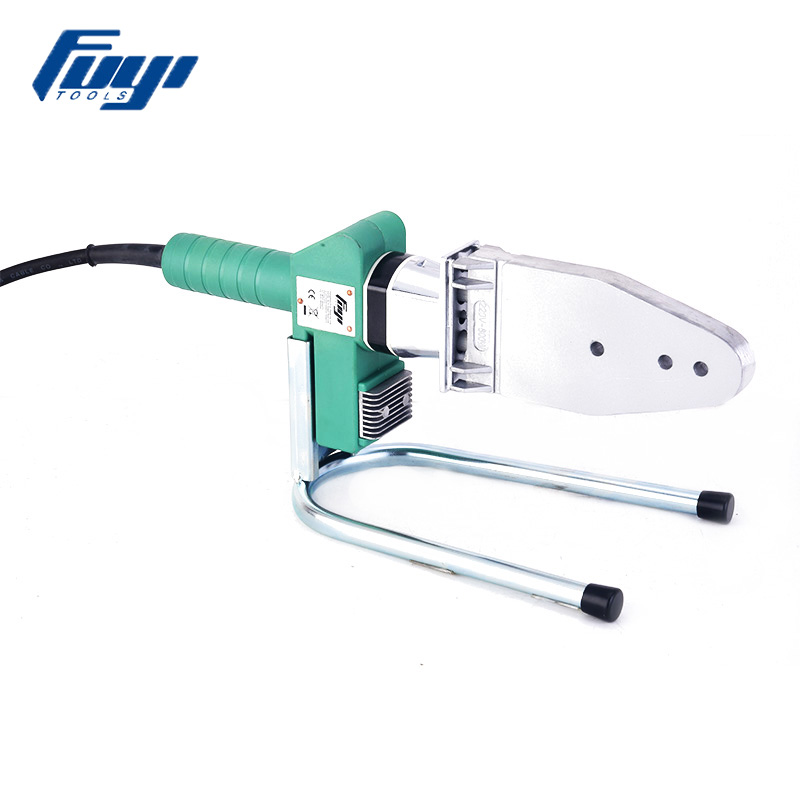
Electrofusion Welding (EFW) is a relatively straightforward process where an electric current is passed through a specially designed fitting (coupling) that contains resistance heating elements. This causes the plastic pipes on either side of the fitting to melt and fuse together. The primary equipment used in electrofusion welding includes the electrofusion machine, the fusion unit, and the appropriate electrofusion couplings. This process can be completed relatively quickly with minimal setup, which makes it ideal for installations in difficult-to-reach areas or confined spaces.
Efficiency: Electrofusion welding is often more efficient than butt welding for smaller or medium-sized pipes. The process requires less time for preparation, and fewer steps are involved in making the connection. Additionally, electrofusion welds can be made quickly, with a typical time of around 5-10 minutes per joint, which saves time and reduces labor costs.
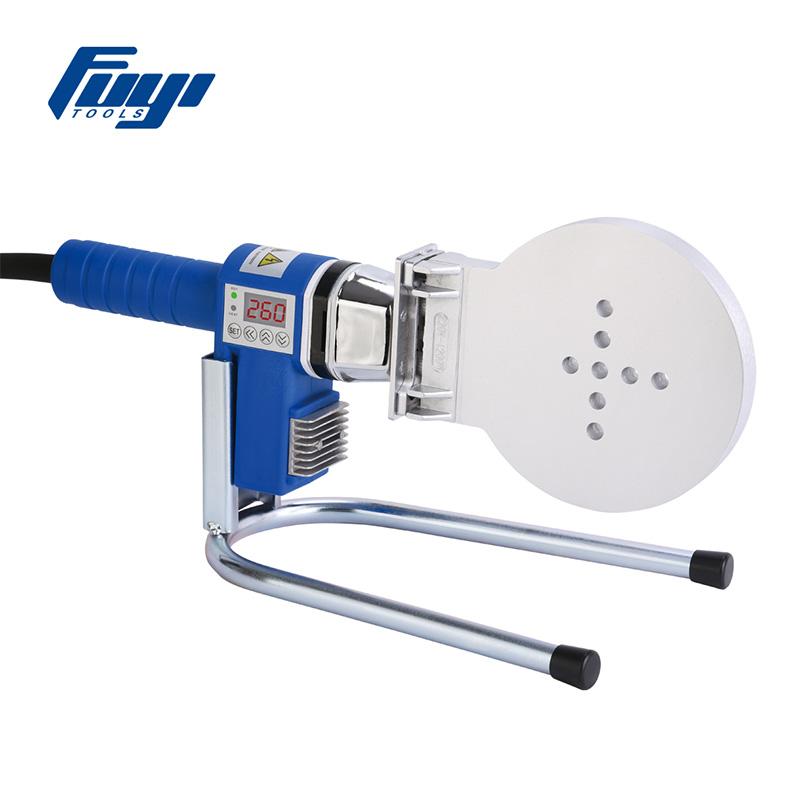
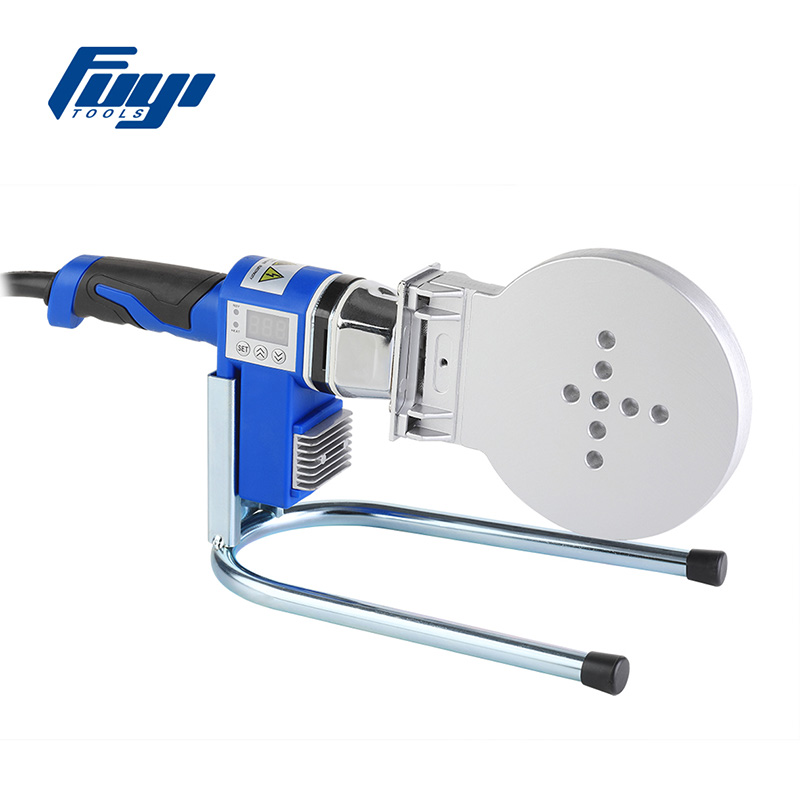
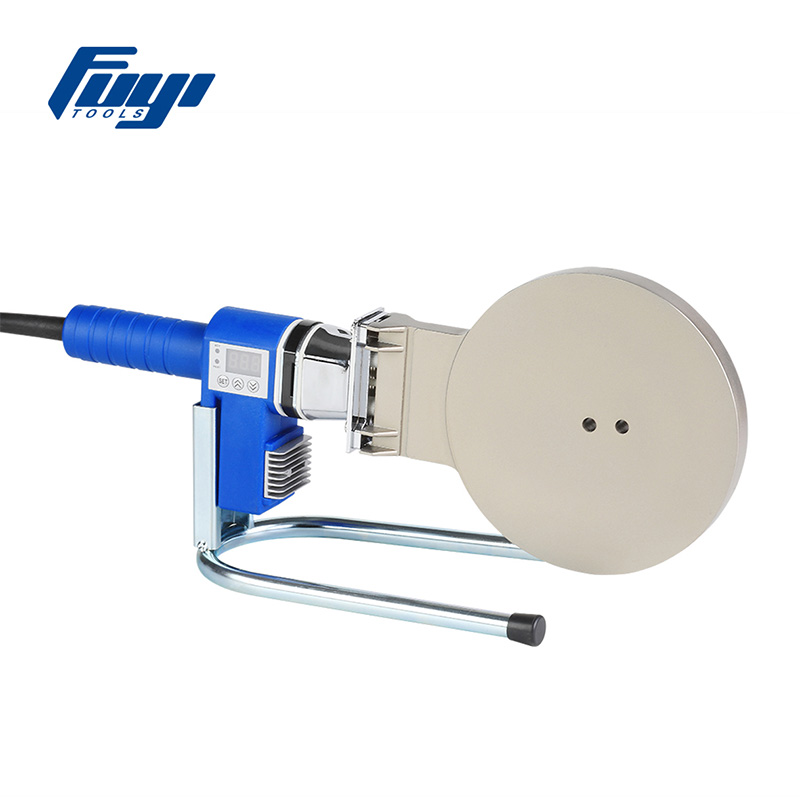
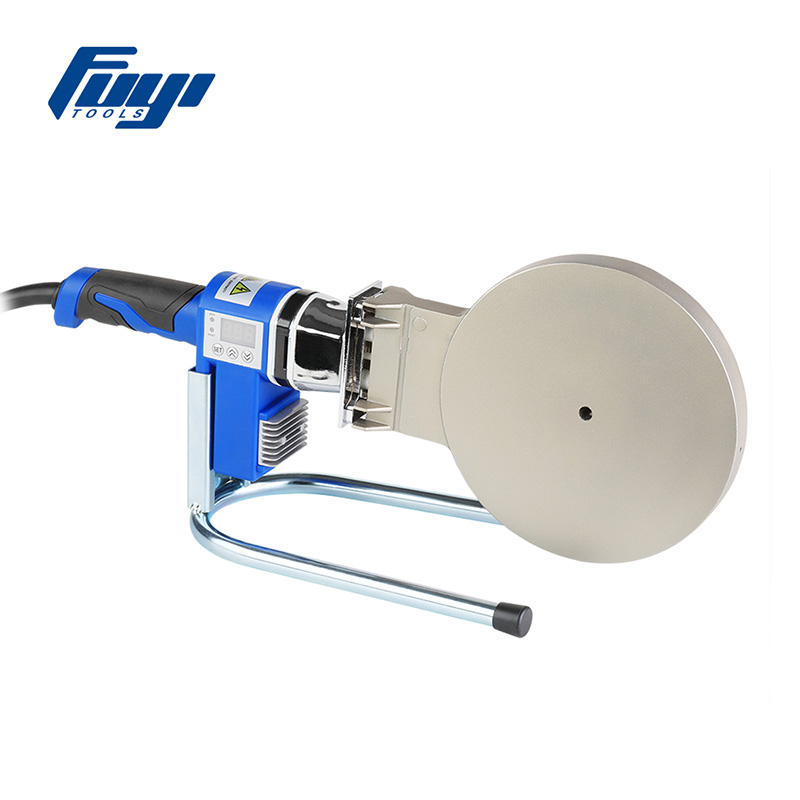
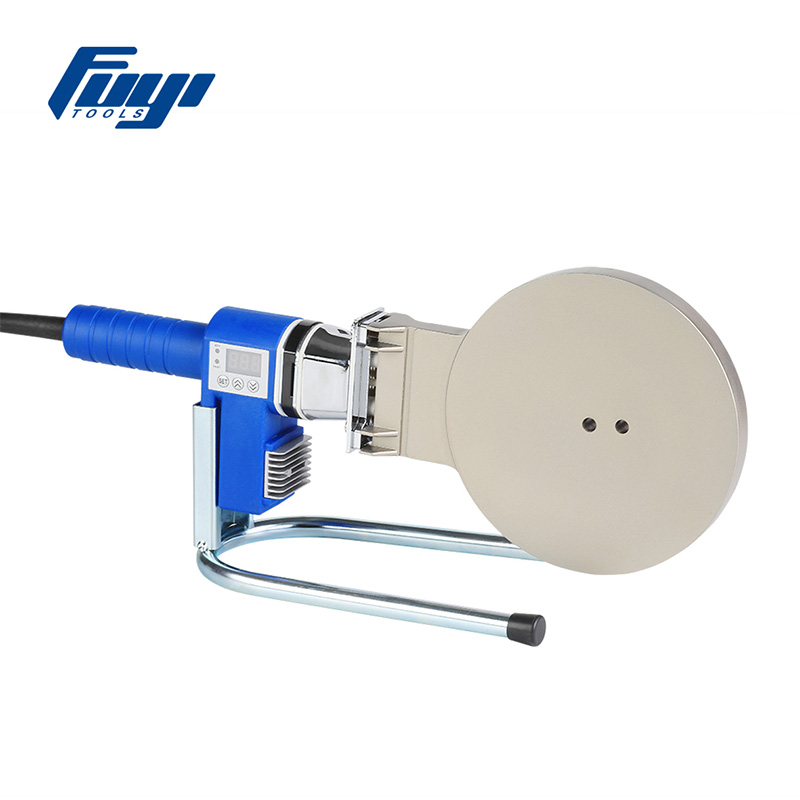
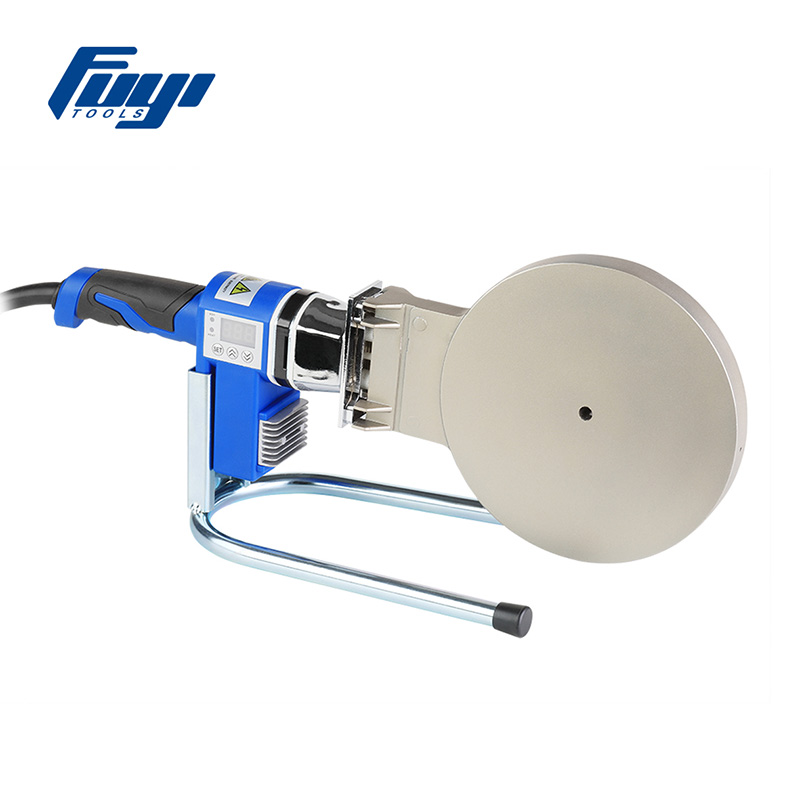
In contrast, Butt Welding (BW) involves heating the ends of two pipe segments until they become soft and then pressing them together under controlled pressure. The process requires highly precise alignment, which is essential for achieving a high-quality weld. The equipment for butt welding consists of a pipe clamping system, a heating element, and a hydraulic pressing mechanism. The pipes must be held in place with clamping systems to ensure proper alignment and a uniform weld.
Efficiency: Butt welding can be slower, especially when dealing with large pipes. The process requires more preparation, including cleaning and aligning the pipes. While the welding itself may take longer, it often results in a stronger, more durable joint. Butt welding is preferred for large-scale or industrial projects where the strength of the joint is paramount.
Electrofusion Welding is typically used for pipes made from materials such as polyethylene (PE), polypropylene (PP), and polyvinylidene fluoride (PVDF). It is a versatile method that works well with these materials, particularly when working with smaller-diameter pipes or when space limitations make traditional welding methods difficult. The ease of use and compatibility with these materials makes electrofusion welding a go-to choice for smaller installations, like residential water or gas lines.
Efficiency: For materials that are often used in municipal or industrial piping systems, electrofusion welding offers a reliable method of joining pipes without the need for complicated setups. This method also provides high joint integrity and is relatively easy to inspect post-installation.
Butt Welding is mainly used for larger pipes made from high-density polyethylene (HDPE), polyvinyl chloride (PVC), and polyethylene (PE). It’s particularly effective when working with large-diameter pipes, as the joint created by butt welding is often more robust than that created by electrofusion welding. Butt welding is the method of choice for industrial piping systems, where the strength of the joint is critical, such as in oil and gas pipelines, water treatment plants, and chemical processing facilities.
Efficiency: While butt welding works well for both large-diameter and high-pressure systems, it may not be as versatile as electrofusion welding when dealing with smaller piping systems or materials that require intricate fittings.
| Factor | Electrofusion Welding | Butt Welding |
|---|---|---|
| Pipe Size | Smaller to medium diameter pipes | Larger diameter pipes |
| Materials | PE, PP, PVDF | HDPE, PVC, PE |
| Applications | Residential, small-scale projects | Industrial, large-scale systems |
| Installation Time | Fast (5-10 mins per joint) | Slower, more time-consuming |
| Strength of Joint | Good for moderate pressures | Strong, ideal for high-pressure |
| Cost of Equipment | Lower initial cost | Higher initial cost |
When evaluating the cost of each welding method, it’s essential to consider both initial investment and long-term operational costs.
Electrofusion Welding generally involves a lower initial investment. The electrofusion machines are typically less expensive than the large hydraulic butt welding machines. Additionally, since the welding process is faster and requires fewer preparatory steps, labor costs are often lower. The materials, particularly the electrofusion couplings, may be more expensive on a per-joint basis compared to the piping and fittings used for butt welding. However, the reduced installation time can offset this cost.
Operational Costs: Since electrofusion welding requires fewer people and less time to complete each weld, it can result in significant labor savings. Moreover, the couplings are relatively inexpensive, but since they need to be replaced with each joint, this can add to the ongoing cost, especially for large projects.
Butt Welding equipment tends to be more expensive upfront. The machines used for butt welding, especially those designed for large-diameter pipes, can be quite costly. In addition, butt welding requires more preparation time, including precise pipe alignment and cleaning, which can increase labor costs.
| Cost Factor | Electrofusion Welding | Butt Welding |
|---|---|---|
| Initial Equipment Cost | Lower | Higher |
| Material Cost | Electro-fusion couplings (per joint) | Typically lower material cost per joint |
| Labor Cost | Lower (faster process) | Higher (slower setup and welding) |
| Maintenance | Lower maintenance required | Higher maintenance (larger machines) |
One of the most important factors when choosing between electrofusion and butt welding is the strength and durability of the final joint.
Electrofusion Welding creates a reliable joint that is generally sufficient for most low- to medium-pressure systems. The weld created by electrofusion is homogeneous, meaning it is made from the same material as the pipe, providing a strong bond. However, in high-stress situations, such as large-diameter pipes or systems under high pressure, electrofusion welds may not offer the same level of strength as butt welding.
Durability: While electrofusion joints are reliable, they might not have the same level of durability and resistance to extreme environmental factors as butt welds, particularly when dealing with high mechanical loads or external stresses.
Butt Welding produces a continuous and very strong joint that is generally considered more durable than electrofusion welding. Butt-welded joints are ideal for pipelines under high pressure, such as those in the oil and gas industry, or for large-scale installations. The strength of the joint depends largely on the alignment, pressure, and temperature during the welding process, but when done correctly, it provides a very durable, long-lasting connection.
Q1: Can electrofusion welding be used for larger pipes?
Q2: Is electrofusion welding faster than butt welding?
Q3: Which method is better for high-pressure pipelines?
Q4: What are the environmental considerations for both methods?
Copyright © 2024 Hangzhou Fuyi Tools Co., Ltd. All Rights Reserved.
|