Socket fusion welding is a widely used technique in industrial piping, plumbing, and chemical transport systems. Understanding its capabilities, limitations, and best practices is crucial for ensuring strong, leak-proof joints when working with different types of plastic pipes.
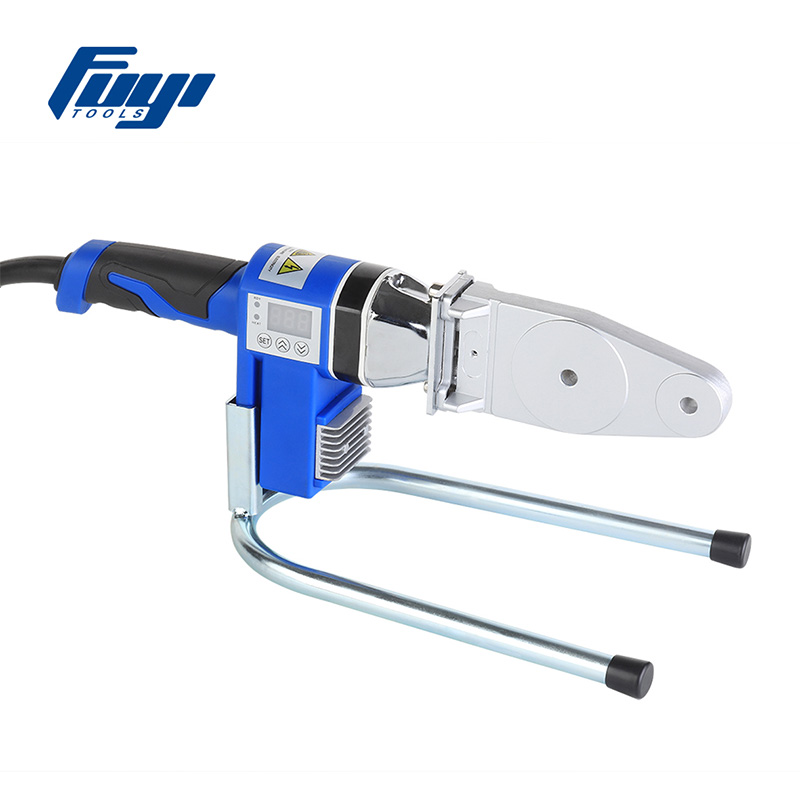
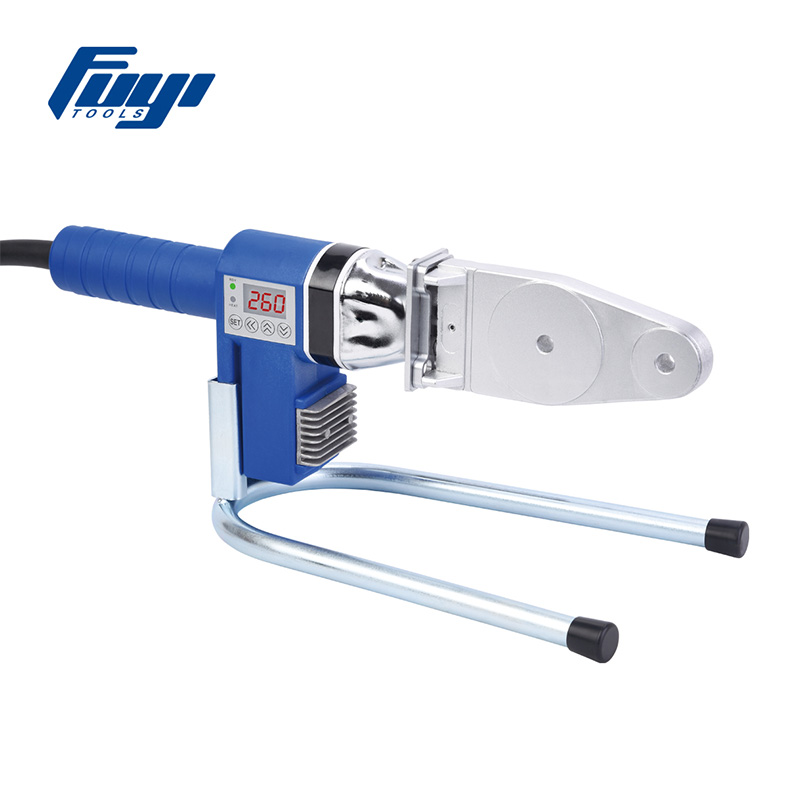
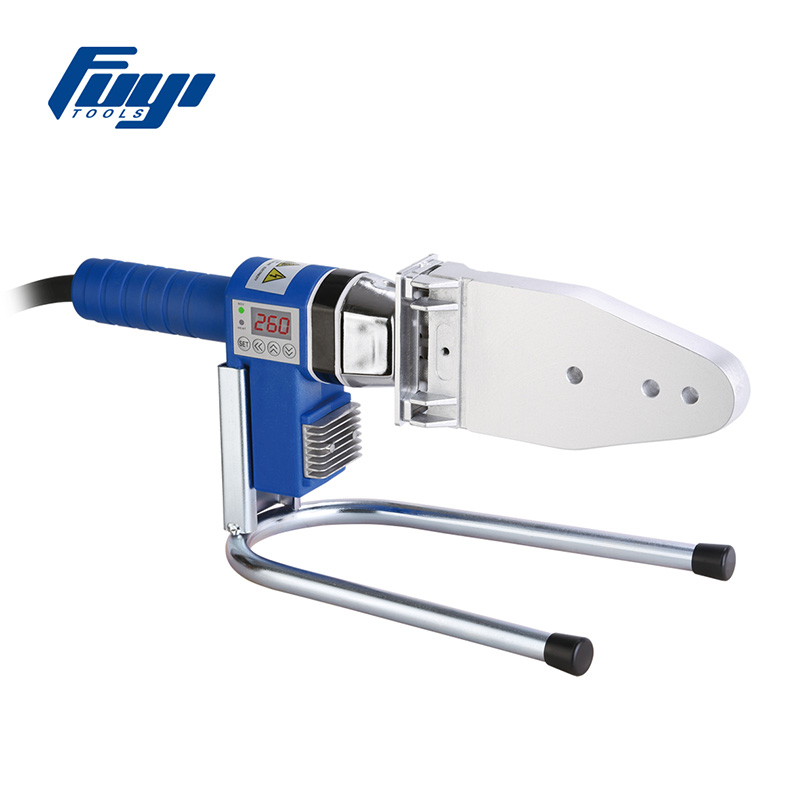
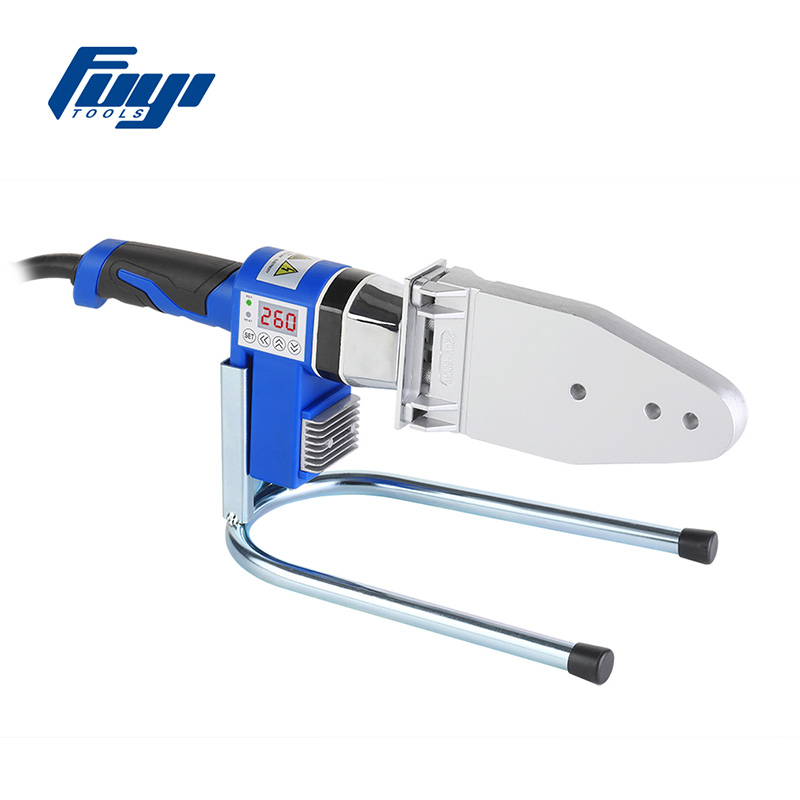
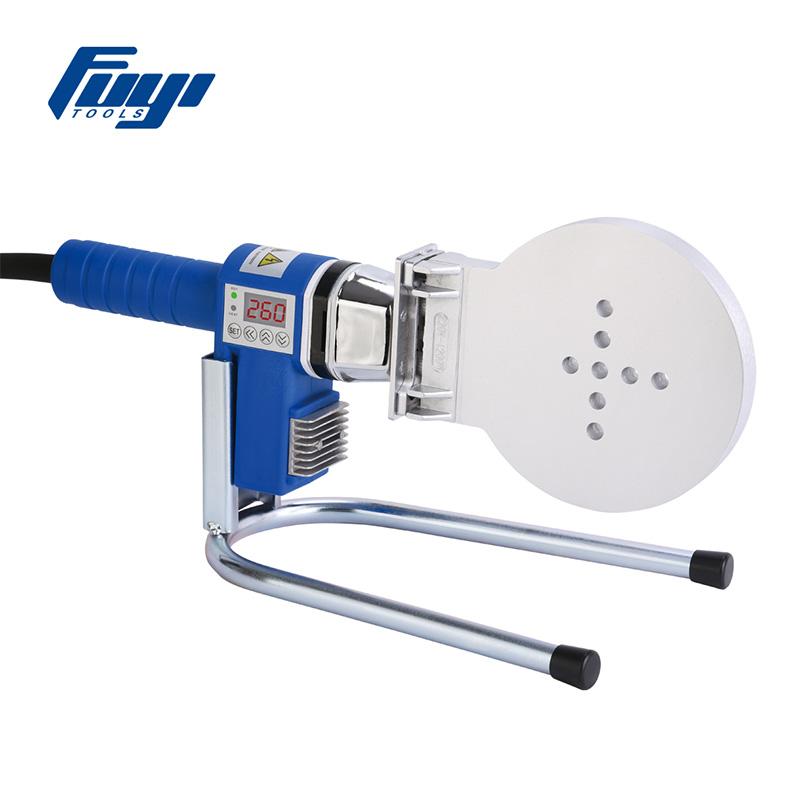
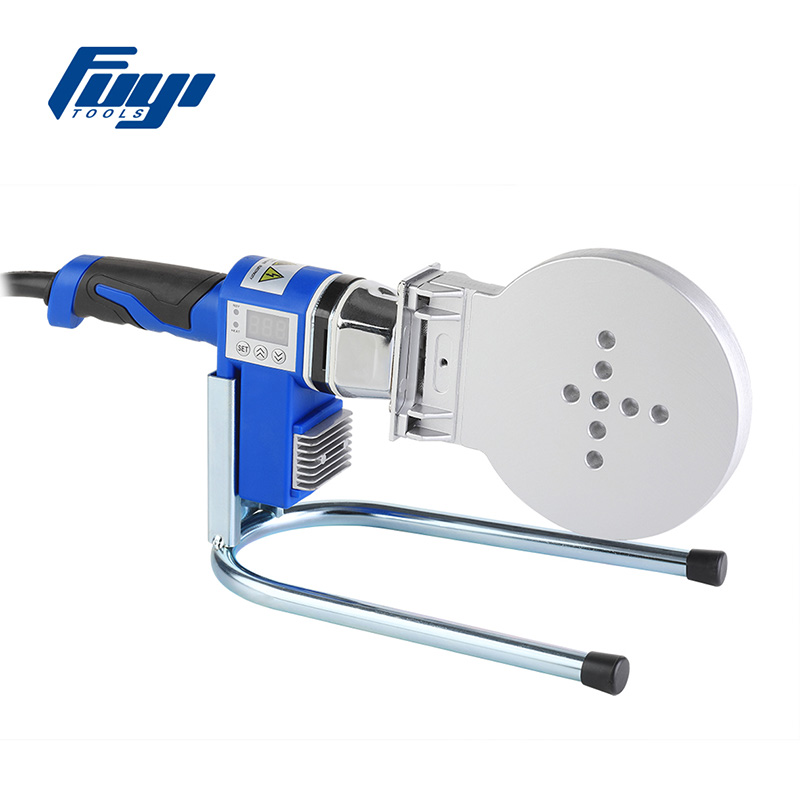
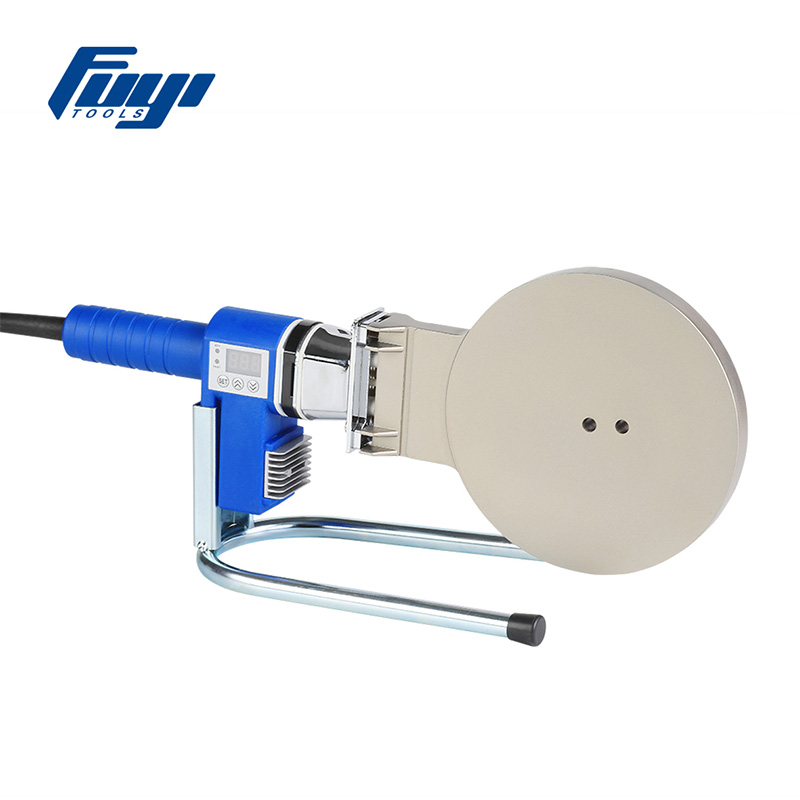
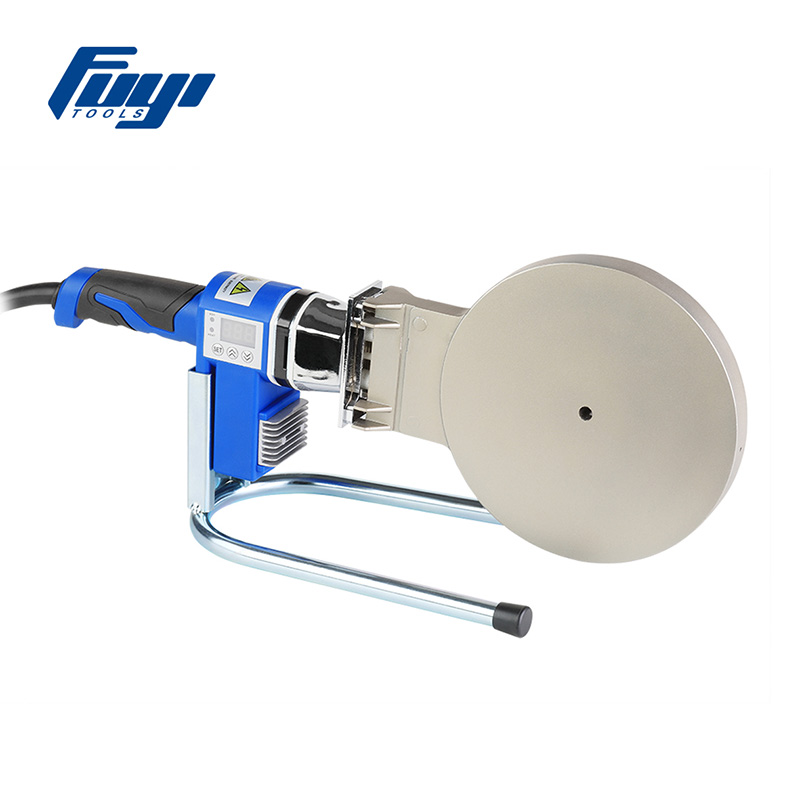
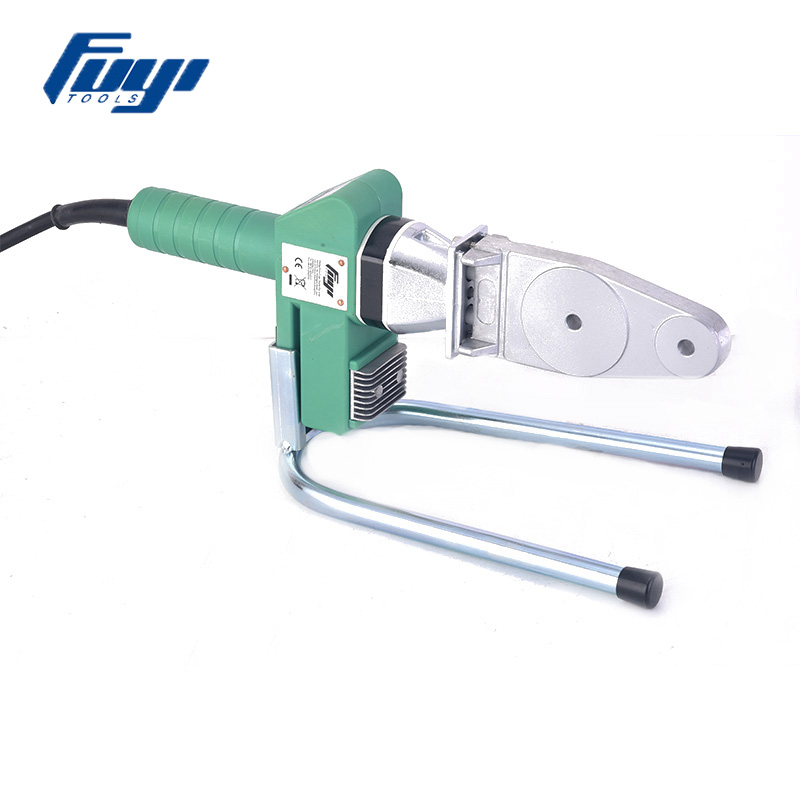
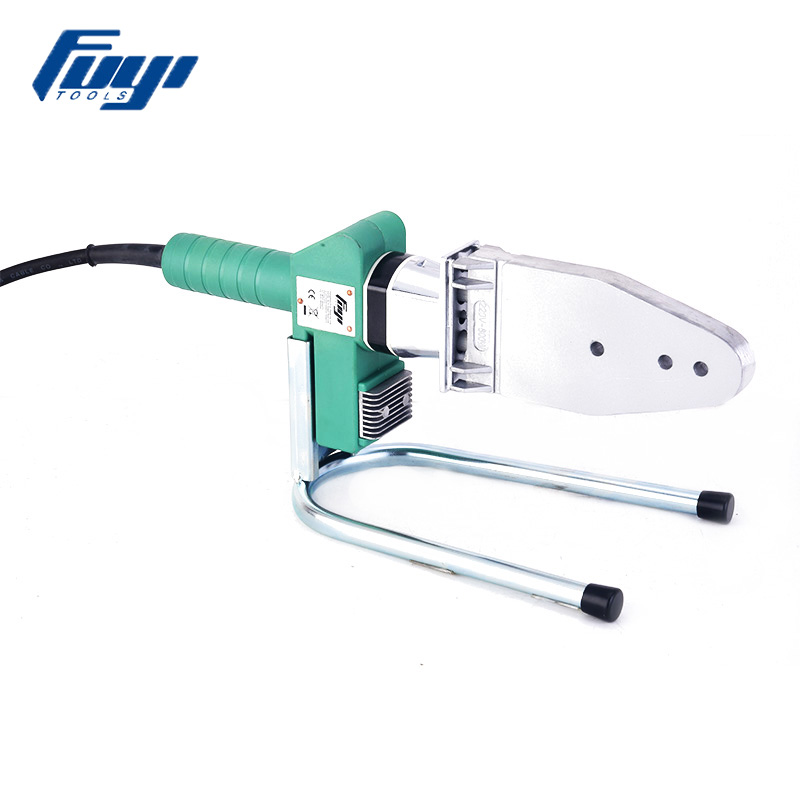
Socket fusion welding is a thermoplastic joining method that relies on heat to melt the pipe and fitting surfaces. Using a specialized heating tool, the pipe end and the fitting’s socket are simultaneously heated until reaching a semi-molten state. The pipe is then inserted into the fitting and held under pressure until cooling occurs, forming a single, continuous joint.
The resulting joint is monolithic and leak-proof, comparable in strength to the original pipe material. Unlike adhesives or mechanical fittings, socket fusion does not rely on extra materials, which minimizes potential weak points. The technique is versatile and can be applied to pipes of varying diameters and wall thicknesses, provided the correct heating temperature and pressure are used.
Operators must also account for environmental conditions, such as ambient temperature and humidity, which can affect the cooling rate and final joint strength. Improper alignment or uneven heating may lead to weak points, deformation, or leakage. Understanding the basics of socket fusion welding is the foundation for evaluating which plastic pipe types are suitable for this technique.
Socket fusion welding machines are primarily designed for thermoplastics, such as Polypropylene (PP), Polyethylene (PE), and Polyvinylidene Fluoride (PVDF). Each of these plastics has unique properties, including melting point, flexibility, and chemical resistance, which dictate specific fusion parameters.
Polypropylene (PP) is widely used in potable water systems, chemical lines, and industrial piping. It melts at moderate temperatures and is relatively rigid. Socket fusion welding is highly effective for PP, producing strong, durable joints when the proper heating and cooling protocol is followed.
Polyethylene (PE) is commonly used in gas, irrigation, and water pipelines. PE is more flexible than PP and requires slightly higher temperatures for optimal fusion. Its molecular structure allows for excellent chemical resistance, but its flexibility demands careful alignment during welding to prevent misalignment and weak joints.
PVDF is specialized for chemical and corrosive environments, offering high resistance to UV light and aggressive substances. PVDF requires precise temperature control during socket fusion welding to prevent overheating or deformation.
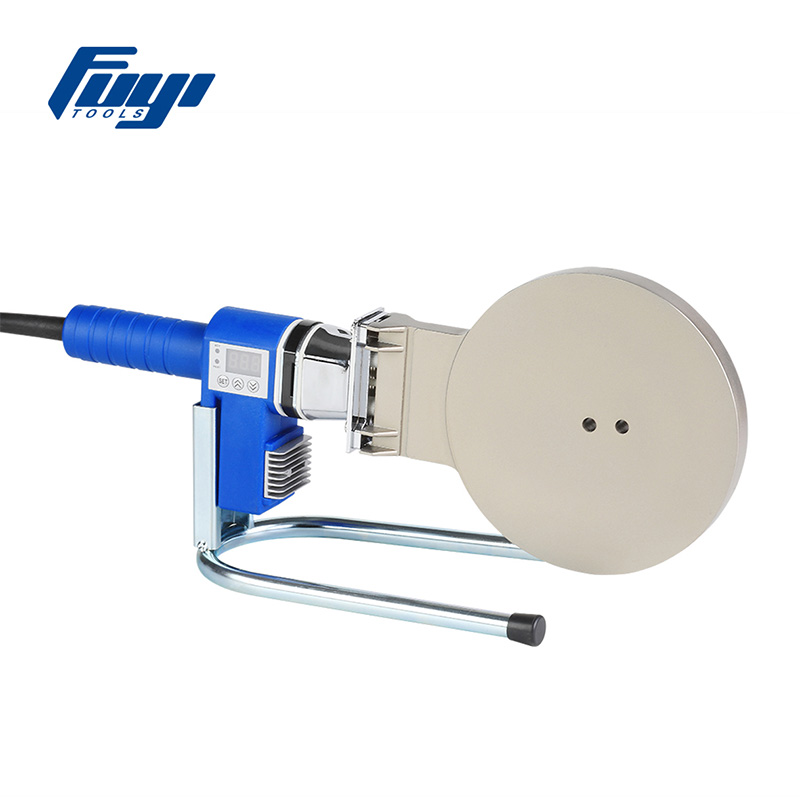
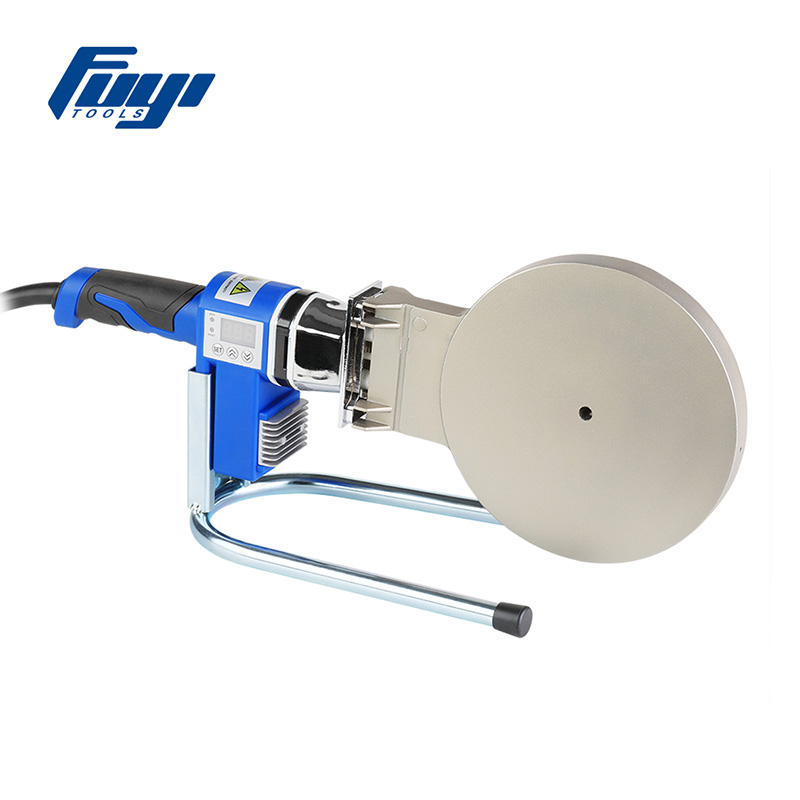
Choosing the correct machine settings—temperature, heating time, and applied pressure—is critical for achieving a strong weld. Most modern machines come with adjustable heating plates and interchangeable dies to accommodate different pipe diameters and materials.
Despite its versatility, socket fusion welding has limitations, particularly when attempting to weld different types of plastics together. Not all thermoplastics are compatible; attempting to weld PP directly to PE, for instance, is generally ineffective due to differing melting temperatures, thermal expansion rates, and molecular bonding characteristics.
Other challenges include wall thickness variations, diameter differences, and environmental factors. For example, cold ambient temperatures may slow cooling, while hot environments may accelerate it, both affecting joint quality. Operators must also ensure pipes and fittings are clean, properly aligned, and free of contaminants such as oil, dust, or moisture.
Proper technique, along with strict adherence to manufacturer guidelines, is essential. Misalignment, uneven heating, or insufficient cooling time can result in incomplete fusion, weak joints, or leaks.
| Plastic Material | Melting Temperature | Suitable Applications | Compatibility Notes |
|---|---|---|---|
| Polypropylene (PP) | 210–230°C | Water, chemical, industrial piping | Compatible with PP fittings only |
| Polyethylene (PE) | 220–250°C | Gas, water, irrigation | Compatible with PE fittings; not ideal with PP |
| PVDF | 260–280°C | Chemical, UV-resistant piping | Requires precise control; limited cross-material fusion |
When a piping project involves multiple plastics, the following best practices ensure safe, leak-proof connections:
Following these practices ensures a durable system capable of withstanding industrial operating conditions. Additionally, documenting welding procedures for different plastics improves quality control and reduces the risk of leaks over time.
Socket fusion welding offers numerous benefits for plastic piping systems:
While socket fusion cannot directly weld incompatible plastics together, its reliability, strength, and efficiency make it a preferred method for industrial and residential plastic piping systems.
Q1: Can PP and PE pipes be welded together using socket fusion?
A: Direct welding is not recommended. Use compatible transition fittings to connect different plastics safely.
Q2: What plastics can be welded with a standard socket fusion machine?
A: Polypropylene (PP), Polyethylene (PE), and Polyvinylidene Fluoride (PVDF), with correct temperature and heating conditions.
Q3: How can I ensure a strong, leak-proof joint?
A: Follow the correct heating, alignment, and cooling procedures specified by the manufacturer for each plastic type.
Q4: Are portable socket fusion machines available for field use?
A: Yes, portable machines are widely used for on-site installation, repair, and maintenance of piping systems.
Q5: Can socket fusion welding be automated?
A: Advanced industrial systems allow semi-automatic or automatic welding for high-volume or large-diameter pipes, improving consistency and efficiency.
Copyright © 2024 Hangzhou Fuyi Tools Co., Ltd. All Rights Reserved.
|