

 Eng
Eng  русский
 Español
Home / News / Industry News / Complete Guide to Double Wall HDPE Pipe: Structure, Benefits, and Welding
Industry News
Oct 05,2026
Complete Guide to Double Wall HDPE Pipe: Structure, Benefits, and Welding
Double-wall HDPE pipe looks like a simple product, but the choice between it and a solid-wall pipe often comes down to how the joints will perform under load. A drainage pipe buried under a road is expected to carry stormwater for decades without leaking. Double-wall HDPE pipe delivers that with a smooth interior and a corrugated exterior. The engineering challenge is not the pipe itself; it is the joint. This guide explains the structure, advantages, and the welding methods that keep double-wall HDPE systems watertight.
What Is Double Wall HDPE Pipe?
Double-wall HDPE pipe is a high-density polyethylene pipe with two distinct walls. The inner wall is smooth and continuous. The outer wall is corrugated and forms a series of annular or helical ribs. The space between the two walls gives the pipe high ring stiffness without adding unnecessary weight. The pipe is produced with the same PE 100 or PE 80 material used for solid-wall HDPE pipe, so it resists corrosion, chemicals, and abrasion well.
The key mechanical difference from solid-wall pipe is the bending behavior. Because the outer wall is corrugated, the pipe can deflect under soil load while maintaining its flow area. The smooth inner wall keeps friction low and prevents the buildup of sediment. This is why double-wall HDPE pipe is specified for storm sewers, culverts, and agricultural drains where both structural strength and hydraulic efficiency matter.
Key Advantages of Double Wall HDPE Pipe
- Lightweight and easy to handle: A double-wall HDPE pipe is significantly lighter than reinforced concrete or ductile iron of the same diameter, which cuts transport and installation costs.
- High ring stiffness: The corrugated outer wall provides the structural strength needed for buried applications under roads, railways, or heavy equipment.
- Corrosion and chemical resistance: It is immune to soil and water chemistry that attacks metal pipes, and it withstands acidic or alkaline effluent.
- Smooth interior: Lower friction means smaller pipe diameters can carry the same flow as larger concrete pipes, reducing excavation volume.
- Long service life: With proper installation and jointing, double-wall HDPE pipe can perform for more than 50 years.
- Joint design flexibility: The pipe can be joined with rubber gaskets, heat-shrink sleeves, extrusion welding, or fusion welding methods, depending on what the project requires.
These advantages make double-wall HDPE pipe a cost-effective choice for gravity drainage systems, but the long-term performance depends on the quality of every joint along the line.
Common Applications
Double-wall HDPE pipe is used in municipal drainage, wastewater collection, stormwater management, highway culverts, industrial effluent, and agricultural field drainage. It is also used for underground storm retention systems and manhole-to-manhole wastewater lines. The pipe’s combination of chemical resistance and structural strength makes it a practical choice for sites where soil movement, groundwater, or aggressive chemicals are present.
In trenchless installation, double-wall HDPE pipe can be pulled through a bore path. Its smooth inner wall preserves flow even when the pipe is installed with a slight curve. In open-cut installations, the pipe’s flexibility allows it to settle under heavy traffic loads without cracking.
How Double Wall HDPE Pipe Is Joined
The jointing method determines whether a double-wall HDPE system will stay leak-free for its design life. Rubber gasket joints are common for gravity drainage because they are simple and quick. For a branch line or a repair, however, the most dependable and repeatable method is electrofusion. An electrofusion fitting contains a heating coil that melts the pipe surface and fitting wall together. The fusion process is controlled by a machine that reads the fitting barcode and applies the correct current for the correct time. That level of control is why electrofusion welding quality is so high.
| Jointing method | Typical use | Reliability | Required equipment |
|---|---|---|---|
| Rubber gasket | Gravity drainage lines | Good | No special tools |
| Heat-shrink sleeve | Field joints on small diameters | Moderate | Torch or heat gun |
| Electrofusion | Branch connections and repairs | High | Electrofusion welding machine |
| Extrusion welding | Large diameter butt joints | High | Extruder and preparation tools |
For electrofusion joining, the welding machine must deliver stable current and voltage throughout the fusion cycle. The 20160mm electrofusion welding machine is built for this role, and it pairs with fittings used on construction sites where portability still matters.
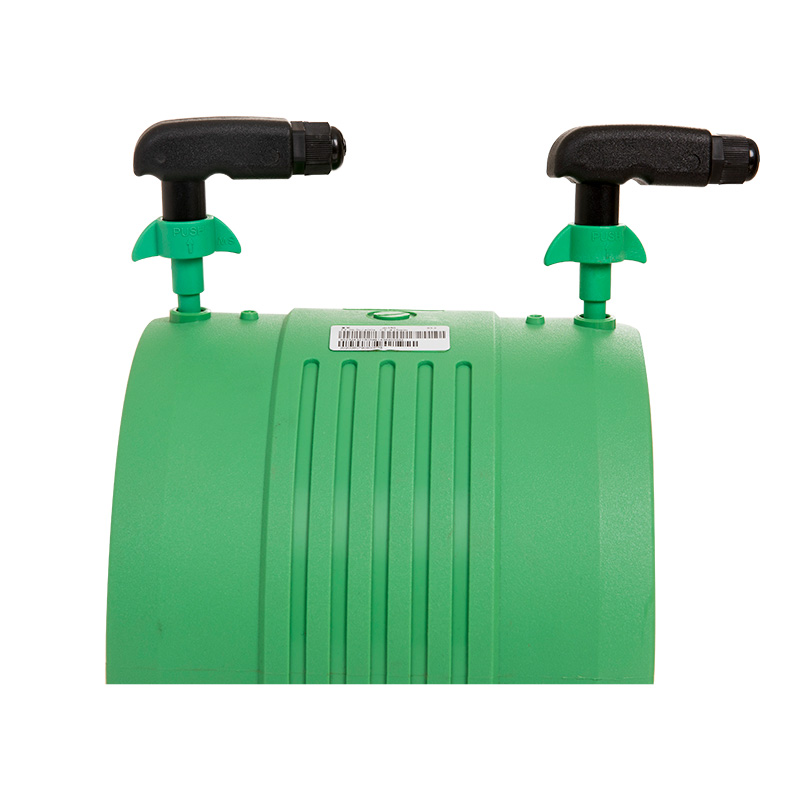 20-160MM Electrofusion Welding MachineThe 20-160MM Electrofusion Welding Machine is a specialized and versatile tool designed for joining polyethylene pipes with diameters ranging from 20mm to 160mm. This ...View Product →
Before electrofusion, the pipe surface must be scraped to remove the oxidized layer that forms during pipe manufacturing and storage. An electrofusion HDPE pipe scraper makes this step quick and consistent. A clean surface is essential; a scratched or oxidized surface will produce a weak weld.
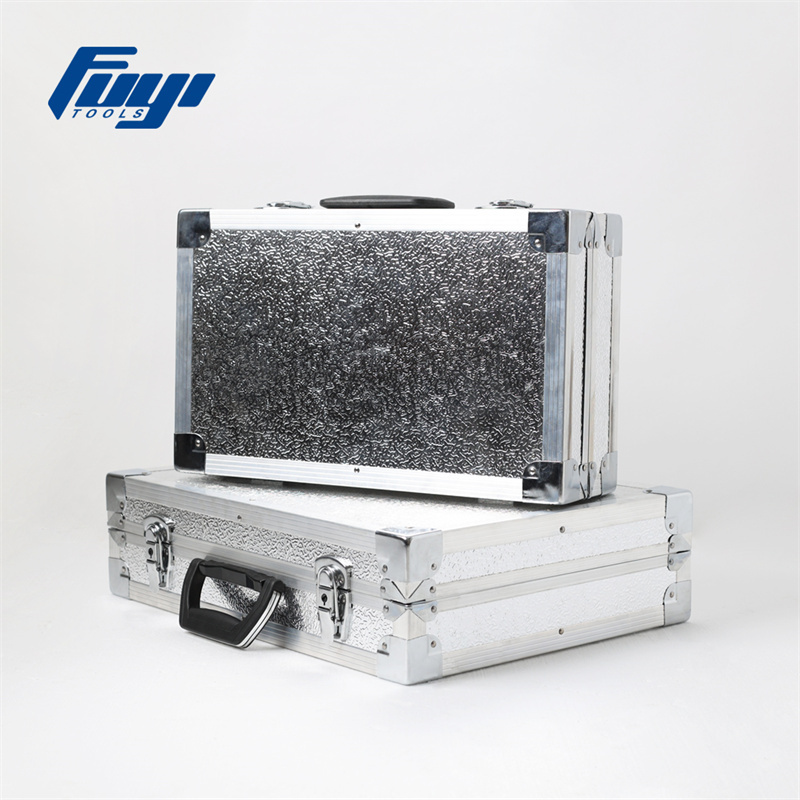 FYEPS400 Electrofusion HDPE Pipe Scrapers for HDPE Pipes Pipe Scraping ToolFYEFM200 Electrofusion Welding Machine using advanced PID control technology, making the device output more stable and reliable. Large size LCD screen as man-machine i...View Product →
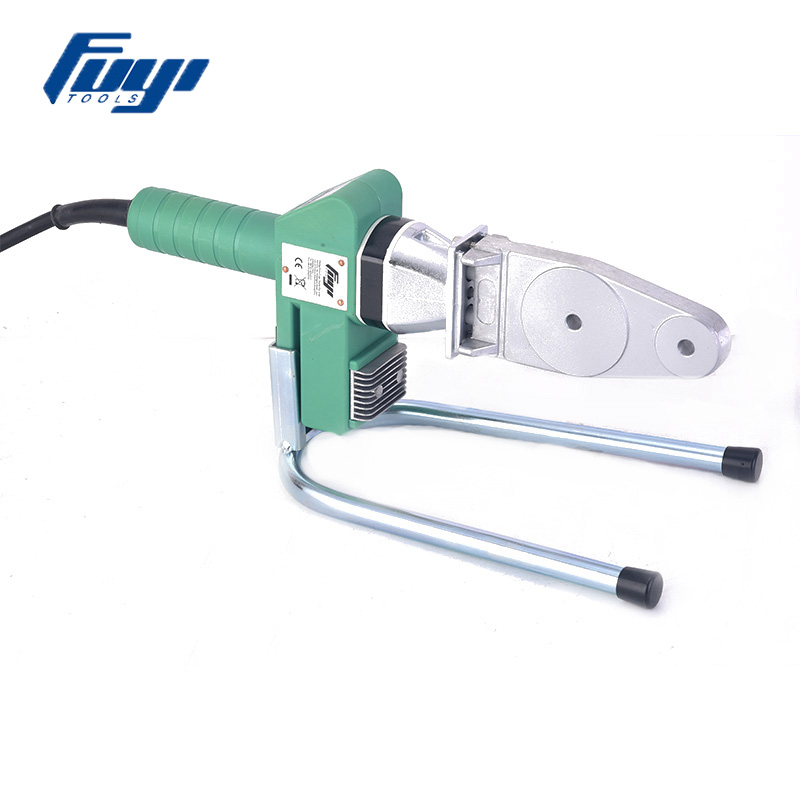
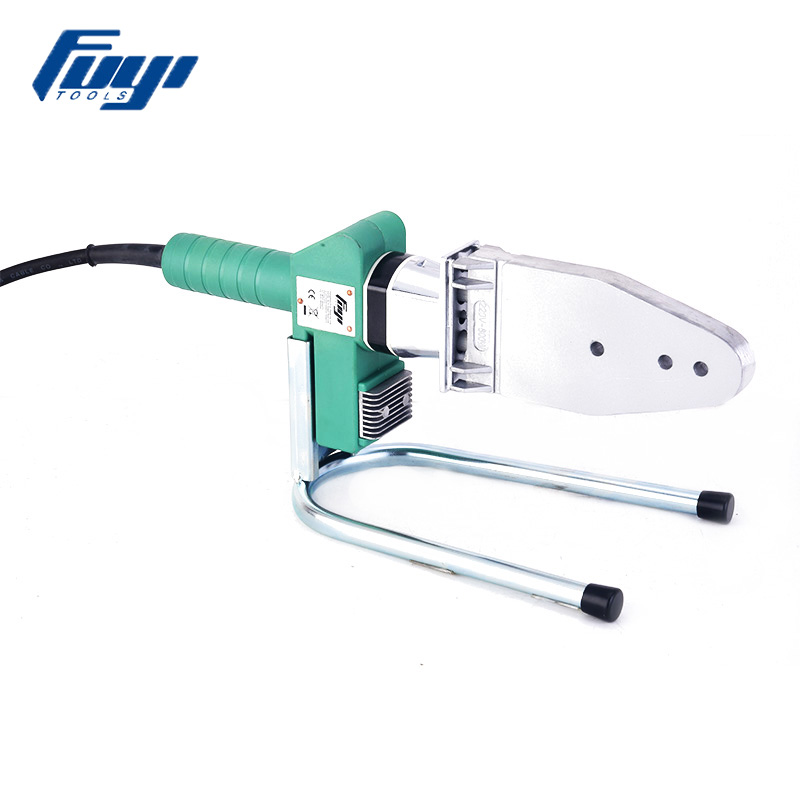
For smaller double-wall HDPE systems, socket fusion welding is also used when the pipe ends are free to rotate. Socket fusion melts the pipe outside and the fitting inside with a heater plate, then the pipe is pushed into the fitting. The result is a homogeneous joint that is stronger than the pipe itself.
Selecting the Right Fusion Welding Equipment
Selecting equipment for double-wall HDPE pipe installation depends on pipe size, site conditions, and whether you need electrofusion or socket fusion. For electrofusion, you have two main choices: transformer-based machines and inverter machines. Inverter machines are smaller, lighter, and more energy-efficient, which matters on remote sites. Transformer machines usually offer a higher continuous duty cycle and are preferred for large-diameter fittings.
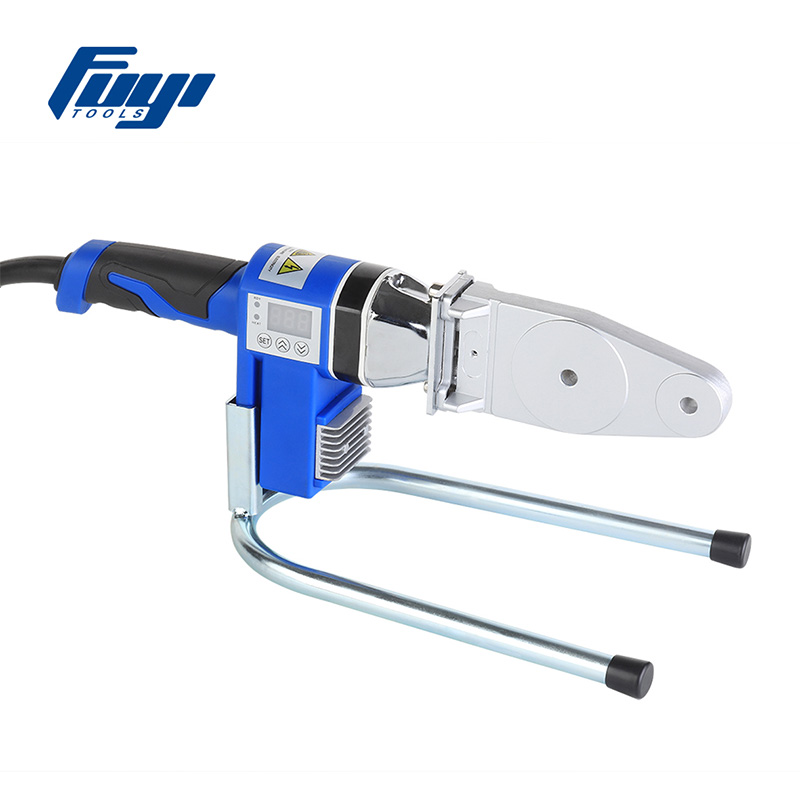
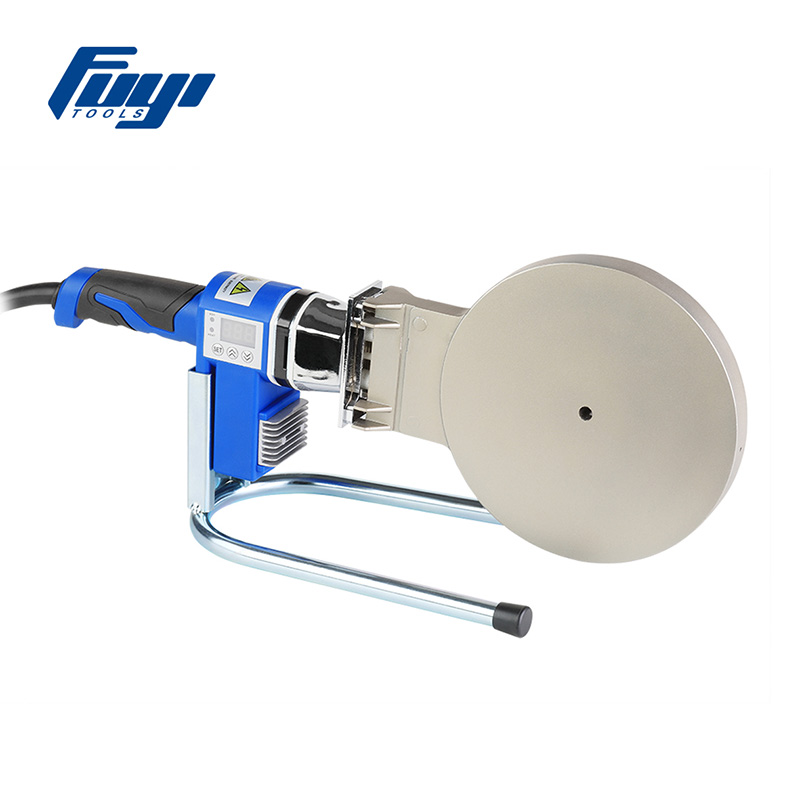
For socket fusion of smaller pipes, a digital display machine gives the operator a clear view of the heating plate temperature. This is important because temperature, not pressure, is the primary variable that determines weld strength. A digital machine also makes it easier to replicate the same welding parameters across thousands of joints.
When you are selecting a socket fusion machine, the pipe diameter range is the first factor. Many machines cover 20-63 mm, 63-110 mm, or 75-160 mm. Choose a machine that matches your project’s pipe sizes without requiring a second unit. A practical guideline is to look at how to choose the right socket fusion welding machine for different material requirements. Then compare the machine’s stability, heating plate quality, and the availability of sockets in metric and inch sizes.
The 75-110 mm range is common for double-wall HDPE drainage applications. A digital socket fusion welding machine in that range covers most small and medium projects. It also allows the operator to set the heating temperature precisely for PE 80 or PE 100 materials.
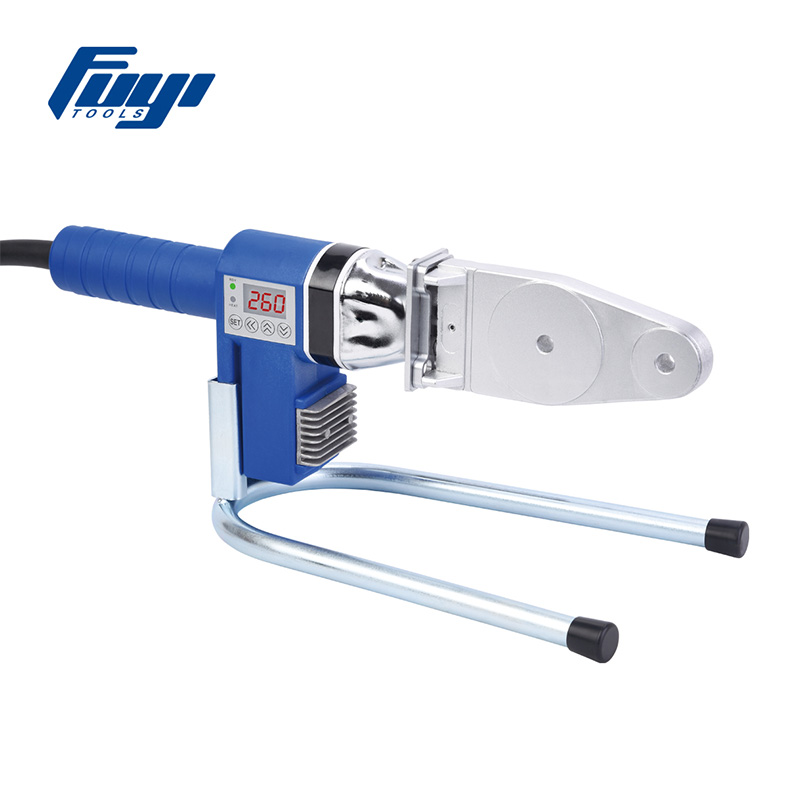
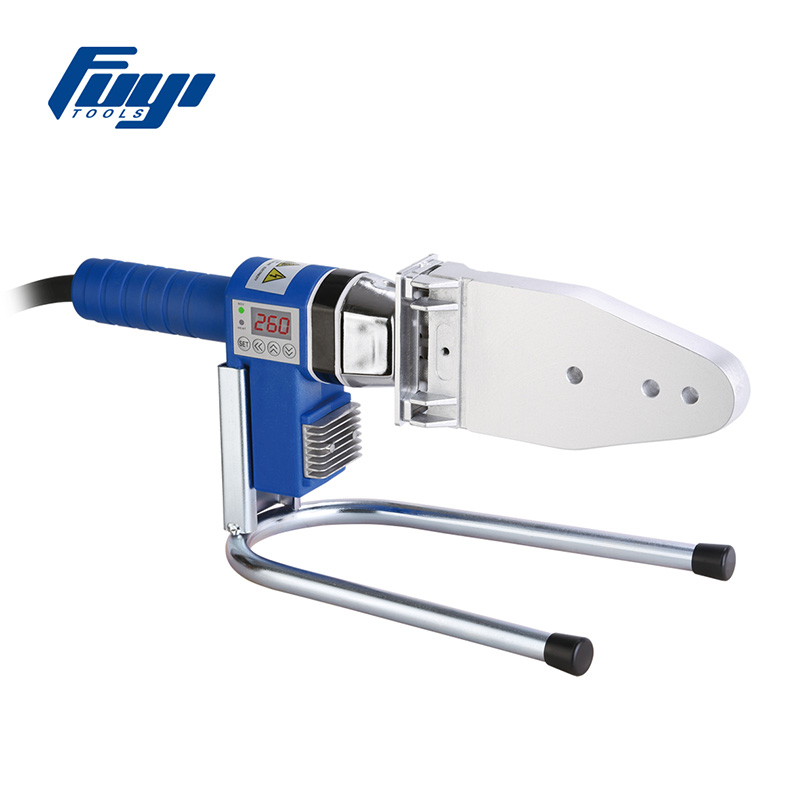
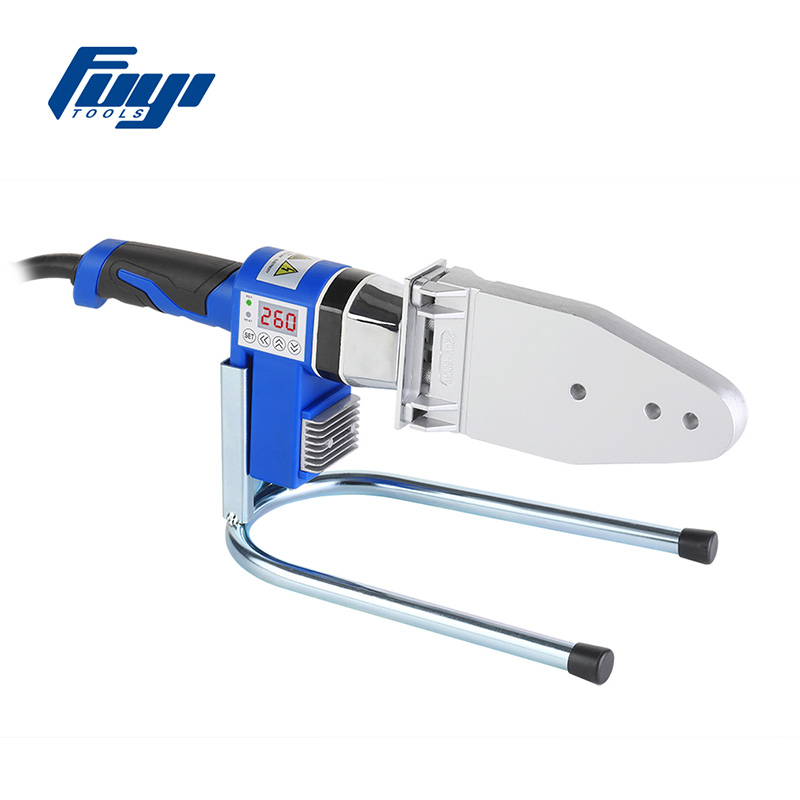
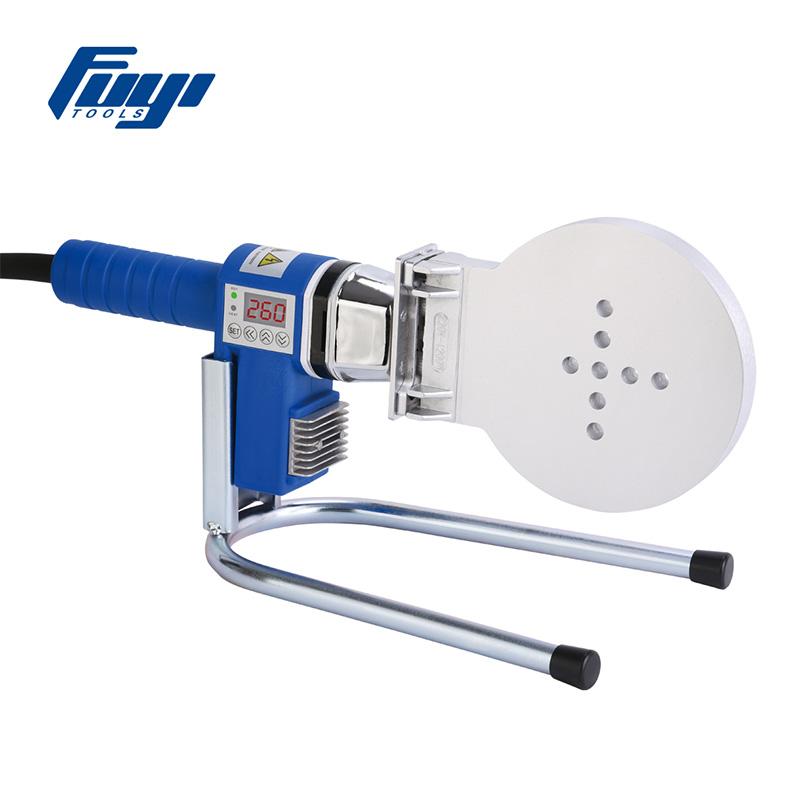
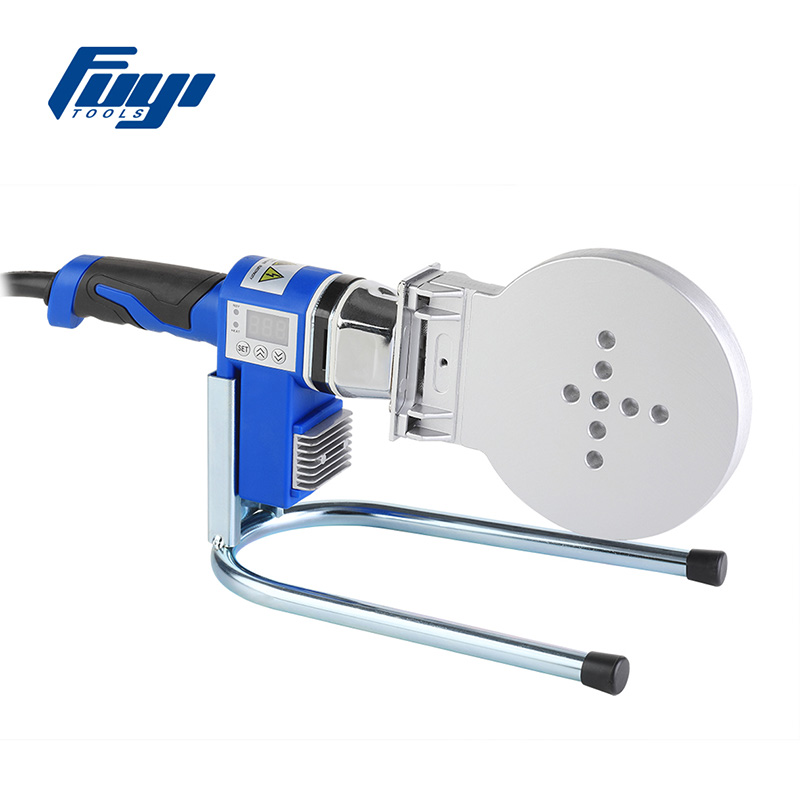
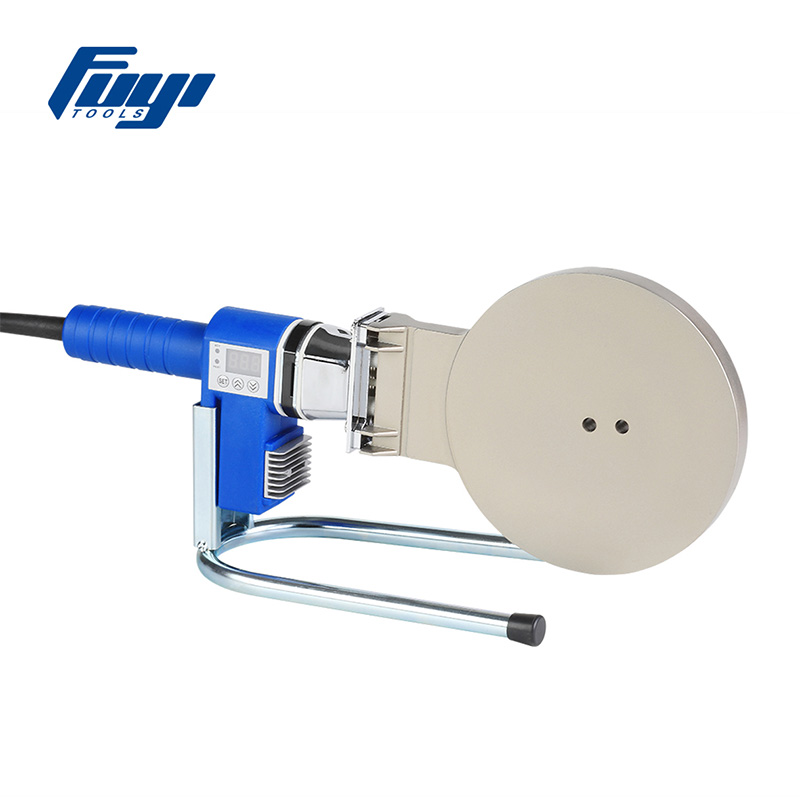
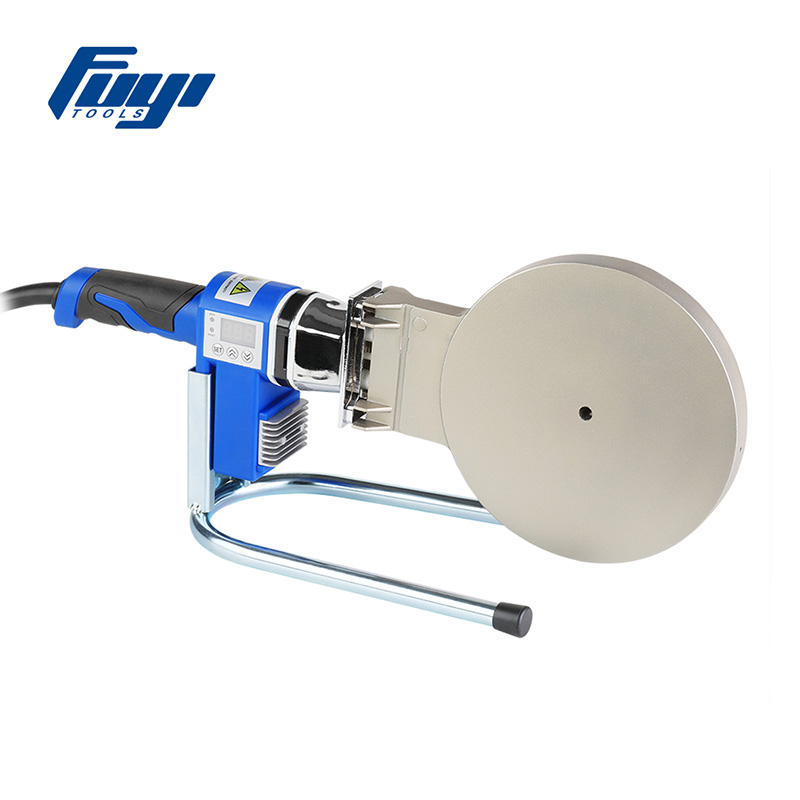
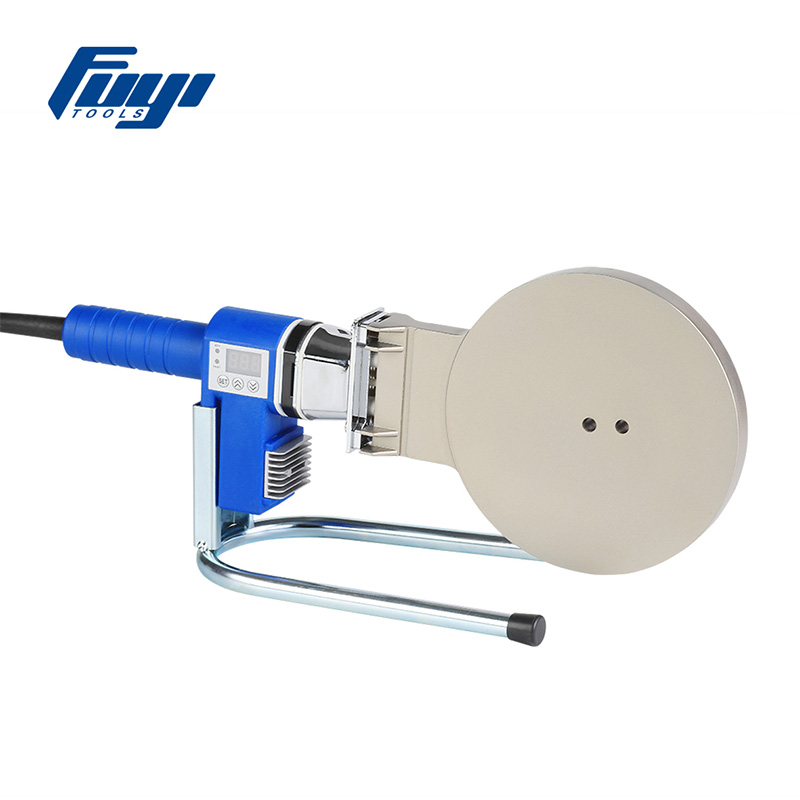
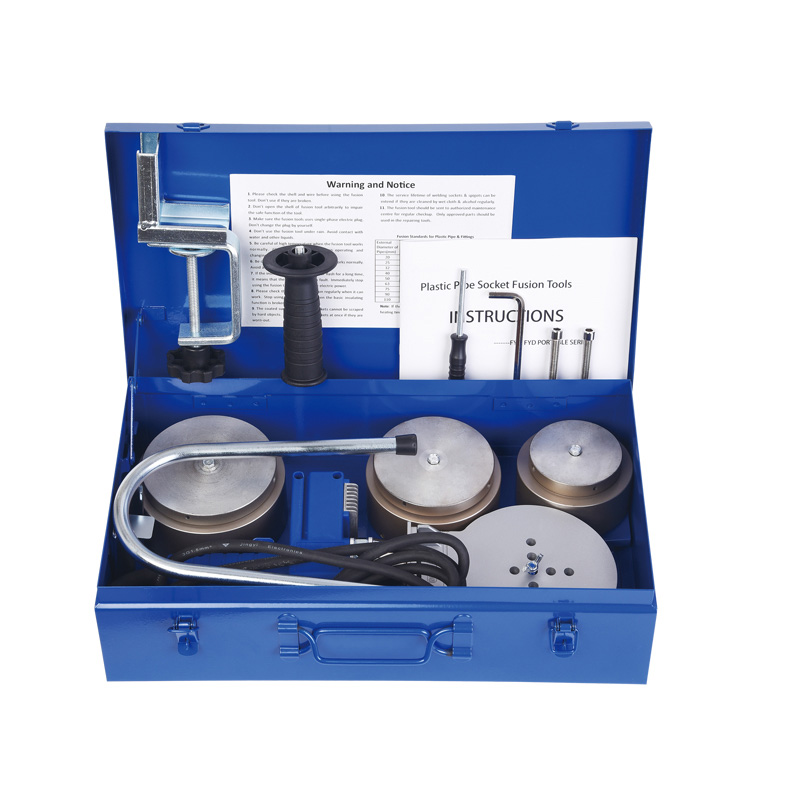 FYD110 Automatic Digital Display Hot-Melt Plastic Butt Fusion Socket Fusion Welding MachinThe FYD110 hot melt plastic butt welding machine not only has efficient and precise welding capabilities, but is also easy to operate, safe and reliable. The machine a...View Product →
Also consider the ergonomics of the tool. A handheld machine may weigh less than 2 kg, while a bench unit provides stable support for repeated work. Field crews often prefer a portable constant-temperature machine for quick tasks, while digital machines are valuable when documentation is required.
Installation Best Practices for Leak-Free Performance
No welding machine can fix a poorly prepared joint. Clean the pipe ends, remove any contamination, and scrape off the oxidized layer before starting. Keep the heating plate at the correct temperature for the pipe material and wall thickness. Use the correct cooling time and never pull the joint apart before it has cooled. Finally, record the welding parameters for every joint if the project requires traceability.
In cold weather, double-wall HDPE pipe becomes stiffer. Some machines have a temperature compensation function that adjusts the fusion cycle to the ambient temperature. In hot weather, ensure the pipe is not warped by direct sunlight before welding. These small steps are what separate a good installer from a problematic one.
Double-wall HDPE pipe is a durable, versatile pipe for gravity and pressure applications. But the pipe’s performance is only as good as its joints. Whether you use rubber gaskets, electrofusion, or socket fusion, selecting the right equipment and following the correct procedure will determine whether the line leaks or stays dry for decades. Use the product links in this guide to review available welding machines and scrapers, and talk to a supplier who understands the requirements of double-wall HDPE installation.
Related Products

 +86-158 6813 9123
 +86-571- 82432777
 [email protected]
 No.7 Yangguang Road, Linpu Industrial Area, Hangzhou City, Zhejiang Province, China
Copyright © 2024 Hangzhou Fuyi Tools Co., Ltd. All Rights Reserved.
|
