

 Eng
Eng  русский
 Español
Home / News / Industry News / Chemical Resistant Piping: Selecting Materials and Reliable Welding Methods
Industry News
Sep 28,2026
Chemical Resistant Piping: Selecting Materials and Reliable Welding Methods
When a chemical plant needs a new transfer line for sodium hypochlorite, the pipe selection is not a routine plumbing decision. Temperature, concentration, and even trace impurities can turn a seemingly suitable thermoplastic into a leaking or embrittled component within months. The same logic applies to industrial drainage, wastewater treatment, and process utilities. What you choose to carry the chemical matters, but so does how you join the pipe.
How Chemical Attack Damages Piping Materials
Chemical resistance is not a single property. It describes how a polymer withstands a specific chemical at a specific concentration and temperature. A polymer that handles 30% sulfuric acid at room temperature may fail quickly at 60°C. Understanding the attack modes helps you ask the right questions when reviewing data sheets.
- Polymer chain scission. Acids, oxidizers, and certain solvents break the molecular chains, causing embrittlement and loss of mechanical strength.
- Plasticizer extraction. Contact with some organic liquids can leach out additives, making the pipe hard and brittle.
- Environmental stress cracking. A combination of mechanical stress, a chemical stressor, and time can cause cracks to grow from minor surface scratches.
These mechanisms may occur simultaneously. This is why material data sheets alone are not enough; you must verify chemical compatibility with a recognized reference and consider the actual service temperature.
Choosing a Thermoplastic for Chemical Service
Most process piping for chemical duty uses one of four thermoplastics: HDPE, polypropylene (PP), PVDF, or CPVC. Each has a distinct chemical resistance profile and installation method. The table below is a simplified view for planning purposes. Always consult a current compatibility chart such as PPI TR-19 before making a final specification.
| Material | Typical Chemical Service | Limitations | Joining Method |
|---|---|---|---|
| HDPE | Diluted acids, alkalis, salts, many organic compounds | Not for strong oxidizers or many chlorinated solvents at elevated temperature | Butt fusion, electrofusion |
| Polypropylene | Broad resistance to organic solvents and a wide range of acids | Limited service temperature; not ideal for strong oxidizing agents | Socket fusion, butt fusion |
| PVDF | Excellent resistance to strong acids, halogens, and solvents | Higher raw material cost; more demanding fusion parameters | Fusion welding |
| CPVC | Good resistance to hot acids, many corrosives, and industrial chemicals | Not always compatible with aromatics and some chlorinated solvents | Solvent cementing or fusion welding |
For example, HDPE can handle many diluted acids and caustics, making it a workhorse in wastewater and neutralization lines. However, chlorinated solvents can cause swelling and permeation, so PVDF or another high-performance polymer may be required. In every case, the joint remains the most vulnerable part of the system.
How Joint Quality Determines System Integrity
A pipe with excellent chemical resistance is useless if the joint fails. Weld joints in thermoplastics are created by melting the pipe surface and the fitting together. When done correctly, the joint is homogeneous: no gasket, no adhesive, no mechanical coupling to degrade. This is why fusion welding is preferred for chemical service.
Two methods dominate for HDPE and PP pipe: socket fusion for smaller diameters and electrofusion for larger or field joints. Electrofusion uses an injected electric current through a resistance wire in the fitting to melt both surfaces. The process depends on the welding machine delivering precise voltage and time. A suitable electrofusion welding machine for pipe diameters up to 160 mm can produce repeatable results when the output is stable.
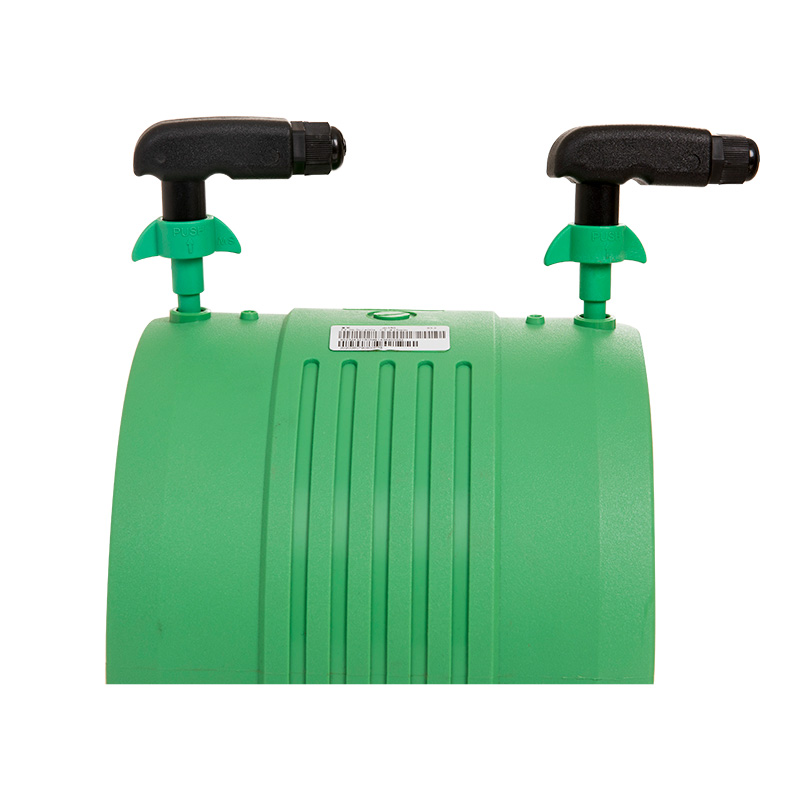 Electrofusion Welding Machine for 20-160mm Polyethylene PipesThis machine joins HDPE and PP pipes by electrofusion, with adjustable voltage and time for diameters up to 160mm. Its automated control and monitoring ensure consistent, reliable joints for water and gas applications.View Product →
For a deeper look at how the fusion process works, you can read about the working mechanism of electrofusion welding.
Surface Preparation Is a Quality Gate
For electrofusion, the pipe surface must be scraped clean before welding. A thin oxidized layer on HDPE prevents the melt from bonding properly. If you skip this step, the joint may look fine but develop a leak under chemical load.
A dedicated electrofusion pipe scraper removes the oxidation layer and slightly roughens the surface. It is a small tool with a large impact on joint integrity. Some scrapers are designed for pipe outside diameters up to 400 mm, covering a wide range of electrofusion applications. A properly fitted scraper also helps you avoid uneven depth, which is a common cause of poor fusion.
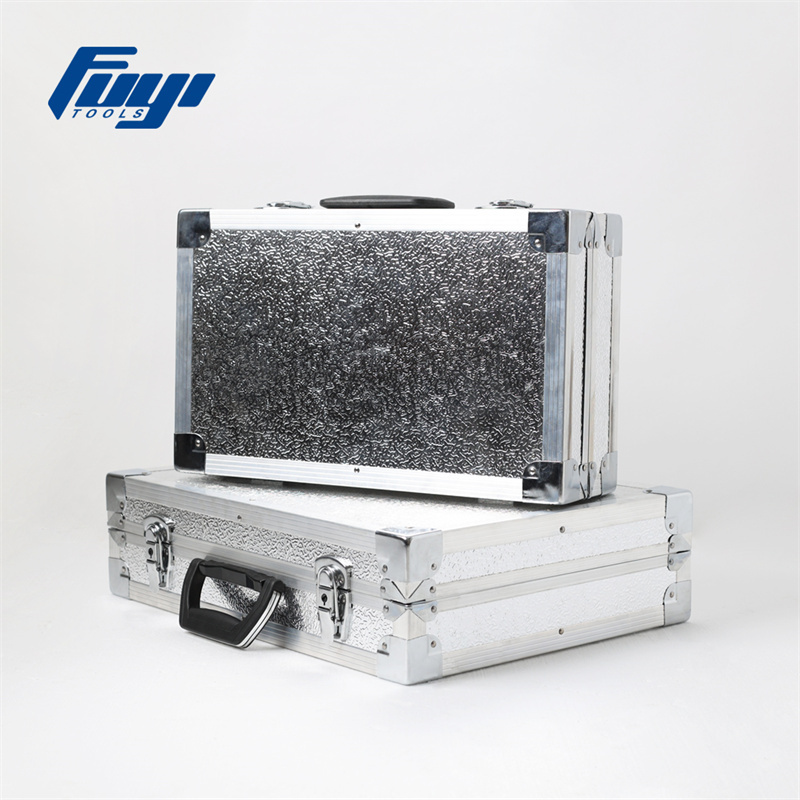 HDPE Pipe Scraper Tool for Electrofusion Preparation up to 400mmThis scraper removes oxidation and roughens the outer surface of pipes up to 400mm before electrofusion, ensuring proper joint integrity. Its consistent depth helps avoid common fusion defects.View Product →
Temperature Control Is the Operating Emphasis
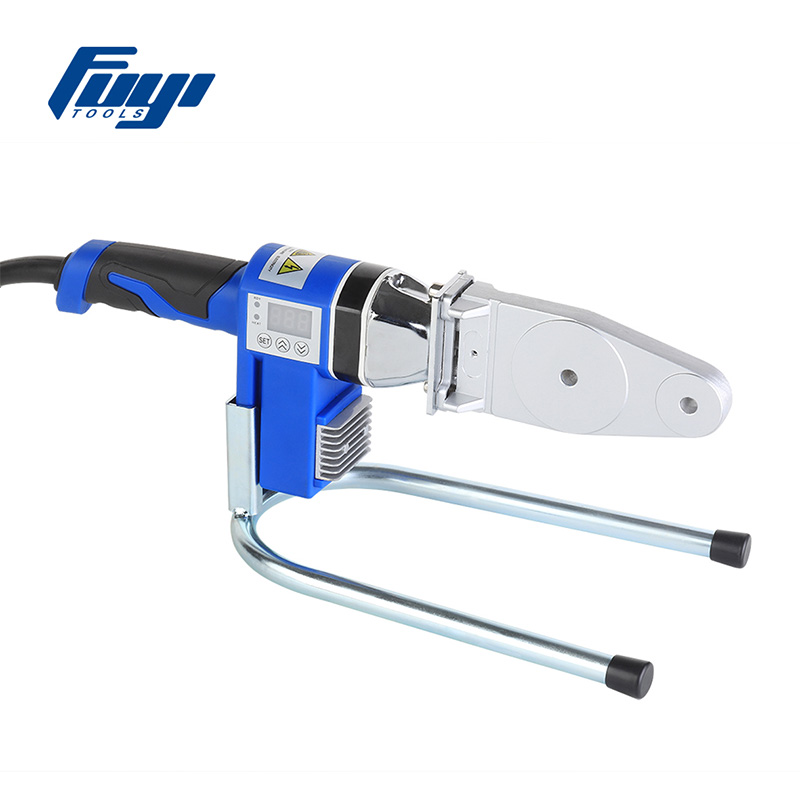
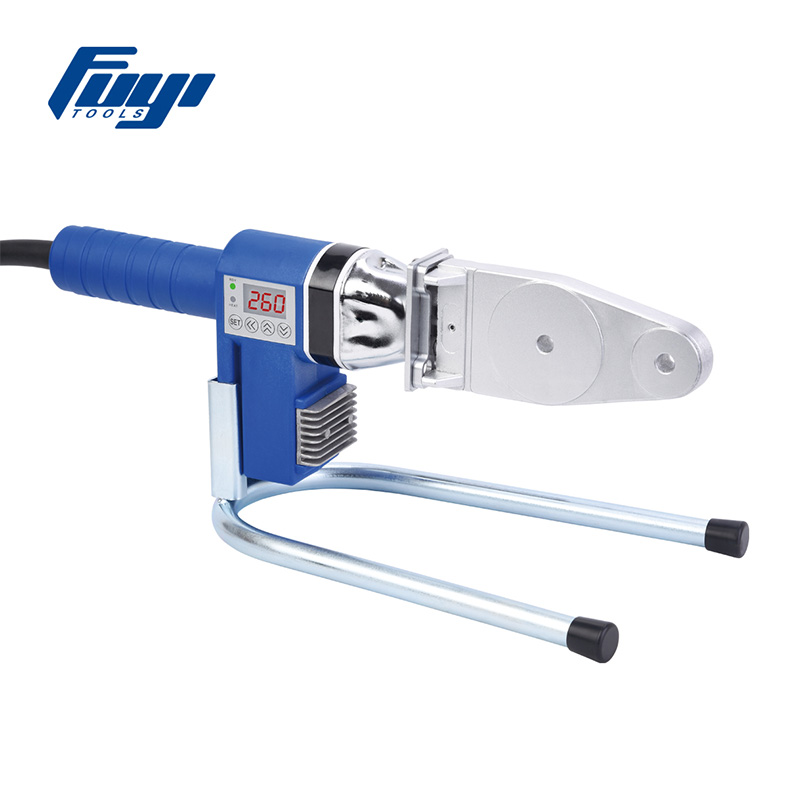
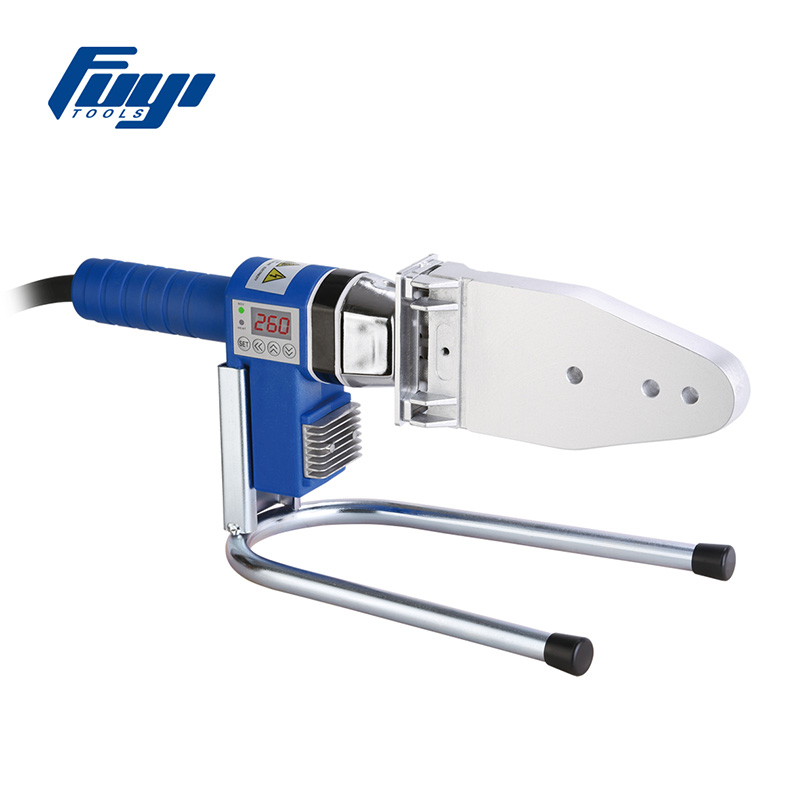
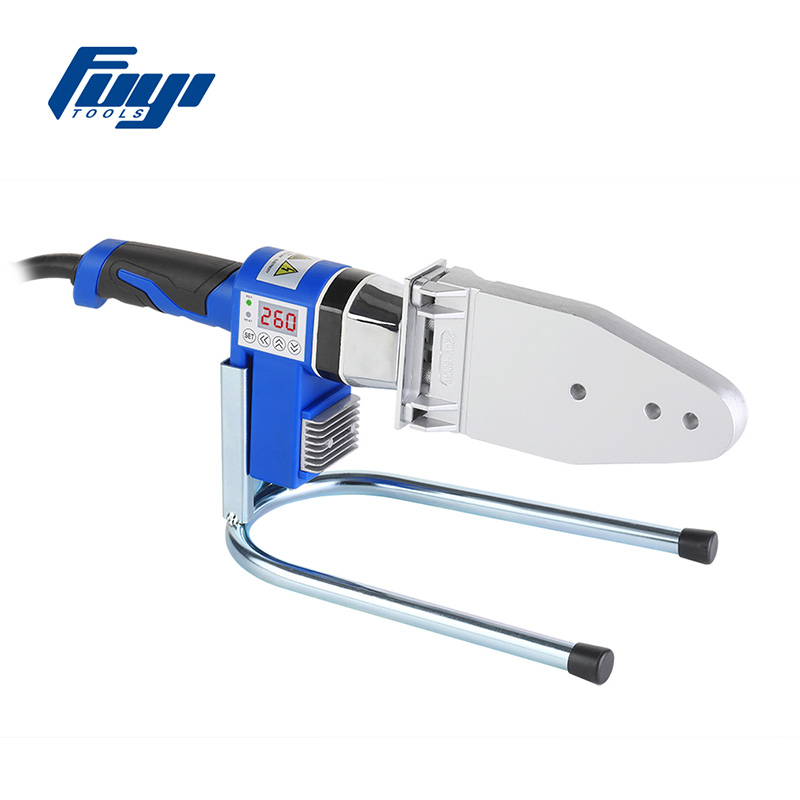
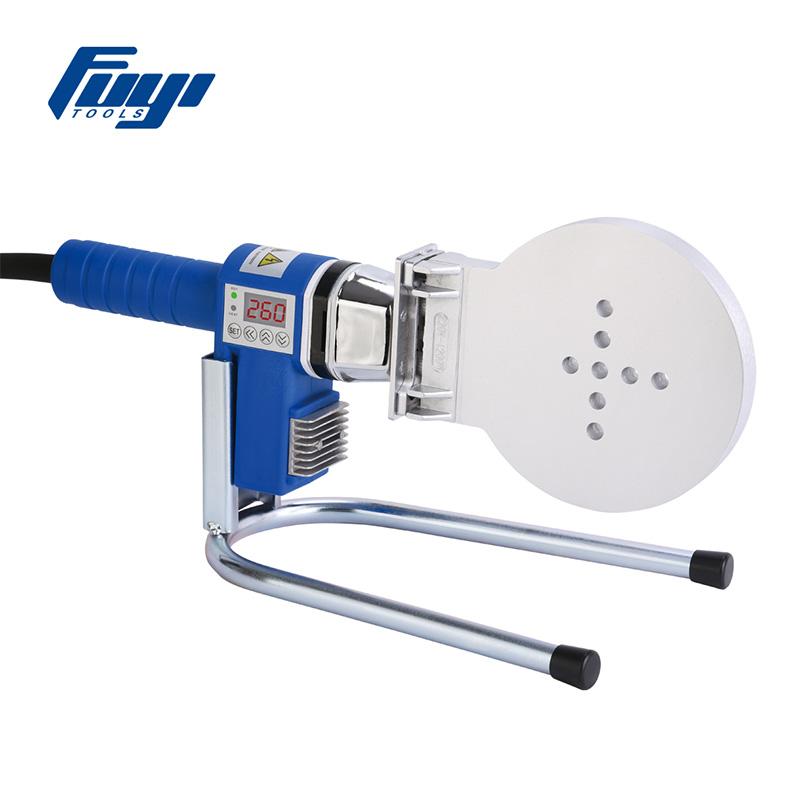
Socket fusion of PP and HDPE pipe requires the pipe and fitting to be heated to the same temperature before insertion. Handheld welding machines that rely on a simple thermostat can drift as ambient temperature changes. A digital socket fusion machine with a clear temperature display gives the operator feedback to confirm the heater plate is at the correct setpoint.
Digital machines also let you dial in different temperature settings for different materials, which matters when you install both PP and HDPE on the same job. A good machine will have a stable temperature controller and a durable heating head that holds temperature when you fuse multiple joints in a row. For instance, a 63 mm digital socket fusion welding machine with LED temperature display covers a common size range for PP-R and HDPE pipe.
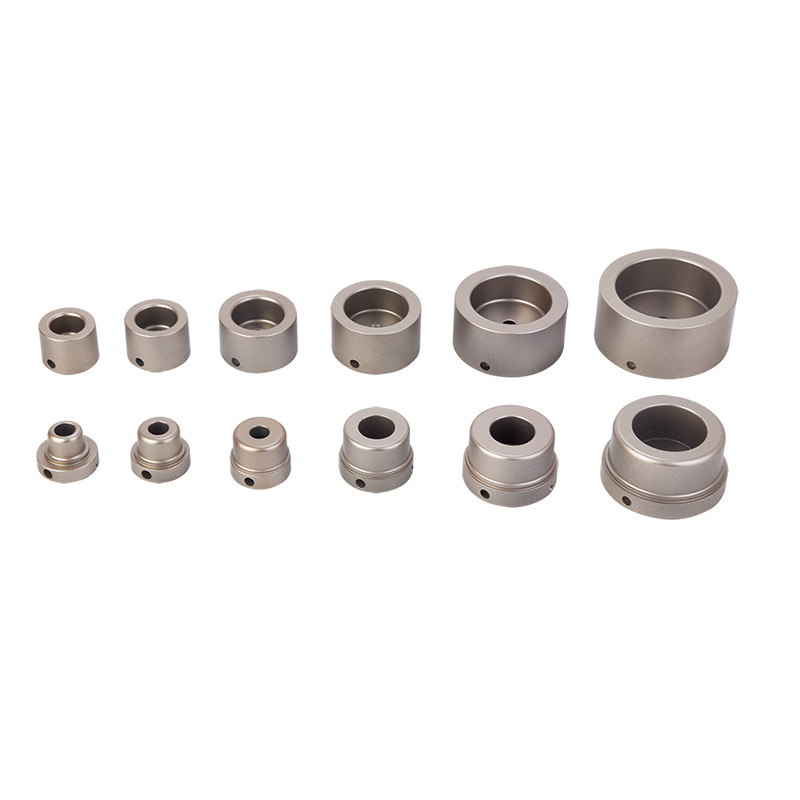 Digital Socket Fusion Welding Machine for 63mm PPR Pipes with LED DisplayThis machine welds 63mm PPR pipes with digital temperature control and LED display, allowing adjustment for different materials. The PTFE-coated sockets and stable heating ensure durable, sealed joints.View Product →
What Else to Consider When Buying Welding Equipment
Beyond chemical compatibility and joining method, procurement teams should evaluate the equipment's electrical safety, the availability of interchangeable heating sockets and spigots, ease of cleaning, and the manufacturer's export experience. A supplier that also offers pipe cutters, chamfering tools, and cold ring pliers can help you standardize the entire installation kit on one line.
- Voltage and plug compatibility for your market.
- Pipe diameter range and the availability of heating sockets or spigots in both metric and inch sizes.
- Spare heating parts and accessories such as heat insulation jackets.
- Warranty and after-sales support response time.
When choosing a supplier, confirm that the equipment is shipped with the correct voltage for your market, and that spare parts are available. A welded pipeline is a long-term asset; the tools that create the joints are part of that asset.
Chemical resistant piping is a system decision. The pipe material must match the chemical service, but the joints must be made with the same care. Selecting a thermoplastic with excellent compatibility, preparing the surface properly, and using a reliable fusion welding machine with accurate temperature control gives you the best chance of a leak-free, long-lived installation.
Related Products

 +86-158 6813 9123
 +86-571- 82432777
 [email protected]
 No.7 Yangguang Road, Linpu Industrial Area, Hangzhou City, Zhejiang Province, China
Copyright © 2024 Hangzhou Fuyi Tools Co., Ltd. All Rights Reserved.
|
