

 Eng
Eng  русский
 Español
Home / News / Industry News / Chemical Piping Systems: Materials, Fusion Welding, and Leak-Free Installation
Industry News
Sep 21,2026
Chemical Piping Systems: Materials, Fusion Welding, and Leak-Free Installation
Chemical piping systems often fail at the joint, not in the pipe. A single socket fusion weld that is too cold or too shallow will leak within months, especially when it carries a concentrated acid or high-purity water. That is why engineers and contractors should evaluate the connection technology as carefully as the resin grade.
Why Polymer Pipes Dominate Chemical Service
Polymer piping systems have become the default in chemical processing, deionized water loops, pulp and paper plants, and wastewater treatment. The reason is simple: thermoplastic pipe does not corrode like carbon steel, does not require external coatings, and does not add metallic contaminants to sensitive fluids. PP-R, PE, and PVDF cover a wide range of aggressive media and temperatures.
For high-purity and chemical applications, PP-R provides excellent resistance to acids, alkalis, and solvents at moderate temperatures. HDPE and PE 100 are favored for their toughness, flexibility, and ability to handle buried or moving installations. When the temperature or corrosiveness exceeds the limits of PP-R, PVDF is frequently specified.
| Material | Typical chemical service | Temperature range (approx.) | Primary joining method |
|---|---|---|---|
| PP-R | Acids, alkalis, deionized water | Up to 95°C | Socket fusion |
| PE / PE 100 | Water, waste, dilute chemicals | Up to 60°C | Electrofusion, socket fusion |
| PVDF | Strong acids, solvents, high-purity media | Up to 140°C | Socket fusion, butt fusion |
Socket Fusion: A Proven Method for Smaller Lines
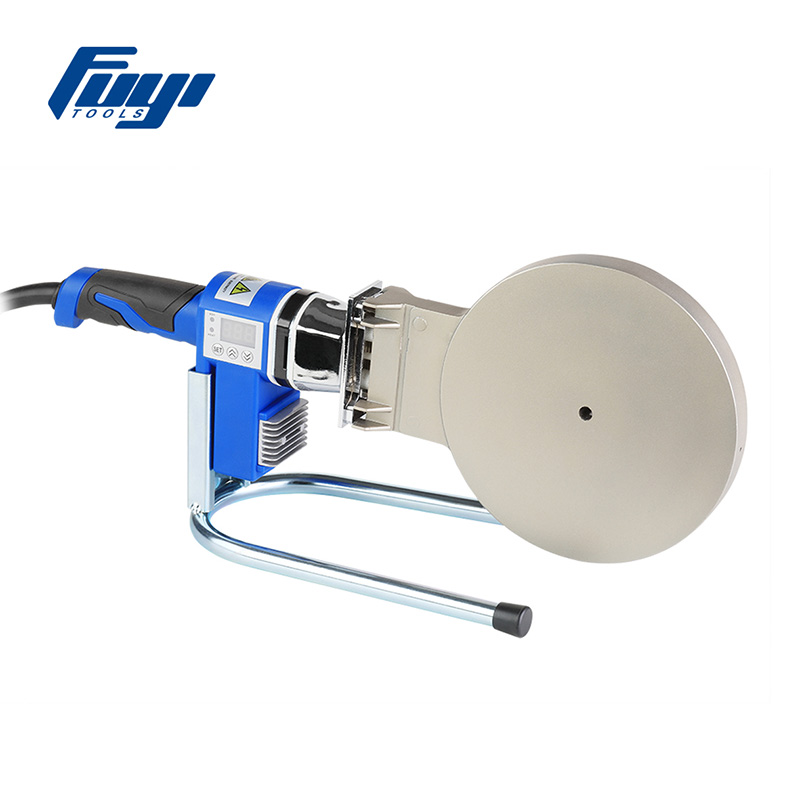
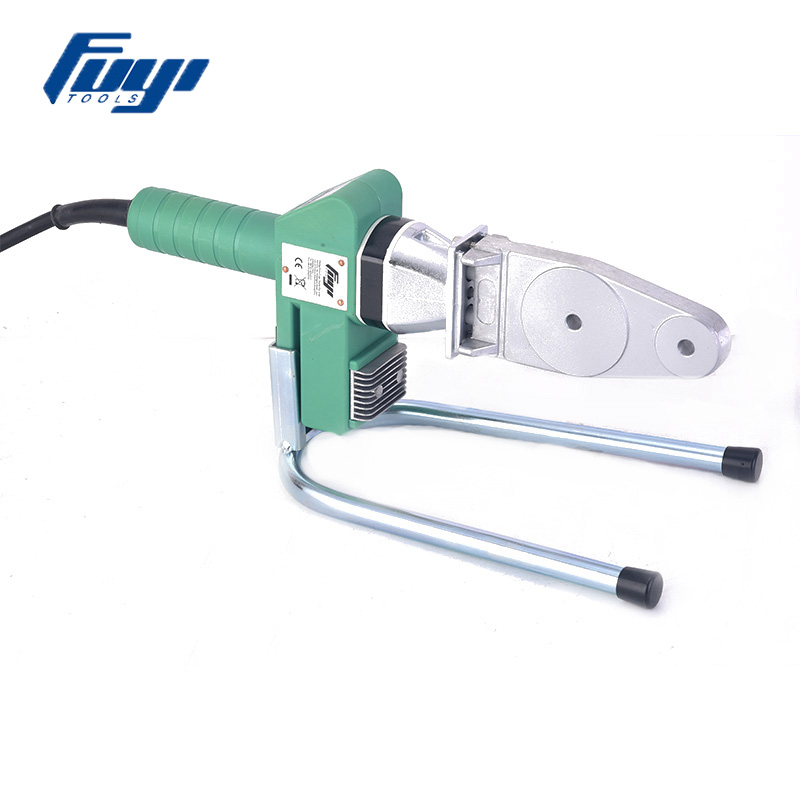
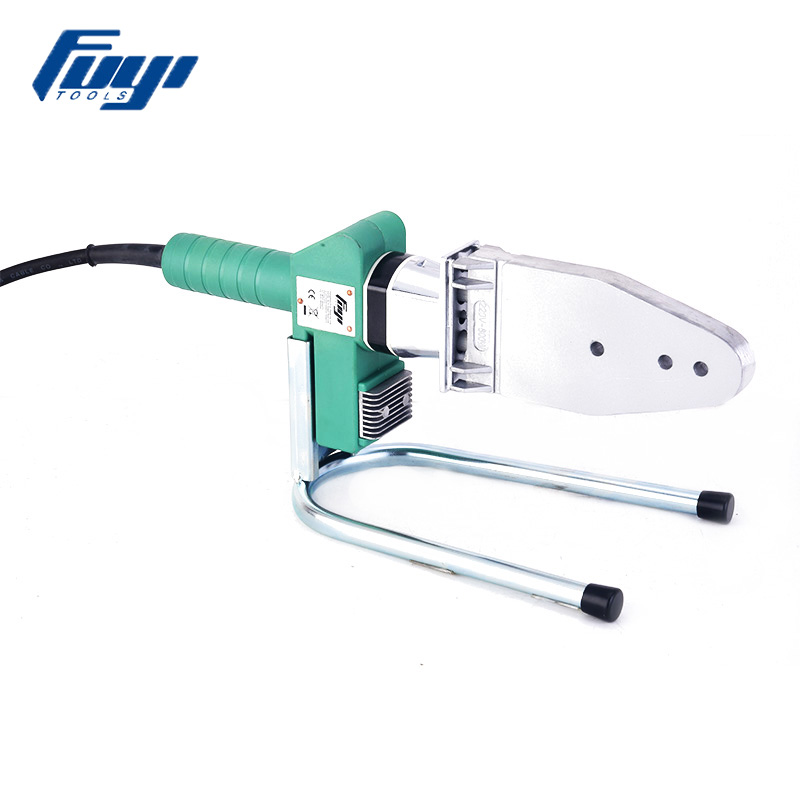
Socket fusion is the primary joining method for PP-R pipes up to perhaps 63 mm OD in chemical service. The pipe end and the fitting socket are heated simultaneously with a tool mounted on a socket fusion welding machine. Once the surfaces reach the correct melt state, the operator inserts the pipe into the fitting and holds it under pressure until the joint cools. Proper execution depends on three factors: temperature, heating time, and insertion depth.
Using a temperature-controlled machine removes a large share of operator variability. Constant temperature models are simple and cost-effective, but digital display machines allow the operator to verify the exact melt temperature before each weld. This is especially important in chemical piping systems where a leak can expose workers to hazardous media. For a deeper look, follow the best practices for achieving a strong and leak-free socket fusion weld.
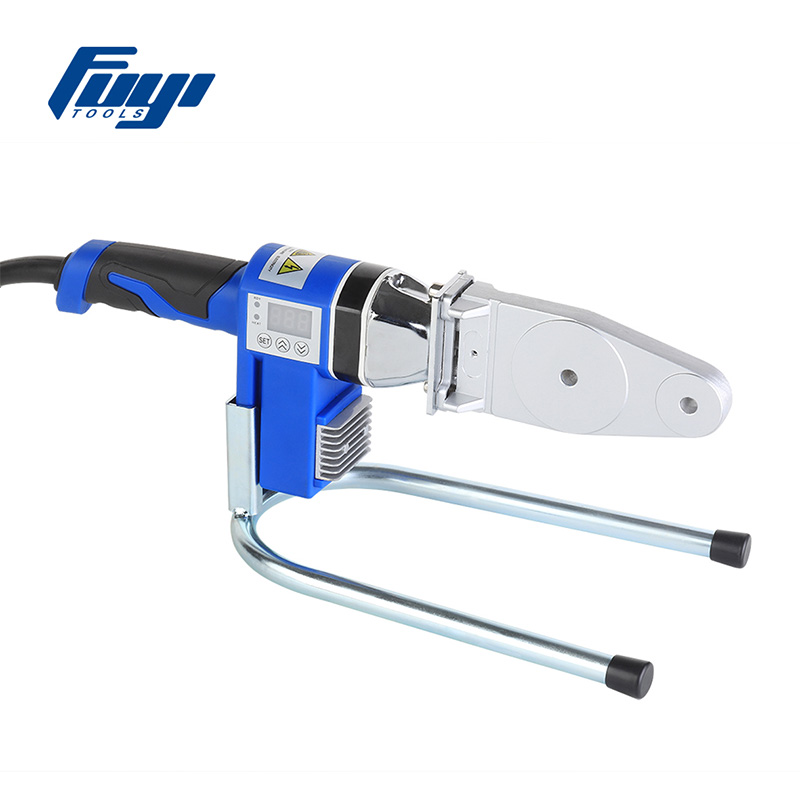
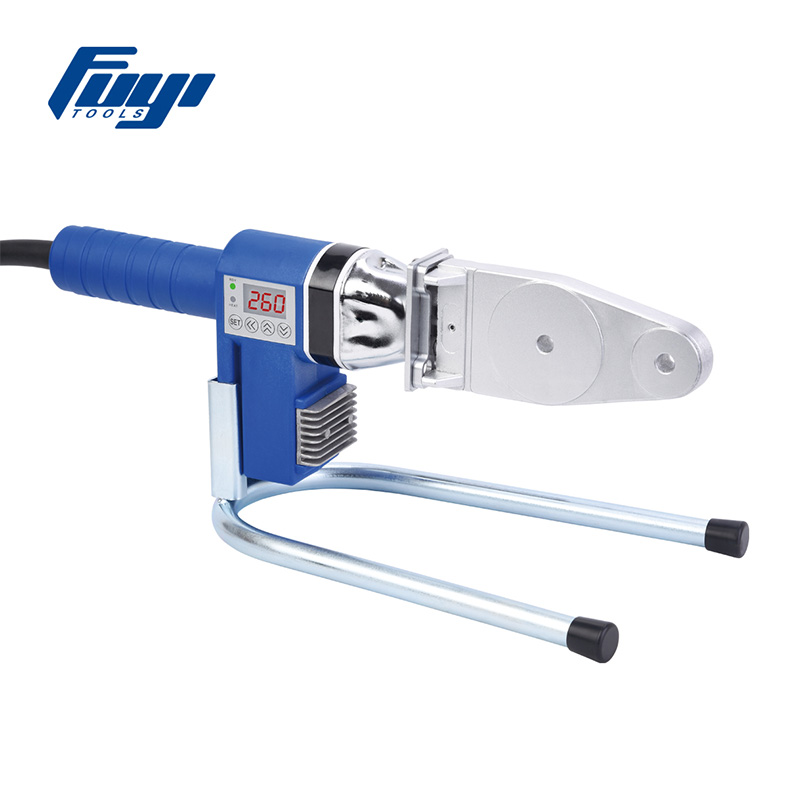
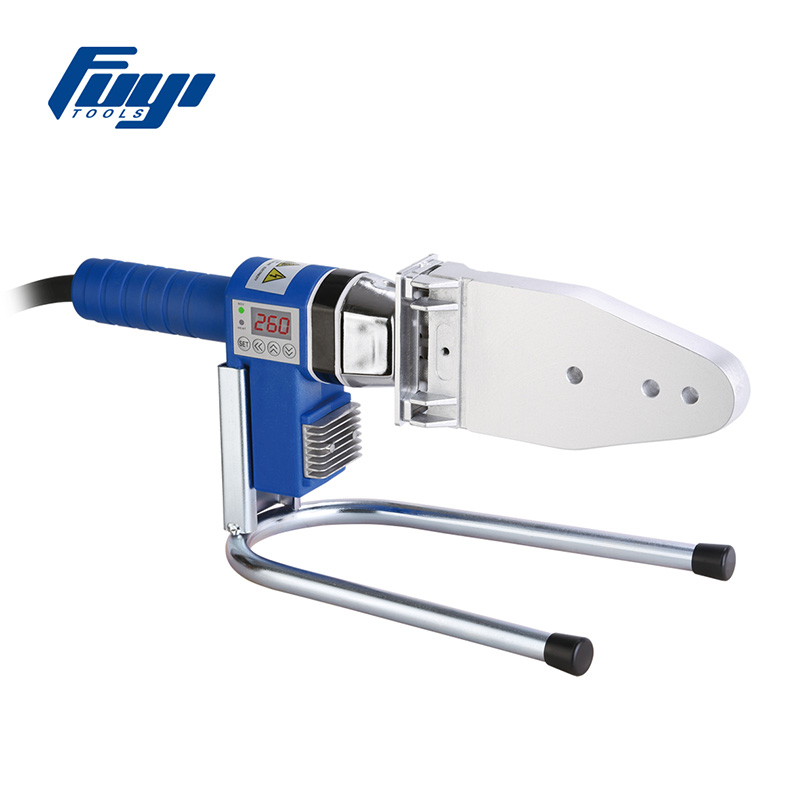
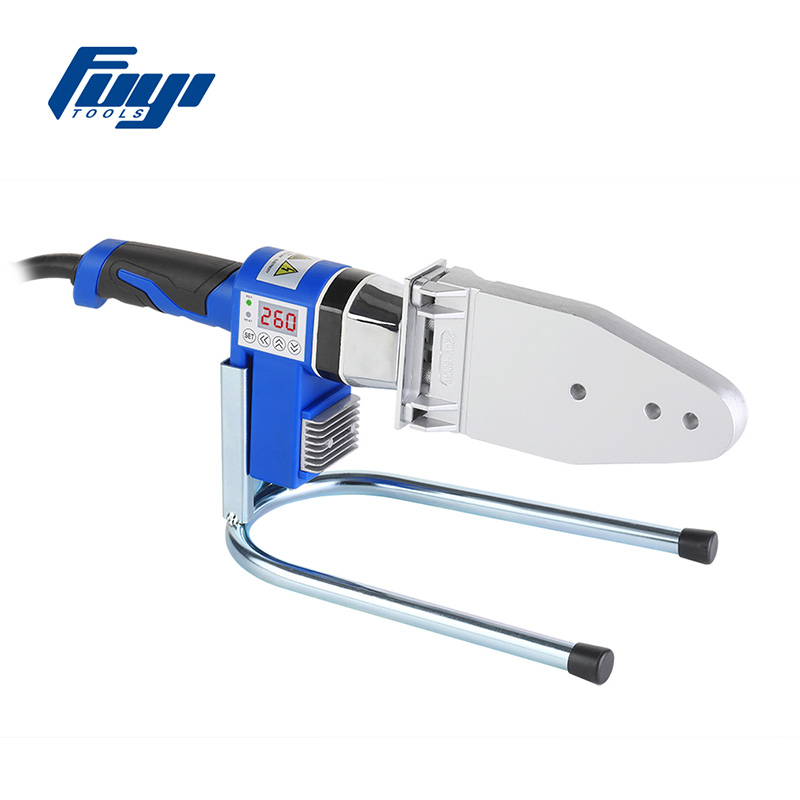
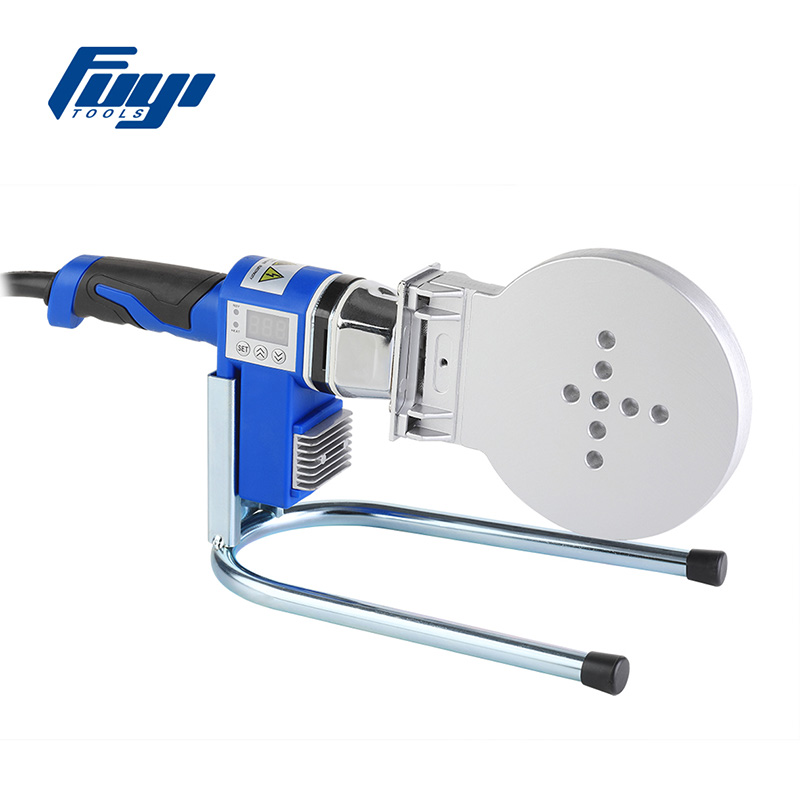
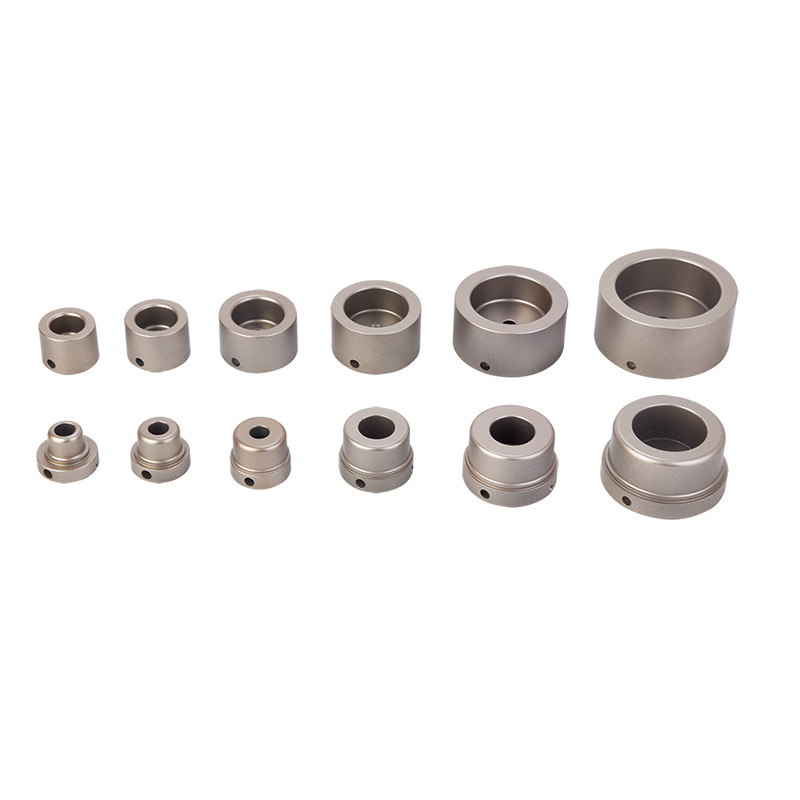 Digital Socket Fusion Welding Machine with LED Temperature Display for 63mm PPR PipesThis digital welding machine provides precise temperature control through an LED display, helping to ensure strong and leak-free socket fusion joints. It is especially useful when working with chemical piping where weld quality is critical.View Product →
Before heating, the pipe must be cut square, chamfered, and cleaned. A rotary or ratcheting pipe cutter works well for most plastic pipe. Chamfering removes the rough edge that could shave material from the fitting bore during insertion.
Electrofusion for Large Diameter, Buried, or Hard-to-Reach Lines
Electrofusion is the method of choice when socket fusion becomes impractical. It is used on larger-diameter PE pipes, buried pipes, trenchless installations, and repair work where rotation or fusion force is limited. An electrofusion fitting contains an embedded resistance wire. The welding machine sends current through the wire, melting the fitting bore and the pipe surface together.
One major advantage is that electrofusion is not dependent on operator force or alignment. The fitting fixes the pipe in place while the weld is created. It is also suitable for PE pipes of different wall thicknesses.
However, effective electrofusion requires careful surface preparation in the field. The pipe must be scraped to remove oxide or contaminants just before welding. A sharp electrofusion pipe scraper is not optional; it determines whether the joint will be gas-tight over years of service.
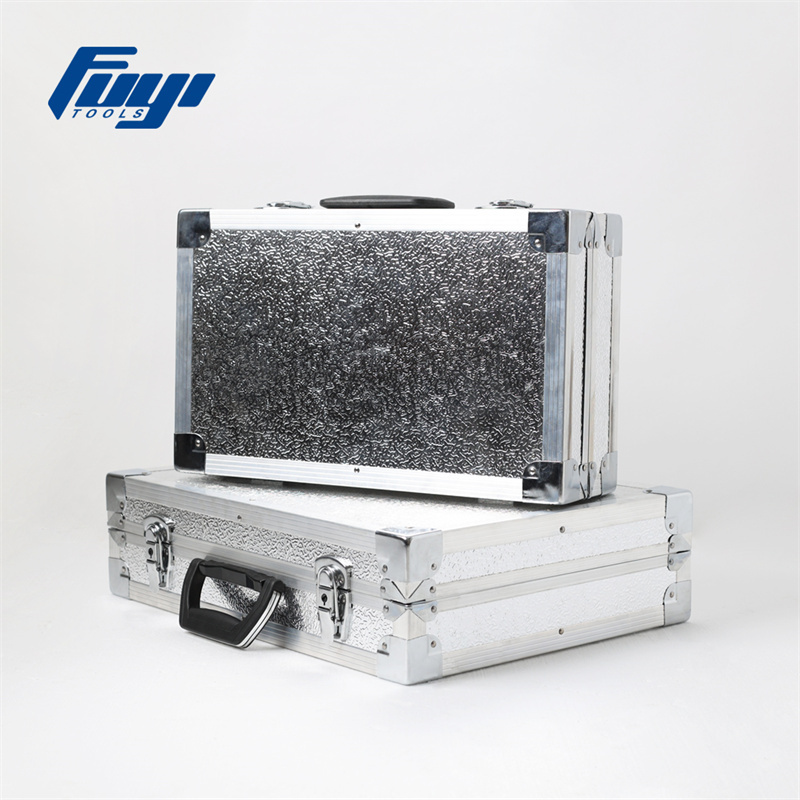 HDPE Pipe Scraper for Electrofusion Preparation of Pipes up to 400mmA sharp scraper is essential for removing oxide and contaminants before electrofusion. This tool ensures a clean pipe surface, which is vital for achieving gas-tight joints that remain reliable over years of service.View Product →
Welding machines for electrofusion are available in two broad types: transformer-based and inverter-based. Transformer-style machines are robust and often preferred for large, site-heavy jobs, while inverter machines are lighter and more power-efficient. For a typical 20-160 mm range, a transformer electrofusion welding machine provides reliable output and consistent heating.
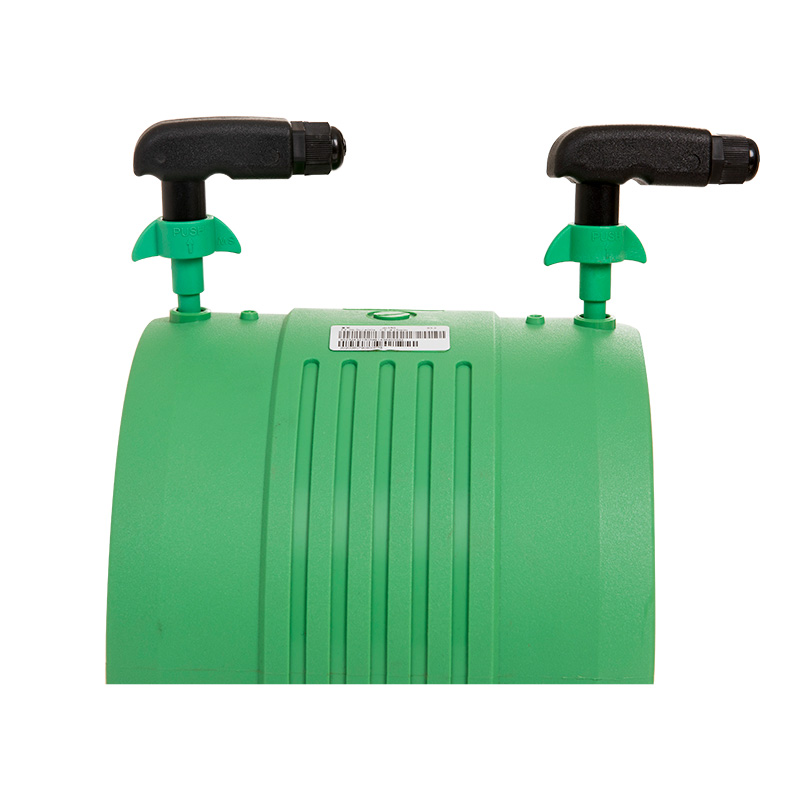 Electrofusion Welding Machine for HDPE, PP, and PPR Pipes from 20 to 160mmThis transformer-based electrofusion welding machine delivers stable output for pipes in the 20-160mm range. It is designed for reliable field use, offering consistent heating and automated control to produce durable joints in water and gas systems.View Product →
After scraping, insert the pipe fully into the fitting and connect the leads. Set the correct fusion time and current as specified by the fitting manufacturer. The machine controls the fusion cycle and prevents overheating.
Installation Practices That Prevent Leaks
A good pipe and a good machine are not enough. Hydraulic engineers and plant operators know that the final joint quality is determined by preparation and discipline. The following practices should be treated as non-negotiable when installing chemical piping systems.
- Cut the pipe square before chamfering. An angled cut reduces effective insertion depth and weakens the joint.
- Use the correct heating time for the pipe diameter and wall thickness. Too short leaves unmelted surfaces; too long degrades the polymer.
- Insert the pipe fully to the socket depth mark. A partial insertion creates a stress concentration and a hidden leak path.
- Hold the insertion pressure for the specified cooling time. Moving the pipe before the weld sets can cause micro-cracks.
- Pressure-test the system before it is put into service. The test should be above the design pressure and held long enough to identify slow leaks.
Performing these steps with calibrated fusion equipment and trained operators will consistently produce joints that last the life of the piping system.
Choosing the Right Equipment for a Chemical Piping Project
Selecting the right fusion tool begins with the size and material of the pipe. Small PP-R lines up to 63 mm are best handled by a digital or automatic socket fusion machine, which provides precise temperature control and rapid operation. For large PE lines or for repair work, an electrofusion machine is the better investment. For the preparation steps, pipe cutters and scraping tools should be matched to the pipe diameter and material hardness.
Projects also differ in portability and site conditions. Bench units suit prefabrication shops; handheld units allow the operator to move along the pipe run. Decision makers should look for equipment that offers stable output, reliable heating elements, and easy-to-read displays. The right tools can reduce training time, improve first-pass yield, and lower the cost of failed joints.
The lesson from chemical piping systems is that material selection and connection technology are two halves of a single decision. A chemically compatible resin is only as good as the joint that binds it. With the correct socket fusion or electrofusion process, proper surface preparation, and calibrated equipment, chemical pipelines can deliver decades of service without leaks.
Related Products

 +86-158 6813 9123
 +86-571- 82432777
 [email protected]
 No.7 Yangguang Road, Linpu Industrial Area, Hangzhou City, Zhejiang Province, China
Copyright © 2024 Hangzhou Fuyi Tools Co., Ltd. All Rights Reserved.
|
