

 Eng
Eng  русский
 Español
Home / News / Industry News / Acid Piping Technology: How Welding Quality Determines System Integrity
Industry News
Sep 14,2026
Acid Piping Technology: How Welding Quality Determines System Integrity
A chemical plant operator notices a small drip at a joint in a 20% sulfuric acid line. Within a week, that drip becomes a visible spray. The pipe is HDPE, the fitting is correct, and the system pressure is normal. The fusion weld simply did not achieve proper melt penetration. This is one of the most common failure modes in acid piping technology, and it nearly always traces back to welding process control rather than material selection.
Here is the conclusion before the explanation: the success of a plastic acid line depends more on the quality of the joint than on the grade of the pipe. With controlled heating, clean surfaces, and accurate pipe preparation, a PP-R or HDPE pipeline can handle many diluted acid services reliably for years. Without those controls, even a premium resin will leak at the first weak weld.
Why Acid Piping Connections Fail
Acid media expose every construction weakness in a pipeline. A small gap, a thin oxide layer, or an underheated zone becomes a site for corrosive attack and stress concentration. Traditional threaded or flanged joints introduce metal, which is often incompatible with the chemical environment. Fusion welding creates a homogeneous, metal-free connection, but only when the process is executed correctly.
Three defects dominate acid service failures: cold joints, overheating (degradation), and contamination. A cold joint leaves the polymer surfaces partially fused; the joint looks sealed but has low strength. Overheating burns the material and creates voids. Contamination from dirt or fingerprints prevents molecular bonding.
Plastic Pipe Materials for Acid Service
PP-R (polypropylene random copolymer) and HDPE (high-density polyethylene) are among the most common thermoplastics used for diluted acid transport. Their chemical resistance depends on concentration, temperature, and exposure time. For many weak organic and inorganic acids at ambient temperature, these polymers offer a cost-effective alternative to alloy lines.
PVDF is sometimes chosen for stronger oxidizers, but PP-R and HDPE remain the workhorses for systems where acid concentration stays moderate. Fusion welding tools are essential for joining these materials, because mechanical couplings and solvent cement are not viable for most acid services.
Fusion Welding Methods: Socket Fusion vs. Electrofusion
Two processes dominate field fusion welding for acid piping: socket fusion and electrofusion. Socket fusion is a manual technique in which a heated plate melts the pipe end and the fitting socket simultaneously. Electrofusion places an embedded resistance wire in the fitting, and the machine sends controlled current through it to melt both interfaces.
| Parameter | Socket fusion | Electrofusion |
|---|---|---|
| Pipe diameter range | Small to medium (up to about 110 mm) | Medium to large (including 160 mm and above) |
| Equipment complexity | Simple, hand-held socket fusion machines | Electrofusion machine with barcode or manual input |
| Installation space | Requires workspace for inserting pipe into fitting | Works in tight or trench settings |
| Process control | Relies on operator timing and temperature management | Machine controls cycle and temperature automatically |
| Typical failure risk | Human error in timing or angular alignment | Poor surface preparation or contaminated pipe end |
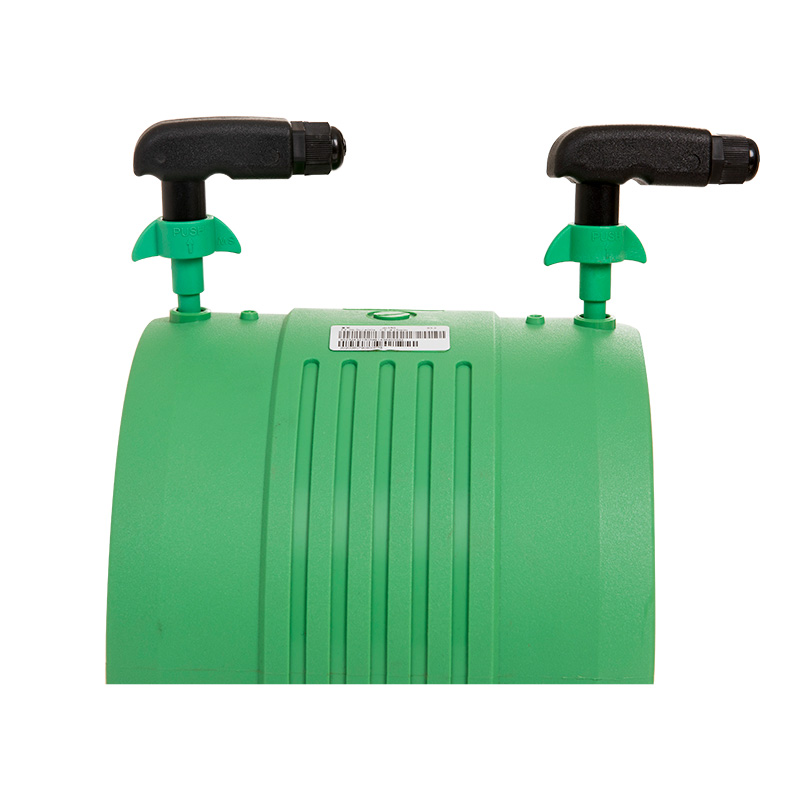 20-160MM Electrofusion Welding Machine for PE PipesThis electrofusion welding machine handles pipes from 20 to 160 mm, offering automated control of current and time for reliable joints. It is suitable for water, gas, and industrial applications, with user-friendly operation and safety features.View Product →
When to Choose Electrofusion
Electrofusion is the preferred method for large-diameter acid lines, for repairs, and when the pipe cannot be rotated or moved. The working mechanism of electrofusion welding is relatively straightforward: the fitting wire heats the interface, and the machine manages the energy so that the entire circumference melts evenly. This removes most of the operator variability found in socket fusion.
Choosing the Right Welding Equipment
For acid piping technology, the welding machine is not a generic plumbing tool. It must deliver stable temperature or accurate current throughout the weld cycle. Field conditions often mean fluctuating voltage, cold weather, and long shifts. That is why the equipment selection criteria below matter more than brand names.
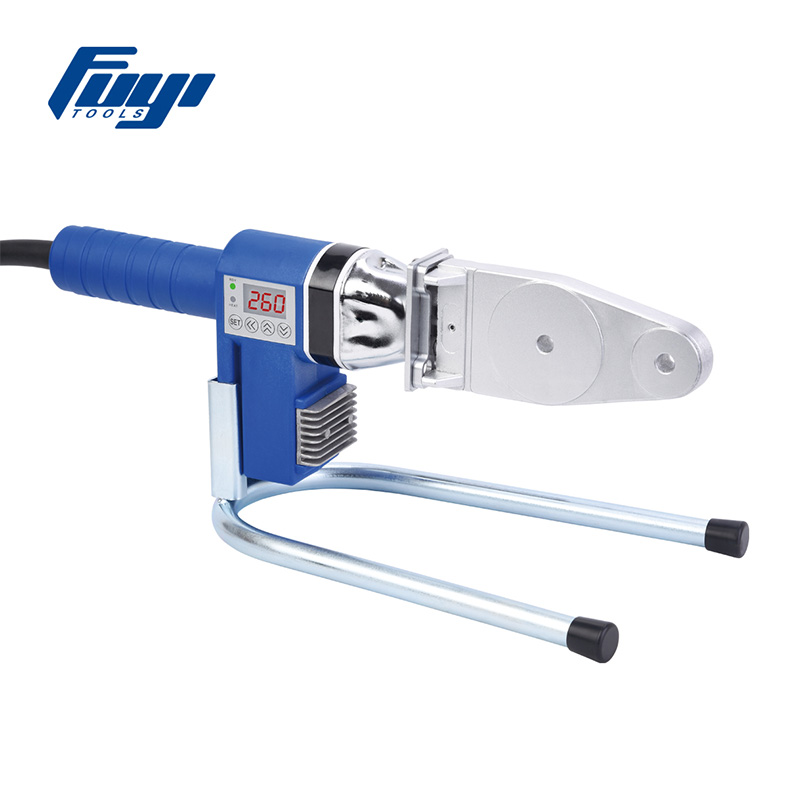
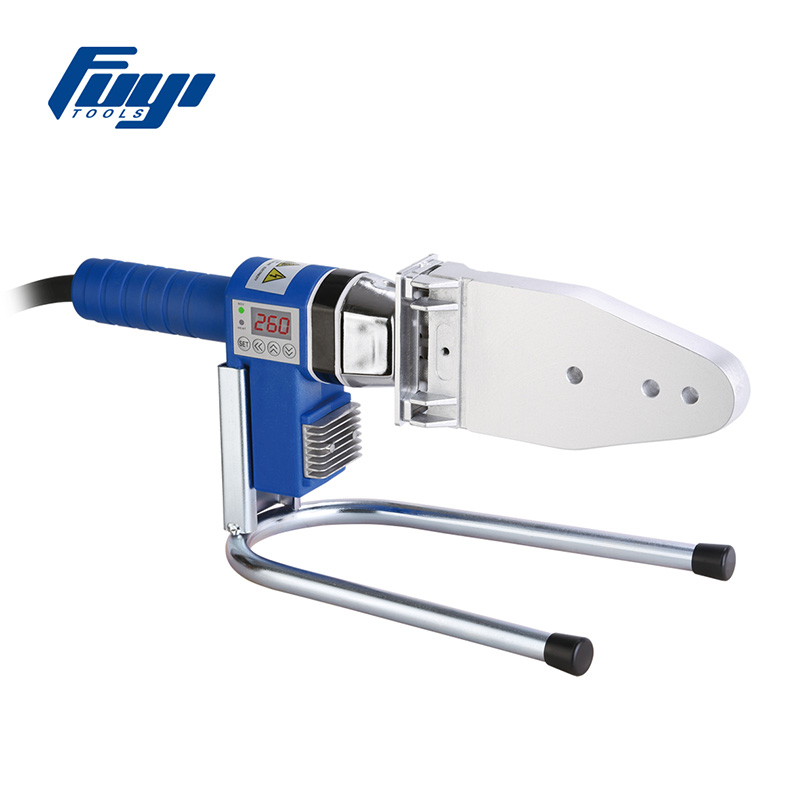
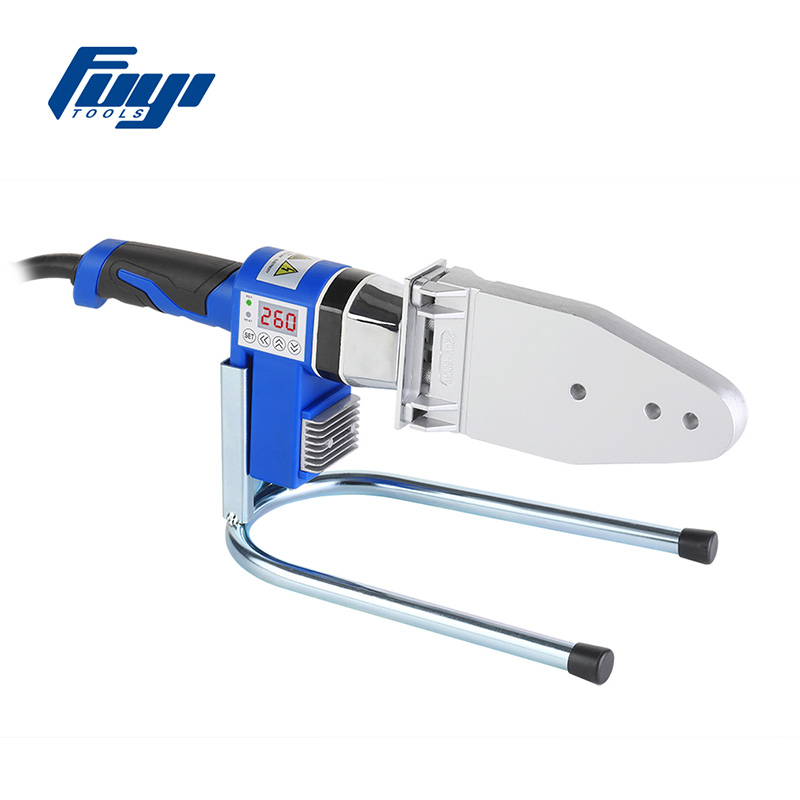
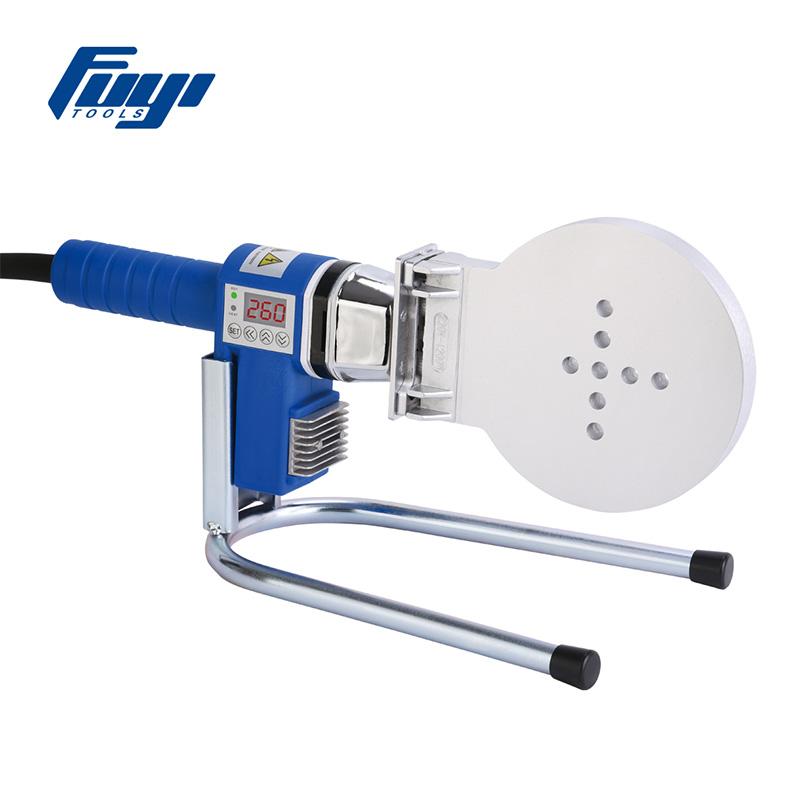
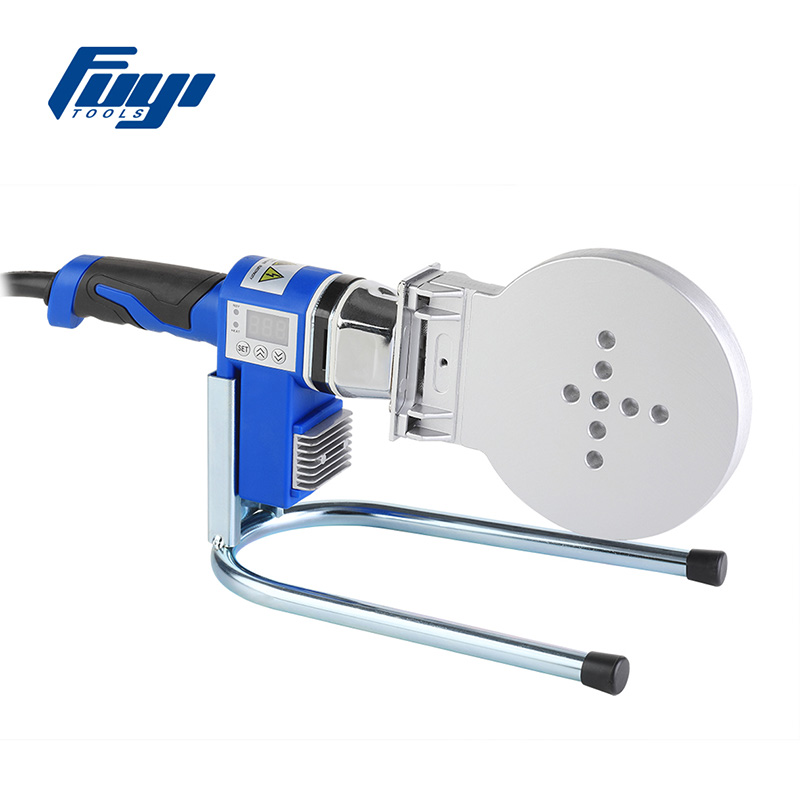
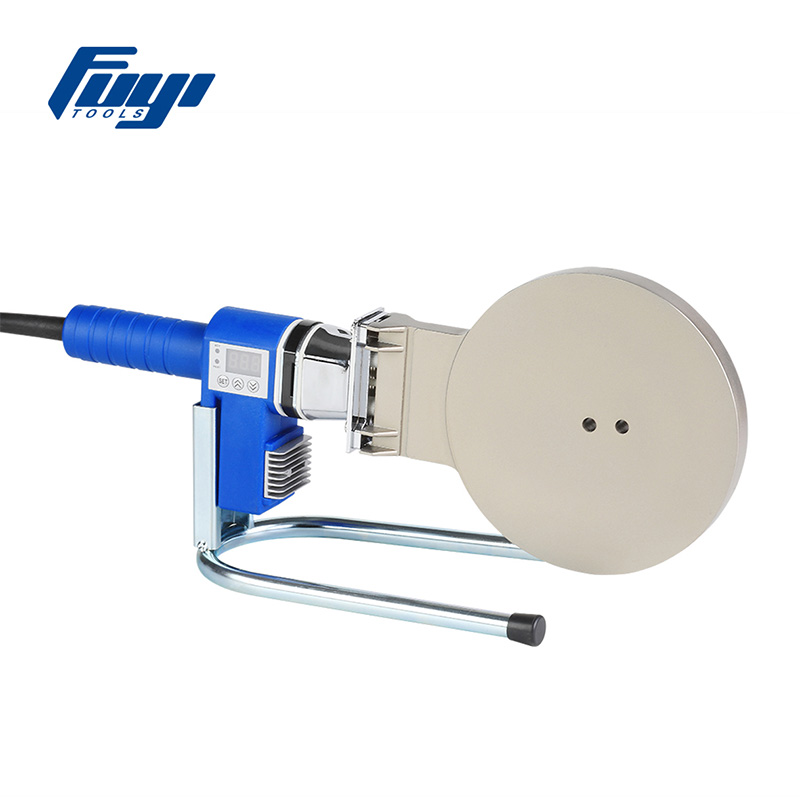
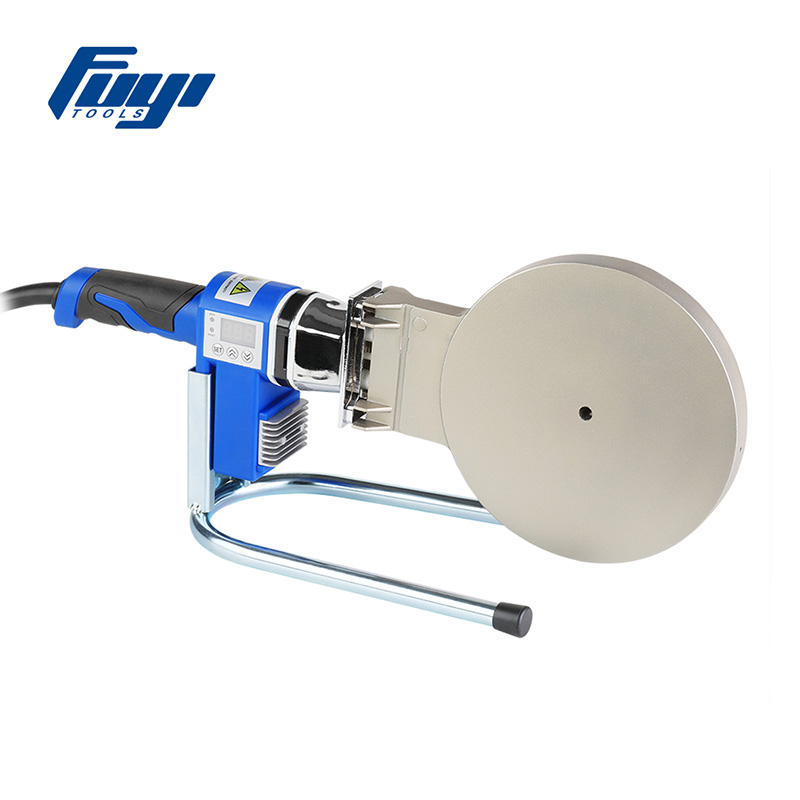
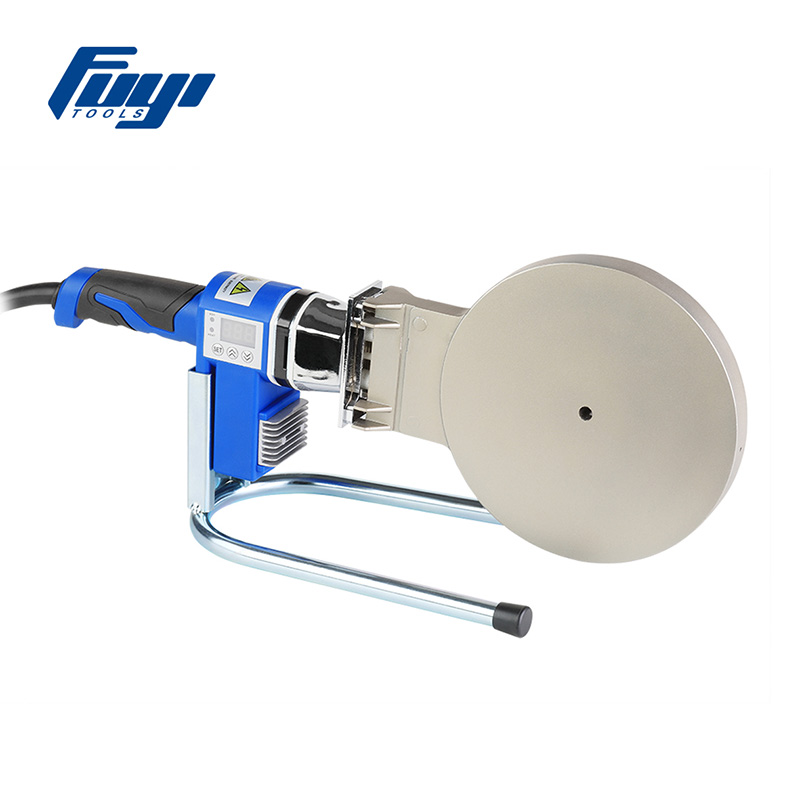
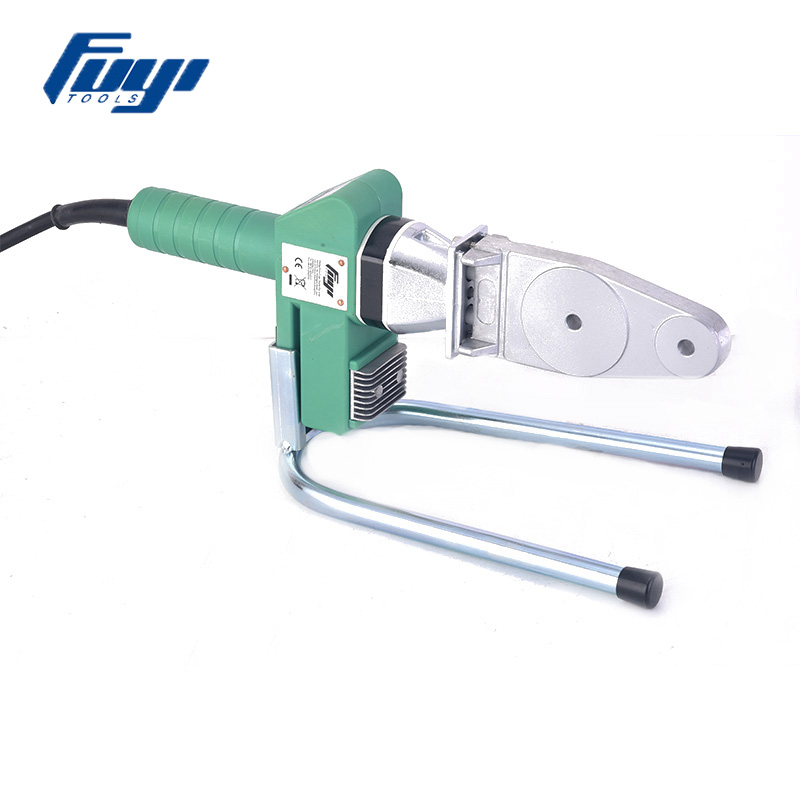
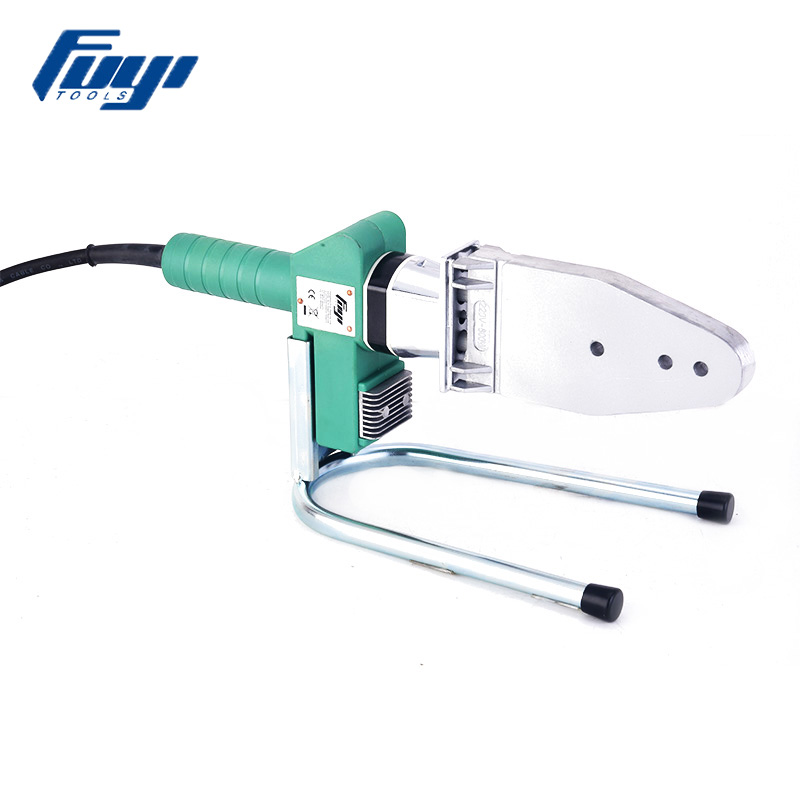
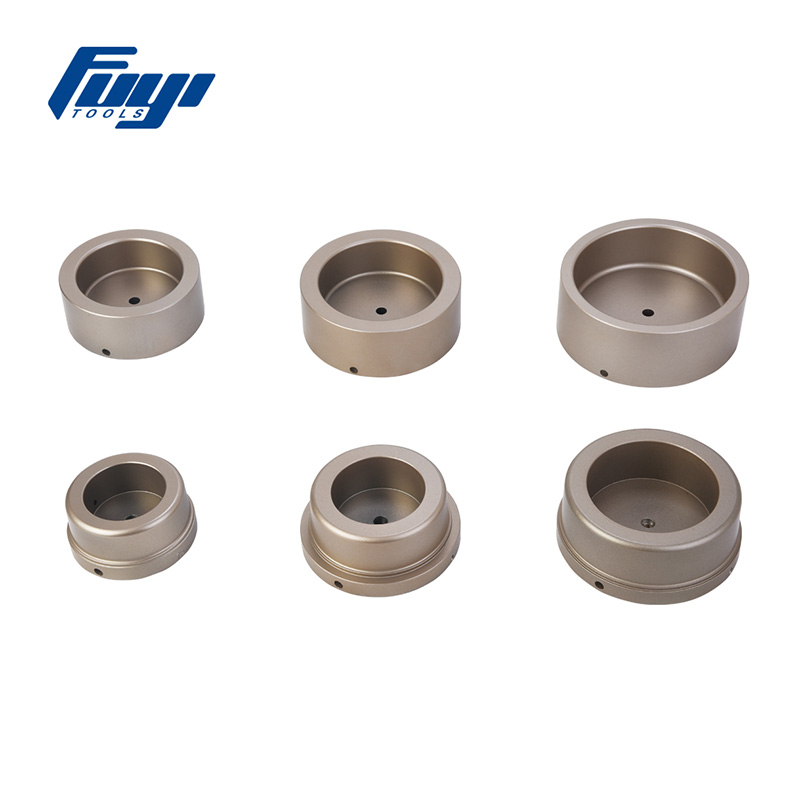 75-110MM 1200W Digital Socket Fusion Welding MachineThis digital socket fusion welder for 75-110 mm PPR and HDPE pipes features a 1200W heater and PID temperature control, ensuring stable fusion. It comes with a compact design and warning system for reliable field use.View Product →
- Temperature control: the heating plate must hold a flat, repeatable temperature. A digital thermostat with a clear display helps the operator confirm set point.
- Piping diameter coverage: a single machine should handle the range you install on site. Too small a machine means multiple units or costly failures.
- Portability: hand-held units reduce fatigue in trench work. Bench machines suit prefabrication workshops.
- Voltage adaptability: construction sites rarely offer stable 230 V. Look for equipment with wide tolerance or inverter-based power circuits.
A digital socket fusion machine with an adjustable-temperature display is often the best starting point for contractors who run both PP-R and HDPE acid lines.
Preparing the Pipe: Cutting, Chamfering, and Scraping
Weld quality begins long before the heater plate touches the pipe. In acid piping technology, surface preparation is as important as the fusion itself. A clean, square-cut pipe end with a chamfered edge allows the fitting to seat uniformly. For electrofusion, the pipe surface must be scraped to remove the oxidised layer that forms during extrusion or storage.
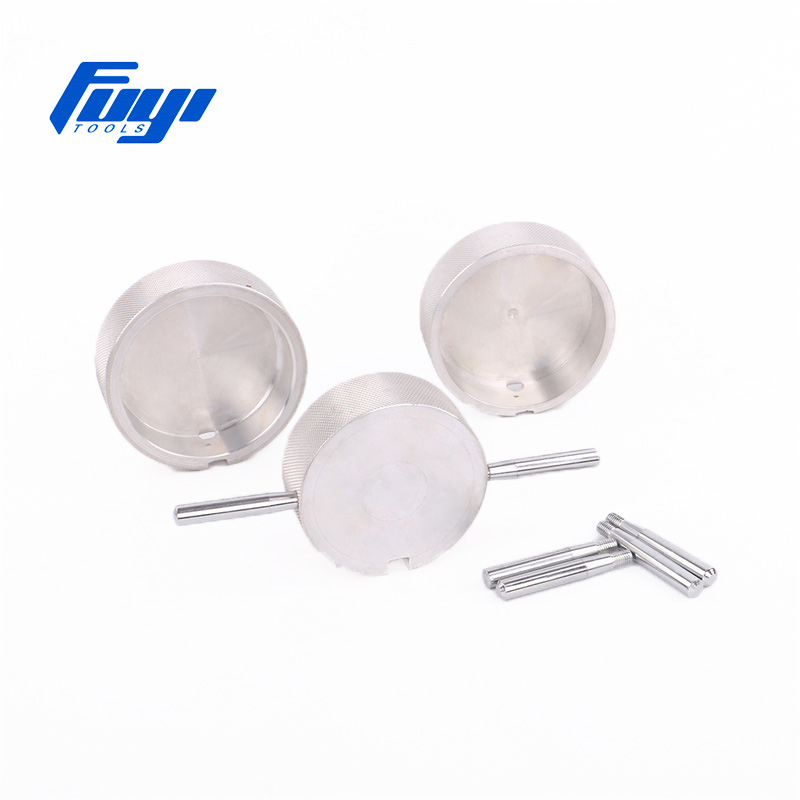 Metric Size Steel Chamfering Tools for Pipe PreparationMetric steel chamfering tools create precise 45-degree chamfers on pipe ends, aiding proper insertion into fittings. Available in sizes from 20mm to 110mm, they ensure clean surface preparation for reliable fusion.View Product →
- Cut the pipe with a sharp cutter designed for plastic, not a hacksaw, to avoid ragged edges.
- Chamfer the end with a metric or inch-size tool to match the fitting depth.
- Scrape the pipe surface immediately before welding for electrofusion connections, especially in acid service.
- Keep the surfaces clean: avoid handling the weld area with bare fingers.
Chamfering tools are simple, but the wrong angle can create a gap in the heat-fusion zone, which becomes a leak path in an acid line.
Weld Quality Control for Acid Piping
Acid piping technology is not just about choosing a chemically resistant polymer. A technically sound weld is what turns a material choice into a working system. Every job requires a documented process: check the pipe end, verify the fitting, confirm the machine temperature or current, and record weld parameters. In a corrosion-critical environment, a single weak joint can shut down a plant or create a safety hazard.
For contractors and distributors working with PP-R and HDPE acid lines, the right fusion equipment and pipe preparation tools are a direct investment in leak prevention. Invest in machines with predictable temperature control and in cutting and chamfering tools that produce clean, consistent pipe ends. Your acid system will perform reliably for years when the weld is made properly.
Related Products

 +86-158 6813 9123
 +86-571- 82432777
 [email protected]
 No.7 Yangguang Road, Linpu Industrial Area, Hangzhou City, Zhejiang Province, China
Copyright © 2024 Hangzhou Fuyi Tools Co., Ltd. All Rights Reserved.
|
