

 Eng
Eng  русский
 Español
Home / News / Industry News / Plastic Welding Machines: Choosing the Right PPR PE Pipe Fusion Equipment
Industry News
Sep 07,2026
Plastic Welding Machines: Choosing the Right PPR PE Pipe Fusion Equipment
On a pipe installation site, the quality of a fusion joint determines whether the system holds for decades or fails in the first year. For contractors working with PP-R and PE pipes, the plastic welding machine is not an accessory; it is the core tool that shapes joint strength, installation speed, and long-term reliability. Choosing the right machine starts with understanding the two dominant processes: socket fusion and electrofusion.
Why the Right Plastic Welding Machine Matters
PP-R (random polypropylene) and PE (polyethylene) pipes are joined by heating the materials to their fusion temperature and pressing them together. When the conditions are correct, the weld that forms is stronger than the pipe body itself. When the conditions are wrong, you get leaks, thinning walls, or complete joint failure.
Professional installers therefore focus on temperature stability, heating plate quality, and the machine's ability to work continuously through a long shift. A machine that fluctuates by 10 degrees or heats unevenly will produce inconsistent beads and callbacks. This is why machine selection has a direct impact on project cost, not only in the purchase price but in the labor, rework, and warranty risk that follow a bad joint.
Socket Fusion Welding Machines: The Standard for Small-Diameter Pipe
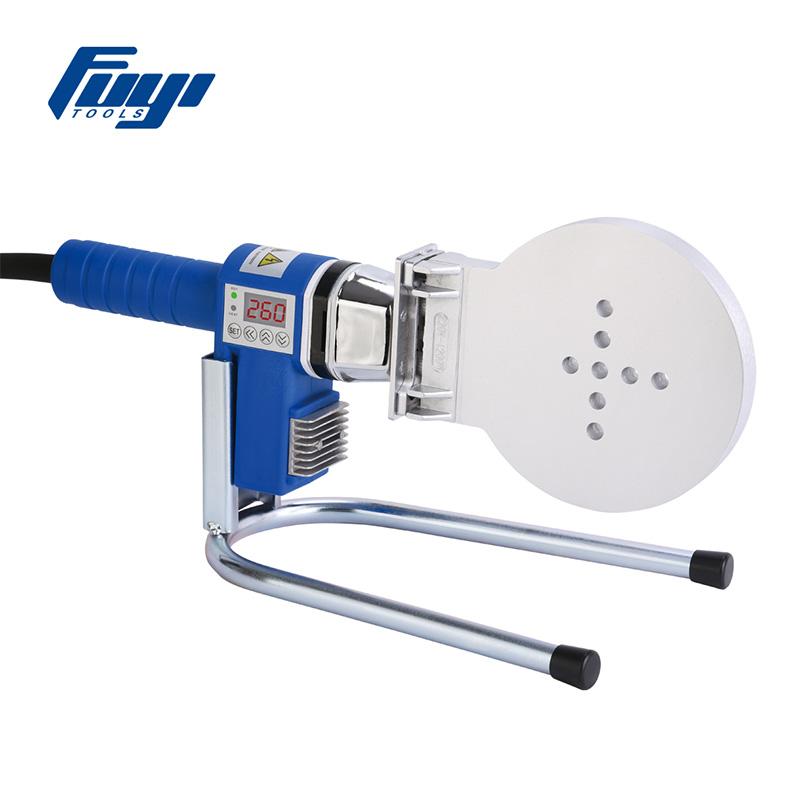
Socket fusion is the most widely used method for small-diameter PP-R and PE pipelines, typically in the 20 to 110 mm range. The machine heats a metal plate with interchangeable dies. One die heats the outside of the pipe end; the other heats the inside of the fitting socket. After the correct heating time, the operator removes the parts and presses them together to form a uniform bead.
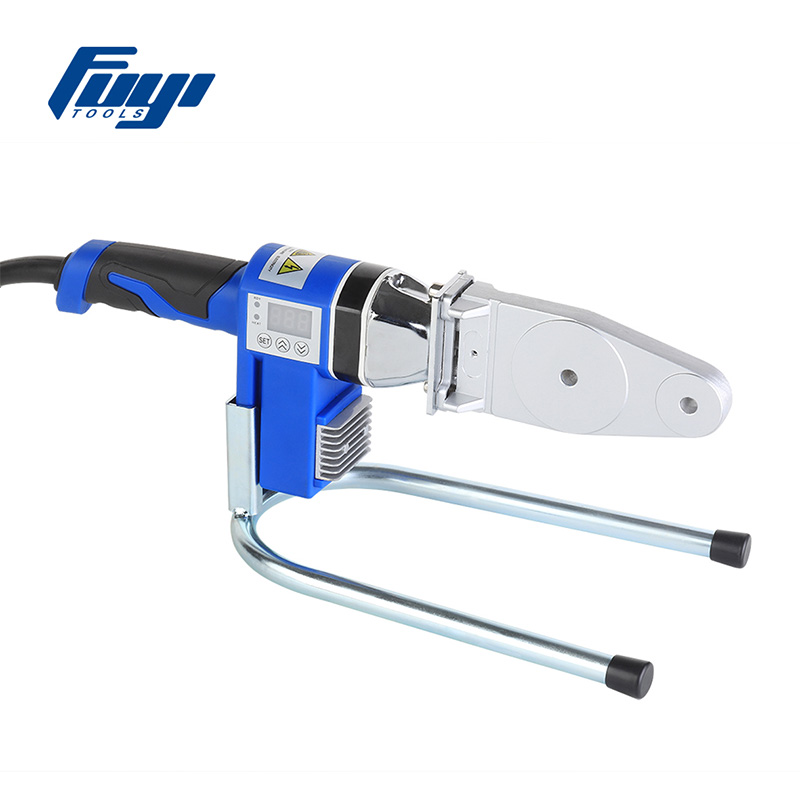
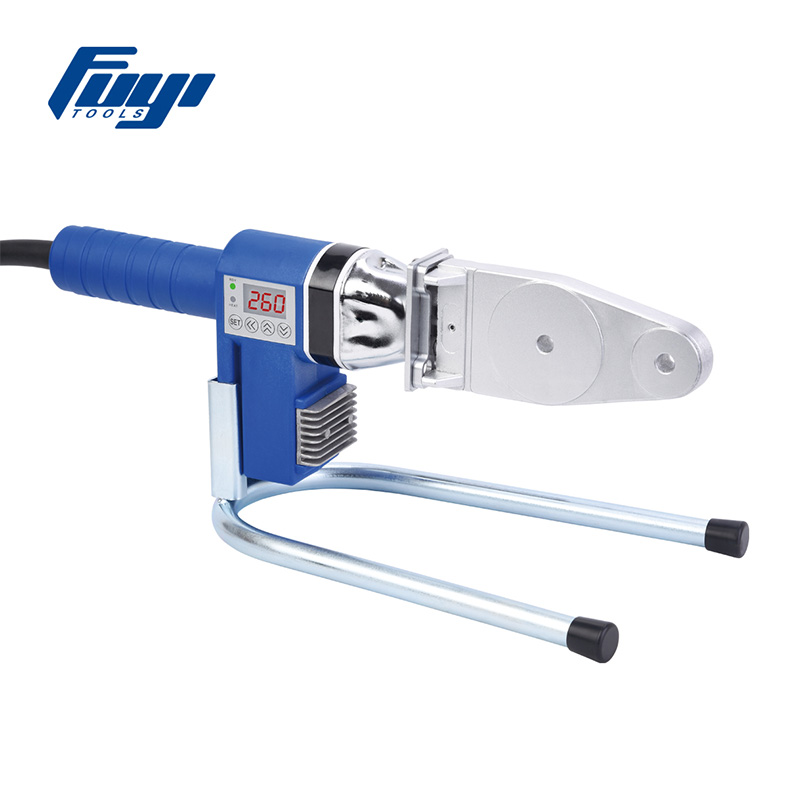
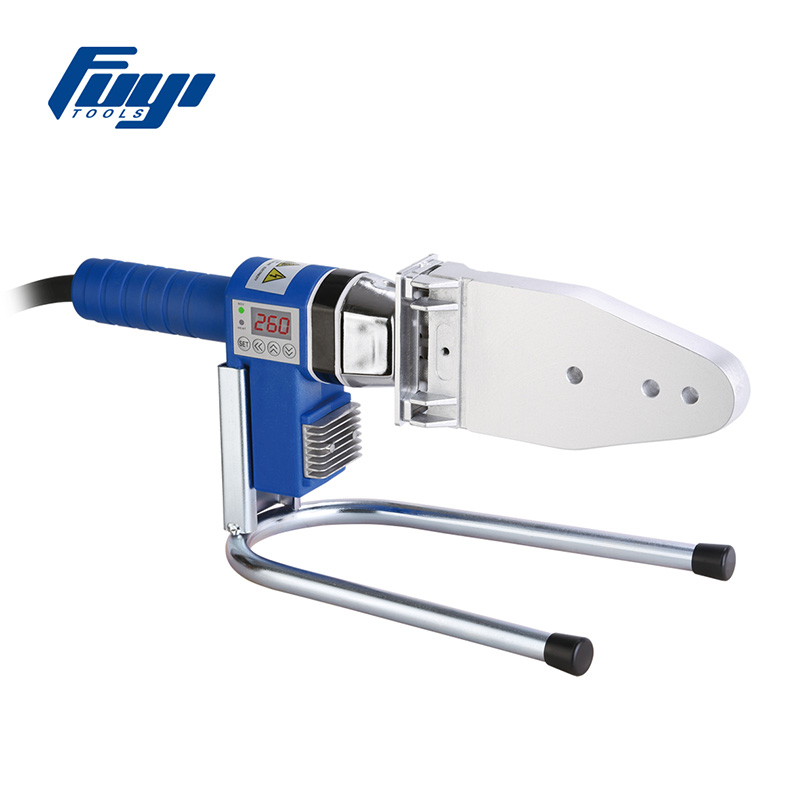
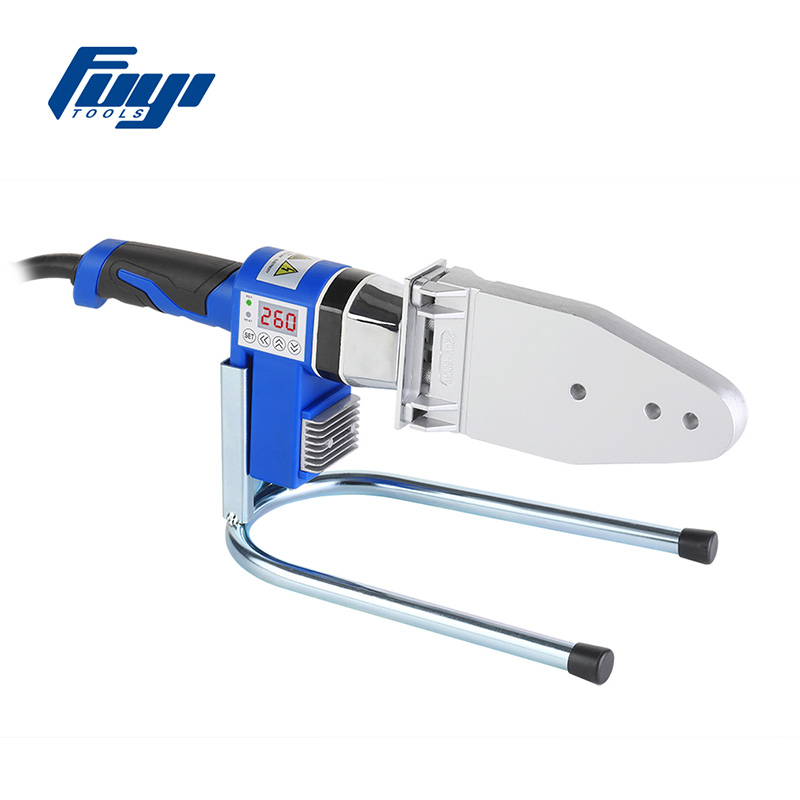
Two control approaches dominate this category. Constant-temperature machines hold the heating plate at a fixed working temperature, usually around 260°C, using a mechanical thermostat. They are simple, rugged, and well suited for crews that perform the same type of joint all day. A typical example is the FYF63 constant-temperature socket fusion welder, which covers 20-63 mm pipes and is a common choice for PP-R installation work because it combines basic reliability with a straightforward interface.
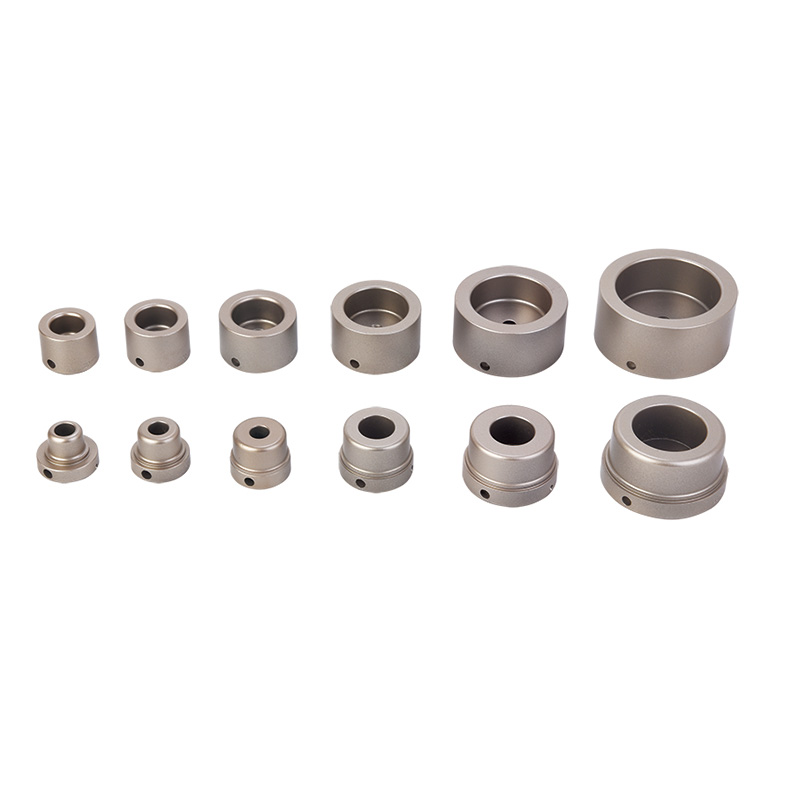 Custom FYF63 Constant Temperature Socket Plastic PPR Pipe Welder Suppliers, FactHangzhou Fuyi Tools Co., Ltd is China custom FYF63 Constant Temperature Socket Plastic PPR Pipe Welder suppliers and FYF63 Constant Tempe...View Product →
Do not overlook the difference between constant-temperature and digital models. Digital socket fusion machines use a temperature sensor and microprocessor to maintain the set point more precisely. They show the live temperature on an LED display and often include automatic heating-time prompts. For a contractor who welds different pipe sizes in one shift, a digital model such as the FYD63 digital socket fusion welding machine with LED window temperature display gives operators better visibility and reduces the risk of under- or over-heating.
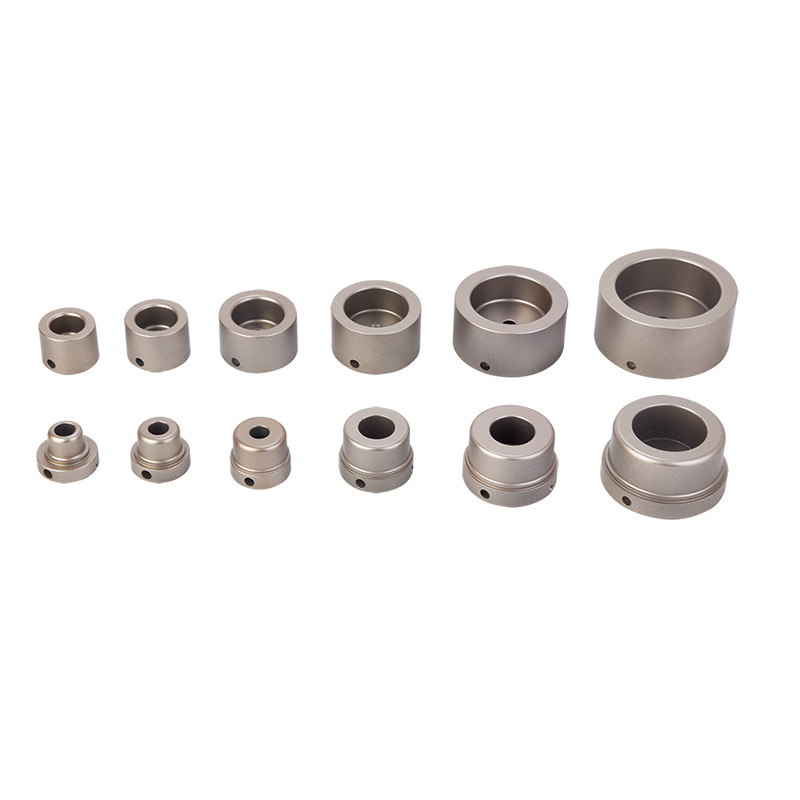 Custom FYD63 63mm PPR Digital Socket Fusion Welding Machine with LED Window TempHangzhou Fuyi Tools Co., Ltd is China custom FYD63 63mm PPR Digital Socket Fusion Welding Machine with LED Window Temperature Display sup...View Product →
Heating Time and Temperature Interaction
The fusion temperature for PP-R and PE is only one part of the equation. Heating time matters equally. Too little time means the pipe will not reach a properly molten state; too much time can deform the pipe or reduce the internal diameter. Always follow the machine supplier's time tables and adjust for ambient temperature and pipe wall thickness. A reliable machine with a stable heating plate makes this routine easier to manage.
Electrofusion Welding Machines for Larger Diameters and Tight Spaces
Electrofusion is the second major process. It uses a fitting with a built-in resistance wire. The welding machine sends current through the wire, which melts the interior surface of the fitting and the exterior surface of the pipe. When the melt cools, it forms a joint without moving heavy equipment. Electrofusion is preferred for large diameters (above 110 mm), for buried pipes, and for locations where the operator cannot rotate the pipe or fit a socket fusion tool.
Electrofusion machines come in two main configurations. Transformer-based units use a heavy mains transformer to deliver high current and are a good fit for fixed workshops or large-diameter projects where portability is not the priority. Inverter-based machines are lighter and control the welding cycle digitally. For field crews that move between sites, an inverter model like the 20-315 mm inverter electrofusion welding machine provides a compact power source while still handling a wide range of pipe diameters.
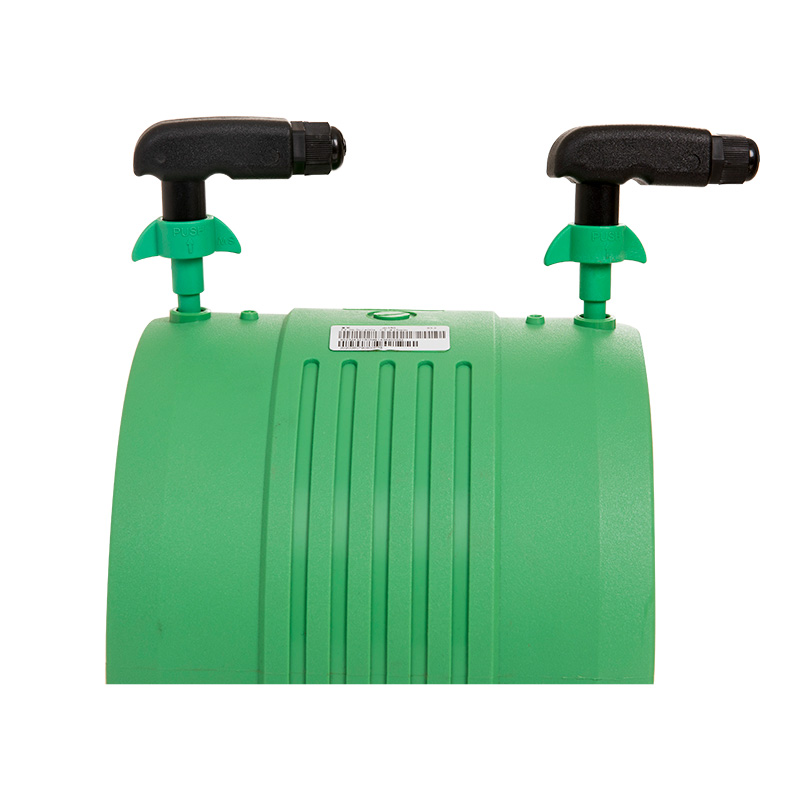 Inverter Electrofusion Welding Machine Suppliers, ManufacturersHangzhou Fuyi Tools Co., Ltd is China 20-315MM Inverter Electrofusion Welding Machine Manufacturers and Suppliers, offer custom 20-315MM ...View Product →
Using Electrofusion in Confined Work Areas
Trench work and pipe repair jobs often give you very little space to maneuver. Socket fusion requires straight axial movement, which is not always possible near a wall or under an existing structure. An electrofusion coupler can be installed with much less pipe movement, making it the safer choice for line stops, branch connections, and repair couplings. The machine only needs access to the fitting's terminals and enough space to press the start button.
How to Choose Between Socket Fusion and Electrofusion
Selecting between socket fusion and electrofusion depends on the pipe diameter, the working environment, and the operator's experience. Use the table below as a quick reference for typical site decisions.
| Factor | Socket Fusion | Electrofusion |
|---|---|---|
| Typical pipe range | 20-110 mm | 20-315 mm and larger |
| Equipment cost | Lower | Higher |
| Operator skill | Moderate | Higher, but barcode/process control helps |
| Workspace needs | Requires room to insert pipe | Works in tight trenches and confined spaces |
| Common applications | Indoor water supply, heating systems | Buried mains, repairs, large diameters |
This comparison is only the starting point. Pipe material, wall thickness, and working temperature all influence the machine specification. For a more detailed walk-through of digital models, see our guide on how to choose the right digital socket fusion welding machine for your project, which covers pipe range, power, and control features in practical terms.
When Each Process Makes Financial Sense
For a site that installs many small-diameter interior branches, socket fusion is faster and more economical. The machines are lighter, the dies are cheap, and the cycle is quick. For a site that joins large PE water or gas mains, electrofusion reduces labor risk and ensures a traceable, repeatable process. In renovation work, where the pipe cannot be moved easily, electrofusion is often the only practical method.
Supporting Tools That Protect Weld Quality
Even a well-chosen welding machine cannot compensate for poor preparation. The surface of the pipe must be clean, square, and free of contamination before fusion. Contractors who want repeatable joints typically use a set of supporting tools along with the machine.
- Plastic pipe cutters produce square, burr-free ends that fit neatly into the fitting socket.
- Chamfering tools create the necessary bevel on the pipe end, helping the pipe enter the fitting without scraping off melt.
- Electrofusion pipe scrapers remove the oxidized layer from PE pipes before electrofusion, which is essential for a strong bond.
- Cold ring pliers help expand or align pipes during repair and insertion work.
- Hole saws and measuring pads support branch connections and alignment checks.
These accessories are part of the complete welding workflow. A machine is only as good as the preparation that comes before it and the cooling discipline that follows it. As a manufacturer of fusion welding equipment and pipe installation tools, we build machines intended to handle that daily routine on real job sites.
What to Look for in a Plastic Welding Machine Supplier
Buying a plastic welding machine is a procurement decision, not just a tool purchase. The supplier's control system design, manufacturing quality, and export experience all affect consistency. Look for a manufacturer that can document stable temperature control and that offers a product line spanning both socket fusion and electrofusion, so you can standardize equipment across different projects.
Customization is another practical point. Some crews need specific voltage, plug types, or accessory kits. A supplier with in-house production and export experience is more likely to meet those requirements without long lead times. Ask about heating element durability, replacement die availability, and the documentation that comes with the machine.
At Hangzhou Fuyi Tools, this is the logic behind our product range. Our socket fusion and digital display machines, together with electrofusion equipment and a full set of cutting and preparation tools, cover the pipe joint process from start to finish. We ship to crews in Europe, Russia, the Americas, and Asia, and we design products to withstand daily professional use.
The right plastic welding machine is the one that matches your pipe range, your site conditions, and your crew's skill level. Choose based on temperature control and durability, not just price. If you understand the two fusion methods and the tools that support them, you will be in a much better position to avoid leaks, reduce rework, and keep your installation schedule on track.
Related Products

 +86-158 6813 9123
 +86-571- 82432777
 selena.zhong@fuyitools.com
 No.7 Yangguang Road, Linpu Industrial Area, Hangzhou City, Zhejiang Province, China
Copyright © 2024 Hangzhou Fuyi Tools Co., Ltd. All Rights Reserved.
|
