

 Eng
Eng  русский
 Español
Home / News / Industry News / SDR17 HDPE Pipe Explained: Dimensions, Pressure Ratings, and Fusion Joining
Industry News
Oct 12,2026
SDR17 HDPE Pipe Explained: Dimensions, Pressure Ratings, and Fusion Joining
When a PE100 pipe arrives on site with SDR17 printed on the barrel, the number is not a material grade or a pressure class. It is the Standard Dimension Ratio that fixes the relationship between the pipe's outside diameter and its wall thickness. For SDR17, that ratio is 17:1: a 110 mm pipe carries a wall of about 6.5 mm, and in PE100 it is rated for 10 bar nominal pressure. The practical consequence for installers and specifiers is simpler: an SDR17 line rarely fails through the pipe wall. When it fails, it fails at a fusion joint. That is why joint quality, and the equipment that produces it, deserves as much attention as the SDR number itself.
What SDR17 Means in Pipe Design
Standard Dimension Ratio is a dimensionless number calculated by dividing the outside diameter of the pipe by its minimum wall thickness. Because the ratio stays constant across all diameters, one SDR class covers a whole range of pipe sizes while keeping the same pressure-carrying capacity. In the SDR system, a higher ratio means a thinner wall relative to the outside diameter, so SDR17 sits between the heavier SDR11 and the lighter SDR21 and SDR26 classes.
For PE100, SDR17 pipes are normally rated PN10 (10 bar for water at 20 °C); for PE80 material, the same geometry is rated PN8. These ratings define the safe operating envelope of the pipe network. The nominal values assume clean water and a 50-year service life, so they include a substantial safety margin for real-world installation conditions.
| Nominal outside diameter (mm) | Calculated SDR17 wall thickness (mm) | Typical pressure rating (PE100) |
|---|---|---|
| 63 | 3.7 | PN10 |
| 90 | 5.3 | PN10 |
| 110 | 6.5 | PN10 |
| 160 | 9.4 | PN10 |
| 200 | 11.8 | PN10 |
| 315 | 18.5 | PN10 |
Because the ratio is constant, a 315 mm SDR17 pipe and a 63 mm SDR17 pipe have the same theoretical pressure capacity. What changes with size is the wall area, the weight per metre, and the practical joining method — which is why an SDR17 specification must be matched by an equally disciplined installation plan.
SDR17 vs SDR11: What the Ratio Changes
Most PE pipe procurement decisions come down to a choice between SDR17 and SDR11, because these are the two ratios that dominate water and sewer specifications. The short version is this: SDR11 gives more wall thickness and a higher pressure rating; SDR17 gives more flow area and a lower material cost. For a long pipeline, the difference in cost per metre can be decisive, but only if the lower pressure rating is acceptable for the operating conditions.
| Property | SDR17 (PE100) | SDR11 (PE100) |
|---|---|---|
| Wall thickness relative to OD | OD / 17 | OD / 11 |
| Nominal pressure rating, water 20 °C | PN10 | PN16 |
| Nominal pressure rating, PE80 | PN8 | PN12.5 |
| Internal cross-section per OD | Larger | Smaller |
| Weight per metre | Lower | Higher |
| Material cost per metre | Lower | Higher |
| Resistance to point loads and impact | Lower | Higher |
The structural difference also affects handling. With the thinner SDR17 wall, a sharp stone in the trench bedding, careless backfill, or a hard drop during unloading can stress or dent the pipe more easily than SDR11. This does not mean SDR17 is a fragile product; it means trench preparation and careful handling are part of the specification. Contractors who bury SDR17 in rock-filled trenches without sand bedding will see the result as out-of-roundness and point-load deformation long before the line is pressurised.
Where SDR17 Is the Right Specification
SDR17 is chosen where the design pressure stays at or below 10 bar and external loading is moderate. That makes it the default for a wide range of municipal and industrial pipe networks:
- Gravity sewer and stormwater lines, where internal pressure is near zero and the main requirement is surviving installation loads.
- Water distribution mains and rural supply networks operating at moderate, stable pressures.
- Irrigation mains and agricultural supply lines, where long runs make the material savings significant.
- Industrial process water and cooling water circuits with controlled pressures and non-aggressive media.
- Open-trench and directional-bore projects where the design engineer has confirmed that PN10 capacity is sufficient.
The economic logic is straightforward: for the same outside diameter, SDR17 uses less polymer, weighs less, and provides a slightly larger internal bore. On a long pipeline, the combined saving in pipe material, freight, and handling can be substantial — which is exactly why SDR17 is the workhorse class for moderate-pressure PE systems.
Fusion Joining: Where an SDR17 System Is Won or Lost
A thin-walled SDR17 pipe is a good conduit, but a pipeline is only as strong as its joints. PE pipe is joined by melting and re-solidifying the polymer at the interface; a properly made fusion joint has no adhesive, seal, or gasket. Two methods dominate SDR17 installations. Socket fusion is used mainly for small bores in PP-R/PE pipe systems, typically from 20 mm up to around 110 mm. Electrofusion is used for mid-size to large mains, where the coupler or fitting wraps around the prepared pipe ends.
Socket fusion demands three things: clean surfaces, square-cut pipe ends, and a heating tool that holds a stable melt temperature. The pipe end and the inside of the fitting socket are heated against the same heater faces, then withdrawn and pushed together to form a visible double bead. Cut the pipe poorly, chamfer it inconsistently, or pull the joint apart before it cools, and weld quality drops even though the SDR17 pipe itself is perfectly sound.
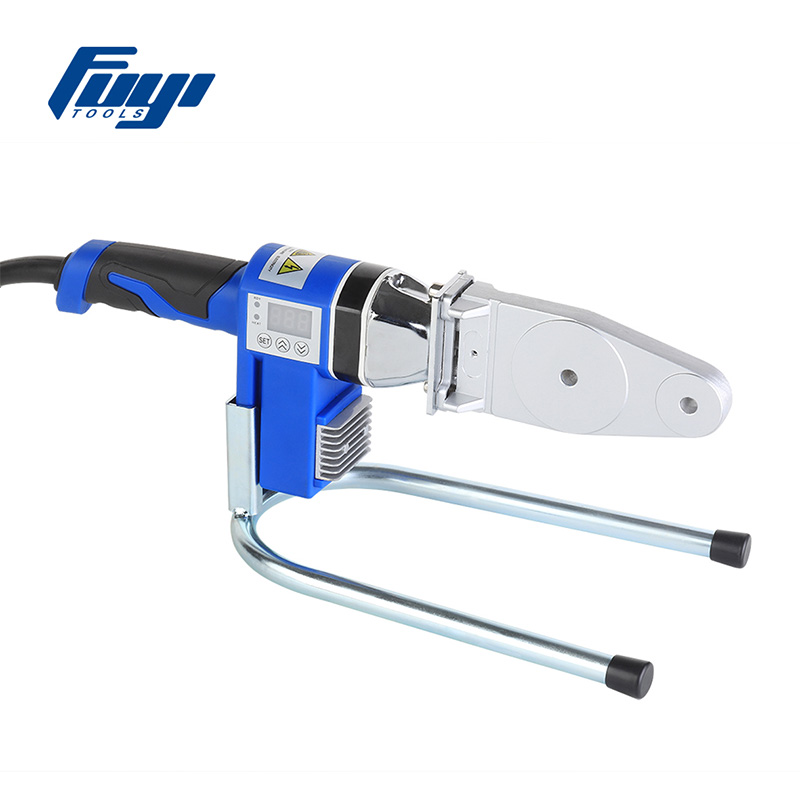
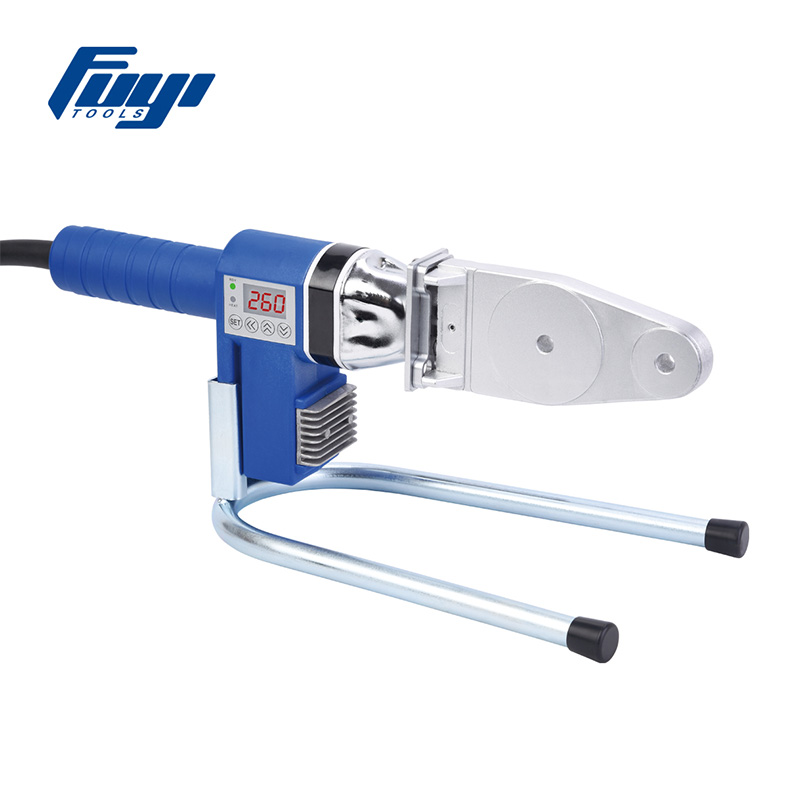
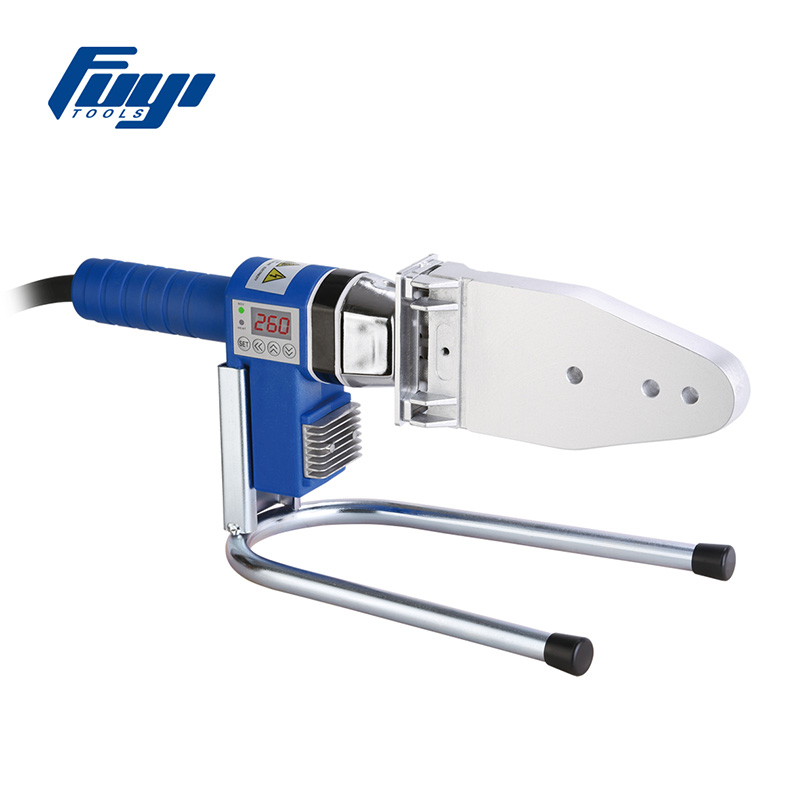
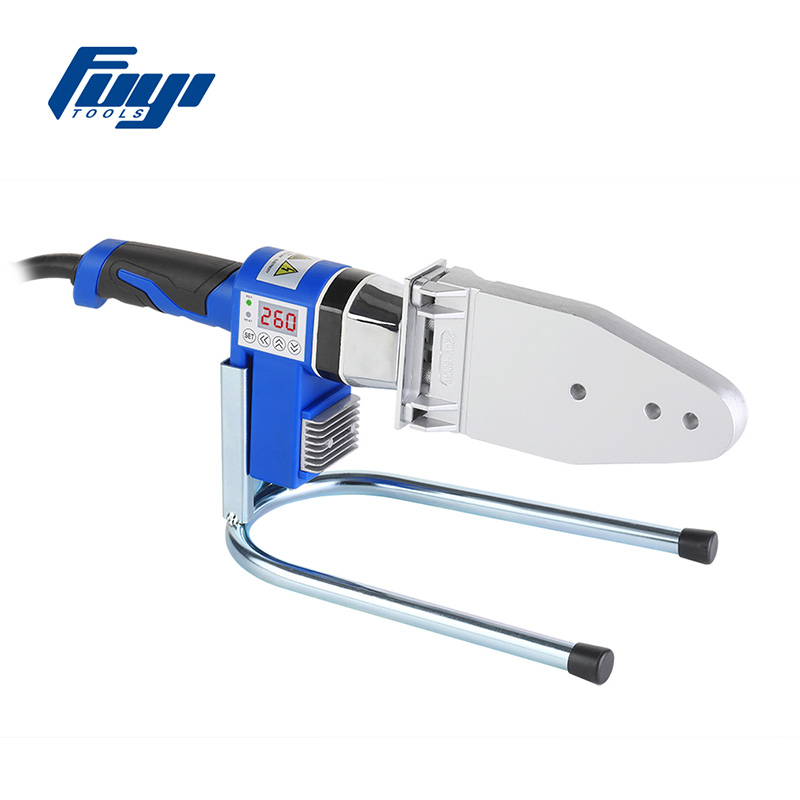
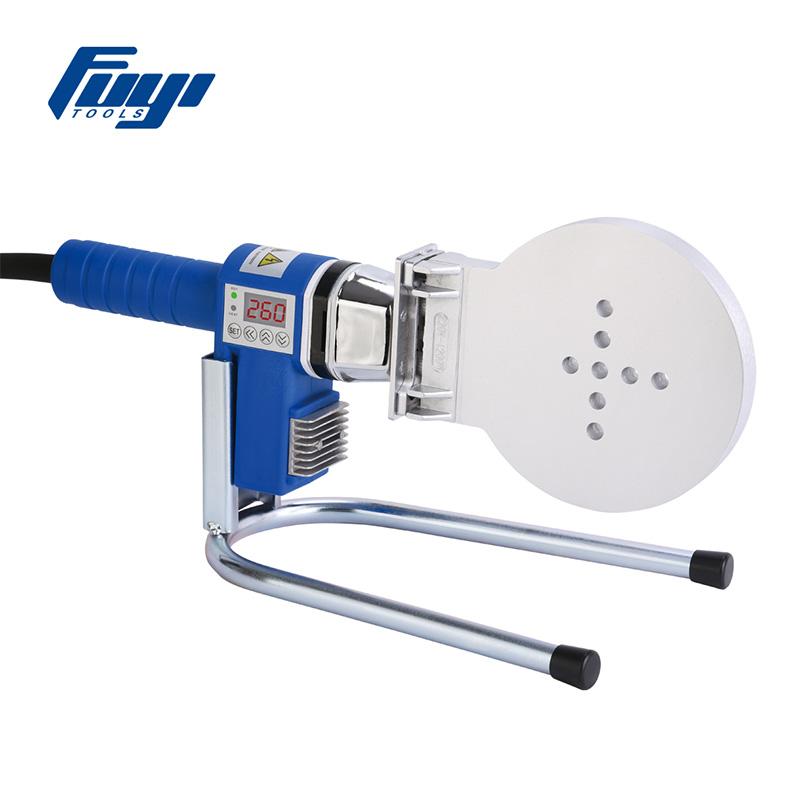
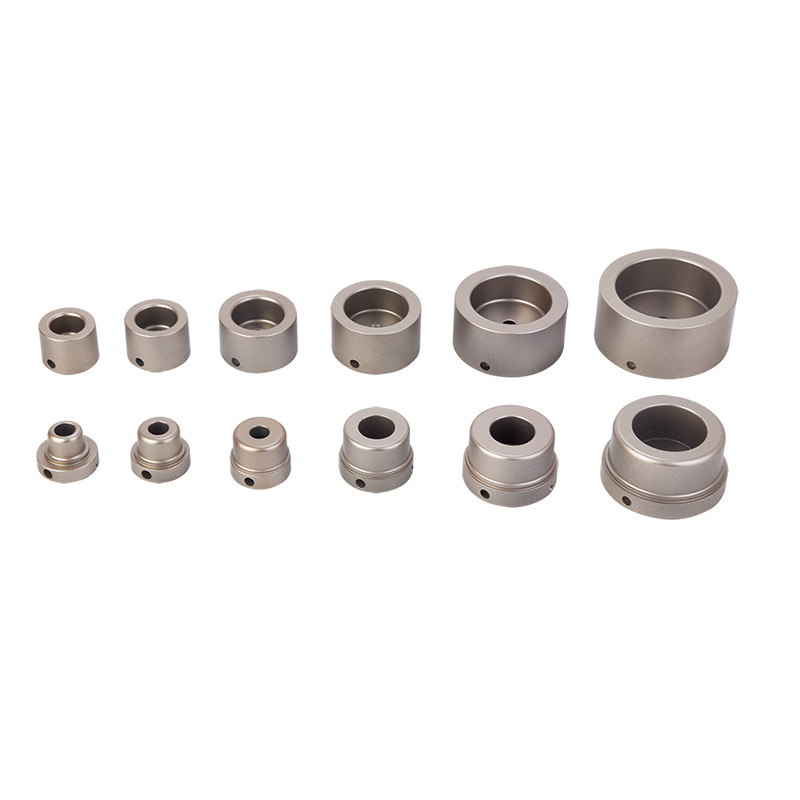 FYD63 63mm PPR Digital Socket Fusion Welder with LED Temperature DisplayThis 63mm digital socket fusion machine shows actual heater-face temperature on an LED display, reducing guesswork. It suits common PP-R/PE fittings on SDR17 branch lines and helps operators produce consistent, pressure-tight joints.View Product →
A digital-display socket fusion machine removes much of the guesswork, because the operator reads the actual heater-face temperature instead of relying on a thermostat dial of uncertain accuracy. A 63 mm-class digital machine covers the most common small-diameter range and suits the PP-R/PE fittings used on SDR17 branch lines. The procedure sequence — cut, chamfer, heat, join, cool — is exactly the same whether you work at 20 mm or 160 mm. Contractors who follow the best practices for a strong, leak-free socket fusion weld consistently produce joints that survive pressure testing on the first attempt.
Electrofusion is a different process with a different discipline. The prepared pipe ends are inserted into an electrofusion coupler with resistance wire embedded in its inner surface; the machine sends a controlled current through the wire, melting the surrounding polymer so the pipe and coupler fuse into one piece. The most common cause of a failed electrofusion joint is not the machine voltage or the coupler quality — it is an unprepared pipe surface. PE pipes form a thin oxide layer that prevents proper fusion bonding, and in the field the surface is often contaminated with dirt, grease, or masonry dust. If that layer is not removed, the joint can pass a visual inspection and fail months later under pressure.
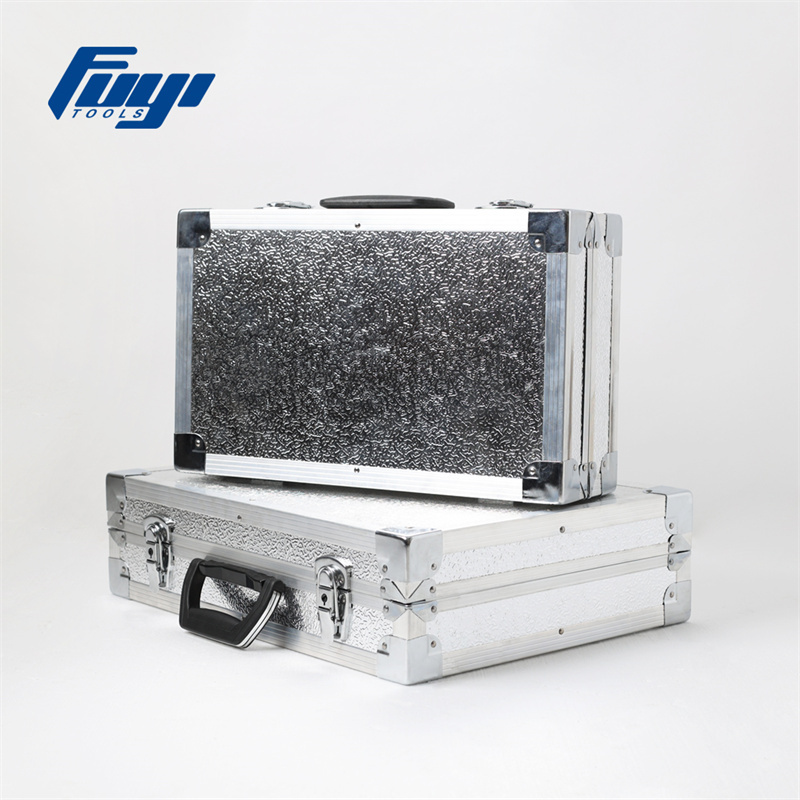 FYEPS400 Electrofusion Pipe Scraper for HDPE Pipe Surface PreparationProper surface preparation is essential for electrofusion joints. This scraper uniformly removes the oxide layer without weakening thin SDR17 walls, reducing the risk of joint failure under pressure. A reliable tool for every electrofusion job.View Product →
That is why an electrofusion pipe scraper belongs in every toolbox for SDR17 welding. A well-made scraper removes the oxide layer uniformly around the circumference without digging deep enough to weaken the wall — a real risk on a thin-walled SDR17 pipe if someone improvises with coarse abrasive paper. Under the 10-bar rating that SDR17 PE100 permits, joint integrity cannot be taken for granted.
The electrofusion machine itself must deliver a stable, repeatable welding cycle. Inverter-style machines are lighter and more portable for site work, while transformer-style machines are preferred for heavy continuous use. Matching the machine to the diameter range is just as important: a unit rated only to 63 mm has no place on a 200 mm SDR17 main, and an oversized machine wastes energy and time on small branch connections.
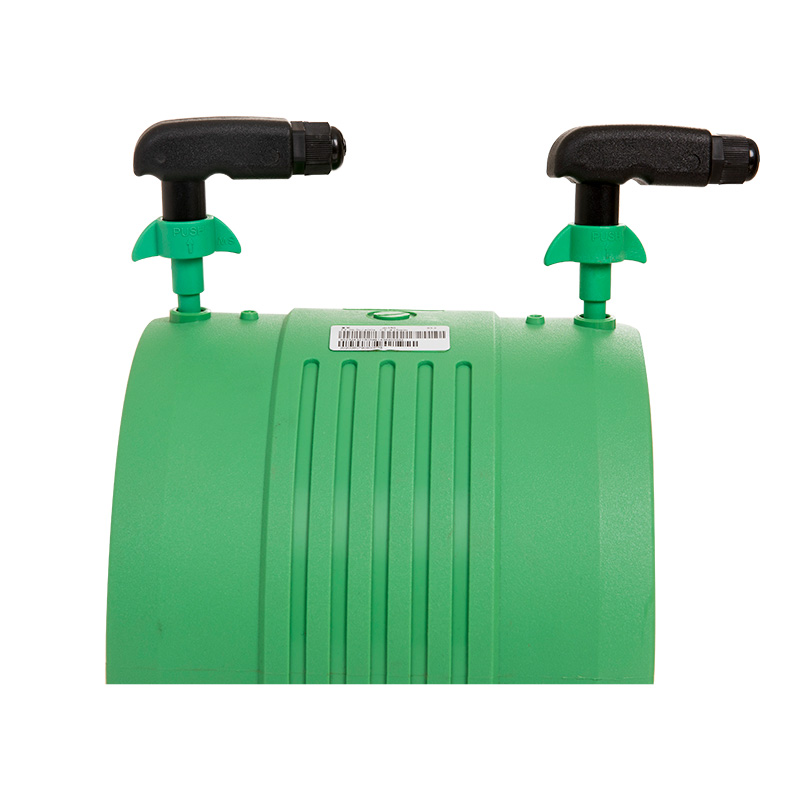 20-315MM Inverter Electrofusion Welding Machine for Plastic Pipe JoiningThis inverter-style electrofusion machine covers a wide pipe diameter range from 20 to 315 mm, making it versatile for SDR17 mains and branch connections. Its portable design suits site work while delivering stable, repeatable welding cycles.View Product →
Manufacturers with long export experience, such as Hangzhou Fuyi Tools, offer a complete pipe joining equipment range, from socket fusion and electrofusion machines to cutters, scrapers, and chamfering tools — so the entire welding workflow stays consistent. A compact inverter machine rated from 20 mm to 315 mm covers nearly every SDR17 main and branch connection encountered on a typical site.
Specifying SDR17 is the easy part; delivering an SDR17 installation that stays leak-free for decades is an installation discipline. Confirm that the pipe grade and pressure rating match the design, cut and chamfer ends accurately, scrape the pipe before electrofusion, and use a welding machine with dependable temperature or cycle control. When those steps are handled consistently, SDR17 performs exactly as the ratio promises: a reliable, cost-effective pressure pipe for moderate-duty water and sewer networks.
Related Products

 +86-158 6813 9123
 +86-571- 82432777
 selena.zhong@fuyitools.com
 No.7 Yangguang Road, Linpu Industrial Area, Hangzhou City, Zhejiang Province, China
Copyright © 2024 Hangzhou Fuyi Tools Co., Ltd. All Rights Reserved.
|
