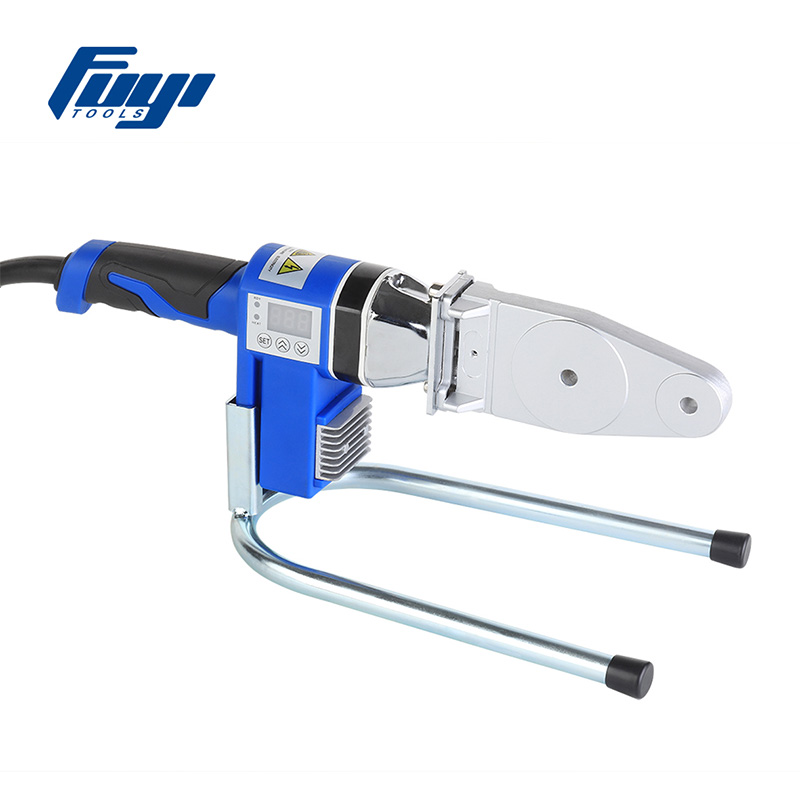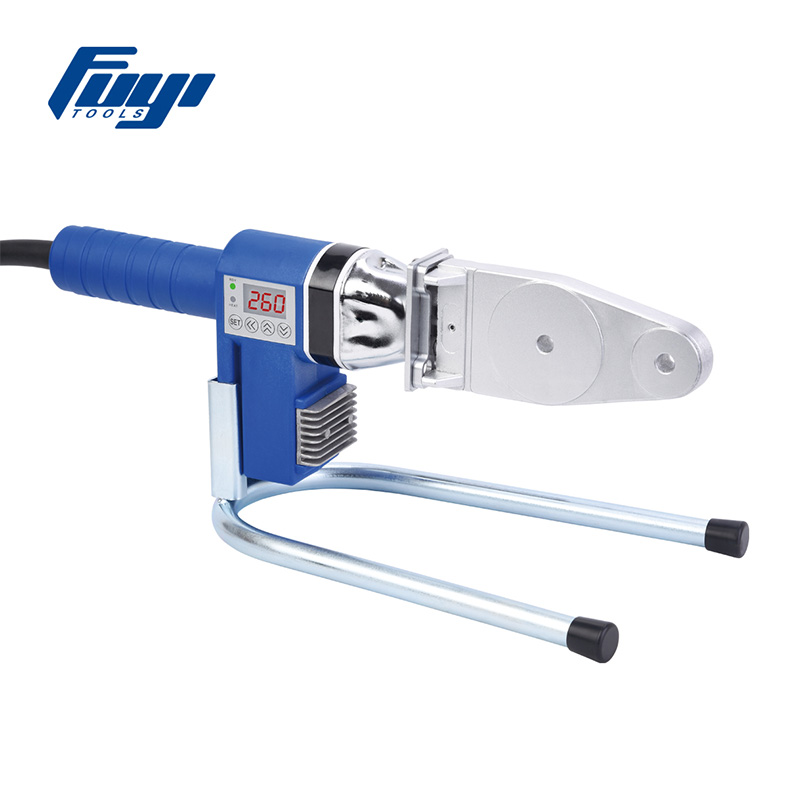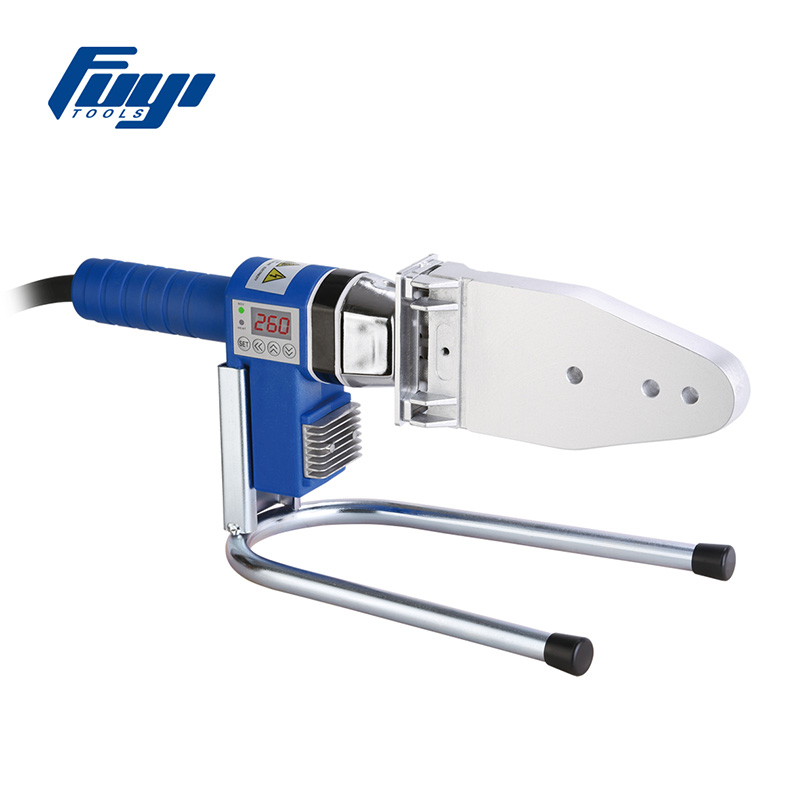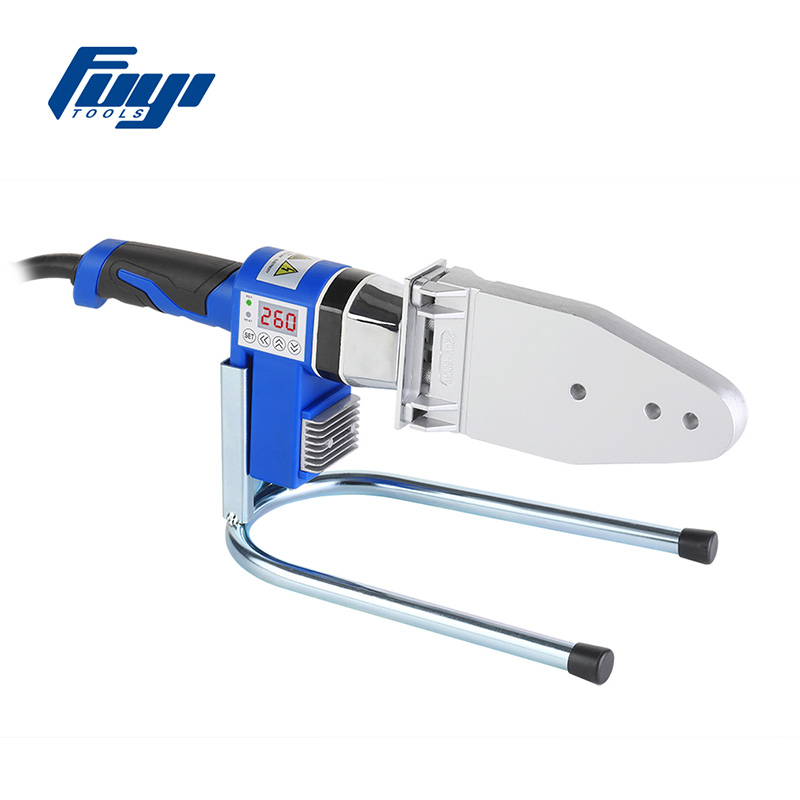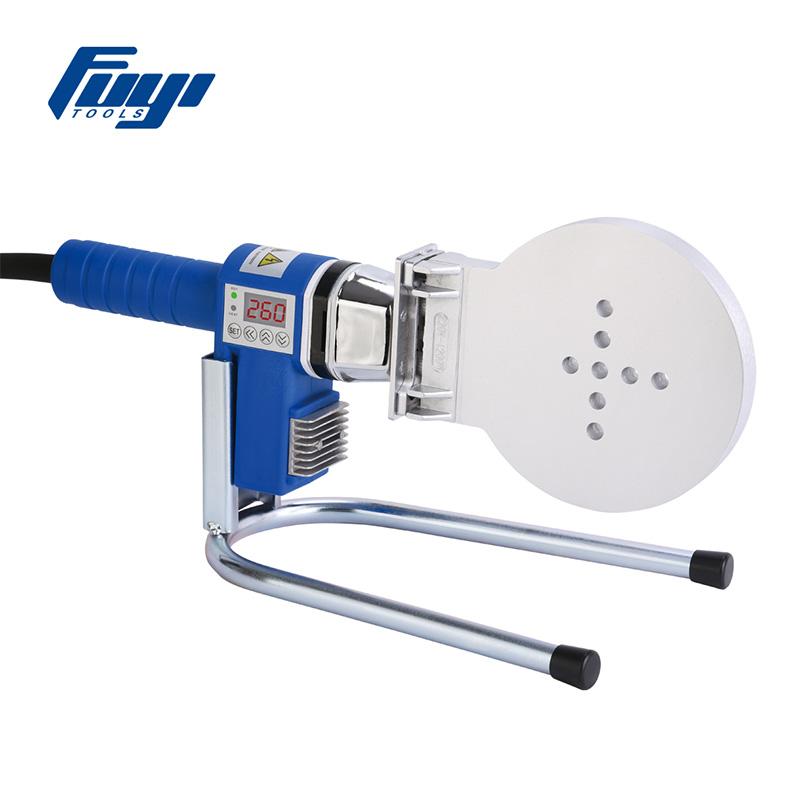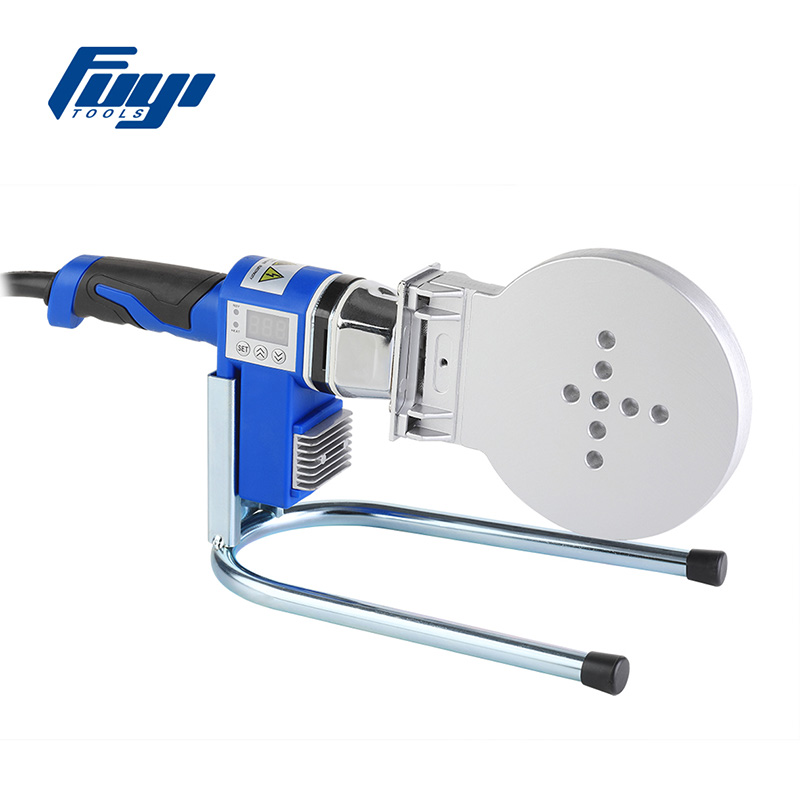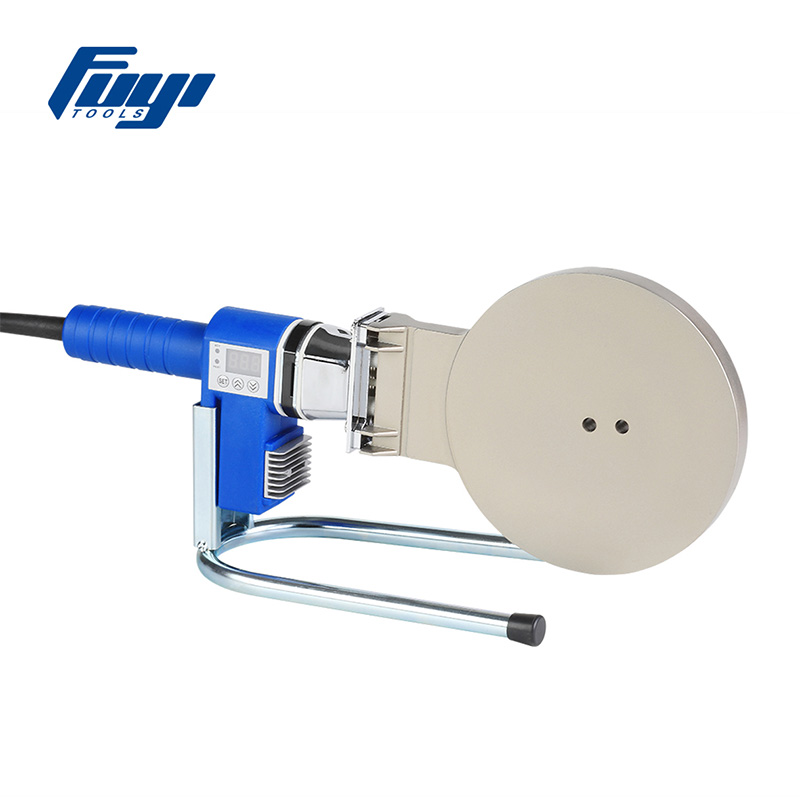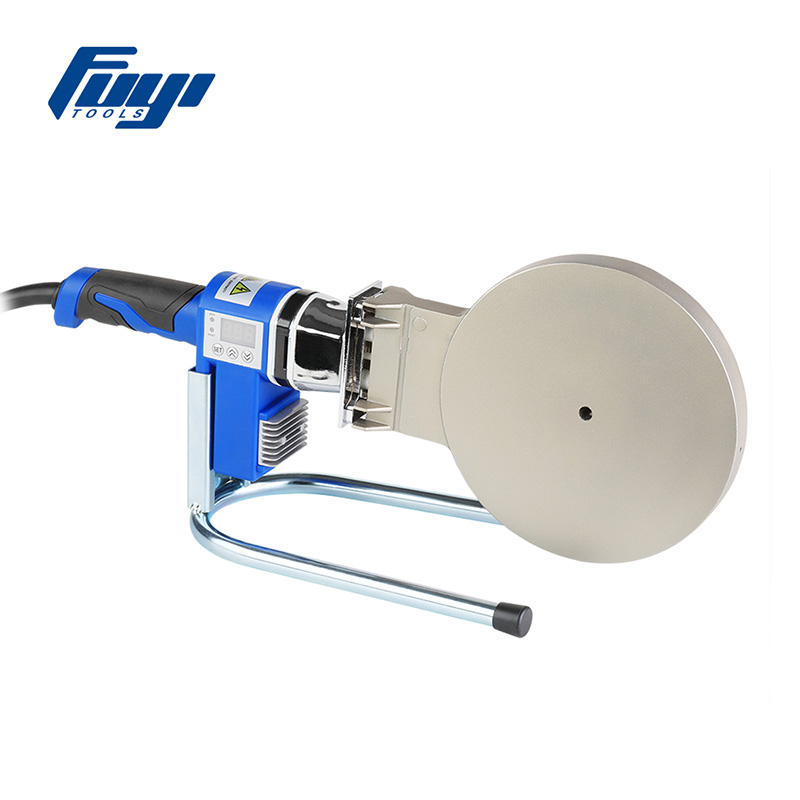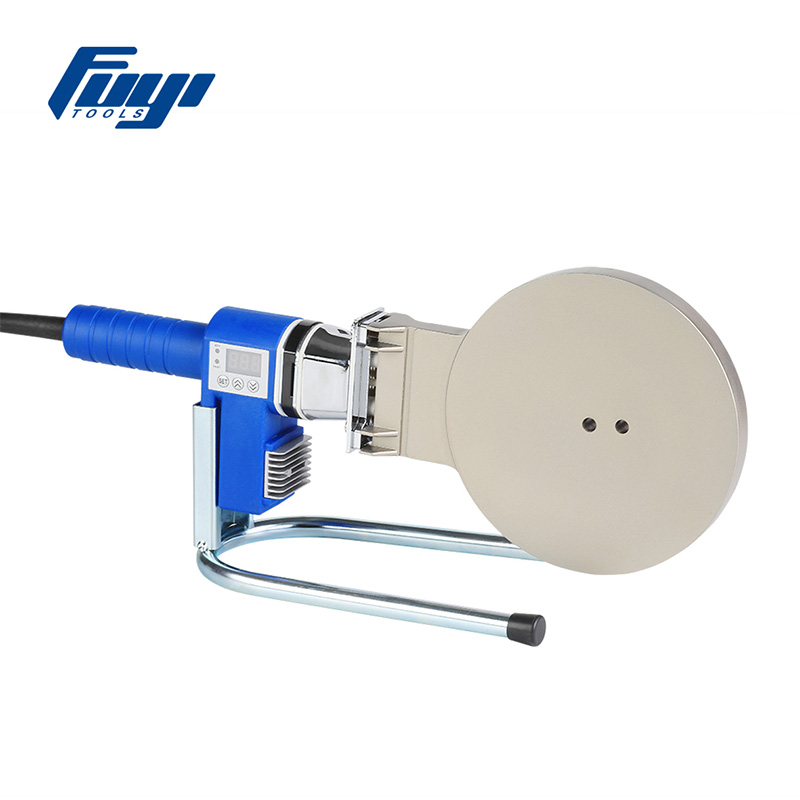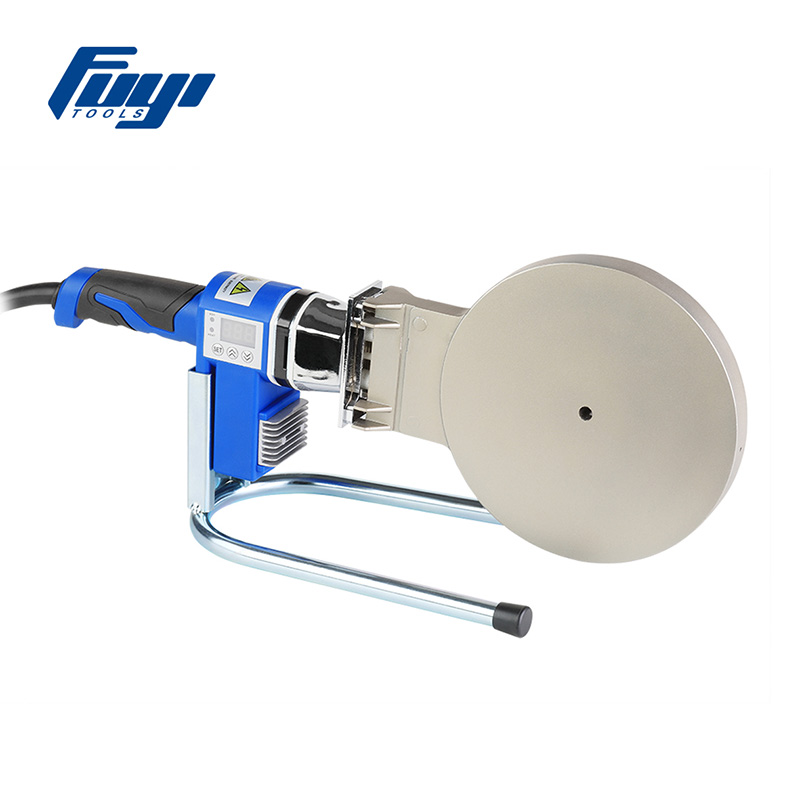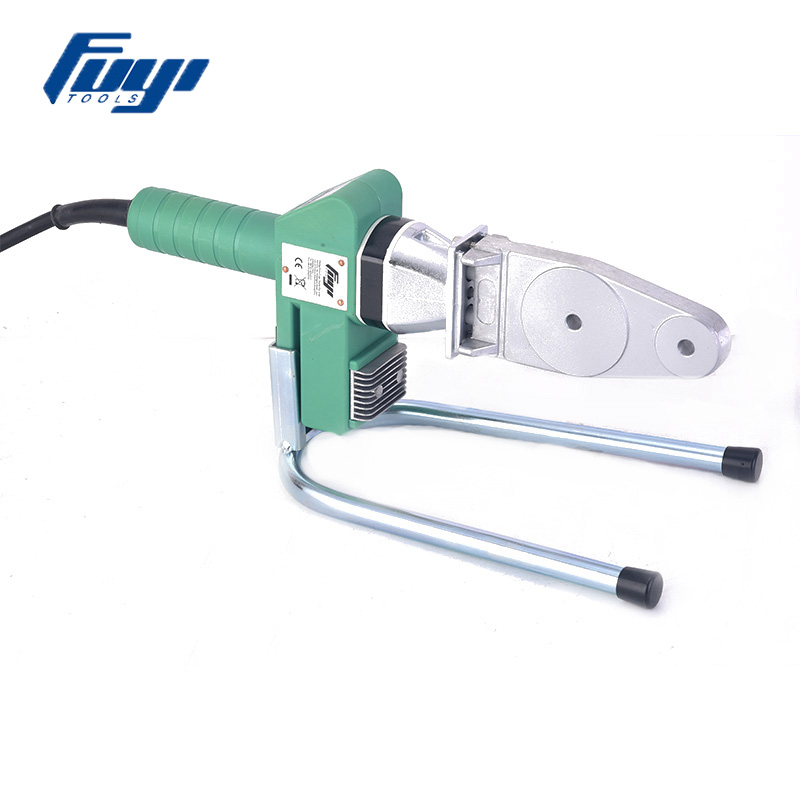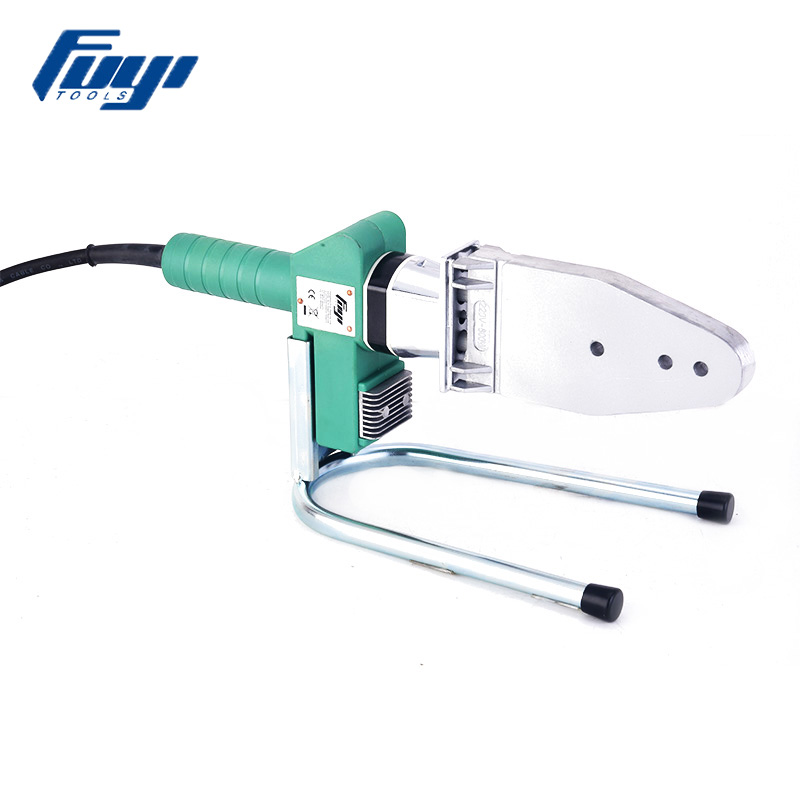
A socket fusion welding machine is a thermal joining tool used to permanently connect thermoplastic pipes and fittings — most commonly PPR, HDPE, and PVDF — by simultaneously heating both the pipe spigot and the fitting socket, then pressing them together to form a molecular-level bond. The result is a joint as strong as or stronger than the pipe itself, with zero mechanical fasteners, no adhesives, and no leak paths. This article explains exactly how the process works, what the machine consists of, and where it is used across industries.
Socket fusion welding works by heating two mating thermoplastic surfaces to their melt temperature, then joining them under controlled pressure before they cool. The process relies on polymer chain interdiffusion — when two molten thermoplastic surfaces contact each other, their molecular chains interlock and fuse as the material solidifies, creating a homogeneous joint.
The standard process follows four precise stages:
Deviation from these time parameters is the primary cause of joint failure. Under-heating results in insufficient melt depth; overheating causes material degradation and collapsing of the socket bore, both of which compromise joint integrity.
A complete socket fusion welding machine consists of several interdependent components. Understanding each one helps operators select the right equipment and identify failures quickly.
The heating plate is the core of the machine — an aluminum or cast-iron plate with embedded electrical resistance elements. It maintains a precise surface temperature, typically between 250°C and 270°C for PPR, and 220°C–230°C for HDPE. Quality machines use a PID (proportional-integral-derivative) controller to hold temperature within ±5°C, which is critical for consistent weld quality across an entire workday.
The heating surface is coated with PTFE (polytetrafluoroethylene) to prevent molten plastic from adhering to the tool and contaminating subsequent welds.
Interchangeable male (spigot) and female (socket) dies mount onto the heating plate and correspond to specific pipe diameters. Dies are manufactured to tight tolerances — typically ±0.1mm — to ensure the correct melt depth and interference fit during joining. Most machine kits include dies ranging from 20mm to 63mm for manual machines, with hydraulic machines covering up to 160mm or larger.
Dies must be replaced when their PTFE coating wears through, as bare metal causes plastic adhesion that leads to material tears and joint contamination.
Handheld socket fusion tools are used for small-diameter work up to approximately 40mm. For larger diameters, a bench-mounted or floor-standing frame holds the pipe and fitting aligned during heating and joining, preventing the angular misalignment that causes weak joints. A pipe vise or clamp mechanism ensures the pipe axis stays true throughout the process.
Standard machines operate on 230V / 50Hz or 110V / 60Hz single-phase power, with heating elements rated between 650W and 2,000W depending on machine size. A ready indicator light or digital display confirms when the heating plate has reached operating temperature — typically within 8–15 minutes of startup. Professional machines include overheat protection circuits that cut power if the plate exceeds safe limits.
| Component | Function | Key Specification |
|---|---|---|
| Heating Plate | Melts pipe and fitting surfaces | 250°C–270°C (PPR); PTFE-coated |
| PID Temperature Controller | Maintains stable heat | ±5°C accuracy |
| Socket / Spigot Dies | Shapes melt to correct geometry | ±0.1mm tolerance; size-specific |
| Pipe Vise / Frame | Ensures axial alignment | Required for diameters >40mm |
| Power / Indicator System | Powers element; signals readiness | 650W–2,000W; 8–15 min warmup |
Socket fusion welding is not a one-size-fits-all process. Each thermoplastic material has a distinct melt temperature range, and using the wrong settings results in either under-fused or degraded joints. The machine must be configured for the specific material being welded.
| Pipe Material | Welding Temperature | Typical Application | Max Working Pressure |
|---|---|---|---|
| PPR (Polypropylene Random) | 260°C ± 10°C | Hot/cold water plumbing, HVAC | Up to 25 bar (at 20°C) |
| HDPE (High-Density PE) | 220°C–230°C | Water mains, gas distribution | Up to 20 bar |
| PVDF (Polyvinylidene Fluoride) | 230°C–260°C | Chemical process, semiconductor | Up to 16 bar |
| PP-H (Polypropylene Homopolymer) | 260°C ± 10°C | Industrial chemical piping | Up to 10 bar |
Socket fusion machines are available in three main configurations, each suited to different pipe sizes and production environments.
Designed for pipe diameters from 20mm to 40mm, handheld tools are the most widely used type in plumbing and building services. An operator holds the heating plate in one hand while simultaneously pushing the pipe and fitting onto the dies. They are lightweight (typically 0.8–1.5 kg), portable, and cost between $30 and $200 for professional-grade kits. Speed of operation depends entirely on operator technique, making training important for consistent weld quality.
Used for diameters from 50mm to 110mm, these machines mount the heating plate on a fixed stand with sliding carriages that guide the pipe and fitting onto the dies under controlled, even force. This reduces human error in alignment and heating force — both common failure points at larger diameters. Machines in this category typically cost $300–$1,500 and are standard equipment in pipe prefabrication workshops.
For large-diameter thermoplastic pipe from 90mm to 160mm or beyond, hydraulic machines use powered rams to apply precise joining force. Manual pressure at these diameters is inconsistent and physically demanding; hydraulic actuation ensures the joint is made with uniform force every time. These machines are used in municipal water infrastructure, industrial plant construction, and large-scale irrigation projects. Pricing ranges from $2,000 to $8,000+ depending on diameter capacity and automation level.
Socket fusion welding machines are used wherever thermoplastic piping systems must deliver leak-free, long-service-life performance. The following are the most significant application areas.
PPR pipe joined by socket fusion is the dominant technology for hot and cold water distribution in residential buildings across Europe, the Middle East, and Asia. A properly made socket fusion joint in PPR can withstand continuous operating temperatures of 70°C at 10 bar and intermittent temperatures up to 95°C, making it suitable for both domestic hot water and underfloor heating circuits.
PVDF and PP-H piping systems joined by socket fusion are used in chemical plants, semiconductor fabrication facilities, and pharmaceutical manufacturing where metal piping would corrode or contaminate the process fluid. PVDF in particular is resistant to aggressive chemicals including chlorine, acids, and solvents, and socket fusion joints maintain full chemical resistance without introducing gasket materials or thread sealants that could leach into the flow stream.
HDPE pipe joined by socket fusion (for smaller diameters) or butt fusion (for larger mains) is widely used in potable water distribution, sewage systems, and agricultural irrigation networks. The joint's full-bore flow path — no internal protrusions from fittings — minimizes pressure loss and prevents sediment buildup, a key advantage over flanged or threaded alternatives in long-run underground pipelines.
PPR and PE-RT (polyethylene of raised temperature resistance) piping joined by socket fusion is increasingly used in HVAC chilled water loops and fan coil unit connections in commercial buildings. The joints are maintenance-free, corrosion-proof, and thermally efficient — properties that make them preferable to copper or carbon steel in modern building mechanical systems.
Socket fusion is one of three primary thermoplastic pipe welding methods. Choosing the right process depends on pipe diameter, site conditions, and joint accessibility.
| Method | Typical Diameter Range | Speed | Best Use Case |
|---|---|---|---|
| Socket Fusion | 20mm–160mm | Fast (seconds per joint) | Building plumbing, small industrial lines |
| Butt Fusion | 63mm–1,600mm | Slower (minutes per joint) | Water mains, gas pipelines, large HDPE |
| Electrofusion | 20mm–1,200mm | Moderate | Repairs, confined spaces, tie-ins |
Socket fusion is the fastest and most cost-effective method for diameters below 110mm in accessible locations. Electrofusion is preferred for repairs or in confined trenches where alignment equipment cannot be positioned. Butt fusion dominates large-diameter infrastructure work where joint volume justifies the longer cycle time and heavier machinery.
Even with the correct equipment, joint quality depends on consistently controlling several process variables. These are the factors most responsible for failures in field-welded socket fusion joints:
Copyright © 2024 Hangzhou Fuyi Tools Co., Ltd. All Rights Reserved.
|