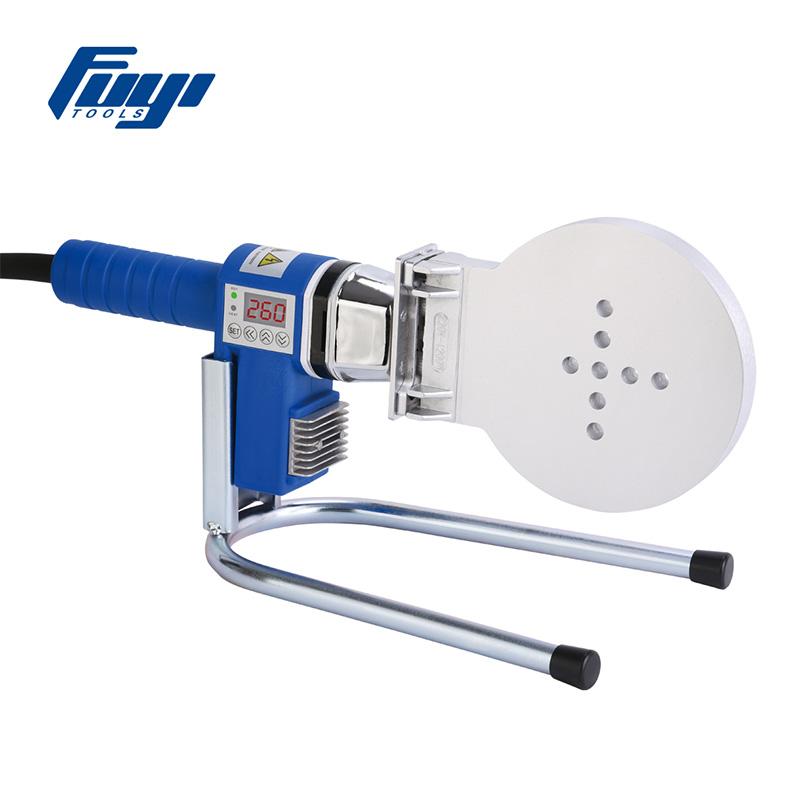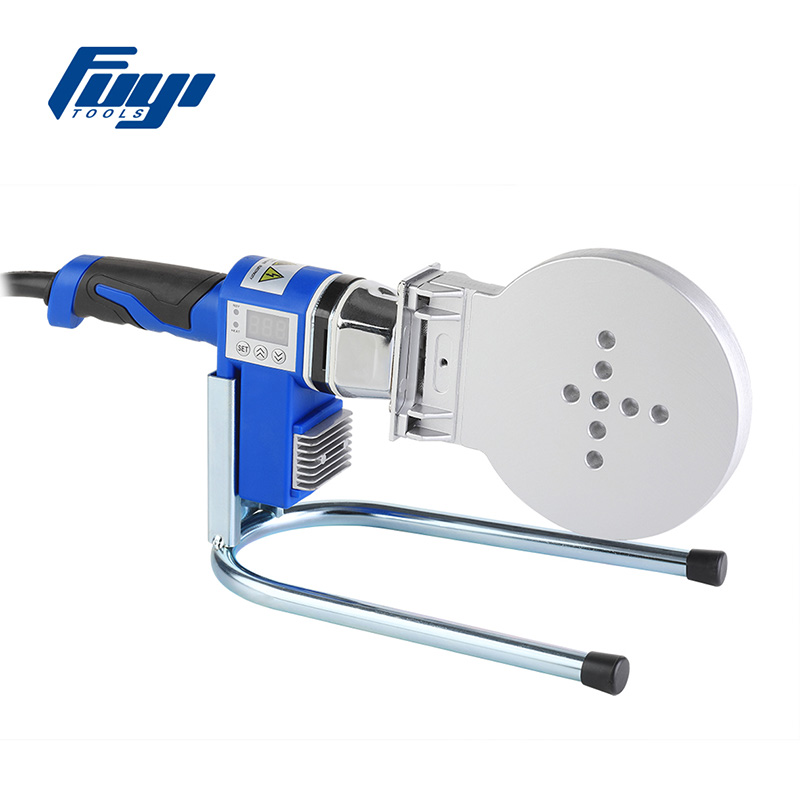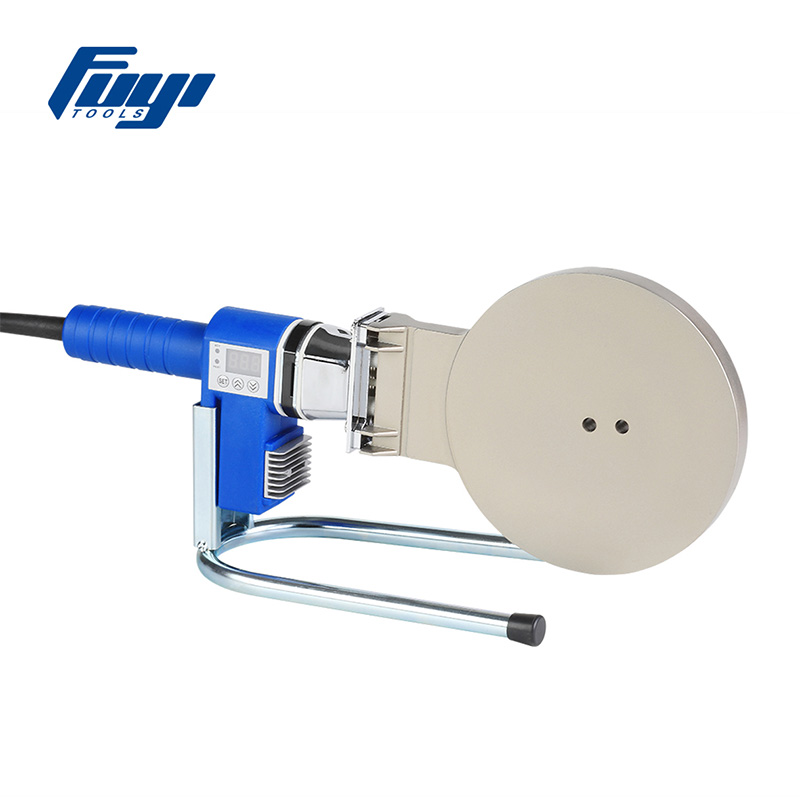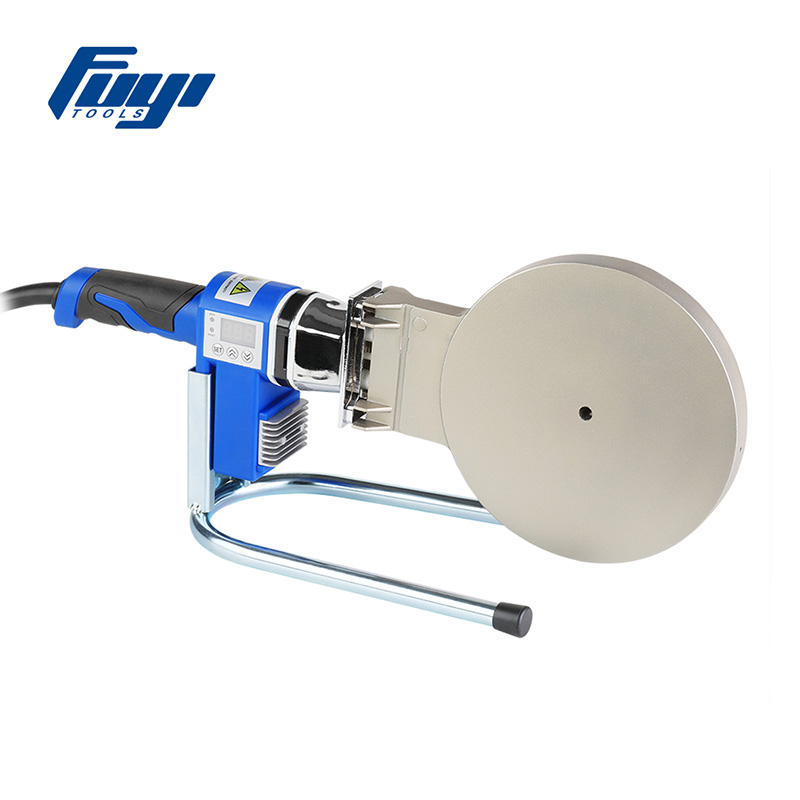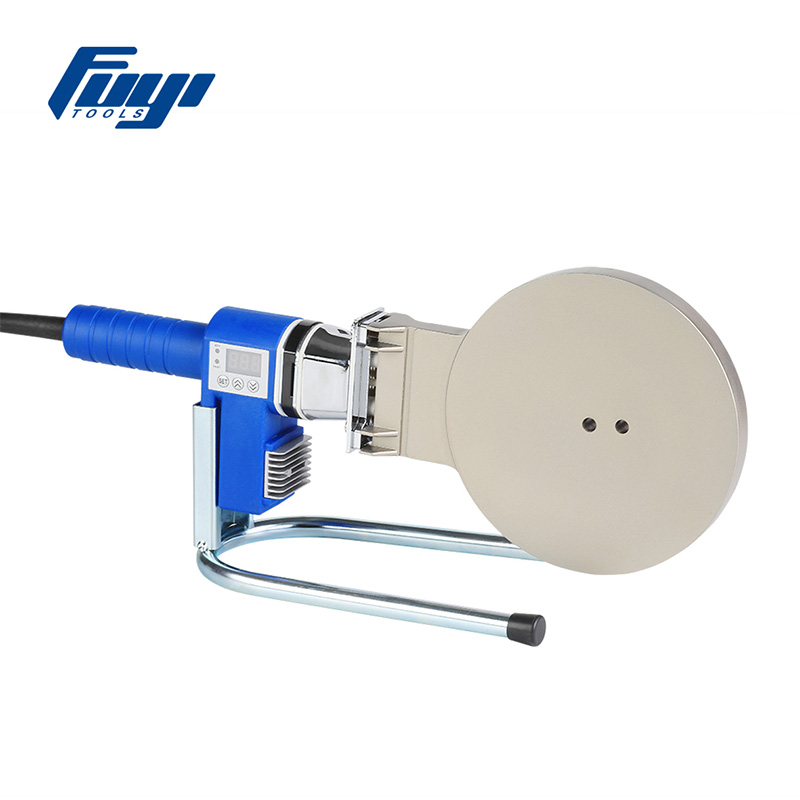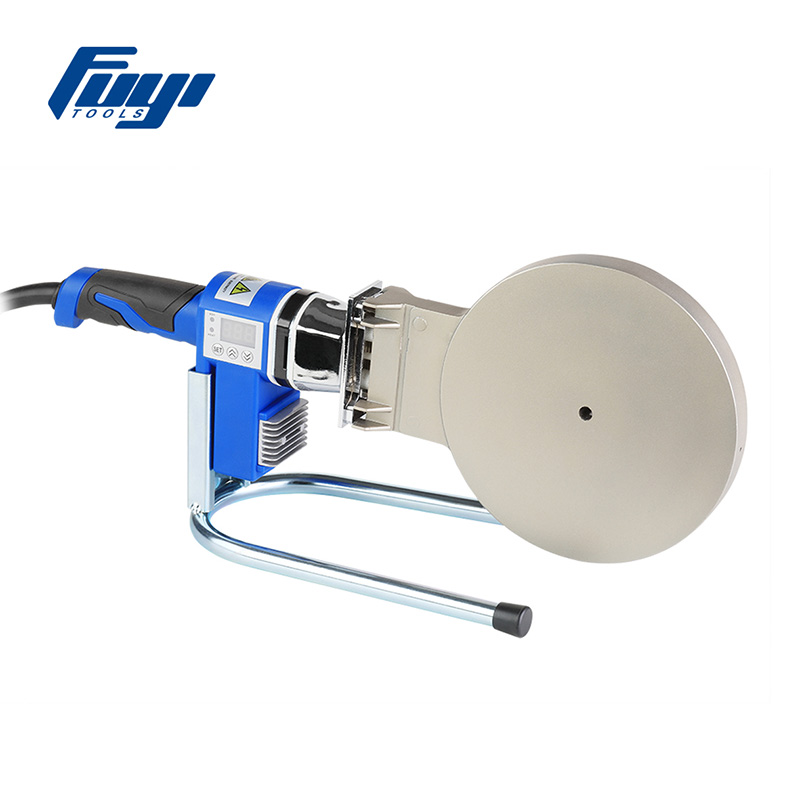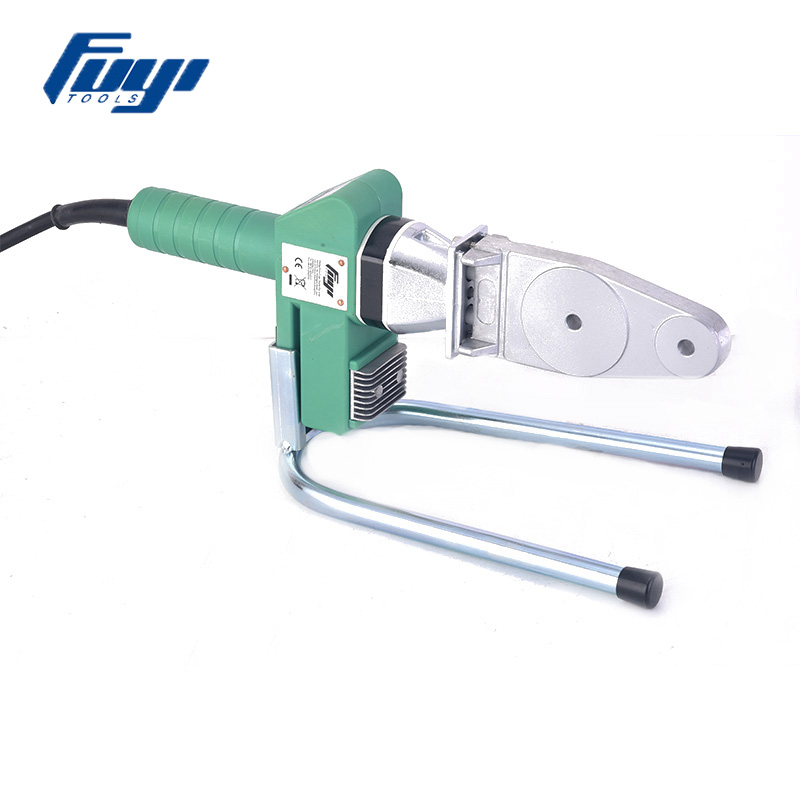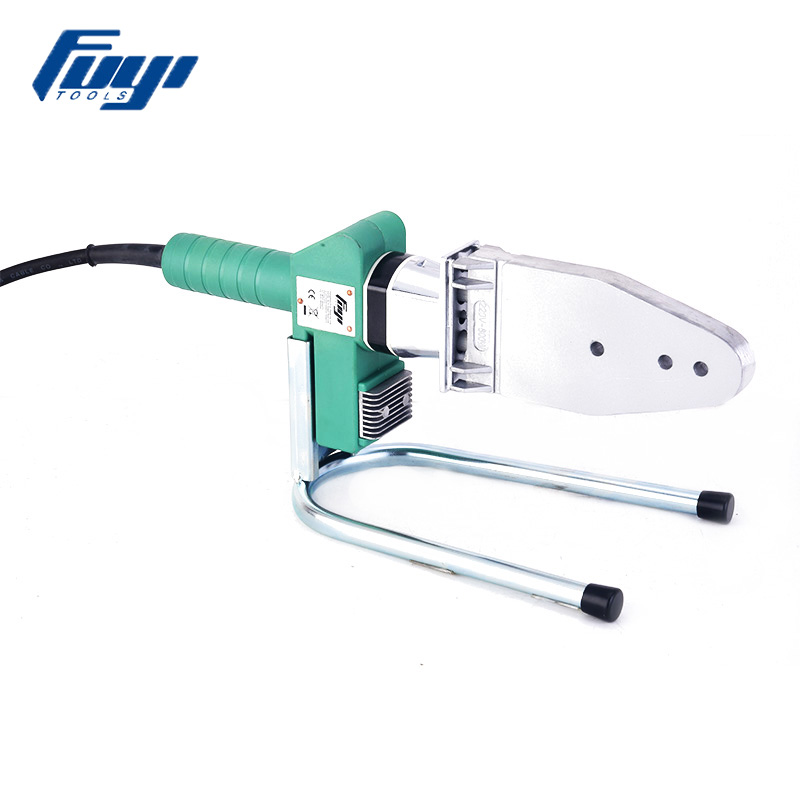
For any electrofusion welding machine used on regulated HDPE pipe systems—gas distribution, potable water, or industrial pressure lines—calibration must be performed at least once every 12 months by a laboratory accredited to ISO/IEC 17025, using traceable reference standards. Between calibrations, operators must follow a structured maintenance schedule: a pre-use check before every shift, a cleaning and inspection routine after every 30 fusion cycles or weekly (whichever comes first), and a more detailed mechanical and electrical inspection every six months.
Skipping or delaying either calibration or routine maintenance does not merely risk equipment damage—it produces joints that appear visually sound but fail under pressure, with consequences ranging from gas leaks to pipeline rupture. The sections below provide the complete procedure for both.
ISO 12176-2, the primary international standard governing electrofusion equipment, specifies that output voltage must remain within ±2% of the rated value throughout the full fusion cycle. A machine that drifts to ±5% can deliver insufficient heat—producing a cold joint with bonding strength as low as 30% of specification—or excess heat that carbonizes the melt zone and creates brittleness.
Regulatory frameworks in major markets make calibration records a contract and legal requirement:
Even for non-regulated applications, calibration protects the contractor: a calibration certificate dated within 12 months is the primary defense if a joint failure leads to an insurance or liability claim.
A full ISO 12176-2 calibration is not simply a voltage check. An accredited calibration laboratory will test and document the following parameters:
Tested at multiple set points across the machine's range—typically 8V, 12V, 24V, 40V, and 48V—using a calibrated reference resistor load. Acceptable tolerance is ±2% of the set value at each point. Any reading outside this band requires adjustment or repair before the certificate is issued.
The fusion timer is tested against a traceable time reference. Permitted deviation is typically ±1% or ±1 second (whichever is greater) across the operating range from 10 seconds to 3,600 seconds. A timer running 3% fast on a 600-second cycle delivers 18 fewer seconds of fusion energy—enough to leave a large-diameter joint under-fused.
The machine's ambient temperature sensor is compared against a calibrated reference thermometer at a minimum of three points (typically 0°C, 20°C, and 40°C). The compensation algorithm is then verified to correctly adjust fusion time—most fittings require approximately 0.4% additional fusion time per °C below 20°C and a corresponding reduction above 20°C.
Output voltage is measured under full rated load (maximum current draw) to verify that the power electronics maintain regulation when the machine is working hardest. A poorly regulated machine may hold ±1% at light load but drift to ±6% under a large-diameter fitting drawing 100A.
Overcurrent cutoff, open-circuit detection, and supply undervoltage shutdown are each triggered and verified. The machine must abort a cycle and display a fault code—not continue silently—when any of these conditions occur.
Submitting a machine in poor condition to a calibration lab wastes time and money: the lab may reject it, or the calibration cost increases if the technician must clean or repair before testing. Do the following before sending:
Calibration verifies electrical accuracy once a year. Maintenance keeps the machine in the condition where calibration accuracy can be achieved and sustained. The following schedule follows manufacturer guidelines from Hürner, Ritmo, and GF Piping Systems service documentation:
| Frequency | Task | Method / Tool | Pass Criterion |
|---|---|---|---|
| Before every shift | Visual inspection of cables, connectors, and housing | Visual only | No cracks, no exposed conductors, no bent pins |
| Before every shift | Power-on self-test (POST) confirmation | Machine display | No fault codes; calibration date shown as current |
| Before every shift | Barcode scanner test scan | Known good barcode label | Parameters populated correctly on first scan |
| Weekly / every 30 cycles | Clean output terminals and connector pins | Isopropyl alcohol, brass wire brush | No oxidation, pitting, or carbon deposits |
| Weekly / every 30 cycles | Clean and inspect output cables along full length | Damp cloth, visual | No cuts, kinks, or heat damage to insulation |
| Weekly / every 30 cycles | Check and export weld log records | USB export to PC / cloud | All records transferred; internal memory <80% full |
| Monthly | Check ventilation slots and cooling fan (if fitted) | Compressed air, visual | No blockage; fan spins freely with no noise |
| Monthly | Inspect housing seals and IP gaskets | Visual, flex test on gasket material | No cracking or compression set; seal intact |
| Every 6 months | Cable resistance check | Calibrated milliohm meter | <50 mΩ per cable; replace if higher |
| Every 6 months | Output voltage spot-check at 24V reference load | Calibrated digital multimeter (±0.1% accuracy) | Reading within ±2% of 24.0V |
| Every 6 months | Firmware and barcode database update check | Manufacturer software portal | Latest version installed; update log recorded |
| Annually | Full ISO 12176-2 calibration by accredited lab | ISO/IEC 17025 accredited laboratory | Certificate issued; all parameters within tolerance |
Output cables and connector pins are the most failure-prone components in field use, yet they receive the least attention. A cable with 20 mΩ of additional contact resistance at the pin connection causes a voltage drop of 2V at 100A—equivalent to an 8% error on a 24V cycle. This is undetectable without measurement and will not trigger a machine fault code.
Common cable damage modes and their causes:
Replace cables immediately if resistance exceeds 50 mΩ or if any visible insulation damage is found. Cable replacement cost ($80–$200 per set depending on length and brand) is trivial compared to the cost of excavating and replacing a failed joint.
The pre-shift check takes less than five minutes but catches the majority of field faults before they produce defective joints. Follow these steps in order:
Modern electrofusion machines display fault codes when a cycle aborts. Operators often misinterpret these codes as fitting problems when the cause is the machine or supply. The table below covers the most common codes across major brands:
| Fault Code Type | Common Cause | Machine Issue or External? | First Action |
|---|---|---|---|
| Undervoltage / Low Supply | Generator undersized; extension cable too long or too thin | External | Measure supply voltage at machine input; shorten or upgrade cable |
| Open Circuit / No Load | Damaged fitting coil; broken output cable; poor pin contact | Either | Test with a known good fitting; if fault persists, check cable resistance |
| Overcurrent / Short Circuit | Fitting coil shorted; cables touching; wrong fitting for machine range | Usually fitting | Inspect fitting for damage; verify barcode parameters match fitting label |
| Overtemperature | Blocked ventilation; continuous use without cool-down; ambient temp >50°C | Machine (external cause) | Power off; allow 15–20 min cooling; check and clear ventilation slots |
| Calibration Expired | Annual calibration interval exceeded | Machine | Remove from service; submit to accredited calibration lab |
| Barcode Read Error | Dirty or damaged scanner lens; damaged fitting label; wrong barcode standard | Either | Clean scanner lens with lens cloth; try a fresh fitting label |
A significant proportion of calibration failures and mechanical damage occurs not during use but during storage and transport. These practices extend machine life and protect calibration accuracy between annual checks:
Some conditions require immediate removal from service regardless of where the machine is in its maintenance cycle. Do not attempt field repair or continue operating if any of the following are observed:
Copyright © 2024 Hangzhou Fuyi Tools Co., Ltd. All Rights Reserved.
|