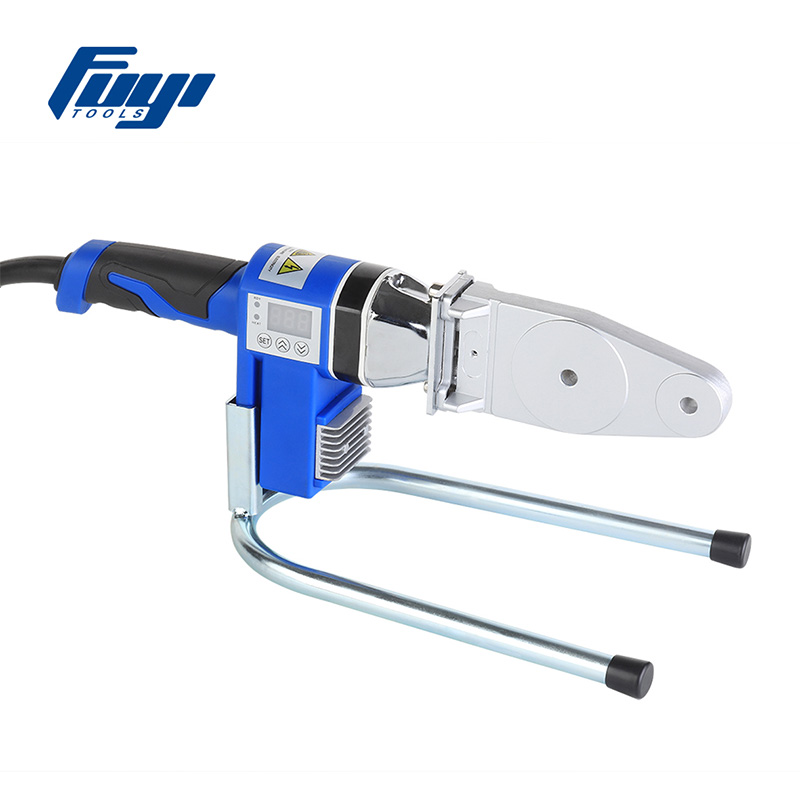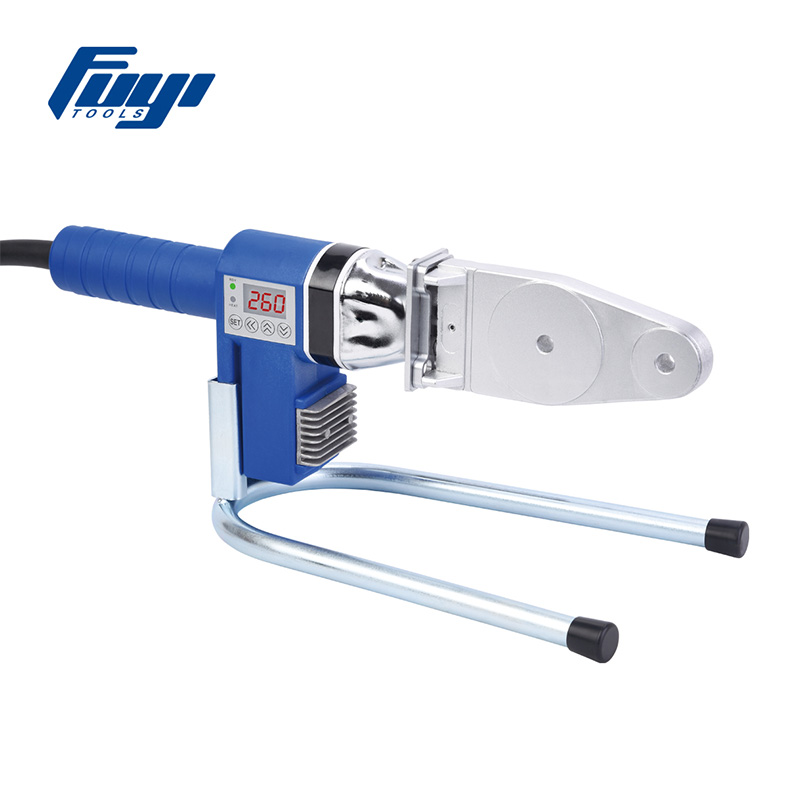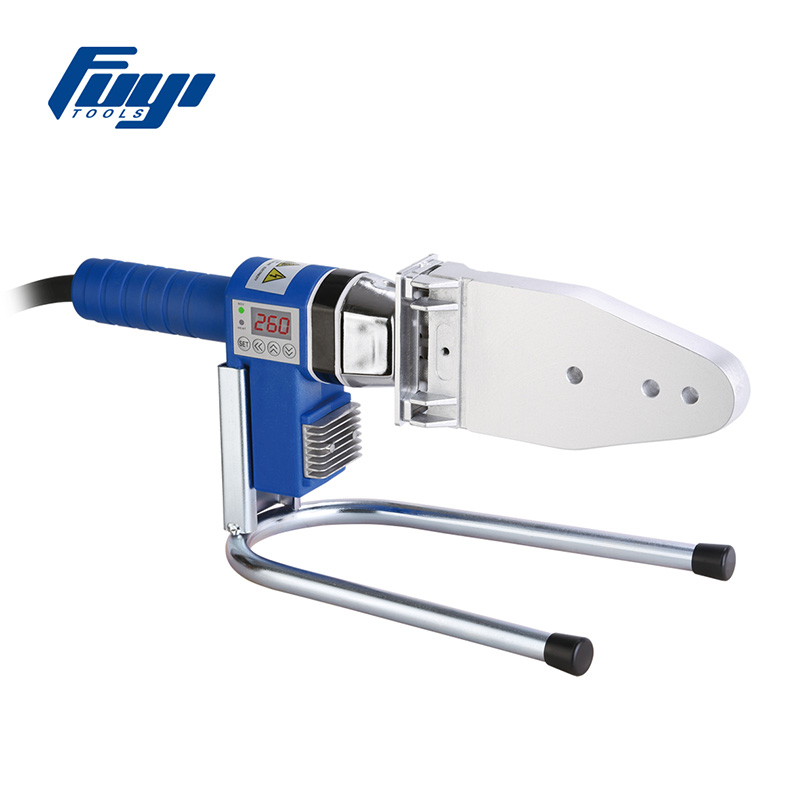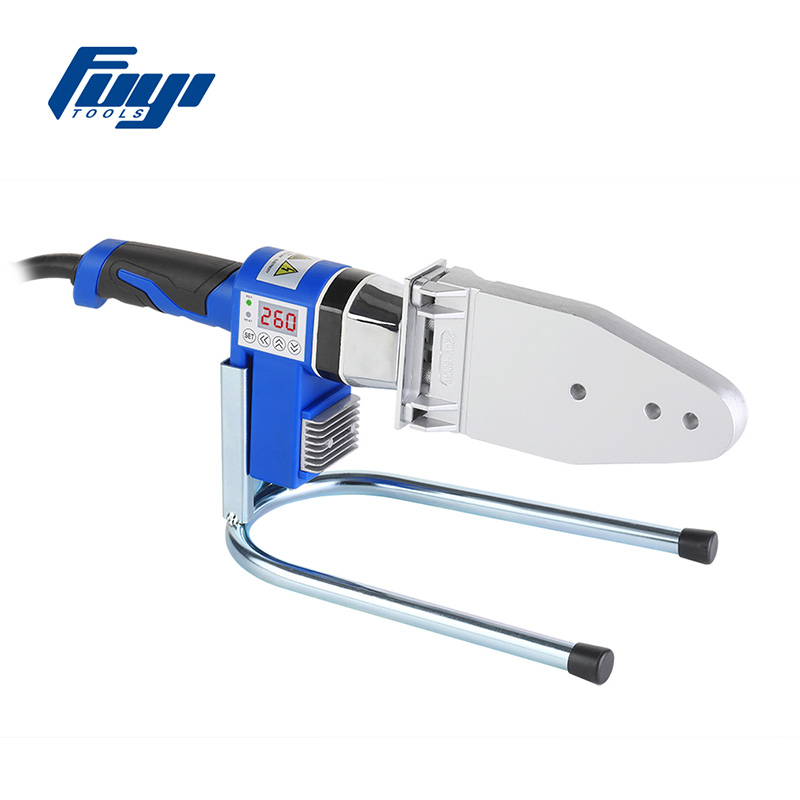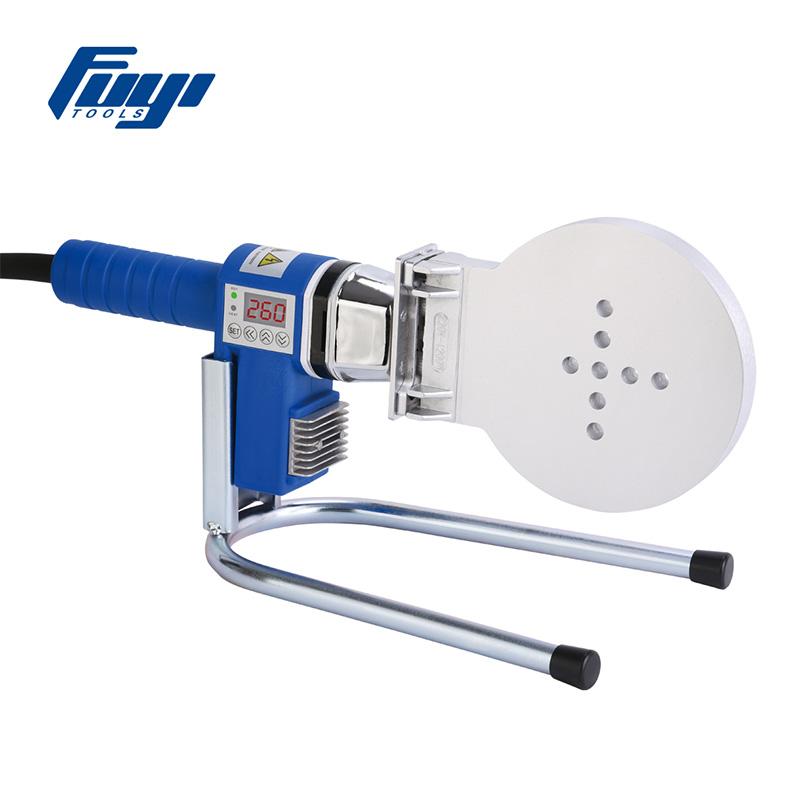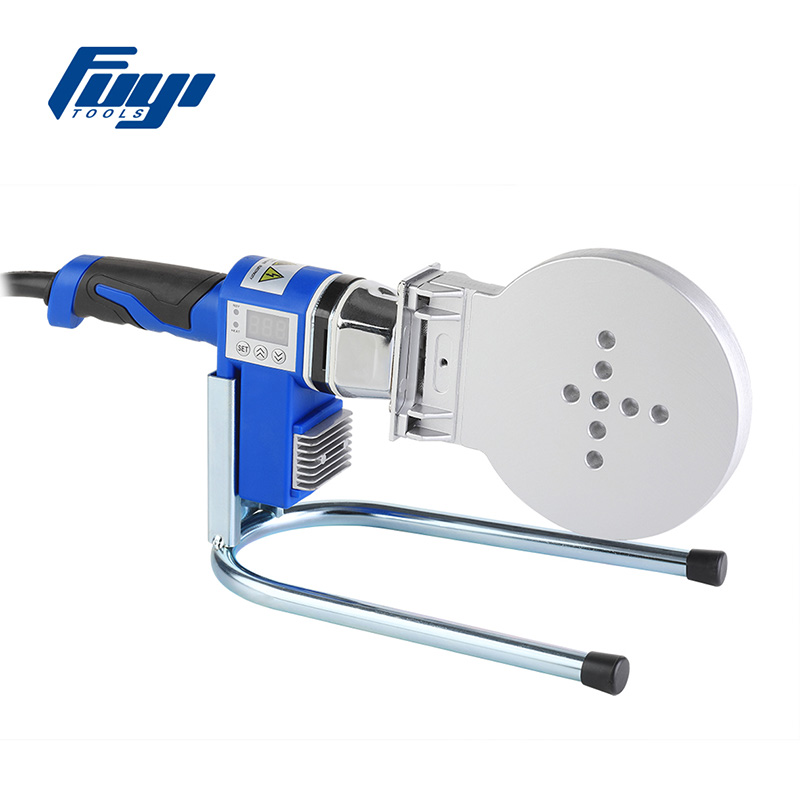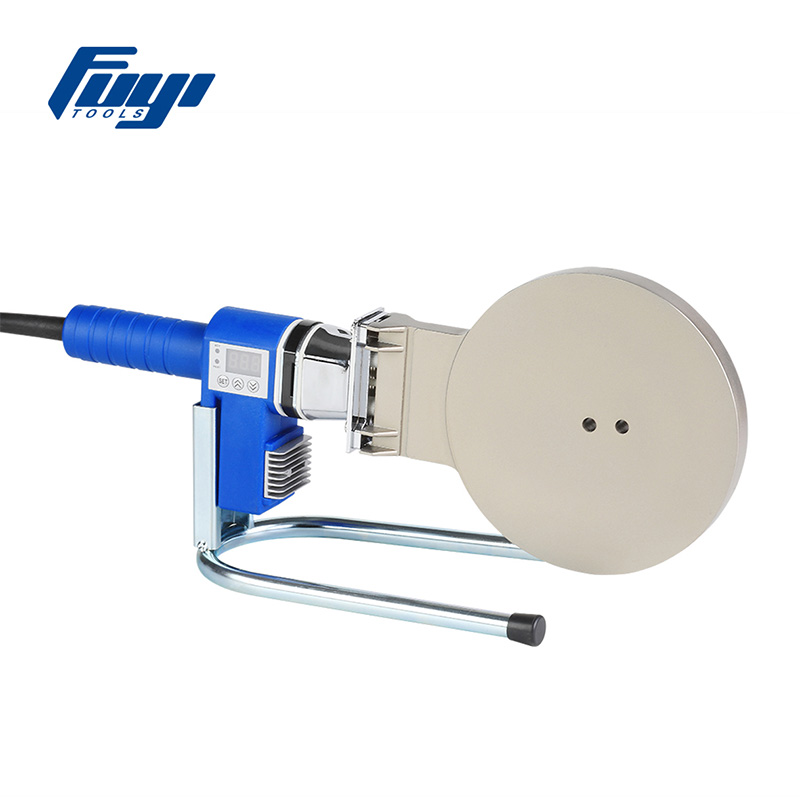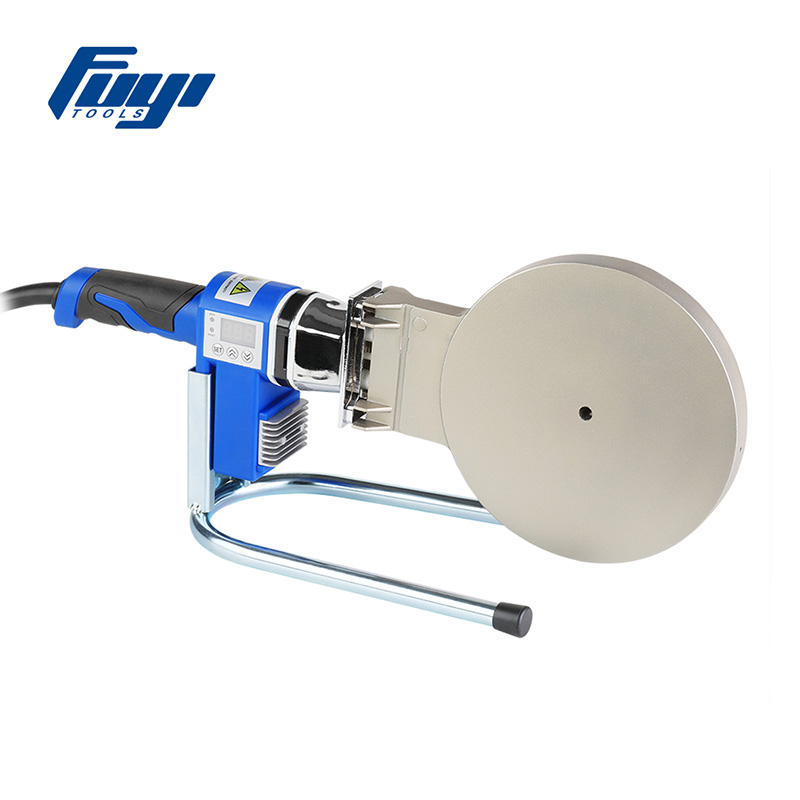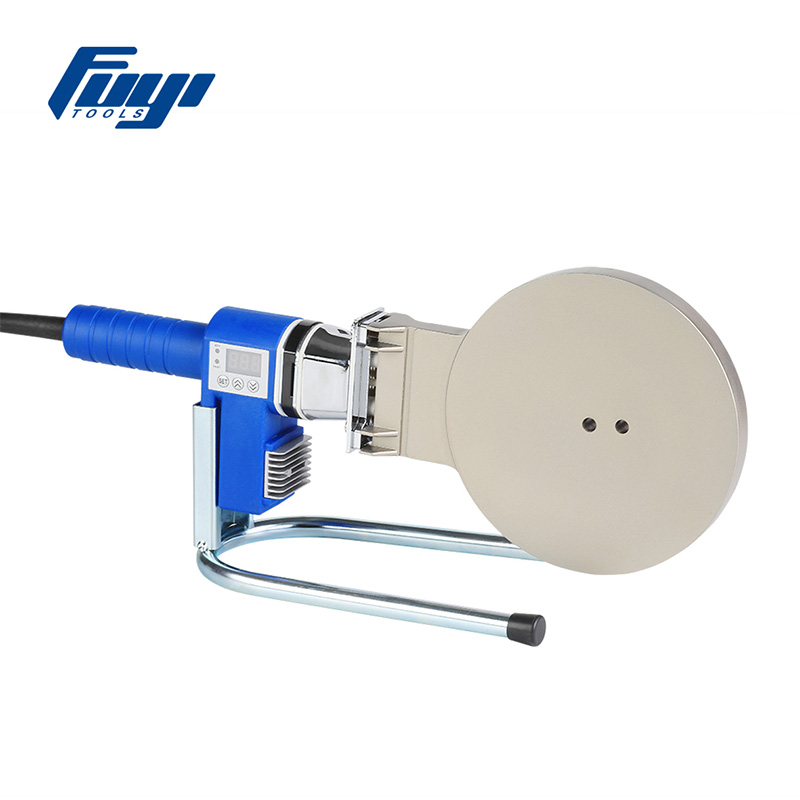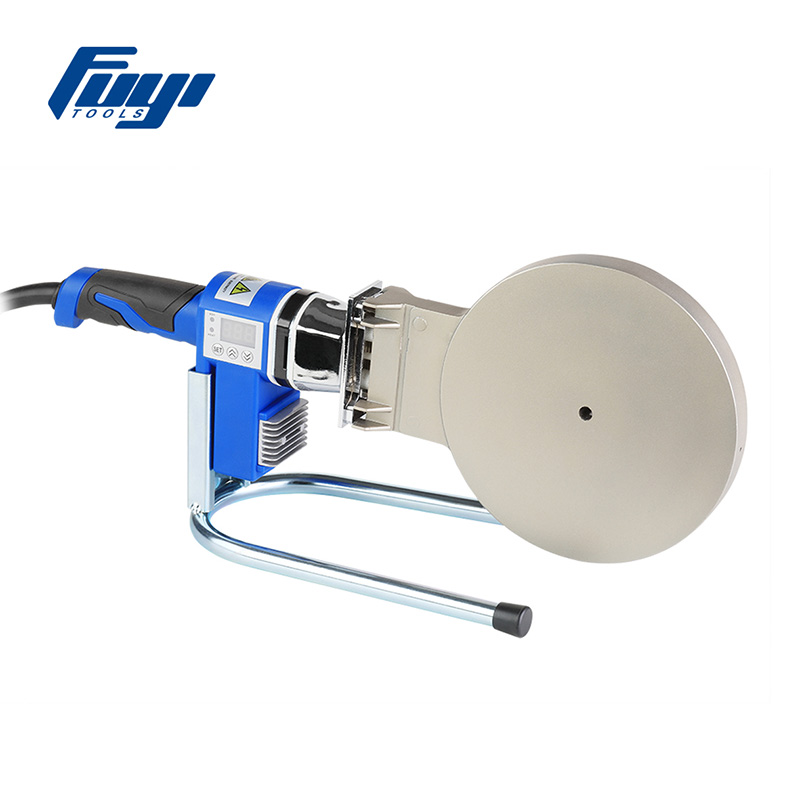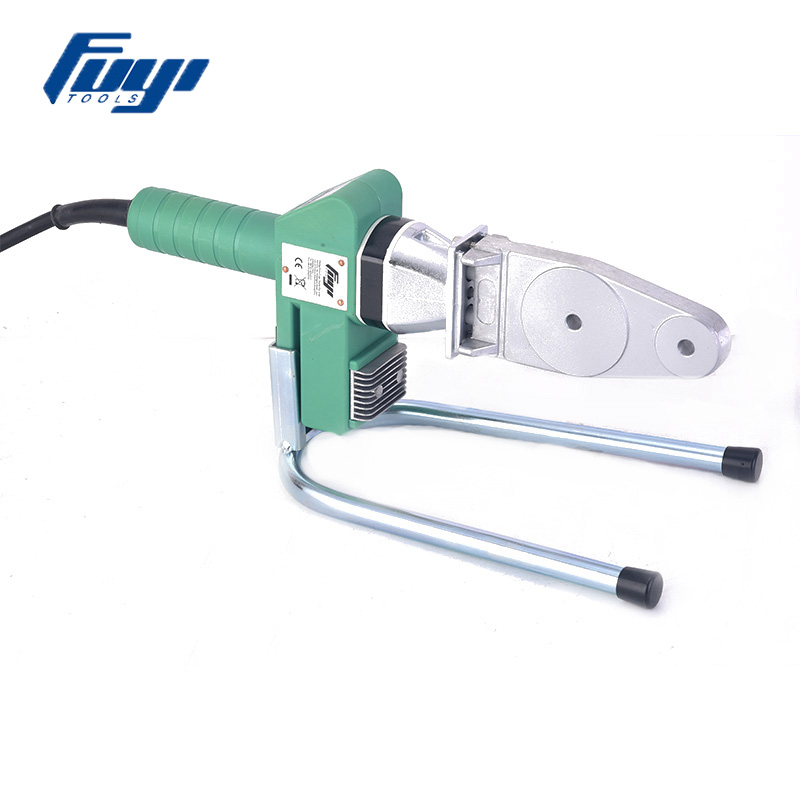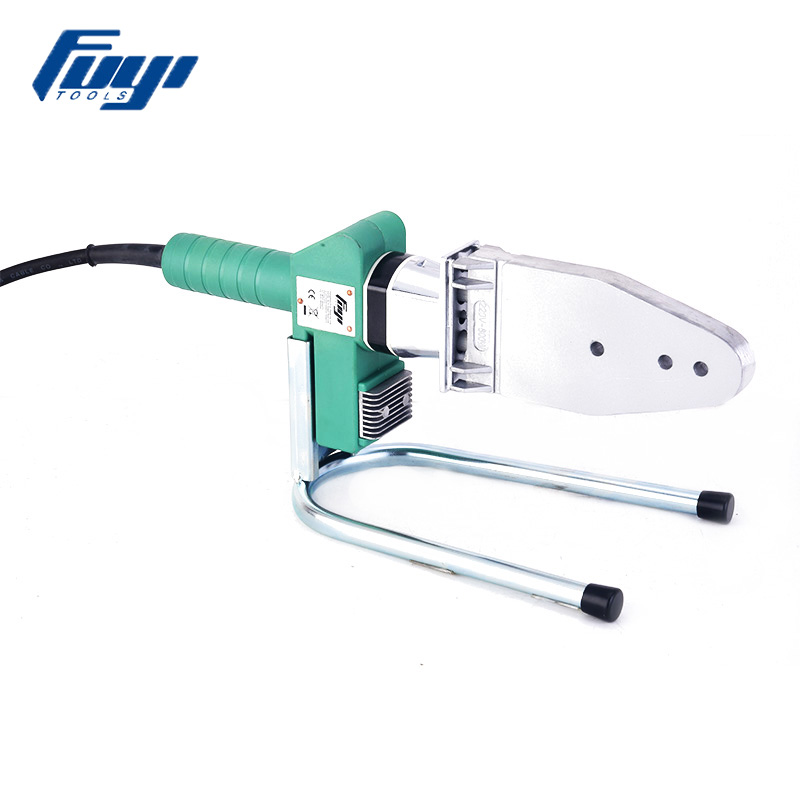
A Socket Fusion Welding Machine is a commonly used tool in plastic pipe installation, especially for connecting thermoplastic pipes like PP-R and PE. For beginners, mastering its usage skills not only improves work efficiency but also ensures high-quality welds.
Before operating, it’s important to understand the basic principles and structure of a Socket Fusion Welding Machine:
Function: It joins pipes and fittings by heating their ends until molten, then fusing them together for a strong, permanent joint.
Main Components:
Understanding these components helps operators quickly troubleshoot issues during welding.
Hot fusion welding involves high temperatures, so safety is the top priority:
Following safety rules reduces accidents and increases work efficiency.
Beginners should choose a user-friendly machine with temperature control and ensure all accessories are ready:
The Socket Fusion Welding process must follow standardized procedures carefully:
Note: Weld quality depends heavily on heating time, pressure, and alignment.
Beginners are advised to practice on scrap pipes or sample material first:
Beginners may encounter several common issues. The following table summarizes solutions:
| Problem | Cause | Solution |
|---|---|---|
| Weak weld | Low temperature or insufficient heating time | Adjust temperature to recommended value and increase heating time |
| Deformed pipe | Overheating or prolonged heating | Lower temperature and shorten heating time |
| Leaking joint | Misalignment or insufficient cooling | Re-weld, ensure straight insertion and adequate cooling |
| Uneven heating | Dirty heating plate or sockets | Clean heating surfaces to ensure good contact |
After each weld, record:
As experience accumulates, beginners can gradually attempt larger pipes and more complex fittings.
Copyright © 2024 Hangzhou Fuyi Tools Co., Ltd. All Rights Reserved.
|