

 Eng
 русский
 Español
Home / News / Industry News / HDPE Pipe Couplings: Practical Fusion Methods and Field Installation Tips
Industry News
Nov 23,2026
HDPE Pipe Couplings: Practical Fusion Methods and Field Installation Tips
HDPE Pipe Couplings: A Practical Field Guide
An HDPE pipe coupling is a short, full-bore connector that joins two lengths of polyethylene pipe into one continuous line. In the field, it is often the smallest component in the trench and the one most likely to be blamed if something goes wrong. A good coupling does not just bridge a gap. It has to match the pipe material, pressure class, diameter, and joining method, then survive the same bending, settling, pressure surges, and temperature swings as the rest of the line.
What a coupling is not
A coupling is not a universal repair sleeve, and it is not a substitute for a properly specified fitting. HDPE systems rely on compatible materials and controlled joining. A coupling that is the wrong SDR, made from an unknown compound, or joined with the wrong heating cycle can look fine on the outside and still fail a pressure test.
Why the joint deserves attention
Polyethylene pipe is tough, corrosion-resistant, and forgiving of ground movement, but heat-fused joints are only as good as the preparation behind them. Clean pipe, a square cut, the right scraper or chamfer tool, and a welder that holds temperature consistently matter more than a long list of features on a brochure.
20–630 mm
Couplings and fusion tools cover a wide band of HDPE and PE pipe sizes, from small service lines to larger mains.
3 routes
Socket fusion, electrofusion, and mechanical coupling are the main ways to make the connection.
1 rule
Match the coupling, pipe, and welding parameters to the same material and pressure class.
Cooling counts
Most field defects appear when a joint is moved, bent, or pressure-tested before it has cooled.
Coupling Types You Will Meet on Site
HDPE couplings are not all made for the same job. The first question is not “which coupling is cheapest?” but “how is this joint going to be made, and who will inspect it?” The table below gives a practical overview of the common families.
Socket fusion coupling
The pipe end and coupling socket are heated on a fusion tool, then pushed together. Common for small and medium diameters and for workshop or trench-side work where access is reasonable.
Electrofusion coupling
The fitting contains an embedded heating coil. A welder energises the coil, and the fitting itself creates the melt. Useful for larger sizes, tight access, and controlled site conditions.
Mechanical coupling
A compression or clamp-style body joins pipe ends without heat fusion. It can be useful for repairs, transitions, and situations where fusion equipment is impractical, but pressure ratings and approvals must be checked.
Repair and reducing couplings
Repair couplings and reducing fittings solve specific field problems. They still need the same attention to pipe preparation, insertion depth, and support.
| Coupling family | How it joins | Common use | Main watch-out |
|---|---|---|---|
| Socket fusion | Heated pipe end and socket | Small to medium PE and HDPE lines | Temperature, heating time, and insertion depth |
| Electrofusion | Internal heating coil | Larger sizes, restricted access, controlled cycles | Surface scraping and correct weld parameters |
| Mechanical | Compression or clamp body | Repairs, transitions, temporary or specialist work | Rating, liner compatibility, and installation torque |
| Repair coupling | Fusion or mechanical repair body | Damaged sections and maintenance work | Pipe condition and adequate support after repair |
Heat Fusion or Mechanical Connection?
Heat fusion
Fusion creates a continuous polyethylene joint. When the pipe and fitting are compatible, the surfaces are prepared, and the heating cycle is correct, the joint can achieve strength close to that of the pipe itself. It is the default choice for many permanent HDPE water and industrial lines.
- Best for permanent, buried, and pressure-rated connections.
- Requires clean pipe, correct tools, and trained operators.
- Needs cooling time before handling or testing.
Mechanical coupling
A mechanical coupling can save time where fusion is not practical, but it introduces different risks: the seal, the grip, the liner, and the pipe ovality all matter. It is not a drop-in replacement for a fused joint in every pressure class.
- Useful for repairs and transition points.
- Check pressure rating, pipe support, and manufacturer limits.
- Do not assume every mechanical coupling suits every PE pipe.
For permanent HDPE pipe couplings, fusion is usually the first conversation. The choice between socket fusion and electrofusion then comes down to diameter, access, equipment, and the specification on the project.
Socket Fusion Couplings, Step by Step
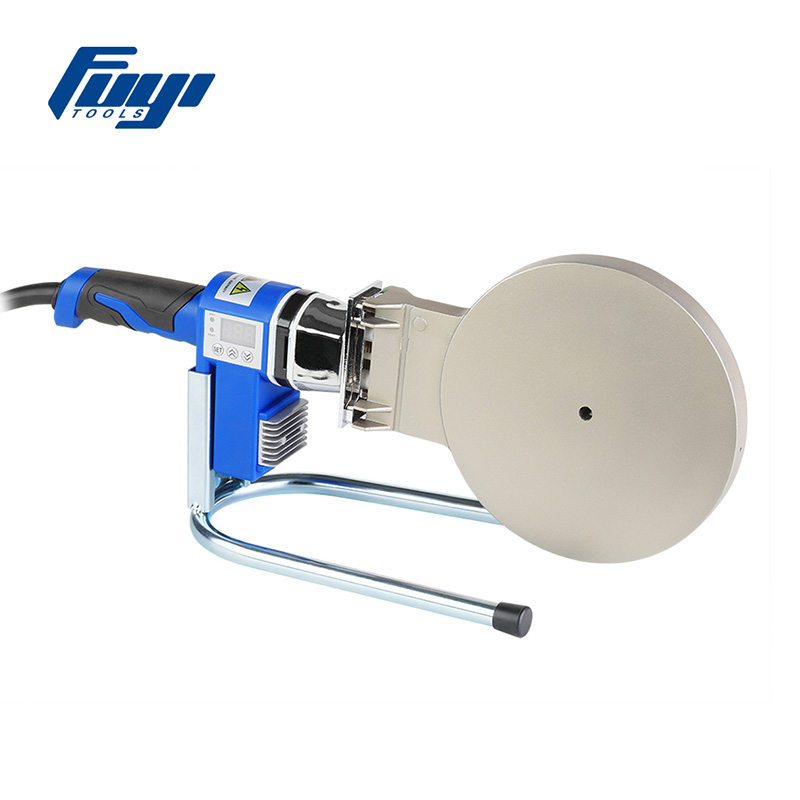
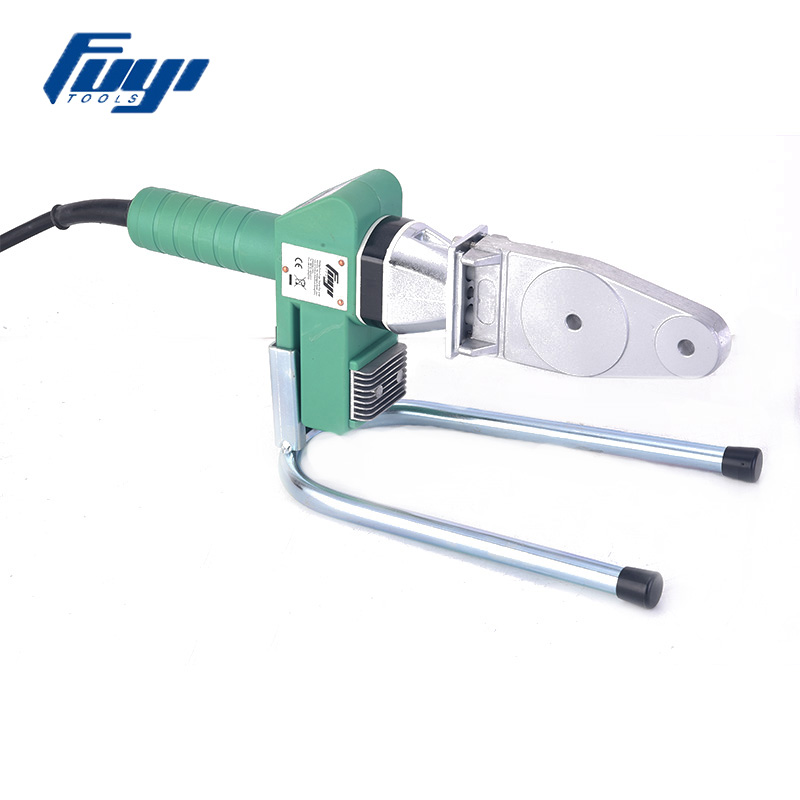
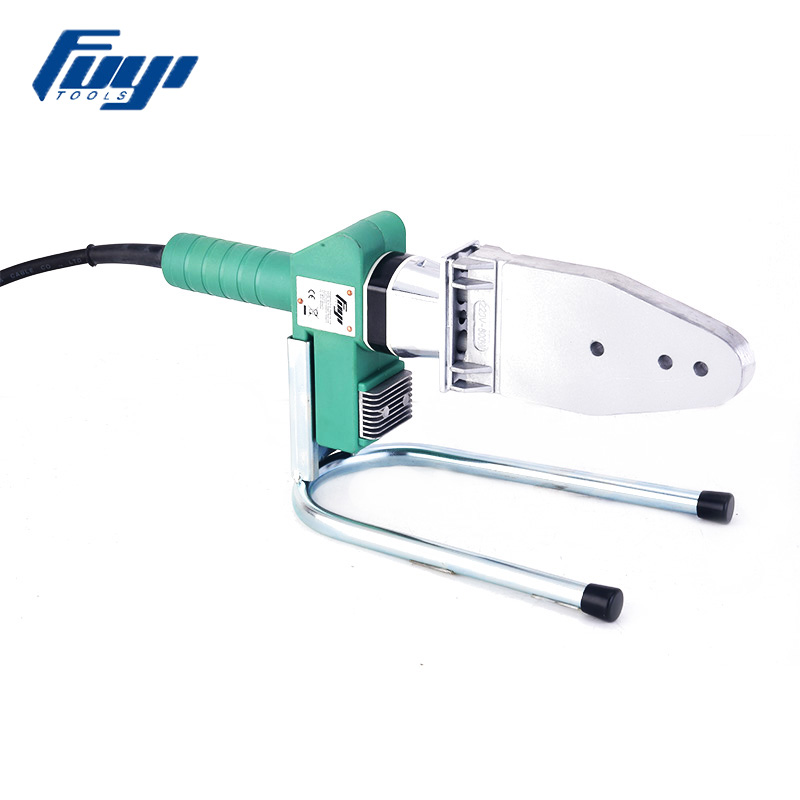
Socket fusion is a simple idea with little room for shortcuts. The pipe end and the coupling socket are heated at the same time, then joined while the material is still molten. The operator controls the cut, the clean, the mark, the heat, the push, and the cooling.
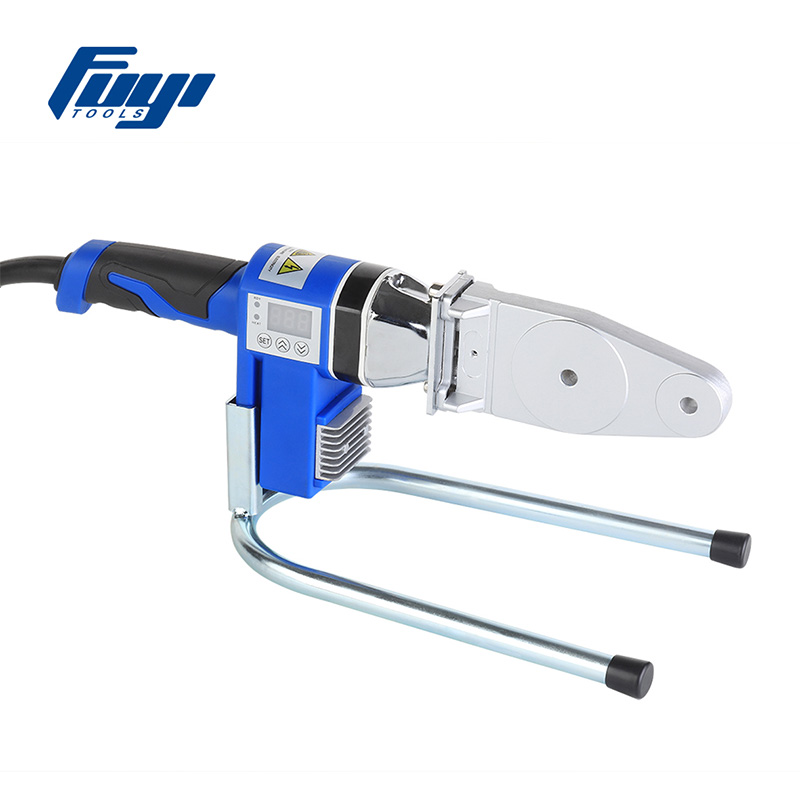
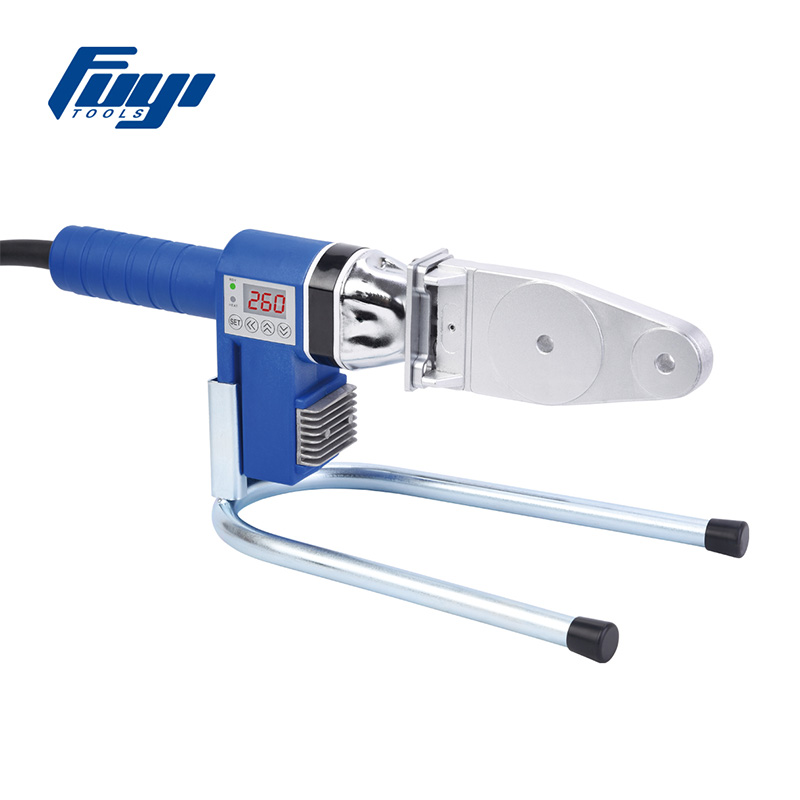
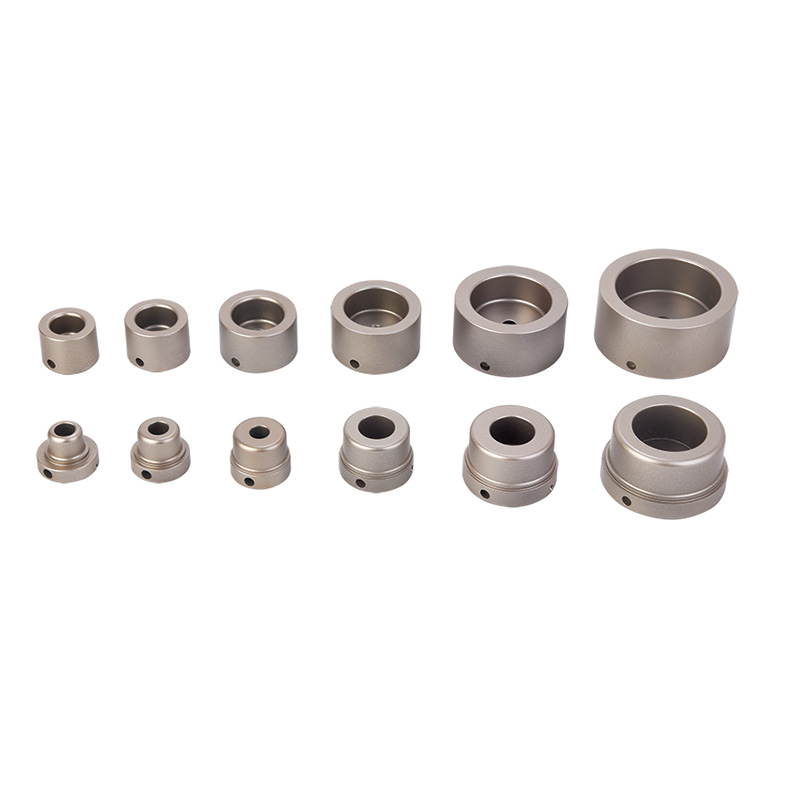 FYD63 Digital Socket Fusion Welding Machine for PPR PipesDigital temperature display and 20–63 mm socket range support controlled PPR fusion; useful when setup needs real-time heat monitoring and consistent joins.View Product →
1
Cut square and clean
Use a proper pipe cutter and keep the end square. Wipe away dirt, water, and oil. A rag is not a substitute for scraping when the specification calls for it.
2
Mark insertion depth
Mark the pipe so you can see that it reaches the full socket depth. A shallow insertion creates a weak joint and a narrow flow path.
3
Heat pipe and coupling
Bring both surfaces to the fusion tool and follow the pipe and fitting manufacturer’s temperature and time. A stable heating tool helps keep the cycle repeatable.
4
Join with a steady push
Remove the parts from the heater and push the pipe into the coupling without twisting. Hold the joint still while the melt begins to cool.
5
Cool undisturbed
Let the joint cool for the specified time before bending, moving, or pressure-testing. This is where many otherwise good joints are ruined.
6
Inspect the bead
Look for an even melt ring around the joint. An uneven bead, a cold joint, or a pipe that did not reach depth should be cut out and remade, not hidden.
If you want a deeper field walkthrough, our guide to achieving a strong, leak-free socket fusion weld covers bead quality and operator habits in more detail.
Electrofusion Couplings: When the Fitting Does the Heating
Electrofusion changes the control point. Instead of heating a separate tool and pushing the pipe into a socket, the coupling contains a heating coil. The welder reads or receives the fitting parameters, sends current through the coil, and the plastic at the joint interface melts. The operator’s main jobs are preparation, alignment, and protection during cooling.
Where electrofusion earns its place
- Larger HDPE pipe couplings where socket fusion becomes impractical.
- Tight trenches or confined spaces where a heating tool is awkward.
- Projects that require a traceable welding cycle and controlled input.
- Connections where the fitting, not the tool, carries the approved weld data.
What can ruin the joint
- Poor scraping or a surface that is still wet or contaminated.
- Pipe that is oval, misaligned, or not inserted to the stop.
- Wrong welder input, voltage drop, or interrupted cycle.
- Moving the fitting before the cooling phase is complete.
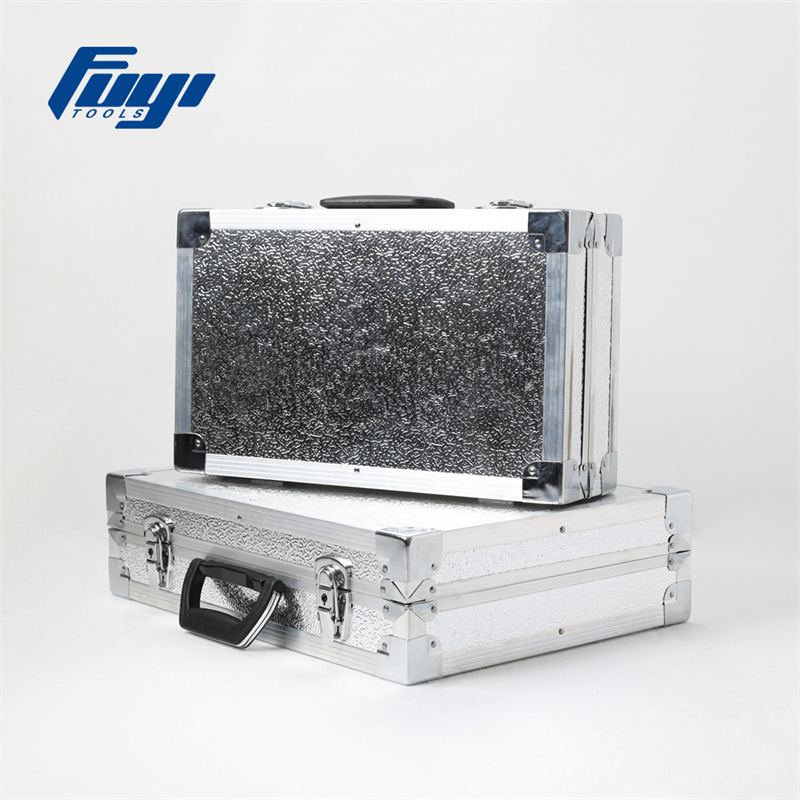 Electric HDPE Pipe Scraper for Electrofusion PreparationElectric scraper prepares HDPE, PP-R, and PP pipe surfaces up to Ø400 mm before electrofusion; consistent scraping supports proper joint preparation and alignment.View Product →
Surface preparation is not cosmetic. The scraper removes the oxidised layer and gives the heating coil a consistent surface to work against. A tool that chatters, slips, or leaves ridges is a false economy.
Choosing the Right Coupling and Method
On a real project, the right choice is usually a mix of specification, pipe size, access, and available equipment. The questions below are the ones we hear most often from installation teams.
“Can I use a socket fusion coupling on large HDPE?”
It depends on the diameter, wall thickness, and available tooling. Socket fusion is common in smaller and medium sizes. As diameter and wall thickness rise, the physical effort and handling become harder, and electrofusion is often preferred. Always follow the fitting manufacturer’s approved range.
“Does a coupling have to match the pipe SDR?”
The coupling should be compatible with the pipe material and pressure class, and it must be rated for the application. A visually similar coupling with the wrong wall thickness or compound is not a safe substitution.
“Can I pressure-test as soon as the joint is made?”
No. Fusion joints need the specified cooling time before handling or testing. Rushing this step can turn a good melt into a stressed joint. In cold weather, allow for the conditions on site and follow the procedure.
“Is a mechanical coupling acceptable for a permanent repair?”
Sometimes, if the product is rated for the pipe, pressure, and burial condition, and the installation instructions are followed. It is a specification decision, not a default fallback. Check approvals and support requirements before burying the repair.
Tools That Make or Break the Joint
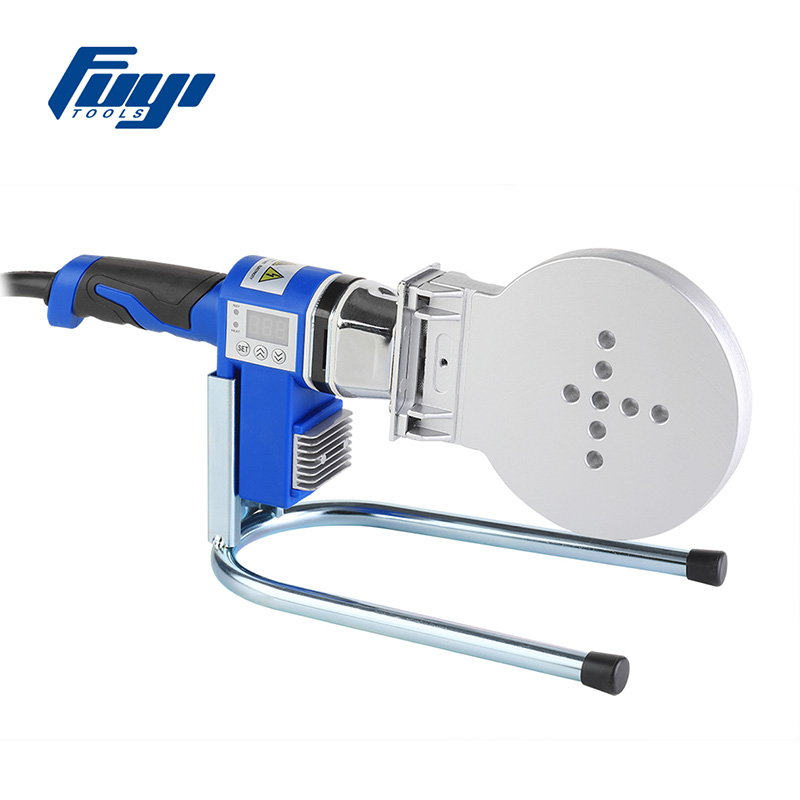
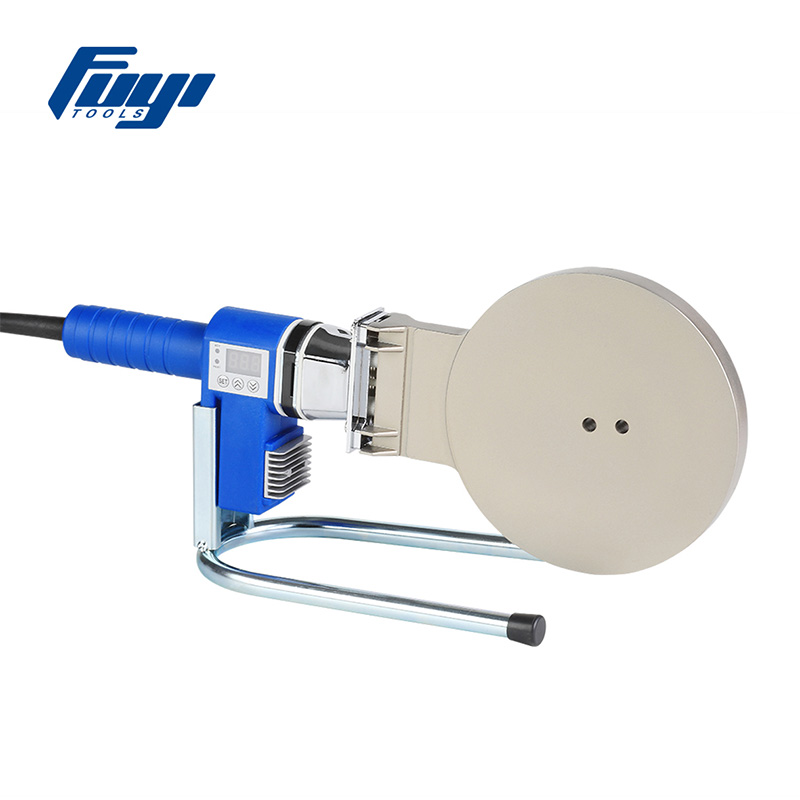
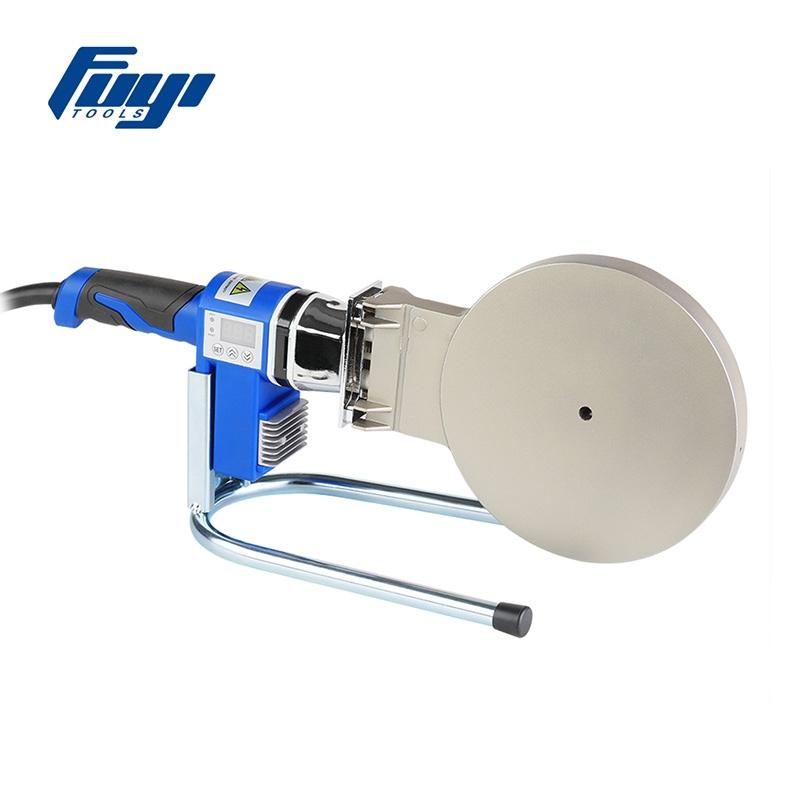
HDPE pipe couplings are joined with a system, not a single machine. The welder gets the attention, but the cutter, scraper, chamfer tool, and measuring aids decide whether the joint starts well.
Pipe cutter
A square, clean cut gives the fusion tool a fair chance. A crushed or angled end will not seat correctly.
Chamfer tool
Removes the sharp edge and helps the pipe enter the coupling without pushing a curl of material ahead of it.
Scraper
Essential for electrofusion. The full insertion depth should be scraped evenly, without gouging.
Cold ring pliers
Helpful for controlled handling of certain fittings and cold-ring operations. Use the size that matches the fitting.
Measuring pad
A simple depth check prevents shallow insertion, one of the most common causes of a weak coupling.
Welder
Stable temperature and clear controls matter more than a crowded feature list. The operator still has to follow the procedure.
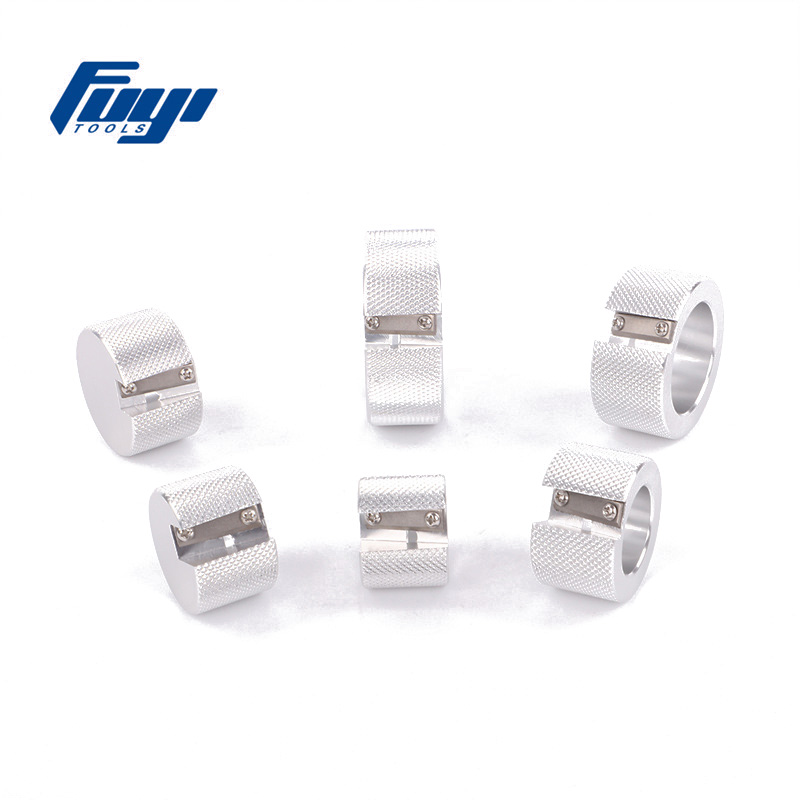 Metric and Inch Precision Chamfering ToolsCategory covers metric steel and inch precision chamfering tools for beveled pipe edges; worth reviewing when cutters and chamfering complete joint preparation.View Product →
A clean, square cut starts with dependable plastic pipe cutters, and the chamfer tool finishes the job. Small preparation tools are easy to overlook when ordering a welder, but they are part of the connection.
Installation Checks and Common Mistakes
Most HDPE coupling problems are visible before the trench is backfilled. The trick is to inspect with the same attention you gave to the weld cycle. Look at insertion depth, bead shape, alignment, and support. If something looks wrong, cut it out while access is still easy.
| Issue | Likely cause | What to do |
|---|---|---|
| Uneven fusion bead | Inconsistent heating, dirty surfaces, or movement during joining | Cut out and remake the joint; review tool temperature and handling |
| Pipe not at full depth | No depth mark, excessive force, or a burr inside the socket | Remove, inspect, chamfer, and remake with a clear depth mark |
| Electrofusion cycle fault | Poor scraping, wrong input, voltage drop, or a wet surface | Follow the welder fault guidance; do not restart a failed cycle blindly |
| Leak after pressure test | Cold joint, shallow insertion, mechanical damage, or unsupported repair | Isolate, excavate, replace the coupling, and check the pipe condition |
| Mechanical coupling slippage | Wrong size, poor pipe ovality, insufficient insertion, or incorrect torque | Check the product rating and installation instructions; replace if damaged |
Field rule of thumb
If you would not accept the joint on a visible above-ground line, do not bury it. A coupling that is questionable during installation rarely improves under pressure.
Matching the Coupling to the Job
Water supply
Use fusion-rated couplings that match the pipe pressure class. Keep the joint clean and support the pipe during cooling.
Irrigation and rural lines
Socket fusion is common in smaller sizes, but dirty trench conditions make surface preparation even more important.
Industrial process lines
Check chemical compatibility, temperature, and project approvals before assuming a standard HDPE coupling is suitable.
Repair work
Inspect the pipe beyond the damaged area. A repair coupling cannot fix a line that is oval, contaminated, or poorly supported.
Our own workshop has spent years building fusion welders and preparation tools for crews who use them every day. That experience keeps pointing to the same conclusion: the best HDPE pipe coupling is the one that is correctly selected, properly prepared, and left alone to cool.
Frequently Asked Questions
What is the difference between an HDPE coupling and a fitting?
A coupling is a specific fitting that joins two pipe ends in a straight line. “Fitting” is the broader term for elbows, tees, reducers, adaptors, and couplings.
Can HDPE pipe couplings be used underground?
Yes, provided the coupling and joint method are rated for burial and the installation follows the project specification. Proper bedding and support matter as much as the joint itself.
Which is stronger, socket fusion or electrofusion?
Both can produce strong joints when the material, preparation, and welding parameters are correct. The better choice depends on diameter, access, equipment, and the approved procedure.
Why does the pipe need scraping before electrofusion?
The outer layer of HDPE can oxidise and collect contamination. Scraping exposes clean material so the fitting can melt and bond consistently across the joint surface.
How long should a fusion joint cool?
Follow the pipe or fitting manufacturer’s cooling time for the material, size, and site temperature. Do not bend, move, or pressure-test the joint before that time has passed.
Can I mix coupling brands and pipe brands?
Only when the components are compatible and the installation procedure supports the combination. Material grade, dimensions, and pressure rating still have to match the specification.
Related Products

 +86-158 6813 9123
 +86-571- 82432777
 selena.zhong@fuyitools.com
 No.7 Yangguang Road, Linpu Industrial Area, Hangzhou City, Zhejiang Province, China
Copyright © 2024 Hangzhou Fuyi Tools Co., Ltd. All Rights Reserved.
|
