

 Eng
 русский
 Español
Home / News / Industry News / Fusion Piping Guide: Socket, Butt, and Electrofusion Methods for PP-R and PE
Industry News
Nov 16,2026
Fusion Piping Guide: Socket, Butt, and Electrofusion Methods for PP-R and PE
Fusion piping is a practical answer to a simple question: how do you join thermoplastic pipe so the joint performs like the pipe itself? Heat fusion softens the two surfaces, presses them together, and lets them cool into a continuous material. For PP-R, PE, and related polyolefin systems, that one idea supports socket fusion, butt fusion, saddle fusion, and electrofusion. Each method has its own tools and its own field habits.
If you have spent time on site, you know the difference between a joint that looks neat and a joint that holds. At Fuyi Tools we build fusion welders and the preparation tools around them, and most of the problems we see start long before the heating plate reaches temperature. Clean pipe, correct marking, and a calm cooling period matter as much as the machine.
What Fusion Piping Covers
Fusion piping is not a single product or a single weld. It is a family of heat-joining methods for thermoplastic pipe. The method you choose depends on diameter, material, access, and the standard you work to.
Socket fusion
A heated tool warms the outside of the pipe and the inside of the fitting. The two are pushed together and held until cool. It is common on smaller PP-R and PE services, typically from 20 mm to 110 mm.
Butt fusion
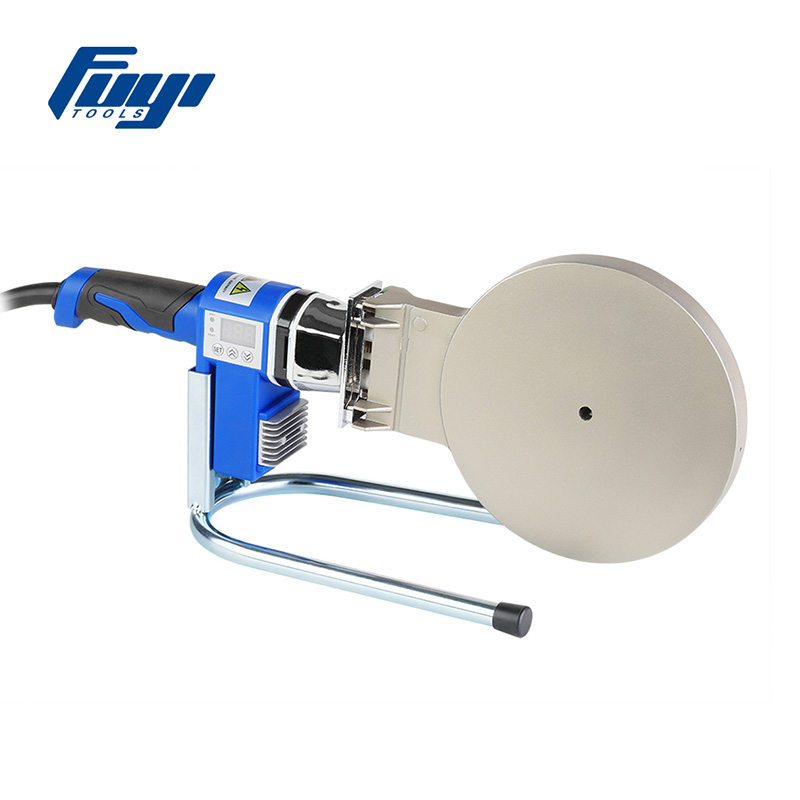
The pipe ends are faced square, heated on a plate, and pressed together under controlled pressure. It suits larger PE mains and can cover diameters from 63 mm upward.
Saddle fusion
A branch outlet is fused onto the side of a main pipe. It is used for service connections and hot taps, where a full tee would be impractical.
Electrofusion
The fitting contains a heating wire. Current passes through the wire, melts the interface, and the fitting cools around the pipe. It is useful in tight trenches, repairs, and larger fittings.
The common rules are simple: the surfaces must be clean, the temperature must be right, the parts must be aligned, and the joint must cool without disturbance. Skip any one of those and the pipe may still look joined, but the interface will not be homogeneous.
Socket Fusion, Step by Step
Socket fusion is often the first method a pipe fitter learns. It is portable, direct, and easy to inspect. The sequence below is the one we recommend for PP-R and PE work, with the caveat that the pipe or fitting manufacturer's temperature and time chart always takes priority.
1. Cut square and check
Use a sharp plastic pipe cutter. A crooked cut loads one side of the joint and makes insertion depth unreliable.
2. Mark the insertion depth
A depth mark is not decoration. It tells you the pipe has reached the bottom of the socket before the melt starts to cool.
3. Clean and scrape
Wipe away dirt, water, and oil. On PE, scrape the oxide layer. On PP-R, a clean dry cloth is often enough, but never skip the check.
4. Heat both surfaces
Set the heating tool to the material's chart temperature. For many PP-R systems that is around 260°C. Heat the pipe outside and the fitting inside for the full time, not a shortened version.
5. Join without twisting
Remove both parts, push them together straight, and hold. Twisting can wipe the melt and create a channel.
6. Cool under restraint
Hold the joint until it has set. Do not cool with water, do not bend the pipe, and do not test it while it is still warm.
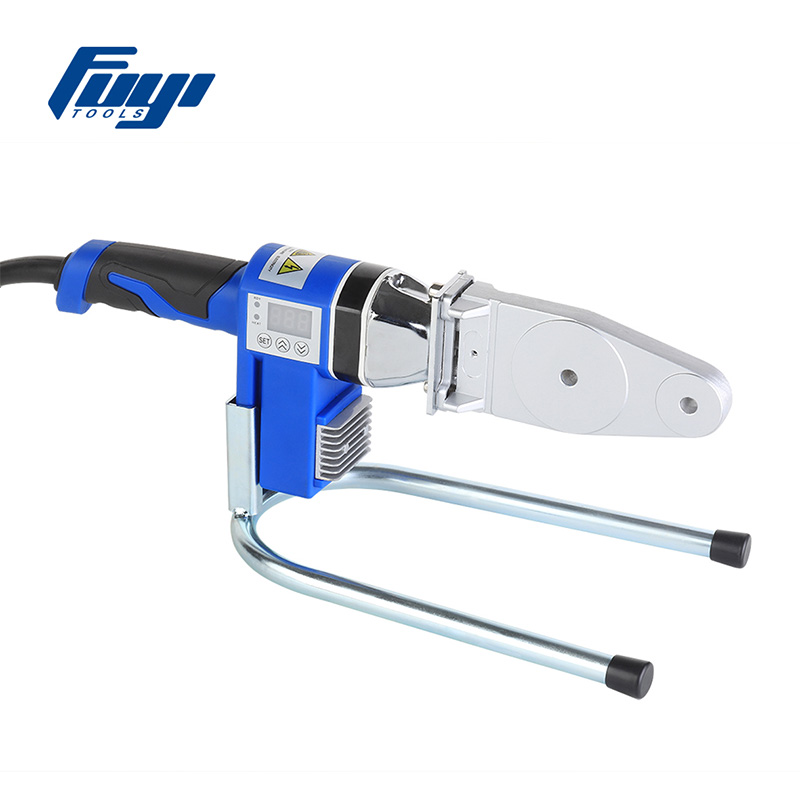
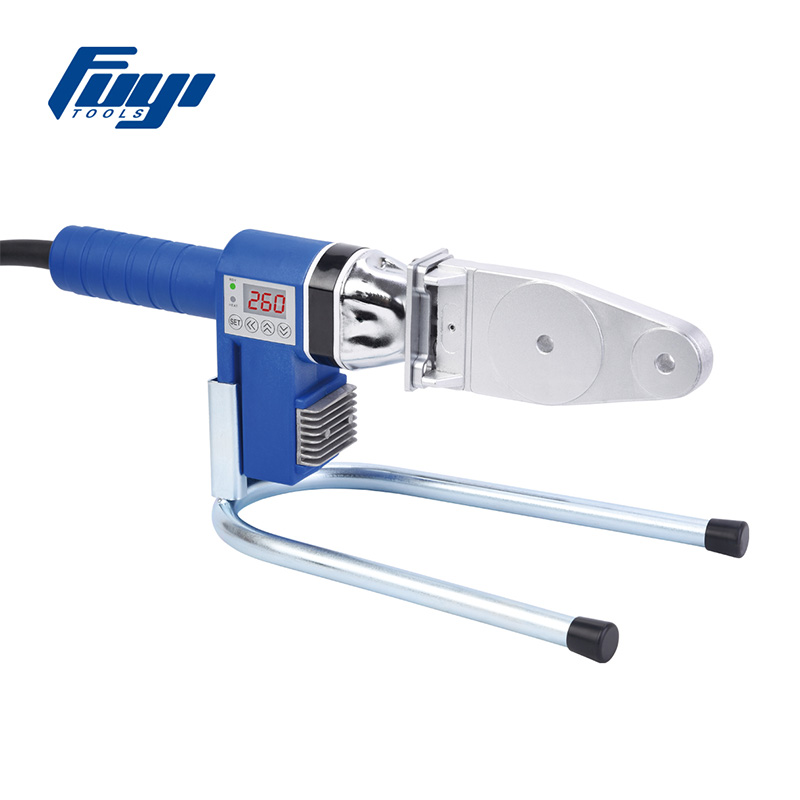
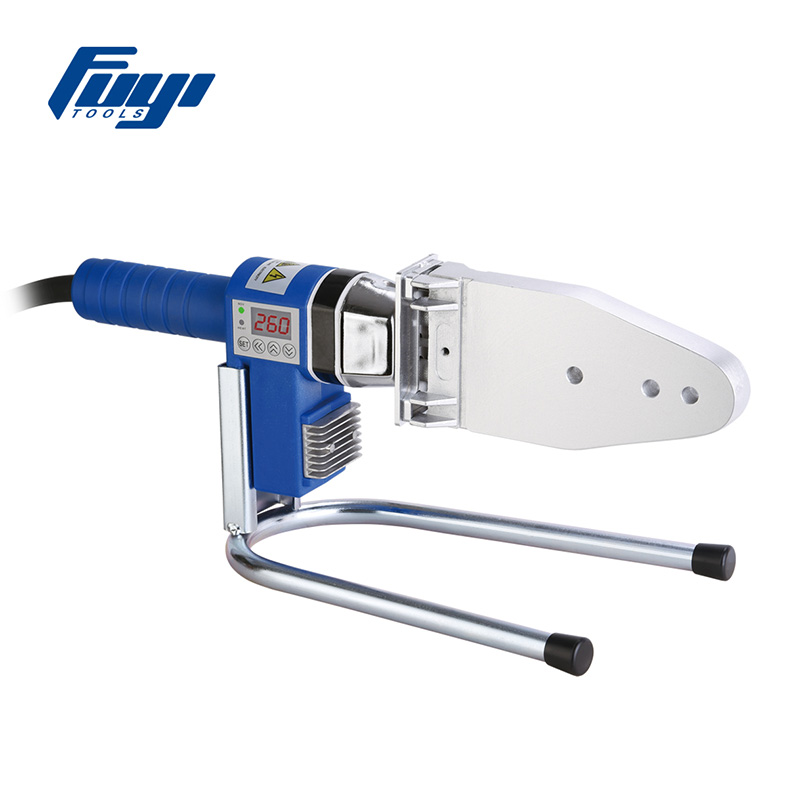
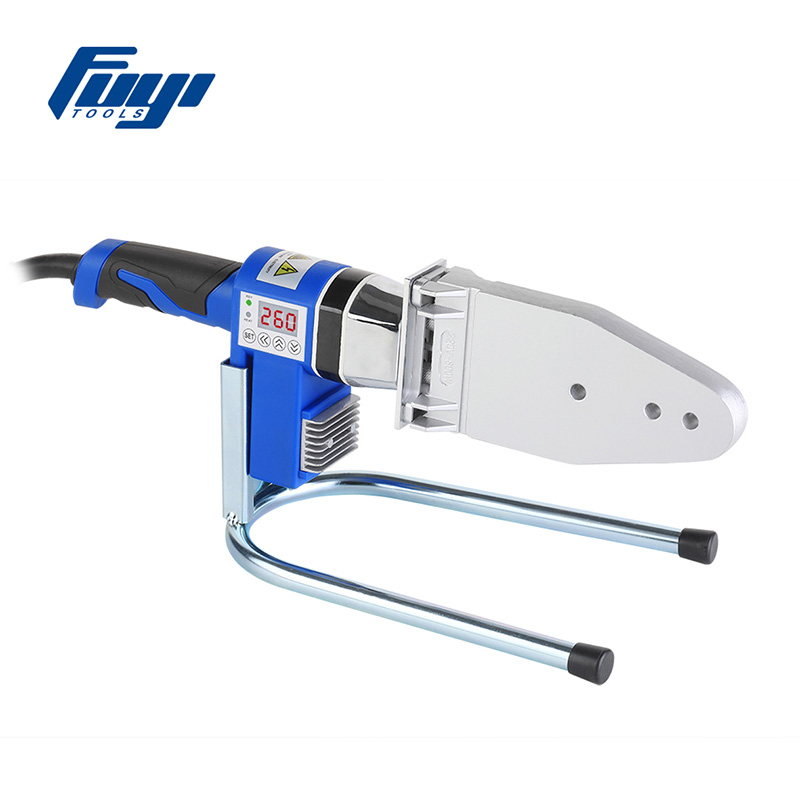
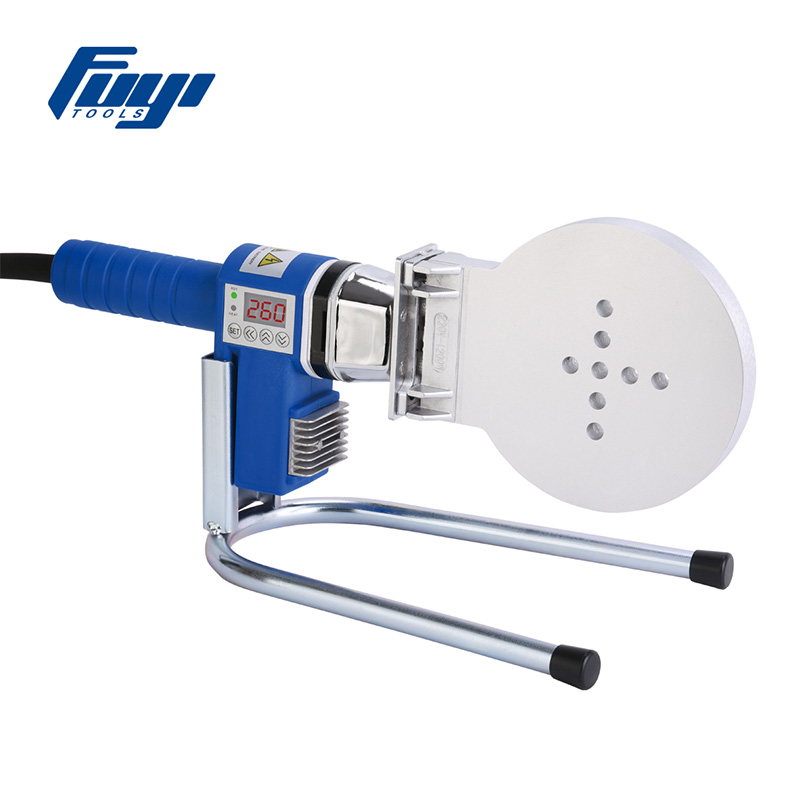
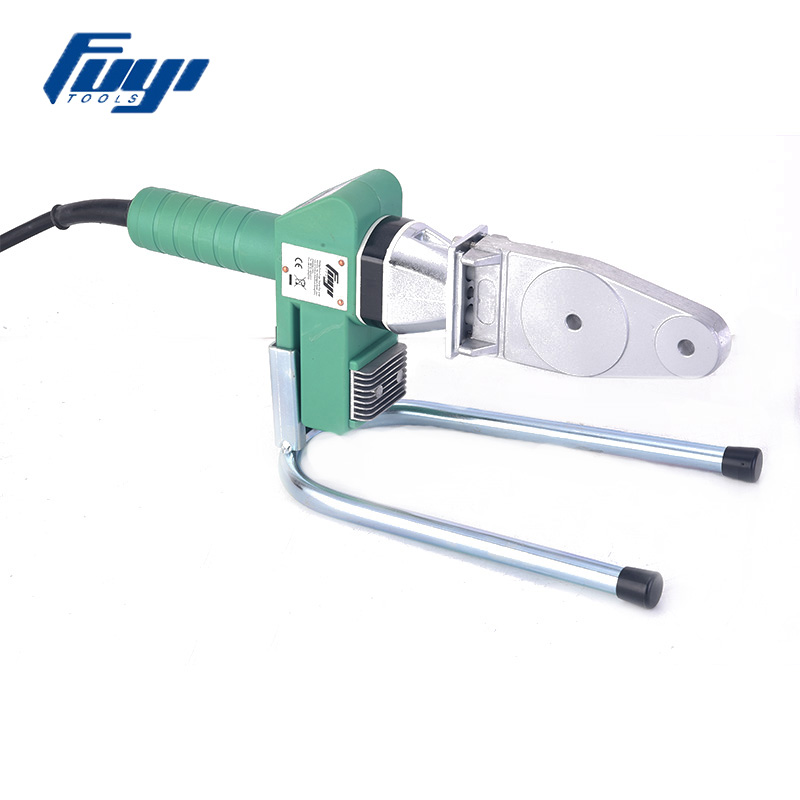
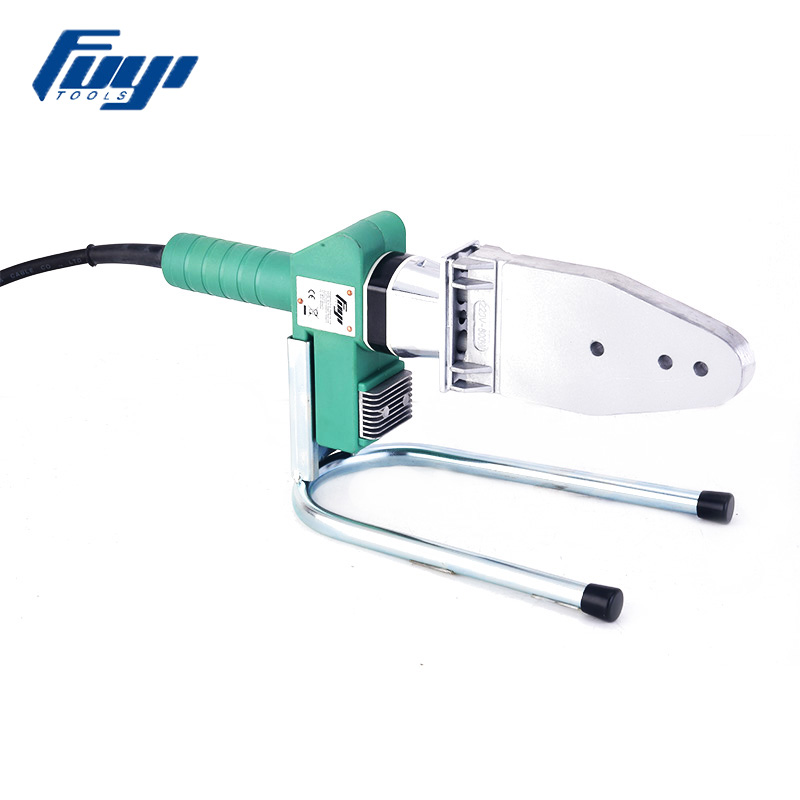
A constant-temperature machine keeps the plate stable through repeated joints. A digital model shows the actual temperature, which helps when the day is cold, the power supply is uneven, or the crew is working fast. For 20–63 mm site work, a portable unit such as our FYF63 constant-temperature socket welder is the kind of tool that keeps the routine simple.
 FYF63 Constant-Temperature Socket Fusion Welder for PPR and HDPEPortable constant-temperature unit for 20–60 mm PPR and HDPE socket joints, with temperature control suited to site water and gas pipeline work.View Product →
If you want a deeper field checklist, our notes on best practices for a strong, leak-free socket weld are worth keeping with the machine.
Butt Fusion and Electrofusion: Different Jobs, Same Logic
Butt fusion and electrofusion are often compared, but they solve different field problems. Butt fusion is a pressure joint between two pipe ends. Electrofusion is a fitting-based joint, driven by current and a controlled melt. Both depend on preparation and both punish shortcuts.
| Method | Typical diameter | Best fit | Main watch point |
|---|---|---|---|
| Socket fusion | 20–110 mm | Small and medium PP-R/PE services | Insertion depth and no twisting |
| Butt fusion | 63 mm and above | Large PE mains and transmission work | Facing, alignment, and pressure |
| Saddle fusion | 32–315 mm | Branch connections and hot taps | Outlet fit and clamping |
| Electrofusion | 20–315 mm and above | Tight access, repairs, and larger fittings | Scraping, moisture, and cooling |
For trench work and repair, an inverter electrofusion unit is easier to move and easier on temporary power. Our 20–315 mm inverter model is designed for that kind of day: one case, a clear display, and enough output for common PE fittings.
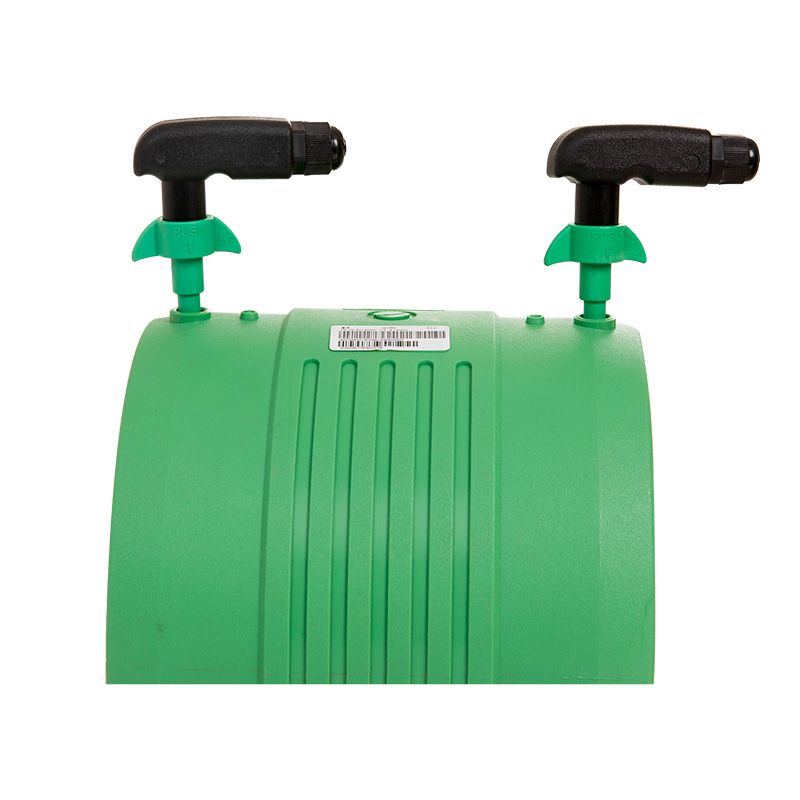 FYEFM-315 20–315 mm Inverter Electrofusion Welding MachinePortable inverter electrofusion unit for PP-R, PP and HDPE fittings from 20 to 315 mm, with display and stored records for trench and repair work.View Product →
The table is a guide, not a specification. Always confirm the fitting manufacturer's cooling time and the project's testing requirements.
The Small Tools That Decide the Joint
Fusion machines get the attention, but the small tools decide whether the machine can do its job. A welder cannot fix a pipe that was cut out of square or a surface that was never scraped.
Pipe cutters
A sharp cutter gives a square end. Ratchet and rotary cutters help on larger PE and in tight spaces.
Chamfering tools
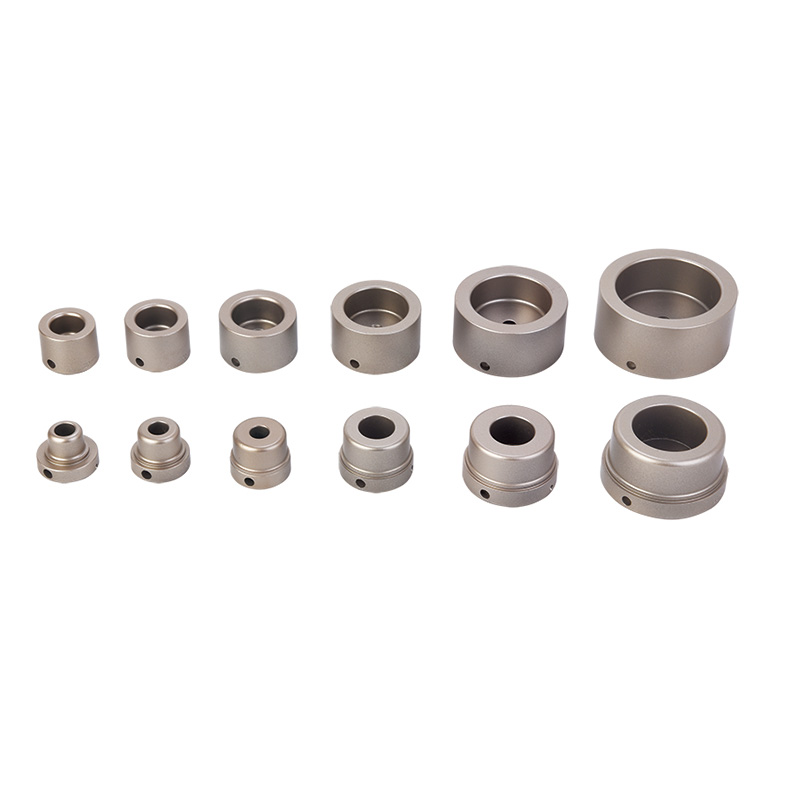
A chamfer guides the pipe into the socket and reduces the chance of shaving the melt. We make metric and inch chamfering tools for different pipe standards, because a 20 mm PP-R line and a 110 mm PE line do not ask for the same entry angle.
Electrofusion scrapers
The scraper removes the oxide layer and gives the fitting a clean surface. Depth and consistency matter more than speed.
Cold ring pliers
These help seat and position cold rings and related components without damaging the pipe surface.
A scraper is a good example. It looks simple, but the blade depth, the angle, and the habit of checking the full circumference are what make it work. Our FYEPS400 scraper is built for that repeatable, full-wrap preparation on HDPE pipe.
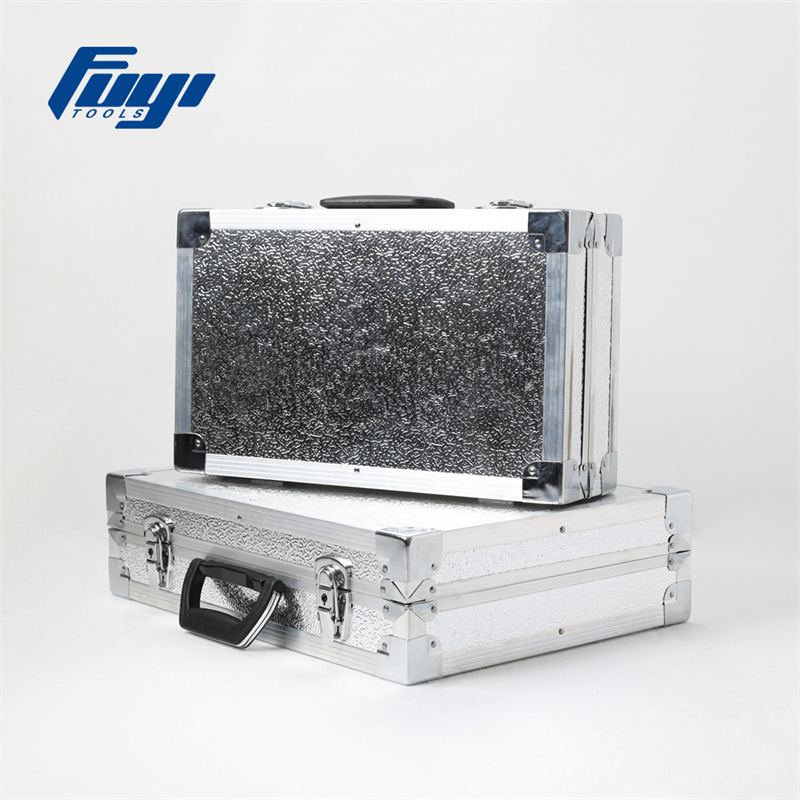 FYEPS400 Electrofusion HDPE Pipe Scraper up to 400 mmFull-wrap HDPE pipe scraper for electrofusion preparation up to Ø400 mm, supporting consistent blade depth and circumference checks before fitting.View Product →
Choosing a Fusion Piping Setup
There is no universal fusion kit. The right setup starts with the pipe, not the catalogue.
- Material: PP-R, PE, and PVDF have different temperature and preparation needs.
- Diameter: Small socket work rewards portability; large mains need facing, pressure, and lifting.
- Access: A trench, a ceiling void, or a plant room can make a fitting-based method the only practical choice.
- Power: Butt fusion needs a stable supply for the heater and drive; inverter electrofusion is more forgiving on site power.
- Skill: A digital display helps, but training and a consistent routine help more.
- Documentation: Record temperature, time, pressure, and operator. A joint you cannot trace is a joint you cannot defend.
A sensible kit often includes one primary welder, a matched set of heating tools, a square cutter, a scraper, a chamfering tool, and a calibration check for the temperature. Add diameter-specific inserts and a clean storage box, and the crew has fewer reasons to improvise.
Field Quality: What Goes Wrong and Why
Most fusion defects are not mysterious. They leave clues before the pressure test.
Symptoms you may see
- A bead that is uneven or much smaller on one side
- A fitting that alarms during electrofusion
- A pipe that bottoms out too easily or not at all
- A joint that weeps at the first pressure check
What to check first
- Cut square, depth mark, and insertion line
- Heater plate temperature and cleanliness
- Scraping depth and full circumference
- Cooling time and movement during cooling
If a joint fails, cut it out rather than trying to rescue it. A re-weld over a contaminated interface rarely behaves like a new joint. Keep the failed sample, record the conditions, and check the machine against a known reference.
A Practical Routine for Better Fusion Joints
A good fusion piping programme is built on repetition, not heroics. The routine below is short enough to use every day.
- Start the day with a temperature check and a clean heating surface.
- Match the heating tool, scraper, and chamfer to the pipe size before the first joint.
- Keep a written chart at the machine, not in a van.
- Stop the crew when the weather changes sharply; wind and rain change cooling.
- Log every joint and keep samples for destructive testing when the specification asks for it.
Training matters as much as hardware. A five-minute briefing on insertion depth and cooling can save a day of repair. At Fuyi Tools, we would rather sell a simple machine that a crew understands than a complex one that stays in its case.
Fusion Piping FAQ
Is fusion piping the same as welding?
In practice, yes. Heat fusion is a welding process for thermoplastics, but it is not the same as metal welding. The pipe and fitting melt and merge without filler metal.
Can PP-R and PE be fused together?
They are different materials with different melt behaviour. A direct joint is not recommended. Use a transition fitting or a mechanical connection approved for the system.
What temperature should I use for socket fusion?
Follow the pipe or fitting manufacturer's chart. Many PP-R systems use around 260°C, but PE and larger wall thicknesses can differ. The chart, not habit, is the reference.
How long should a fusion joint cool?
Long enough for the interface to set fully. Time depends on diameter, wall thickness, material, and ambient conditions. Do not pressure test or bend the joint while it is warm.
Socket fusion or electrofusion?
Socket fusion is direct and portable for smaller diameters. Electrofusion is often better in tight access, for repairs, and for fittings where a heating tool cannot reach. The project specification usually decides.
How do I test a fusion joint?
Start with visual inspection and dimensional checks. Then follow the project's pressure test and documentation requirements. For qualification work, destructive testing of samples gives the clearest picture.
Related Products

 +86-158 6813 9123
 +86-571- 82432777
 selena.zhong@fuyitools.com
 No.7 Yangguang Road, Linpu Industrial Area, Hangzhou City, Zhejiang Province, China
Copyright © 2024 Hangzhou Fuyi Tools Co., Ltd. All Rights Reserved.
|
