

 Eng
 русский
 Español
Home / News / Industry News / 2 Inch HDPE Pipe: Jointing Methods, Tools, and Best Practices for Installers
Industry News
Oct 19,2026
2 Inch HDPE Pipe: Jointing Methods, Tools, and Best Practices for Installers
When you are running a water line, an irrigation main, or a cable duct, a 2 inch HDPE pipe often hits the sweet spot between flow capacity and handling ease. It is light enough for one person to carry in coils, yet strong enough to handle pressure and ground movement when it is installed correctly. In this guide, we share what we have learned from years of building tools for HDPE and PP-R pipe work, so you can choose the right method and avoid the small mistakes that lead to leaks.
What Is a 2 Inch HDPE Pipe?
In everyday conversation, "2 inch HDPE pipe" can mean one of two things. It may refer to a pipe made to IPS (Iron Pipe Size) dimensions, where the outside diameter is 2.375 inches (60.3 mm). It may also mean a metric pipe with a 63 mm outside diameter, which is the closest metric equivalent and is often called 2 inch as well. Both are common in HDPE systems, but the fittings and fusion tools must match the actual outside diameter.
HDPE pipe is sold in different pressure ratings, usually defined by its SDR (Standard Dimension Ratio). A lower SDR number means a thicker wall and a higher pressure rating. The table below shows typical dimensions for these two "2 inch" pipes.
| Nominal Size | Outside Diameter | Common SDR | Approx. Wall Thickness | Typical Joining Method |
|---|---|---|---|---|
| 2 inch IPS | 2.375 in (60.3 mm) | SDR 11 | 5.5 mm | Socket fusion, electrofusion |
| 2 inch IPS | 2.375 in (60.3 mm) | SDR 17 | 3.5 mm | Socket fusion, electrofusion |
| 2 inch Metric | 63 mm | SDR 11 | 5.7 mm | Socket fusion, electrofusion |
| 2 inch Metric | 63 mm | SDR 17 | 3.7 mm | Socket fusion, electrofusion |
Before you buy fittings or plan a weld, measure the outside diameter with a caliper or check the pipe print line. A 60.3 mm pipe and a 63 mm pipe look similar, but they need different fusion tooling.
Common Applications of 2 Inch HDPE Pipe
Because it is flexible, corrosion resistant, and easy to join, 2 inch HDPE pipe shows up in many jobs. Here are some of the most common ones we see:
- Residential and municipal water service lines where a reliable, freeze-tolerant pipe is needed.
- Irrigation mains and lateral lines for farms, gardens, and landscapes.
- Mine dewatering and slurry lines that need abrasion resistance.
- Cable and conduit protection for electrical or fiber optic runs.
- Geothermal ground loops and heat pump systems.
- Temporary bypass lines on construction sites.
In most of these applications, the pipe is joined by heat fusion. That creates a monolithic, leak-free connection that is stronger than the pipe itself when the procedure is followed correctly.
Joining Methods for 2 Inch HDPE Pipe
There are three main ways to join 2 inch HDPE pipe: socket fusion, electrofusion, and mechanical joining. Each has a place, depending on the job site, the pipe size, and the available equipment.
Socket Fusion Welding
Socket fusion is the most common method for small and medium diameter HDPE pipe. A heating tool warms the outside of the pipe end and the inside of the fitting socket at the same time. Then the pipe is pushed into the fitting and held until the joint cools. For 2 inch pipe, socket fusion is fast, portable, and economical. The key is to use the correct heating tool, ensure the pipe and fitting are clean, and follow the recommended heating and cooling times.
Electrofusion Welding
Electrofusion uses a fitting with an embedded heating wire. An electrofusion machine applies current to the wire, which melts the plastic around the joint. This method is excellent for tight spaces, for repairs, and for joining pipes that are already in the trench. If you want to understand the process in more detail, our article on the working mechanism of electrofusion welding explains how the wire and plastic interact. Electrofusion fittings cost more than socket fittings, but they can save time on complex jobs.
Mechanical Joining
Mechanical couplings, flanges, and compression fittings are also available for 2 inch HDPE pipe. They are useful when you need a temporary connection, when you are tying into an existing system, or when thermal fusion is not practical. However, mechanical joints rely on gaskets or O-rings, so they need proper support and regular inspection. For permanent, buried lines, heat fusion is usually the better choice.
Essential Tools for 2 Inch HDPE Pipe Work
A good fusion joint starts long before the heater touches the pipe. You need clean, square cuts and a properly prepared surface. Over the years, we have found that the right hand tools make the biggest difference in daily work.
Cutting Tools
HDPE pipe must be cut square and without crushing. A dull or inappropriate cutter can leave an oval end or a rough edge that will not fuse properly. For 2 inch pipe, a heavy-duty plastic pipe cutter with a ratcheting mechanism is a practical choice. It gives you clean cuts with less hand fatigue, especially when you are working in a trench.
 FYC-105 Heavy Duty Plastic Pipe Cutter Plumbing ToolThe FYC-105 Heavy Duty Plastic Pipe Cutter Plumbing Tool stands out as an ideal choice for a variety of pipes, including PVC, aluminum, or plastic pipes, gas pipes, el...View Product →
If you are cutting many pipes or working with thicker walls, a rotary cutter or a powered saw with a plastic-cutting blade can also work, but you must deburr and square the end afterward.
Surface Preparation
Electrofusion and socket fusion both require a clean, oxidized-free surface. For electrofusion, you typically scrape the pipe end with a suitable scraper to remove the outer layer. This step is not optional; it removes contamination and ensures the melt flows properly. A dedicated HDPE pipe scraper makes the job faster and more consistent than using a knife or sandpaper.
 Electrofusion HDPE Pipe Scraper for PP-R, PP, and HDPE PipesPrepares plastic pipe surfaces before electrofusion, helping remove oxidation and contamination for consistent melts on jobs up to Ø400 mm.View Product →
For socket fusion, you should also wipe the pipe and fitting with a clean, dry cloth. Some installers use isopropyl alcohol, but always check the pipe manufacturer's recommendations first.
Heating and Welding Equipment
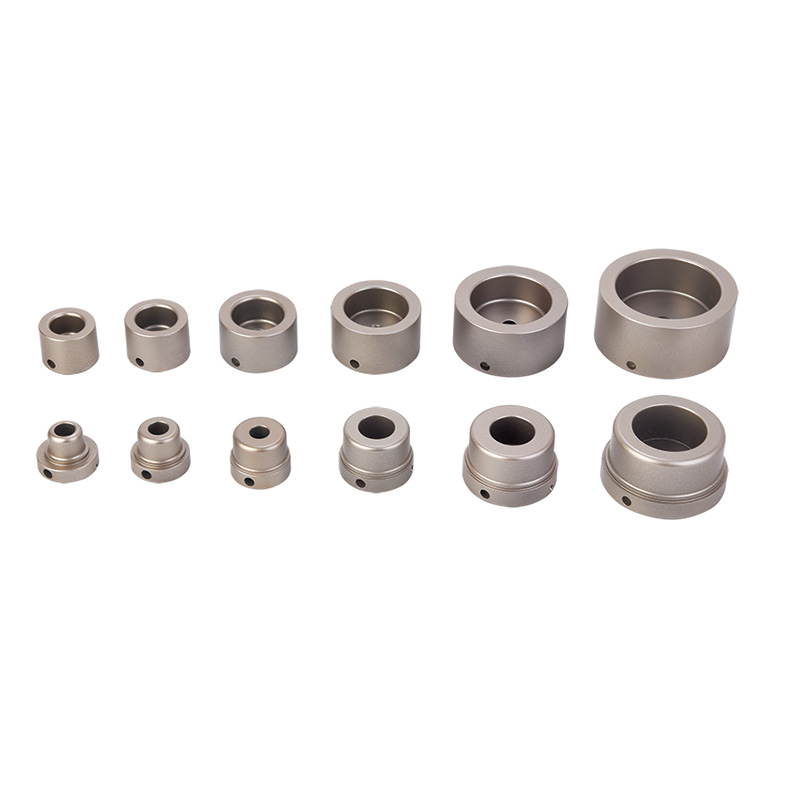
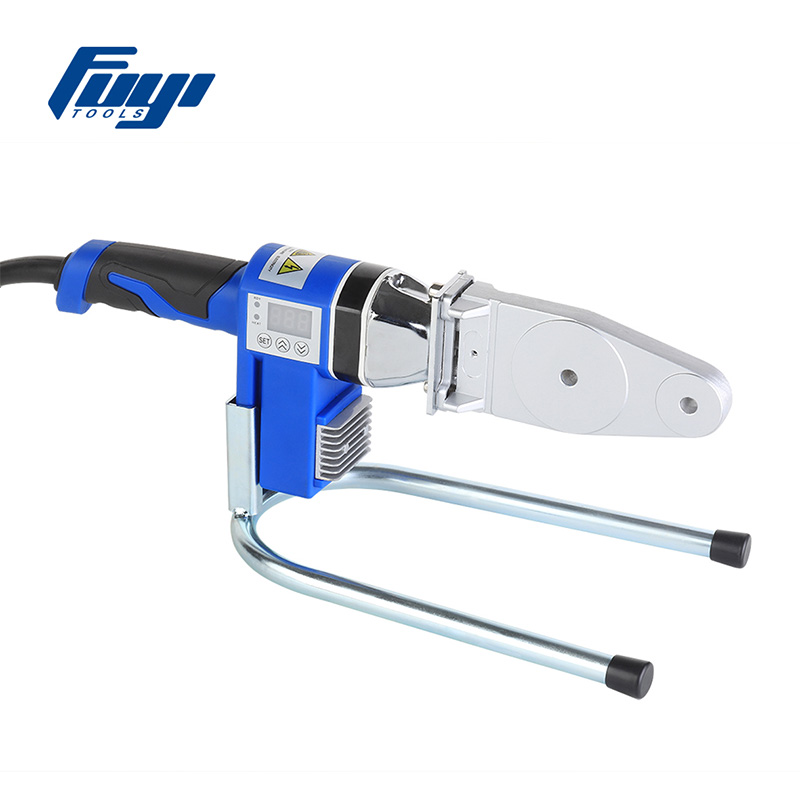
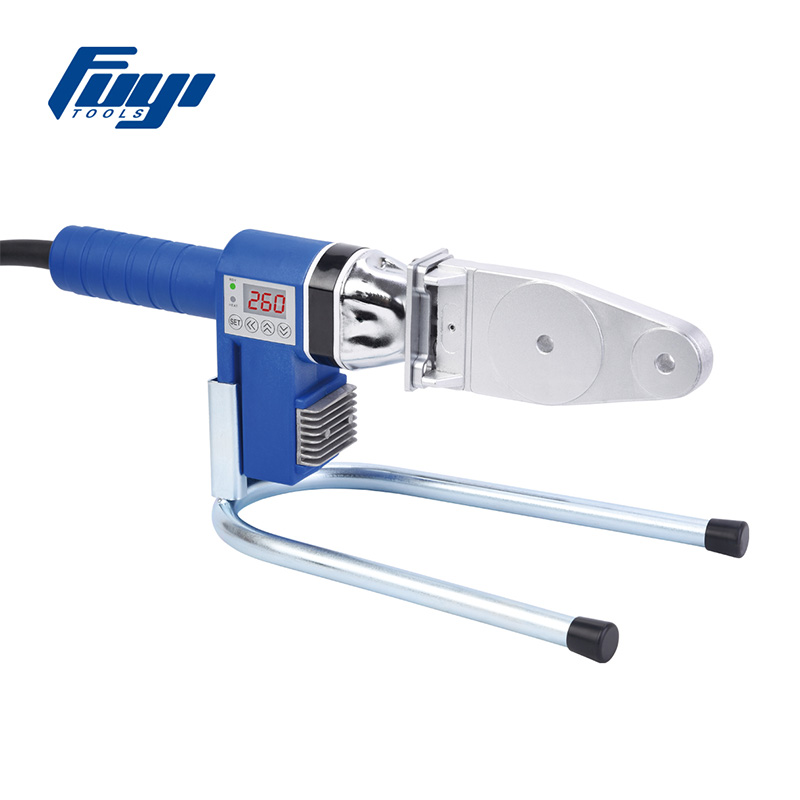
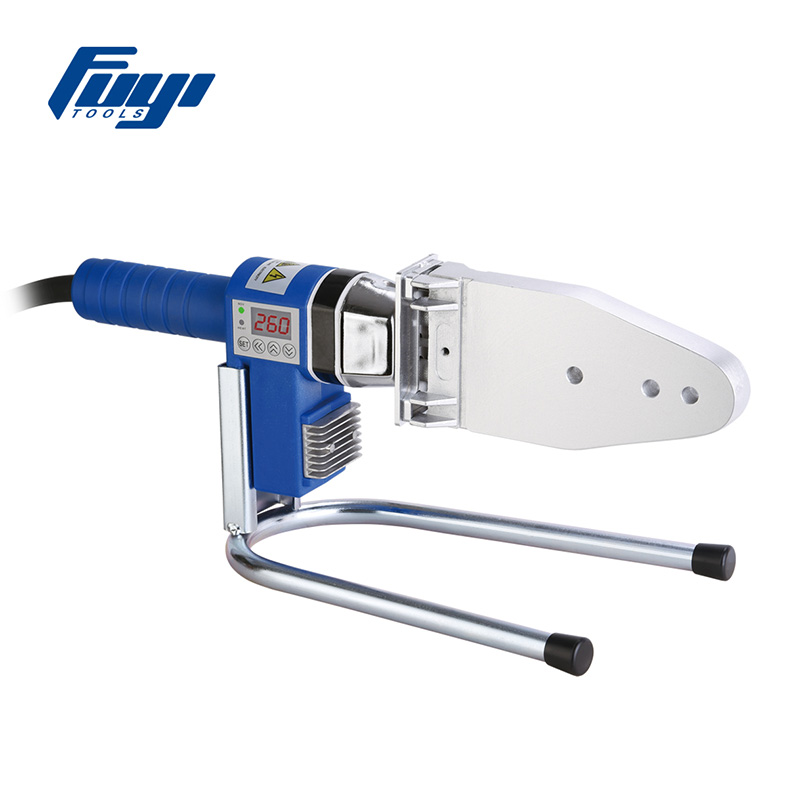
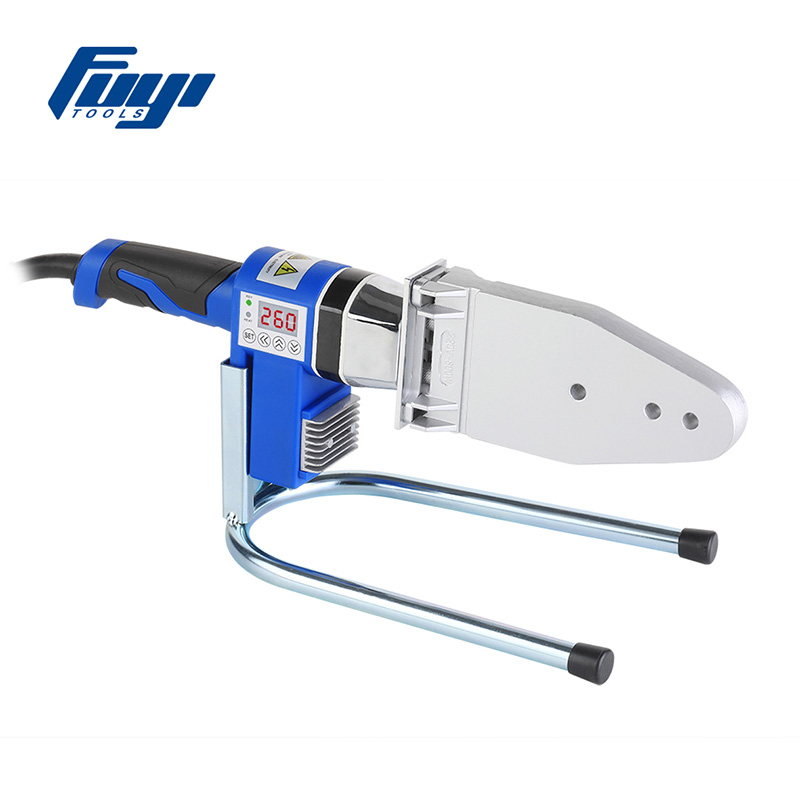
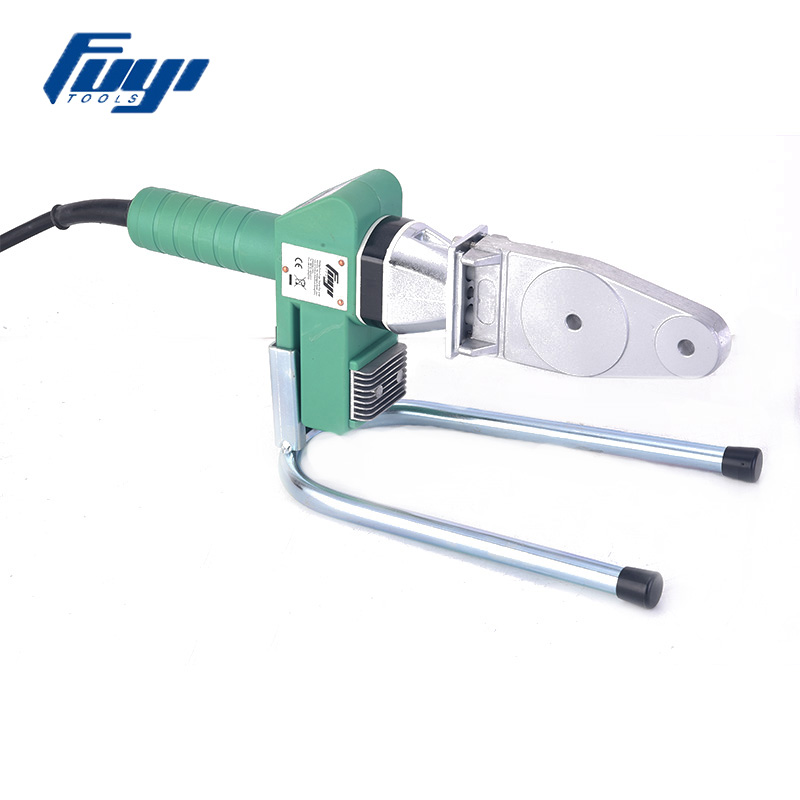
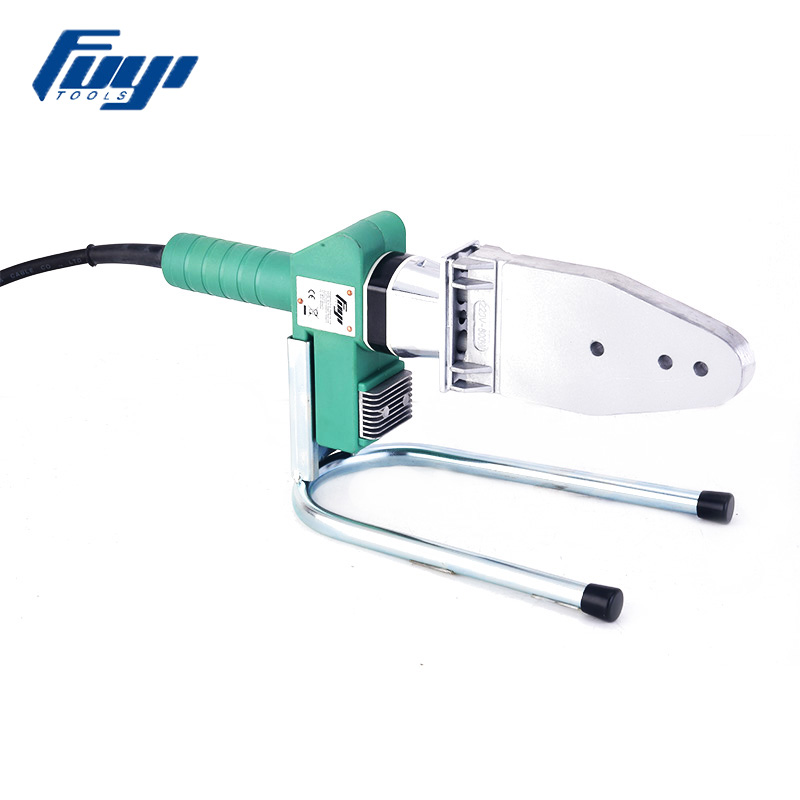
For 2 inch (63 mm) HDPE pipe, a digital socket fusion welding machine gives you precise temperature control and a clear display. This is helpful when you are working with different pipe thicknesses or when the ambient temperature changes during the day. A constant temperature machine is also a reliable option if you prefer a simpler setup.
 FYD63 63mm Digital Socket Fusion Welding Machine for PPR PipesOffers digital temperature display and control for socket fusion up to 63 mm, with adapters for PP-R, PB, PE, and PVDF pipe materials.View Product →
Whichever machine you choose, always use the correct heating adapters for your pipe size and verify the temperature with an external thermometer before starting production welds.
Step-by-Step Socket Fusion Welding of 2 Inch HDPE Pipe
Here is a practical sequence for making a socket fusion joint on 2 inch HDPE pipe. Always follow the pipe and fitting manufacturer's instructions, as heating times can vary by wall thickness and material grade.
- Cut the pipe square using a suitable cutter. Check the cut with a square or a pipe end gauge.
- Clean the pipe end and the inside of the fitting with a clean, dry cloth. Remove any dirt, moisture, or grease.
- Mark the insertion depth on the pipe according to the fitting socket depth. This helps you avoid over- or under-insertion.
- Install the correct heating adapters on the fusion machine and bring it to the recommended temperature. For HDPE, this is typically around 200 to 230 degrees Celsius, but confirm the exact value with the pipe supplier.
- Insert the pipe end and the fitting into the heating adapters at the same time. Heat for the recommended time. For a 63 mm pipe with standard wall, this is often around 30 to 40 seconds, but thicker walls need more time.
- Remove the pipe and fitting from the heater, then immediately push the pipe straight into the fitting up to the insertion mark. Do not twist the pipe.
- Hold the joint steady for the initial cooling time, usually a few seconds to half a minute, until the plastic begins to set. Then release and let the joint cool completely before handling or pressure testing.
- Inspect the weld bead. A uniform, even bead around the fitting is a good sign. If the bead is uneven or missing, cut out the joint and start again.
Key Parameters and Quality Checks
Consistency is everything in HDPE fusion. Small changes in heating time, temperature, or cooling time can weaken the joint. The table below summarizes the main variables to watch.
| Parameter | Typical Range or Action | Why It Matters |
|---|---|---|
| Heater temperature | 200–230 °C | Too low causes incomplete melting; too high degrades the plastic. |
| Heating time | 30–40 seconds for 63 mm standard wall | Controls melt depth and joint strength. |
| Insertion depth | Marked per fitting | Ensures full engagement and proper bead formation. |
| Cooling time | Several minutes before handling | Prevents movement while the joint is still soft. |
| Weld bead | Uniform, continuous ring | Indicates proper heating and insertion pressure. |
After the joint cools, you can perform a visual inspection. For critical lines, pressure testing or bend testing may be required. If a joint fails the test, do not try to patch it; cut it out and make a new one.
Common Mistakes to Avoid
Even experienced installers can fall into bad habits. These are the issues we see most often when people are working with 2 inch HDPE pipe.
- Cutting the pipe at an angle or leaving a rough edge. Always cut square and deburr.
- Skipping the scraping step for electrofusion. The oxidation layer must be removed.
- Using the wrong size heating adapters. A loose adapter will not transfer heat evenly.
- Heating the pipe for too long or too short. Use a timer and follow the chart.
- Twisting the pipe during insertion. Push it straight in.
- Moving the joint too soon after fusion. Let it cool completely.
- Welding in wind, rain, or very cold conditions without protection. Use a welding tent or shelter if needed.
If you are new to the process, practice on scrap pipe first. A few trial joints will help you get a feel for the heating time and insertion pressure.
Why Choose Fuyi Tools for 2 Inch HDPE Pipe Projects
At Fuyi Tools, we have spent 16 years designing and manufacturing pipe fusion equipment and tools for PP-R and PE pipe work. We are based in Hangzhou, China, close to Ningbo and Shanghai ports, and we ship to customers in Europe, Russia, the Americas, Asia, and beyond. Our product range covers socket fusion welding machines, electrofusion welding machines, bench machines, pipe cutters, chamfering tools, cold ring pliers, scrapers, and more.
We know that a 2 inch HDPE pipe joint is only as good as the tool that made it. That is why we focus on stable temperature control, durable heating adapters, and practical designs that hold up to daily jobsite use. Whether you are a contractor, a distributor, or an OEM partner, you can explore our full range of HDPE pipe tools and fusion equipment to find the right setup for your next project.
If you need help matching a machine to your pipe size or customizing a tool for a specific market, our team is happy to talk through the details with you.
Working with 2 inch HDPE pipe is straightforward when you have the right dimensions, the right tools, and a consistent fusion procedure. Take the time to prepare the pipe, control the temperature, and let the joint cool properly. Those small steps are what turn a good-looking weld into a leak-free connection that lasts for decades.
We hope this guide helps you get the job done safely and efficiently. If you have questions about socket fusion, electrofusion, or any of the tools mentioned here, feel free to reach out. We are always glad to share what we have learned.
Related Products

 +86-158 6813 9123
 +86-571- 82432777
 selena.zhong@fuyitools.com
 No.7 Yangguang Road, Linpu Industrial Area, Hangzhou City, Zhejiang Province, China
Copyright © 2024 Hangzhou Fuyi Tools Co., Ltd. All Rights Reserved.
|
