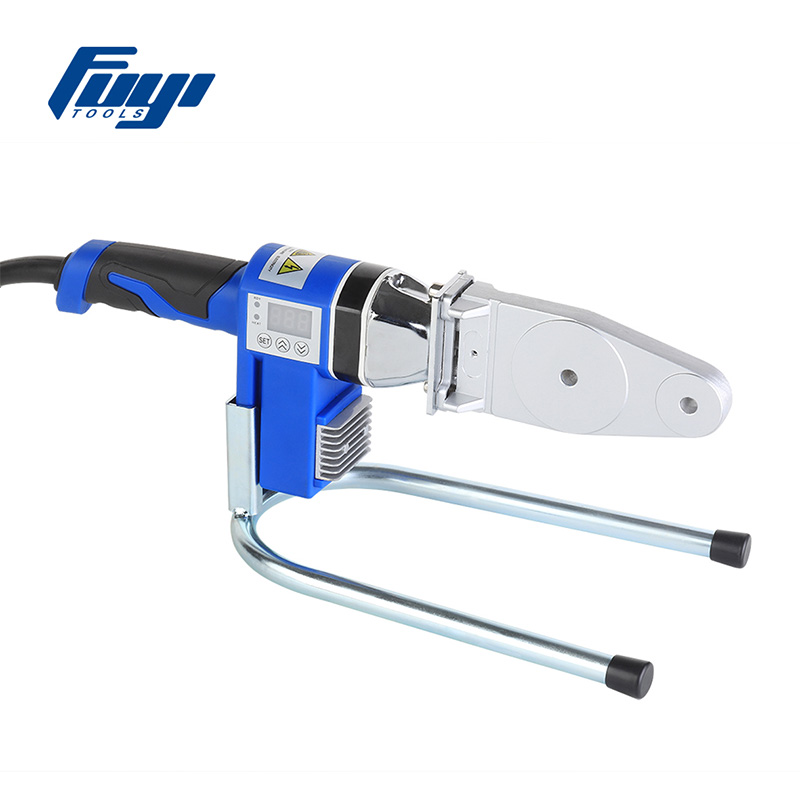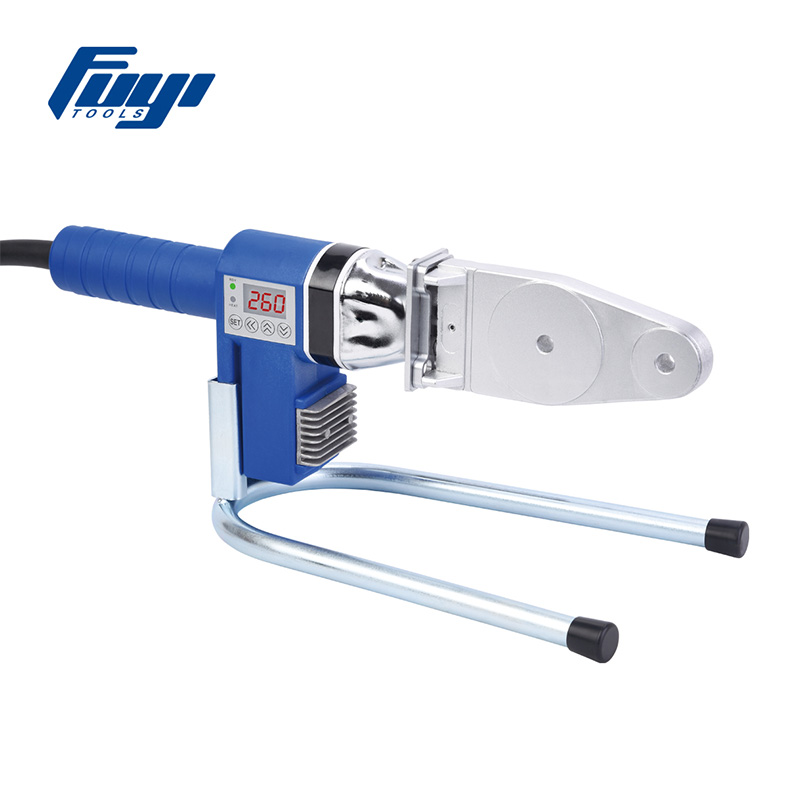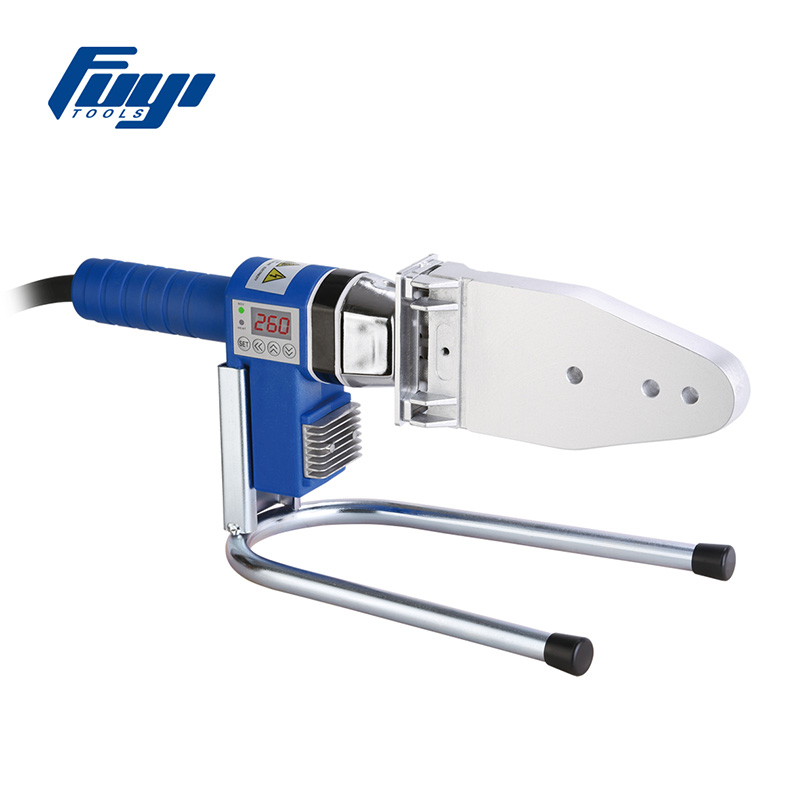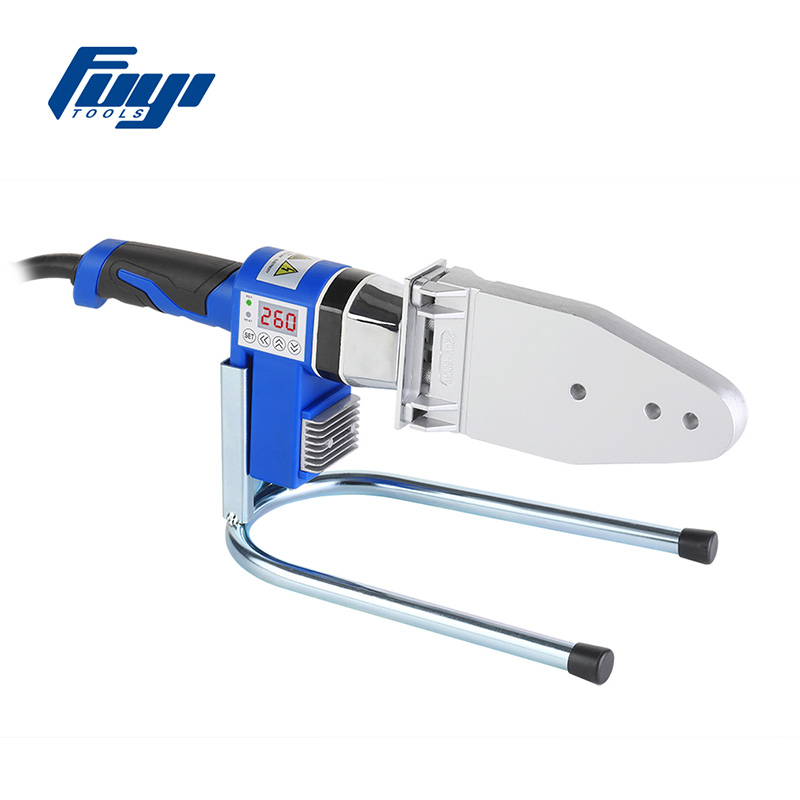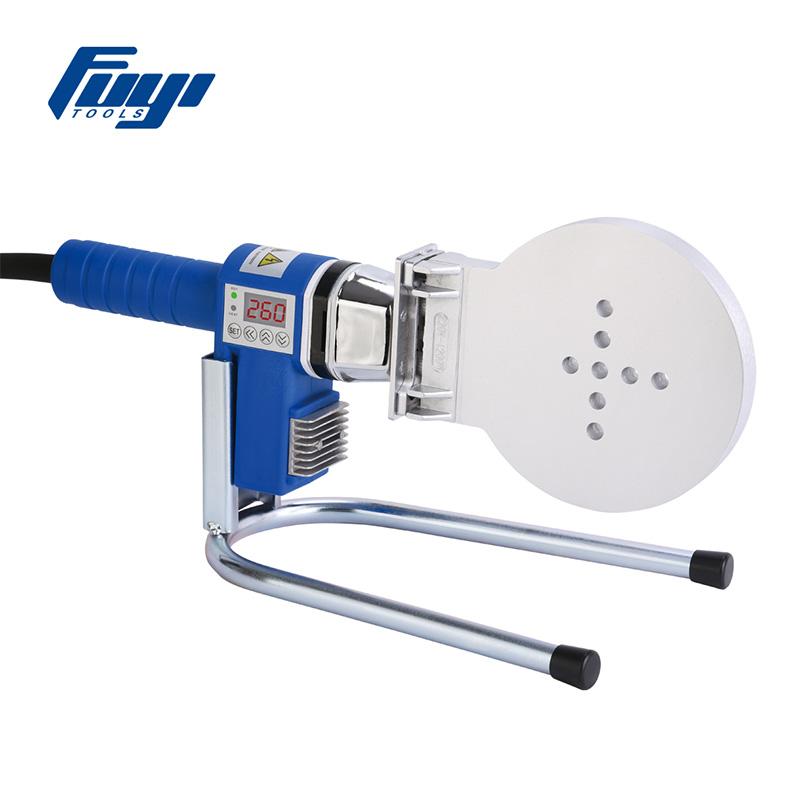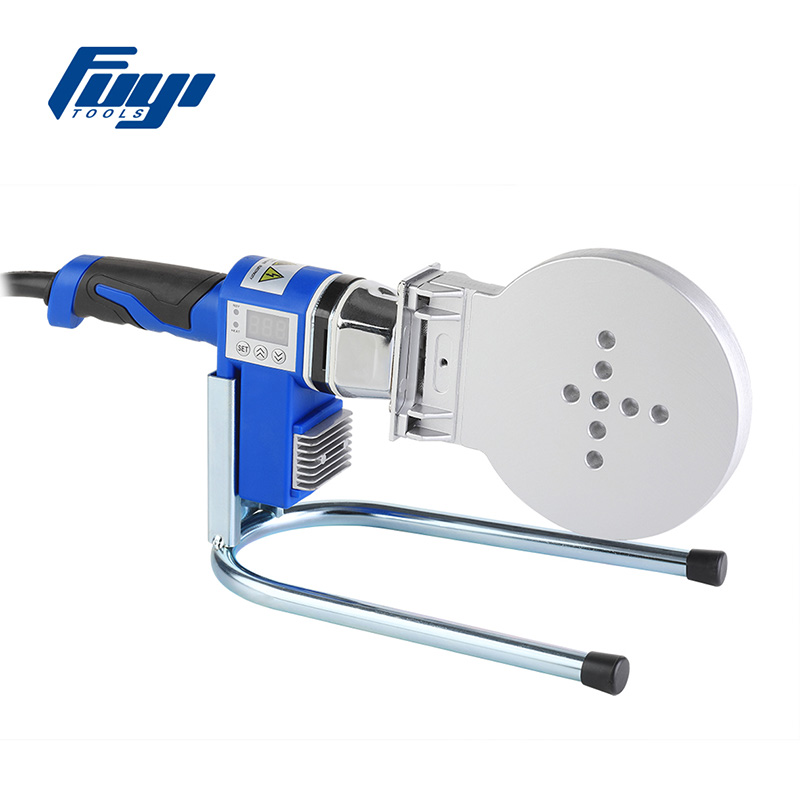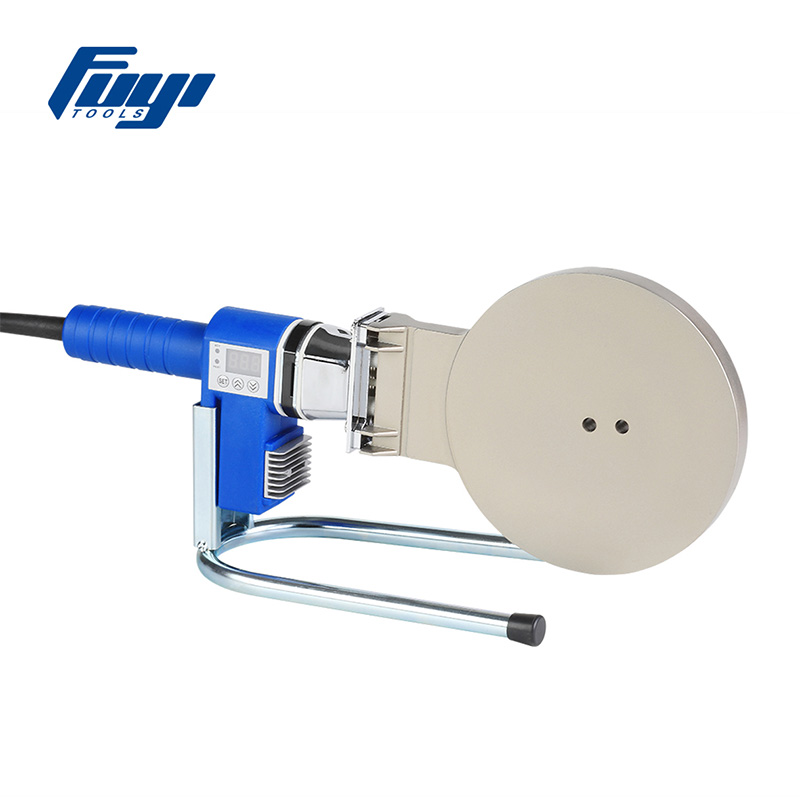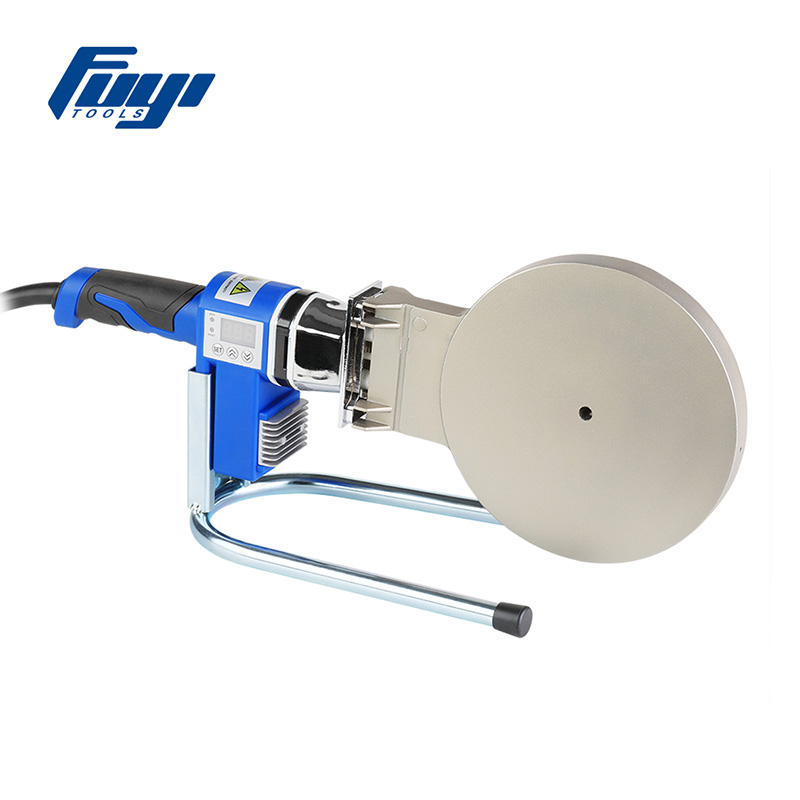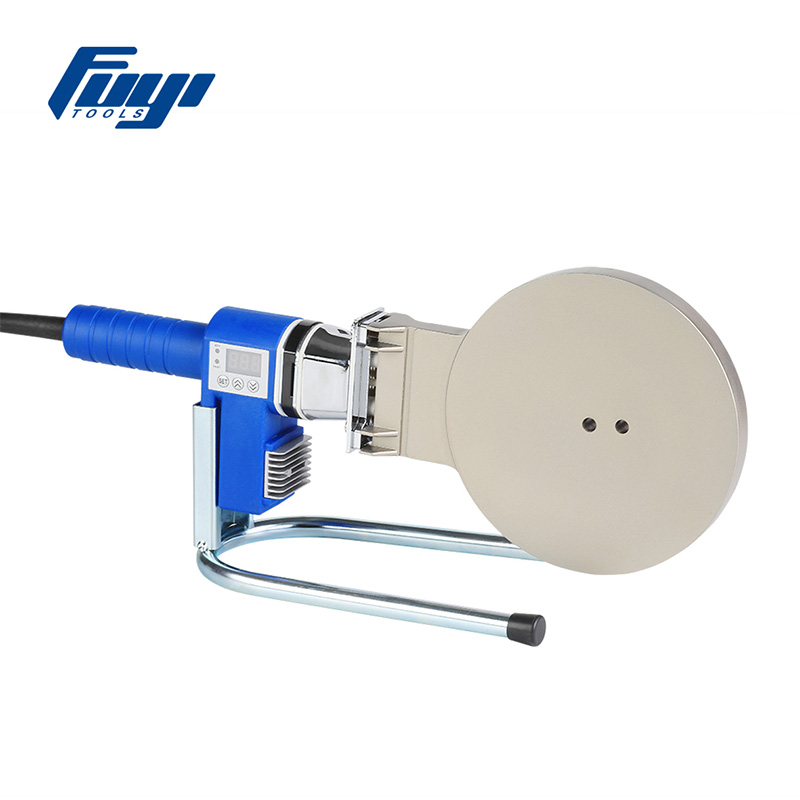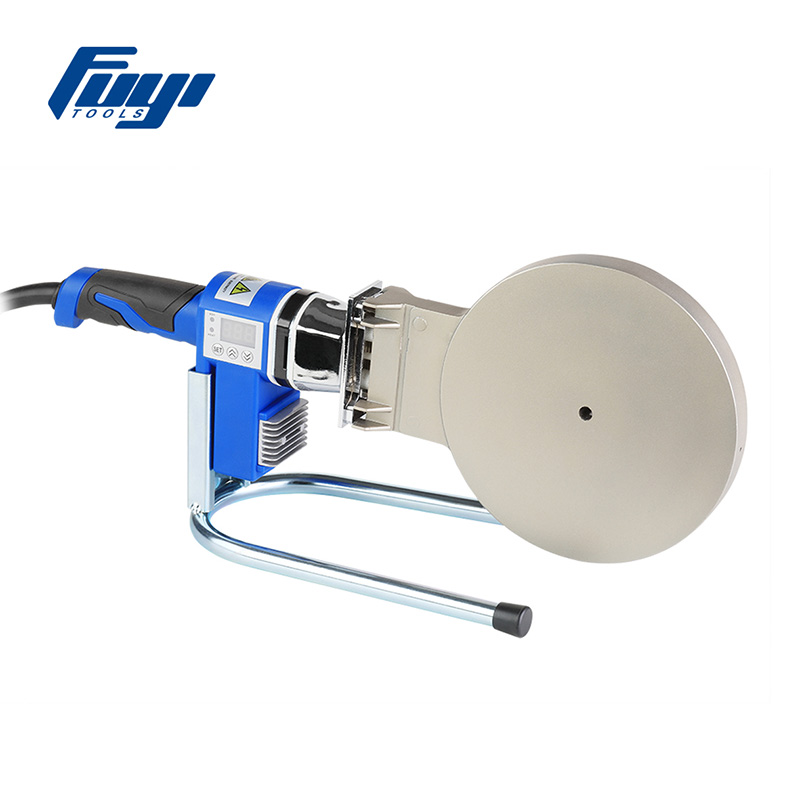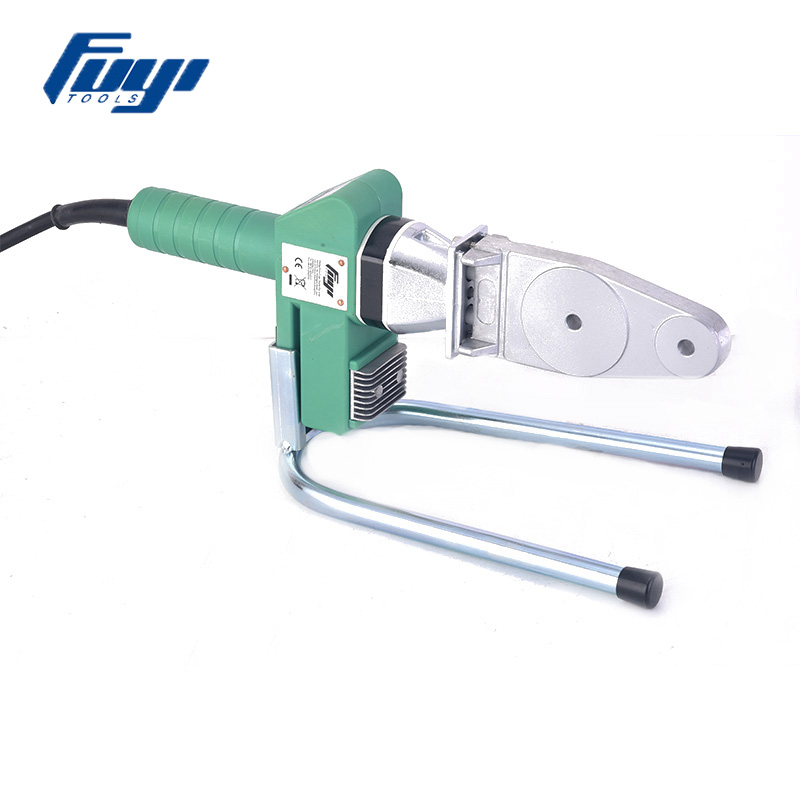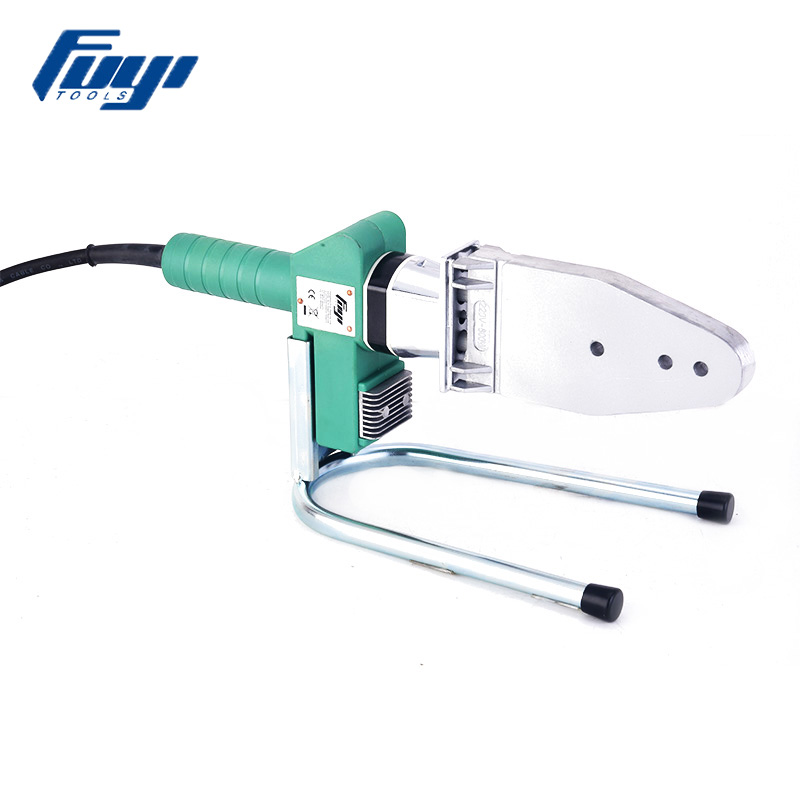
In the competitive landscape of industrial piping, infrastructure development, and large-scale plumbing, time is the most valuable commodity. For contractors and engineers working with thermoplastic materials such as PP-R, HDPE, and PVDF, the choice of equipment determines whether a project stays on schedule or falls victim to expensive delays. While handheld welding tools are common for minor repairs or residential tasks, the Bench Socket Fusion Welding Machine has established itself as the definitive solution for reducing project downtime in commercial and industrial applications. By automating alignment and standardizing the welding process, these machines transform a high-skill, labor-intensive task into a streamlined, high-output production line.
The primary driver of downtime in piping projects is not just the speed of the weld itself, but the “rework” necessitated by failed joints. Handheld welding relies almost entirely on the operator’s manual dexterity and visual estimation. Even a highly skilled technician can struggle to maintain a perfectly straight insertion when dealing with large-diameter pipes or working late into a long shift. If a pipe is inserted too deeply, it can create an internal obstruction; if it is slanted, the structural integrity of the joint is compromised, leading to leaks during pressure testing.
A bench-mounted machine utilizes a precision-engineered guided carriage system. This ensures that the pipe and the fitting are aligned perfectly on a single linear axis throughout the heating and fusion phases. By removing the risk of angular misalignment, the “first-time-right” ratio increases to nearly 100%. This eliminates the massive downtime associated with draining a system, cutting out a leaking joint, and re-welding it in a confined space.
One of the most time-consuming aspects of manual socket fusion is the need to mark and constantly monitor the insertion depth for every single joint. Bench machines feature integrated, adjustable mechanical depth stops. Once the parameters are set for a specific pipe size, the operator can perform hundreds of welds with identical precision. This significantly accelerates the assembly process for pre-fabricated pipe spools, allowing the crew to focus on installation rather than constant measurement.
Manual welding of large diameter pipes (e.g., 63mm up to 125mm) is physically exhausting. It requires significant physical force to push the pipe into the socket and hold it steady during the cooling phase. As fatigue sets in, operator movements become slower and heating times become inconsistent. A bench socket fusion machine uses a lever or handwheel mechanism to provide a mechanical advantage. This allows for a consistent work pace from the beginning of the shift to the end, maintaining a high “welds-per-hour” metric that is crucial for keeping large-scale projects on track.
To effectively minimize project downtime, a bench socket fusion machine must serve as a comprehensive workstation rather than a simple stationary heater. The integration of advanced thermal controls, universal clamping systems, and modular support structures allows for a professional workflow that manual tools cannot replicate.
Inconsistent heating is a major technical bottleneck. If the heating plate takes too long to recover its operating temperature between welding cycles, the entire crew stands idle.
Downtime often spikes when a project requires switching between different pipe diameters. A high-quality bench machine is designed with quick-change inserts for the clamping jaws, allowing the operator to transition from a 40mm line to a 110mm line in a matter of minutes.
| Performance Metric | Handheld Socket Welder | Bench Socket Fusion Machine |
|---|---|---|
| Primary Alignment | Manual / Visual Estimation | Mechanical Linear Slideway |
| Max Diameter Capability | Generally limited to 63mm | Up to 110mm / 125mm |
| Setup Time per Joint | High (Manual Marking) | Low (Mechanical Depth Stops) |
| Average Rework Rate | 5% - 15% (Operator Dependent) | < 1% (System Dependent) |
| Operator Fatigue | High (Heavy manual pressure) | Low (Mechanical Advantage) |
| Consistency | Variable throughout the day | Highly Repeatable |
How does a bench machine facilitate pre-fabrication strategies?
Bench machines are the backbone of “shop-based” pre-fabrication. Instead of technicians attempting complex welds in a muddy trench or a cramped ceiling space, they can build intricate pipe manifolds on a stable workbench in a controlled environment. These completed “spools” are then transported to the site for final connection. This strategy can reduce on-site labor time by up to 40%.
Is the “Changeover Time” significant when switching pipe sizes?
On a professionally designed bench machine, changing the heating sockets and clamping inserts typically takes less than 5 minutes. Because the heating plate stays at or near its operating temperature during the hardware change, there is virtually no waiting time before the next welding cycle can begin.
Does using a bench machine require extensive specialized training?
While the machine is actually easier to use than handheld tools because it removes the “art” of manual alignment, operators do require training on setting mechanical stops and understanding the specific “soak” and “fusion” timing charts provided by pipe manufacturers. Once these basics are mastered, a semi-skilled operator can often produce higher quality welds than a highly skilled manual welder.
What materials are best suited for bench socket fusion?
These machines are primarily used for PP-R (Polypropylene Random Copolymer), but they are equally effective for HDPE (High-Density Polyethylene), PB (Polybutylene), and high-performance materials like PVDF (Polyvinylidene Fluoride) used in chemical processing.
Copyright © 2024 Hangzhou Fuyi Tools Co., Ltd. All Rights Reserved.
|