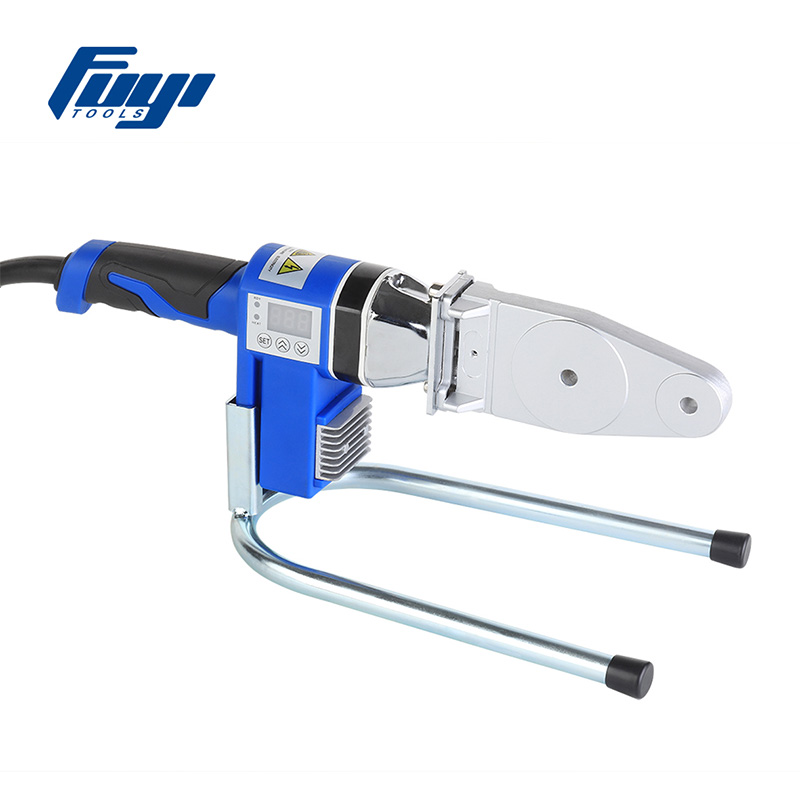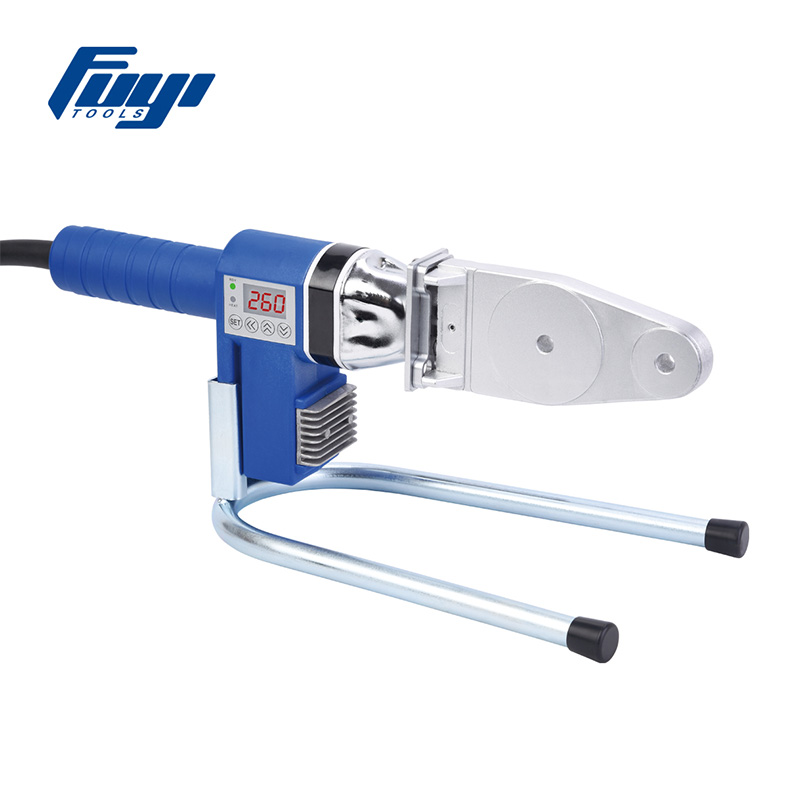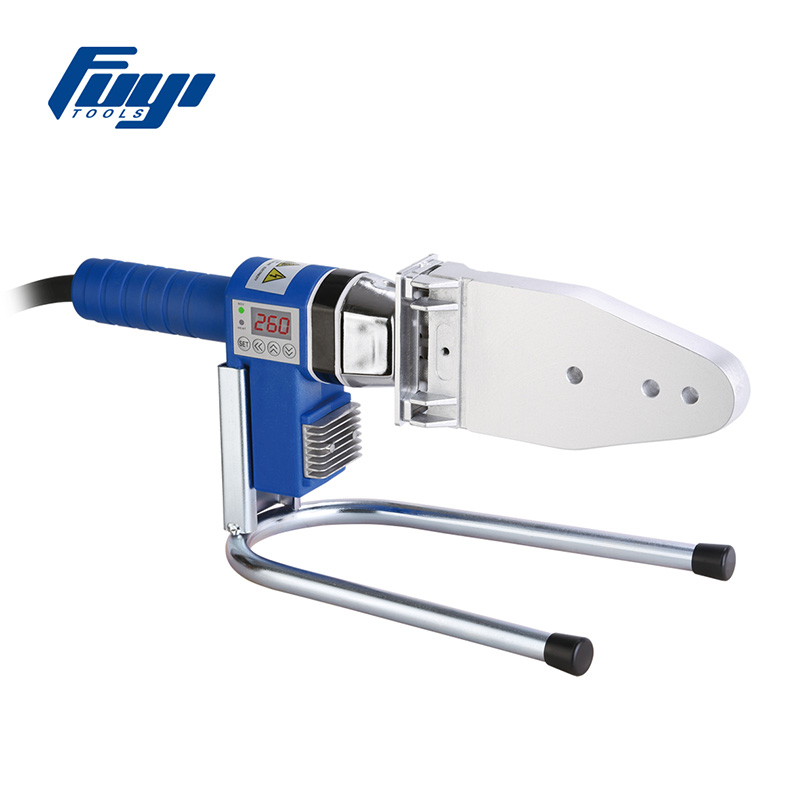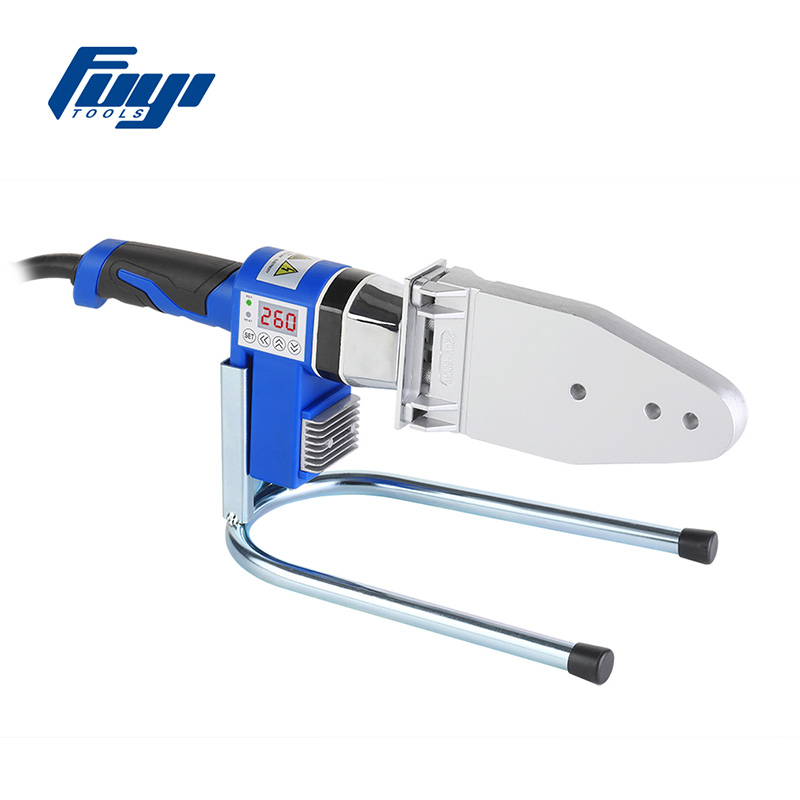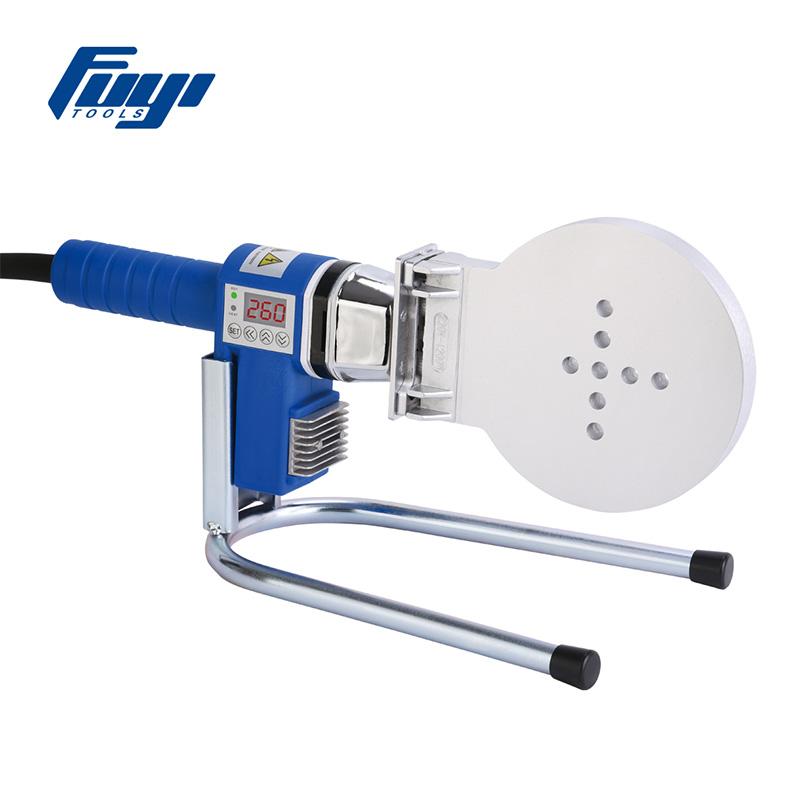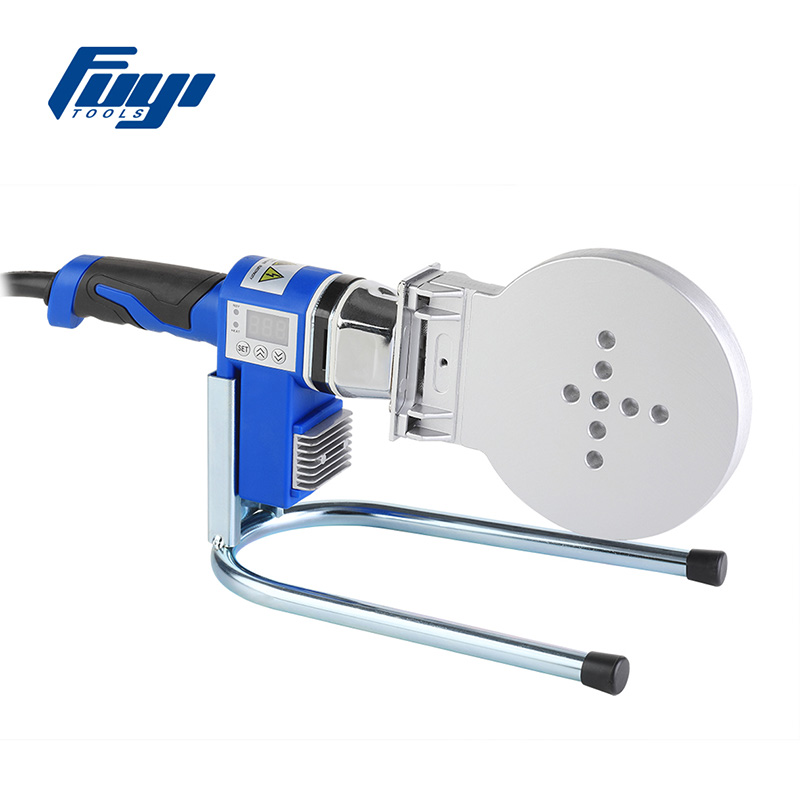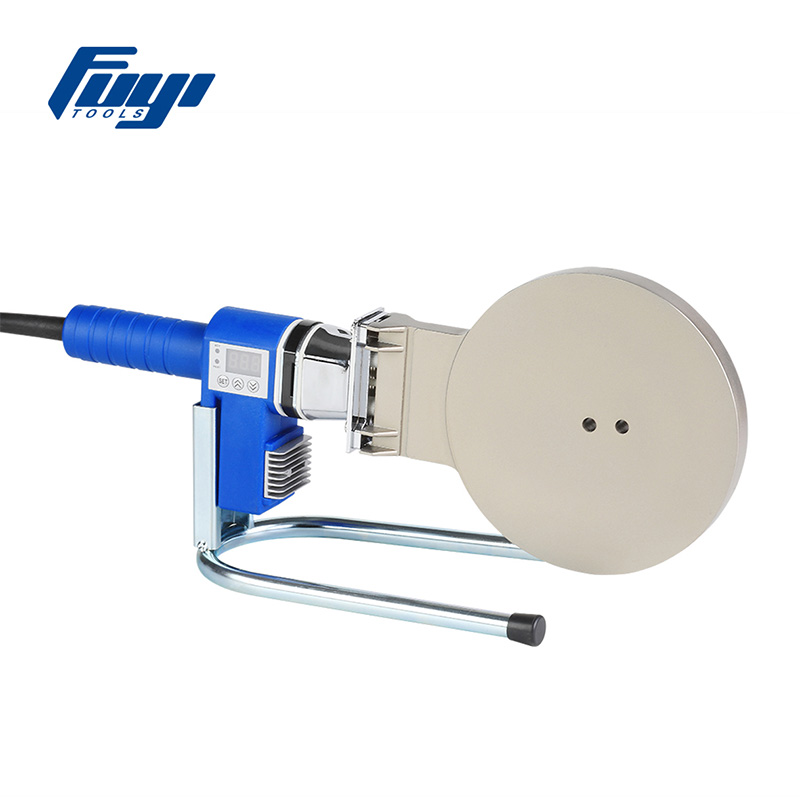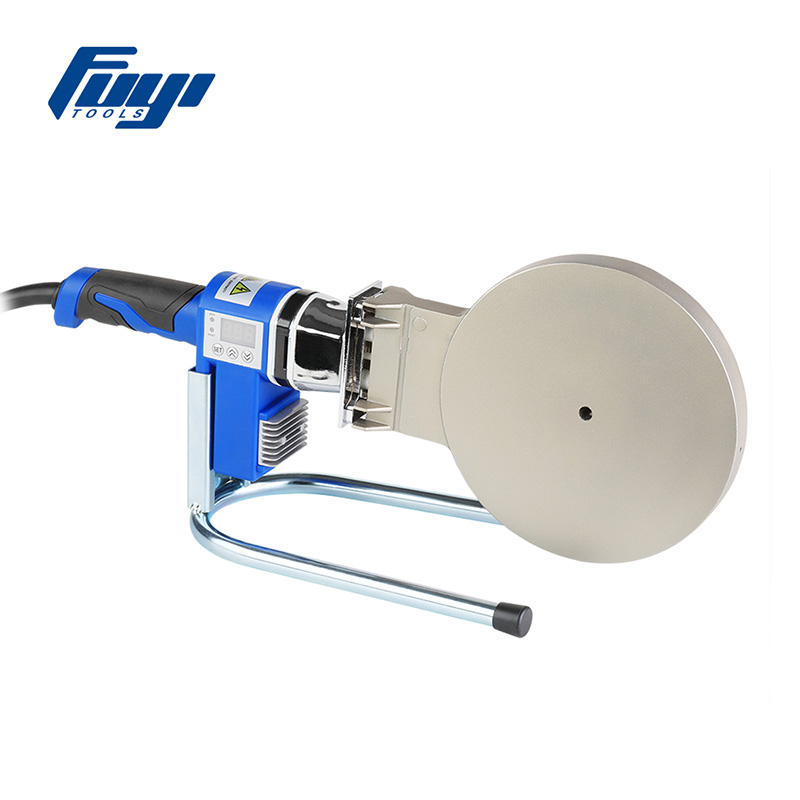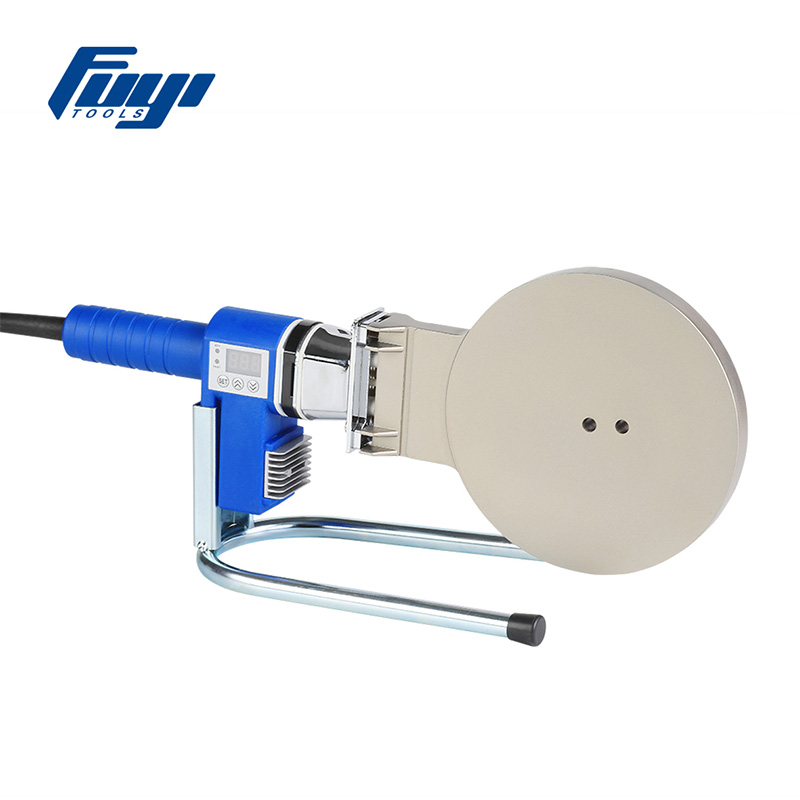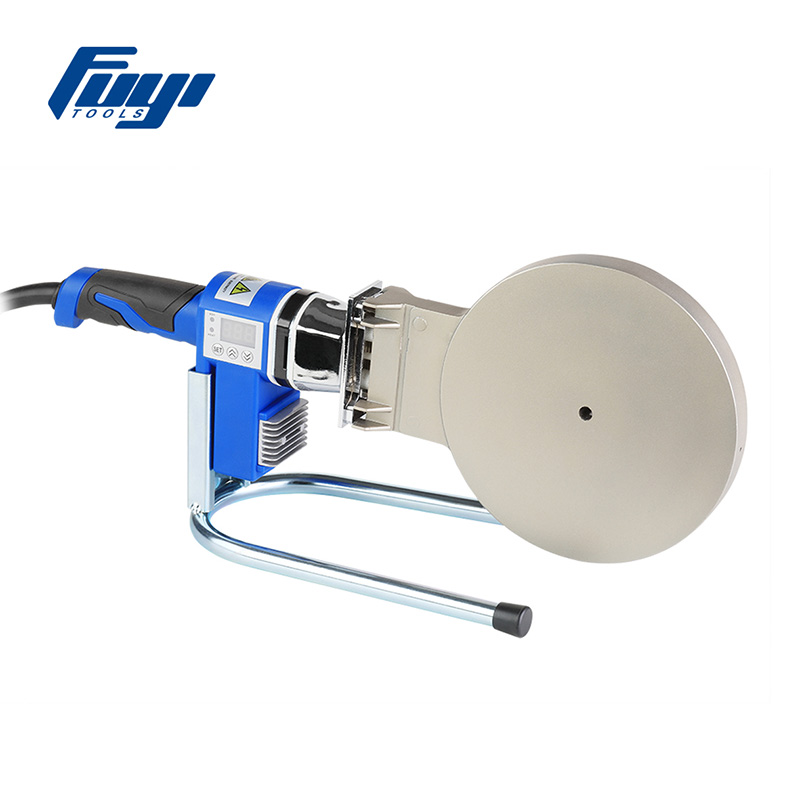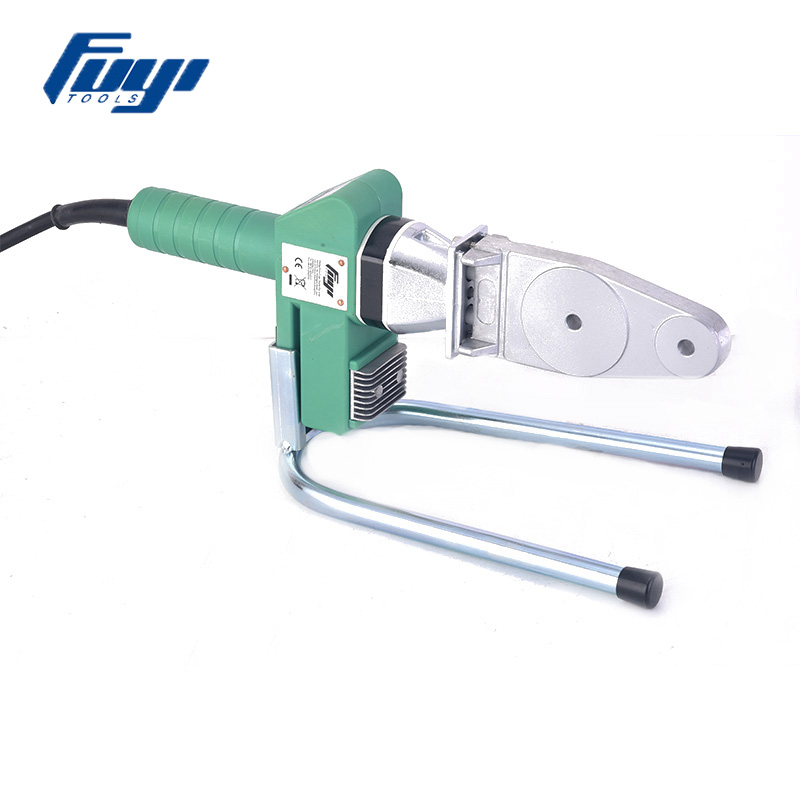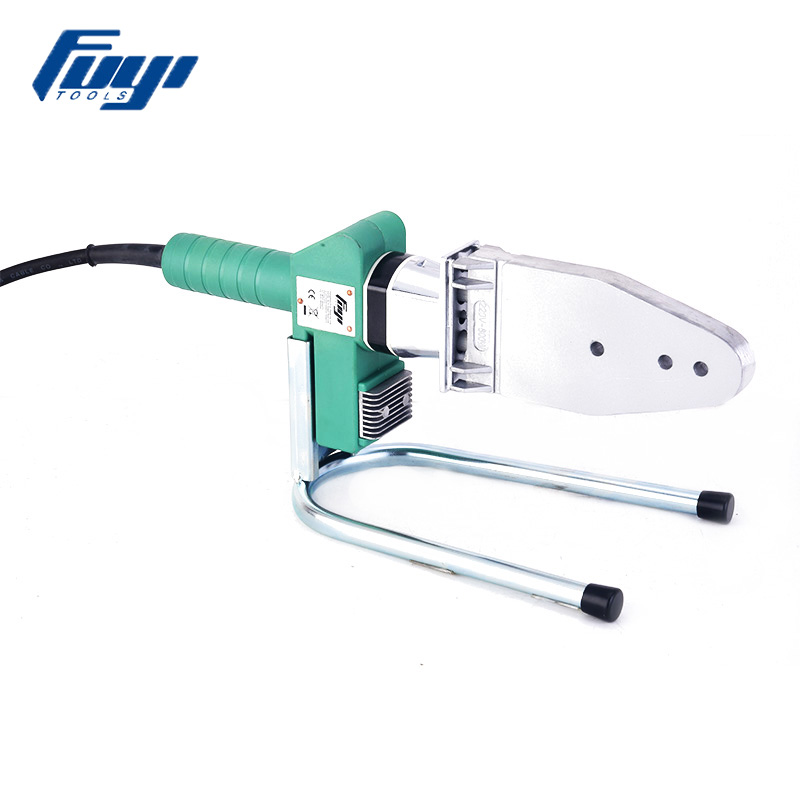
Proper maintenance and calibration of a bench socket fusion welding machine directly determines whether every joint meets the structural and pressure integrity requirements of the piping system. The three most critical control points are heating tool temperature accuracy (±5°C of the specified value), surface cleanliness of the heating tool faces, and consistent timing of the heat-soak and joining phases. A machine that is out of calibration by as little as 10°C or has contaminated tool faces can produce joints that look visually acceptable but fail at a fraction of the rated pressure. This guide covers the full maintenance and calibration cycle in the sequence a technician should follow.
Socket fusion welding joins thermoplastic pipes and fittings — typically polypropylene (PP), polyethylene (PE), or CPVC — by simultaneously heating the pipe spigot outer surface and the fitting socket inner surface to their melt temperature, then pressing them together to form a homogeneous bond. The process has no filler material and no mechanical fastening. Joint integrity is entirely dependent on achieving correct melt depth, correct melt temperature, and contamination-free surfaces.
Standards including ASTM F1056, DVS 2207-1, and ISO 15494 specify allowable temperature ranges, heating times, and transition times for each pipe material and diameter. These parameters are narrow: for PP-R pipe at 20mm diameter, the heating tool must be maintained at 260°C ± 10°C, heating time is 5 seconds, and the transition from tool removal to joint assembly must be completed within 4 seconds. Deviating from these values — even slightly — produces cold joints, voids, or degraded material that reduces long-term pressure rating.
Before starting any welding session, the following checks must be completed every day without exception:
Contaminated heating tool surfaces are the leading cause of failed socket fusion joints in field and workshop environments. Polymer residue, oils from handling, pipe shavings, and atmospheric dust all act as thermal barriers and bond inhibitors.
Replace the heating tool or PTFE insert when any of the following conditions exist: visible discoloration or browning of the PTFE coating (indicates thermal degradation), any scratch or gouge deeper than the coating thickness, polymer residue that cannot be removed by standard cleaning, or any pit or crater in the tool surface larger than 1 mm diameter. A degraded tool surface creates non-uniform heat transfer, leading to localized under- or over-heating across the joint circumference.
The temperature displayed on the machine controller is the temperature sensed by the internal thermocouple — which is embedded in the heater body, not at the tool surface. Surface temperature at the point of pipe contact can differ from the displayed setpoint by 5°C to 20°C depending on tool wear, ambient temperature, and heater element condition. This is why independent surface temperature verification is required.
Calibration intervals depend on usage intensity and the quality requirements of the work:
| Usage / Application Type | Recommended Calibration Interval | Trigger for Immediate Recalibration |
|---|---|---|
| Occasional workshop use (<10 welds/week) | Every 3 months | After any drop or impact to the machine |
| Regular production use (daily operation) | Monthly | After heating tool replacement |
| Quality-certified production (ISO 9001 / DVS) | Weekly or per batch | Any visual weld defect or operator complaint |
| Pressure-rated systems (gas, industrial fluid) | Before each production run | Any power interruption during welding session |
| Interval | Task | Acceptance Standard |
|---|---|---|
| Weekly | Deep clean all tool surfaces; inspect PTFE coating integrity | No visible residue, scoring, or delamination |
| Weekly | Lubricate guide rail and clamp sliding surfaces | Smooth, resistance-free movement across full travel |
| Monthly | Verify temperature calibration with contact thermometer | All surface readings within ±5°C of setpoint |
| Monthly | Check clamp concentricity with test pipe and fitting | Axial alignment within 0.5mm lateral offset |
| Monthly | Inspect power cable, plug, and thermocouple wiring | No damage, secure connections, no exposed conductors |
| Annually | Full calibration by accredited service provider | Calibration certificate issued with traceability reference |
| Annually | Replace heating element if watt density has decreased | Heat-up time to setpoint within manufacturer specification |
| Annually | Electrical safety test (PAT or equivalent) | Pass per applicable national electrical safety standard |
Temperature calibration confirms the machine's thermal output, but it does not confirm that the complete welding process produces compliant joints. Test welds on sample pipe and fittings should be performed and destructively examined at the start of any new production run, after any maintenance or calibration, and when pipe material batch changes.
After welding, the melt bead that rolls back at the fitting socket entrance should be uniform in height and width around the full circumference. An uneven bead indicates unequal heating — typically caused by tool surface contamination, non-concentric pipe seating, or insufficient heating time. Bead height for PP-R at 20mm diameter should be approximately 1–2 mm; larger beads indicate overheating or excessive insertion force.
Cut the test joint longitudinally and attempt to peel the pipe from the fitting with pliers. A correctly made fusion joint will show material tearing in the parent pipe or fitting body, not separation at the bond interface. Interface separation (a clean, smooth failure surface at the bond line) indicates cold joint, contamination, or insufficient heating — the machine requires immediate re-calibration and the root cause must be identified before production resumes.
For any installation subject to third-party inspection, quality certification, or pressure testing, maintenance and calibration records must be retained and available for audit. Minimum documentation should include:
Under DVS 2207-1 and EN 12201 quality frameworks, welding personnel must also hold current certification for socket fusion welding, and the machine calibration certificate must be less than 12 months old at the time of any certified weld production. Expired calibration certificates invalidate the quality documentation for all welds made after the expiry date.
Copyright © 2024 Hangzhou Fuyi Tools Co., Ltd. All Rights Reserved.
|